

Some movies are designed to entertain, others to inspire, and some exist to confront audiences with the harshest realities imaginable. The most upsetting films ever made often earn critical acclaim precisely because they refuse to soften their subject matter. Everyone should watch these movies once, but perhaps never again thereafter.
These films are not necessarily unpleasant because they are poorly made – quite the opposite. Their performances, storytelling, and direction are extraordinary. However, the emotional weight they carry can make revisiting them difficult. A second viewing means willingly reliving moments that are devastating, disturbing, or deeply tragic. Their emotional impact is so powerful that watching them once feels more than enough.
Mysterious Skin (2004)
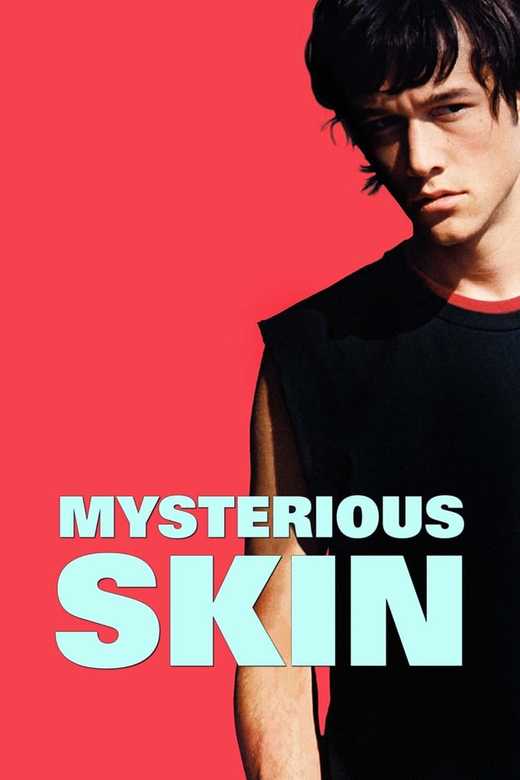
Mysterious Skin is one of the most emotionally devastating films of the 2000s. It unflinchingly examines childhood trauma and its lifelong consequences. Directed by Gregg Araki, the film follows two young men whose lives were forever altered by the abuse they experienced as children.
One of them, played by Joseph Gordon-Levitt, grows into a self-destructive hustler, while the other struggles with fragmented memories and believes he may have been abducted by aliens. What makes Mysterious Skin so upsetting is its honesty. The story never sensationalizes its subject matter, instead focusing on the psychological scars left behind.
The performances are raw and painfully real, forcing viewers to confront the characters’ trauma head-on. By the time the truth behind their shared past is revealed, the emotional impact is overwhelming. It’s a powerful film, but its heavy subject matter makes it incredibly difficult to revisit.
The Pianist (2002)

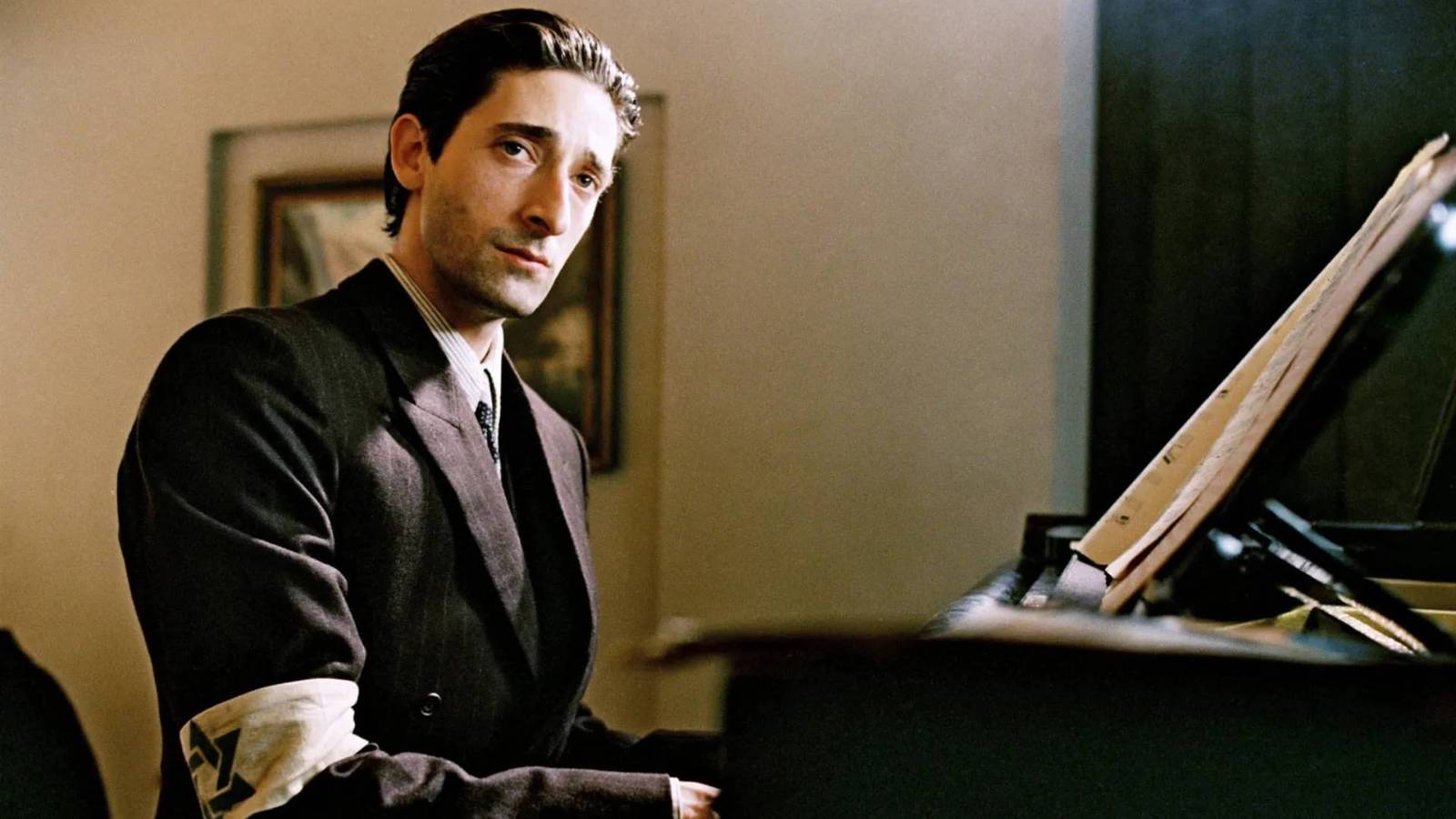
The Pianist stands as one of the most haunting depictions of survival during World War II. Directed by Roman Polanski, the film tells the true story of Polish Jewish pianist Władysław Szpilman. It follows his struggles to stay alive during the Nazi occupation of Warsaw.
Adrien Brody’s performance is widely regarded as one of the most powerful in modern cinema. Brody’s portrayal of Szpilman’s slow descent into isolation and starvation is painfully realistic. It captures the randomness of survival, showing how luck, courage, and small acts of kindness could mean the difference between life and death.
The destruction of Warsaw and the suffering endured by its citizens are depicted with heartbreaking authenticity. The Pianist is as relentlessly upsetting as its subject matter. Indeed, the journey is so emotionally draining that many find one viewing of The Pianist more than enough.
Magnolia (1999)

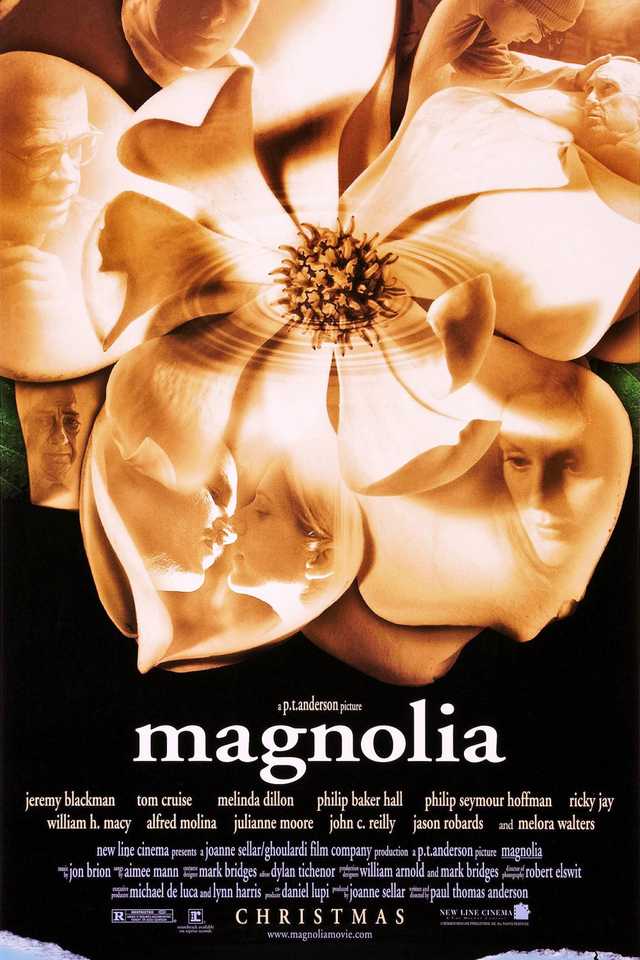
Magnolia is often praised as one of the most ambitious films of Paul Thomas Anderson’s career. It weaves together multiple interconnected stories about regret, trauma, and forgiveness. It follows a wide range of characters across Los Angeles, including a dying television producer, a former child prodigy, a lonely police officer, and a motivational speaker whose success masks deep emotional pain.
As their woven narratives unfold, each character faces the worst day of their life. The cast, which boasts Tom Cruise, Julianne Moore, and Philip Seymour Hoffman, delivers intensely vulnerable performances. Indeed, many of the film’s most memorable scenes involve characters confronting past mistakes and unresolved trauma.
The stories deal with parental neglect, addiction, and the lasting damage caused by childhood abuse. It dives so deeply into human suffering with such varied stories that everyone can relate to it. With a whopping 150-minute run-time, rewatching Magnolia becomes an emotional endurance test.
Grave Of The Fireflies (1988)

Grave of the Fireflies is widely considered one of the most heartbreaking animated films ever made. Directed by Isao Takahata and produced by Studio Ghibli, the film tells the story of two siblings struggling to survive in Japan during the final months of World War II. Unlike many animated films, this story offers almost no comfort.
The bond between teenage Seita and his younger sister Setsuko is deeply moving, and watching them try to endure hunger, isolation, and loss is emotionally devastating. The film portrays the civilian cost of war with stark honesty, making it feel painfully real despite its animated style.
Grave of the Fireflies is especially difficult to revisit because of the inevitability of its tragedy. Knowing where the story leads casts a shadow over every fleeting moment of warmth between the siblings. It’s an extraordinary film, but its emotional impact is too overwhelming to revisit.
A Serbian Film (2010)

A Serbian Film is notorious for pushing boundaries far beyond what most audiences are willing to tolerate. Directed by Srđan Spasojević, the film follows a retired adult film actor who agrees to participate in a mysterious new project. However, he soon finds himself drawn into a horrifying and increasingly disturbing production.
A Serbian Film is genuinely disgusting and revels in escalating this shock factor relentlessly. Each new revelation becomes more grotesque and morally unsettling than the last, creating an experience designed to deeply disturb viewers. The film was intended by its creators as a dark political allegory about exploitation and corruption.
Yet its extreme imagery often overshadows that interpretation. Even among horror fans known for seeking out shocking material, this film has gained a reputation as something many people regret watching. Watching it once might even be too much for most audiences.
The Boy In The Striped Pajamas (2008)

The Boy in the Striped Pajamas approaches the horrors of the Holocaust through the innocent perspective of a child. This only makes its emotional impact even more devastating. The story follows Bruno, the son of a Nazi officer, who befriends a Jewish boy imprisoned in a concentration camp.
Because Bruno doesn’t understand the reality of the camp, the film unfolds with tragic irony. The audience knows the danger surrounding both boys long before they do. Their friendship develops across the camp’s fence, highlighting the innocence of childhood in contrast to the cruelty of the world around them.
The film’s heartbreaking ending is what truly makes it unbearable to revisit. The boys’ tragic deaths arrive with a shocking inevitability that only emerges once it’s too late. What seemed like a simple friendship story transforms into one of the most devastating conclusions in modern historical drama.
The Mist (2007)

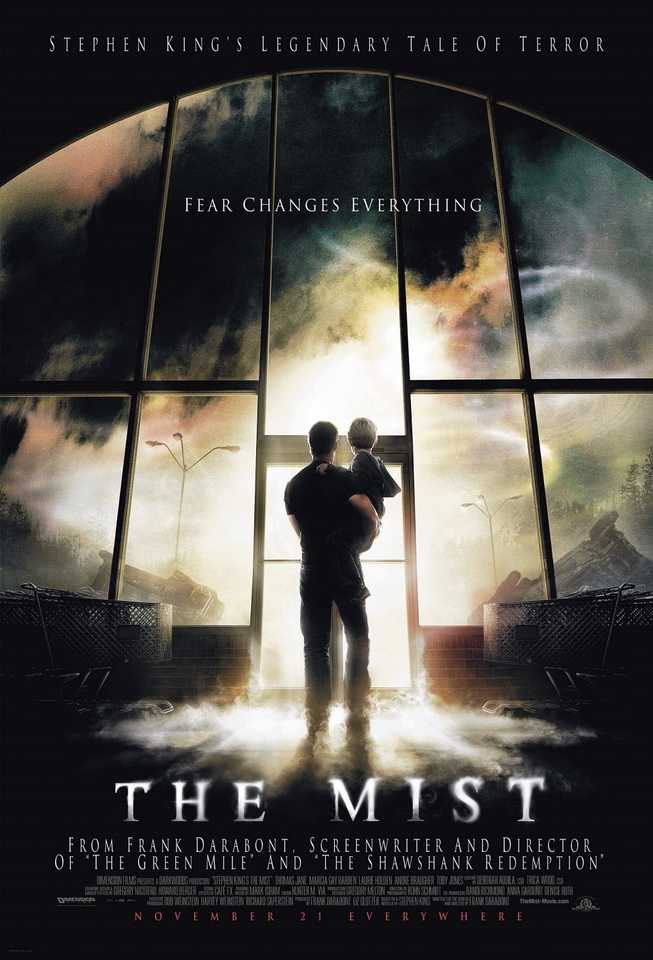
The Mist begins like a typical creature feature. However, it gradually transforms into something far more psychologically brutal. Directed by Frank Darabont and based on a novella by Stephen King, it depicts a group of people trapped in a grocery store as a mysterious mist filled with deadly creatures surrounds their town.
Much of the tension comes from how quickly survivors turn against each other. Panic, religious extremism, and paranoia spread just as quickly as the danger outside. These make the bulk of The Mist feel like a bleak exploration of human nature under pressure.
However, what makes the movie almost impossible to revisit is its infamous ending. In a shocking twist that even King himself praised, the film delivers one of the darkest conclusions ever seen in a mainstream horror movie, wherein the protagonist kills his family to protect them just moments before rescue arrives. It’s far too crushing to watch a second time.
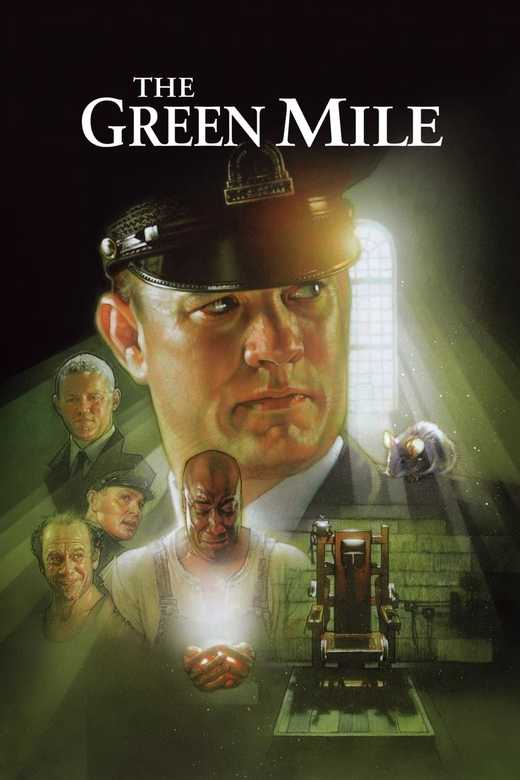
The Green Mile (1999)

The Green Mile blends supernatural storytelling with a deeply emotional prison drama. This creates a highly compelling, but emotionally draining viewing experience. Directed by Frank Darabont and based on the novel by Stephen King, the story takes place on death row in the 1930s.
It depicts prison guard Paul Edgecomb (Tom Hanks) as he encounters John Coffey, a gentle giant portrayed by Michael Clarke Duncan. Despite being convicted of a terrible crime, Coffey possesses mysterious healing abilities and a profoundly kind spirit. The emotion gradually ratchets up as the guards come to realize that Coffey may be innocent.
In a heartbreaking climax, Coffey is executed for murder despite the guards knowing his innocence. By this point, the audience has formed a similarly deep emotional connection to the character. Knowing the outcome makes revisiting the film incredibly painful, even though its performances and storytelling are widely celebrated.
Schindler’s List (1993)

Schindler’s List is widely regarded as one of the greatest historical films ever made. Yet it is also one of the most emotionally difficult experiences in cinema. Directed by Steven Spielberg, the film tells the true story of German businessman Oskar Schindler, who saved more than a thousand Jewish lives during the Holocaust.
Schindler’s List does not shy away from depicting the brutal reality of Nazi persecution. Many scenes are deeply disturbing, capturing the cruelty and dehumanization inflicted upon innocent people. Performances by Liam Neeson, Ben Kingsley, and Ralph Fiennes bring extraordinary emotional depth to the story.
Schindler’s List ultimately highlights courage and humanity in the face of unimaginable evil. Nevertheless, the suffering portrayed throughout makes it an overwhelming viewing experience. Its power lies in how unforgettable it is – but that same intensity makes many viewers reluctant to watch it again.
Requiem For A Dream (2000)

Darren Aronofsky’s Requiem for a Dream is one of the most harrowing portrayals of addiction ever put on screen. It follows four characters whose dreams slowly unravel as drug use takes over their lives. The film’s cast, including Ellen Burstyn, Jared Leto, Jennifer Connelly, and Marlon Wayans, delivers intense performances that chart a relentless downward spiral.
What makes the movie so upsetting is its structure. Each character begins with simple hopes: fame, love, success, or self-improvement. However, their lives steadily collapse in horrifying ways as they become addicted to amphetamine weight-loss pills or heroin.
The film’s rapid editing, unsettling music, and bleak storytelling create a sense of mounting dread. By the time the final sequence arrives, every character has been utterly destroyed. The experience is unforgettable, but the absolute refusal to give any character a hopeful ending makes it impossible to revisit.
-
Mysterious Skin
- Release Date
-
March 30, 2005
- Runtime
-
105 minutes
- Director
-
Gregg Araki
- Producers
-
Mary Jane Skalski, Michael J. Werner, Wouter Barendrecht
-

The Pianist
- Release Date
-
March 28, 2003
- Runtime
-
150 Minutes
-
Magnolia
- Release Date
-
December 17, 1999
- Runtime
-
188 minutes
-
The Mist

8/10
- Release Date
-
November 21, 2007
- Runtime
-
126 minutes
-
The Green Mile
8/10
- Release Date
-
December 10, 1999
- Runtime
-
189 minutes
-

Schindler’s List
8/10
- Release Date
-
December 15, 1993
- Runtime
-
195 Minutes
- Writers
-
Thomas Keneally, Steven Zaillian







Source link
