

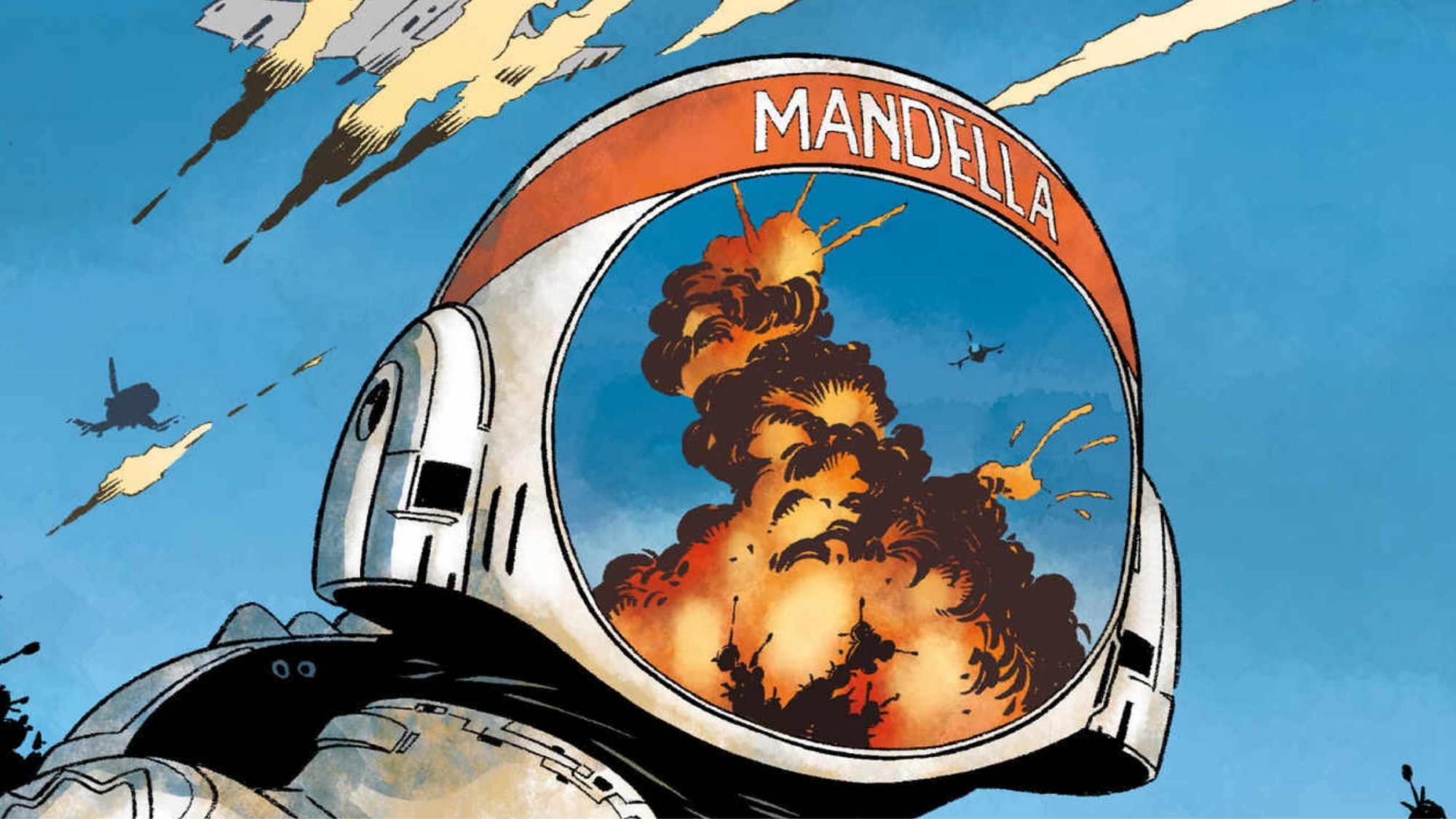
Many of the most legendary sci-fi shows and movies were books first. In fact, it’s perhaps the most common way studios source stories with built-in audiences before pouring millions of dollars into them. Frank Herbert’s vast, detailed universe became the Dune movies we know today, and even influenced hits like Star Wars. Before Blade Runner, there was Do Androids Dream of Electric Sheep? And before 2001: A Space Odyssey, there was Arthur C. Clarke’s short story, The Sentinel.
Still, what has been adapted thus far is just the tip of the iceberg, and countless incredible sci-fi stories remain ink and page. While we already discussed the seven best unadapted sci-fi books, here are seven more exceptional, cinematic reads that desperately need to be made into movies or shows.
7) Helliconia Trilogy by Brian W. Aldiss
An ambitious work, the Helliconia trilogy was published between 1982 and 1985 by British author Brian W. Aldiss. It won the Locus Award and comparisons to Herbert’s Dune for its scope. Set on Helliconia, a planet orbiting binary stars, the trilogy follows the rise and fall of entire civilizations across a “Great Year” spanning over 1,800 Earth years. As the planet shifts between centuries-long winters and summers, humanity and the minotaur-esque Phagors battle for survival while an Earth satellite observes from orbit. Since its publication, it has been a major influence on hard sci-fi. More scientifically sound than Herbert’s work, Helliconia explores similar themes about climate, evolution, and the cycles of nature.
With a vast time scale and multiple generations of characters, the Helliconia trilogy would indeed be an expensive commitment for a studio. Yet the success of prestige television in the realm of Game of Thrones or the German time-travel masterpiece Dark means TV could be the perfect format for adapting Aldiss’ masterwork.
6) Little Fuzzy by H. Beam Piper
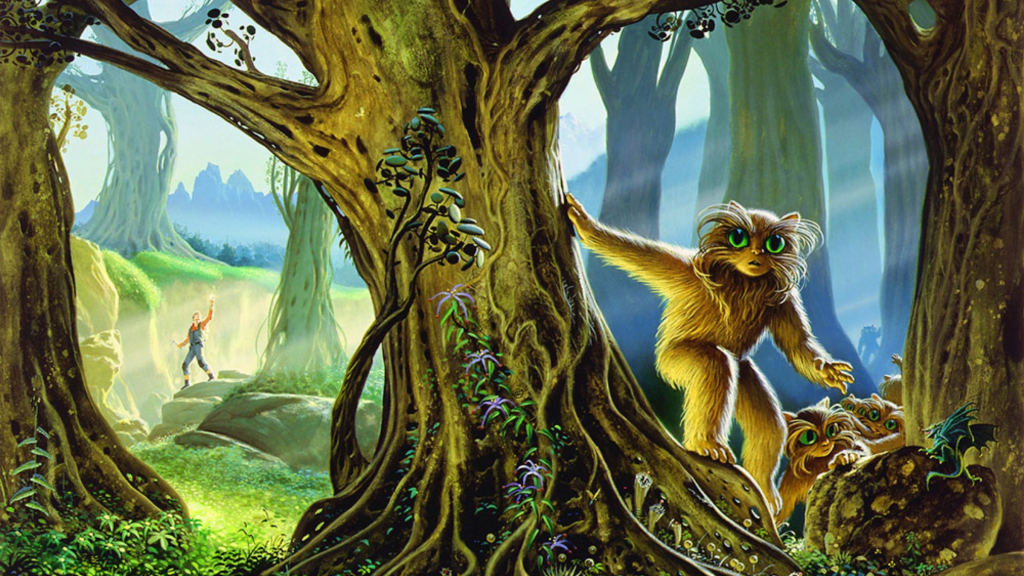
Released in 1962 and Hugo-nominated, H. Beam Piper’s novel is a wildly charming first-contact story with deep resonance beneath its fuzzy surface. The story’s hero is prospector Jack Holloway, who discovers golden-furred humanoids called Fuzzies on a planet called Zarathustra. But, when the evil Zarathustra Company realizes the Fuzzies might be sapient (which would revoke their planetary charter), they attempt to suppress the truth, leading to a tense courtroom battle.
Diving into themes on corporate exploitation and the nature of sapience, Little Fuzzy is particularly relevant in the current era of AI and corporate dominion. The Fuzzies themselves would be irresistible to audiences, and many have noted how George Lucas likely drew inspiration from them when creating the Ewoks. The story’s structure, building to a courtroom climax, would work perfectly as a feature film. Practical suited or puppeted Fuzzies would be a great way to separate a film adaptation from the pack, but motion capture could just as easily create believable creatures. Beloved by all sorts of sci-fi fans, Little Fuzzy’s mass appeal is undeniable.
5) The Forever War by Joe Haldeman
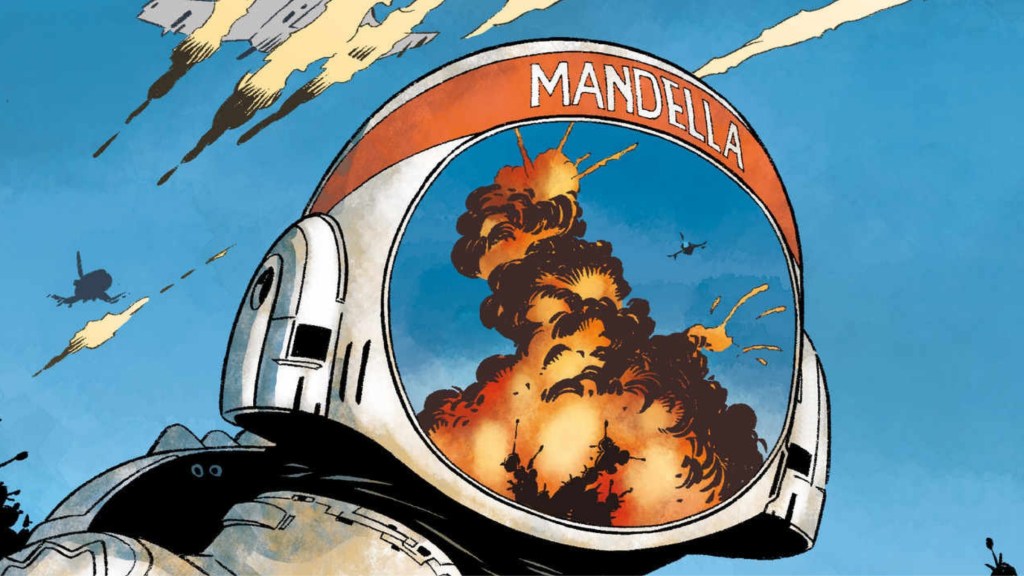
The Forever War has been floating around Hollywood for a while, but we don’t have our live-action adaptation yet. Ridley Scott acquired the rights back in 2008, and more recently, Channing Tatum was reportedly attached, but very little has since materialized. Winner of both the Hugo and Nebula awards, The Forever War is the story of William Mandella, a physics student drafted into an interstellar war against alien Taurans. However, due to time dilation, Mandella ages only months while Earth ages centuries. Each time he returns from deployment, society has transformed beyond recognition, making him a stranger in his own world. As a Vietnam War allegory, the novel has only revealed itself more over time. Author William Gibson called it one of the finest war stories ever written.
The Forever War‘s brilliant episodic structure, following Mandella’s various deployments, is just screaming to be adapted into a high-concept limited series. The time jumps would allow each episode to explore different eras of human evolution and their myriad complexities. Plus, now more than ever, we have the CGI and VFX technology at our disposal to pull off the powered armor combat sequences.
4) The Dispossessed by Ursula K. Le Guin
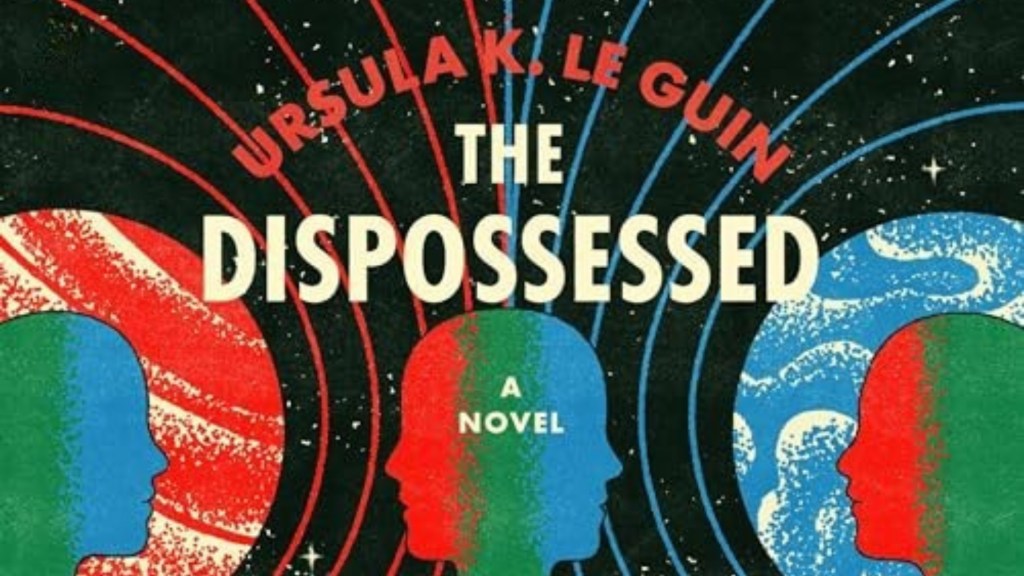
Among legendary sci-fi author Ursula K. Le Guin’s best works, her 1974 novel The Dispossessed would make the most interesting on-screen adaptation. This Hugo, Nebula, and Locus award winner seamlessly blends multiple sci-fi subgenres like utopian and dystopian and even veers a bit into fantasy. It has political intrigue, romance, philosophy, and does a great job probing both anarchism and capitalism. The story follows physicist Shevek as he travels between two worlds: the anarchist moon Anarres, where he grew up, and the capitalist planet Urras, attempting to share a revolutionary physics theory while becoming disillusioned with both societies.
Le Guin’s novel alternates between past and present chapters, which would translate beautifully to television’s episodic format, but at only 340 pages, it could also be adapted into a single feature. The stark visual contrast between Anarres and Urras would be stunning, and the political themes would feel timely. Thankfully, we may indeed get to see The Dispossessed on screen in the near future, because the book was announced for adaptation by 1212 Entertainment and Anonymous Content in 2021, with Le Guin’s son involved.
3) Titan Trilogy by John Varley
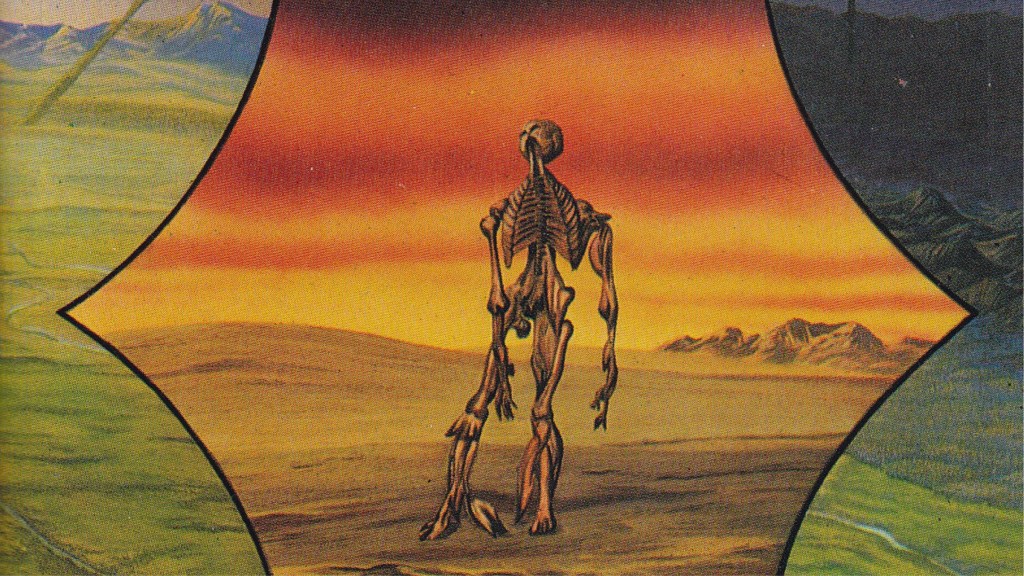
The Titan trilogy, containing Titan, Wizard, and Demon, released its first entry in 1979, and the wild ride still desperately needs to be visually interpreted. The trilogy follows a space expedition that discovers a gigantic Stanford torus habitat orbiting Saturn. But it turns out the habitat isn’t just a structure; it’s a living, sentient being named Gaea, obsessed with old Hollywood movies and manipulating the species living inside her like a mad god.
Questions posed around AI and the nature of divinity make Titan a fascinating and complex tale. The visual possibilities are extraordinary: a living space station 1,300 kilometers across with its own biosphere, centaur-esque Titanides who communicate through music, sentient blimps, and other bizarre creatures. Gaea’s Hollywood obsession would make a brilliant industry commentary in a 3-part film in the lineage of Star Wars, Dune, and Lord of the Rings. The trilogy won the Locus Award, and while it’s got cult-favorite status among sci-fi lovers, a high-production-value adaptation would bring Varley’s wild world to a wider audience.
2) The Moon is a Harsh Mistress by Robert A. Heinlein

Another Hugo winner and a 60s classic that honestly should have been adapted by now, Heinlein’s novel tells the story of a lunar revolution against Earth’s exploitation. In 2075, Luna (a penal colony where Earth dumps its criminals) decides it’s had enough. Computer technician Mannie, revolutionary Wyoh, philosopher Professor de la Paz, and Mike, a sentient computer who has become self-aware, orchestrate a revolt set for July 4, 2076. A Hollywood pitch might call it the American Revolution in space with a libertarian bend, and one of science fiction’s best AI characters ever.
The Moon is a Harsh Mistress has had multiple studios try to develop it over the years, but none have succeeded. That’s a shame because the revolutionary tactics, political philosophy, and character development would be perfect for a limited series. The novel’s unusual family structures and intense low-gravity action sequence would be fantastic to see on screen. Not to mention that Heinlein invented TANSTAAFL or “There Ain’t No Such Thing As A Free Lunch,” and his work still influences culture today.
1) The Chrysalids by John Wyndham
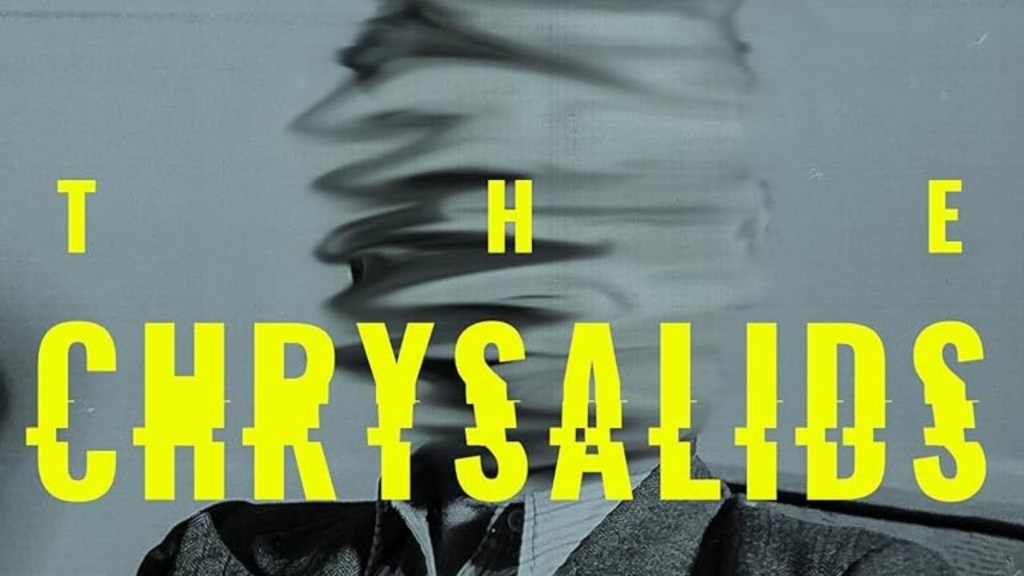
The number one book that desperately needs an adaptation is John Wyndham’s 1955 classic The Chrysalids. The story starts in post-nuclear Canada, where religious fundamentalists ruthlessly enforce genetic “purity.” From there, we follow young David, who discovers that he and other children possess telepathic abilities. This makes them “Blasphemies” in the eyes of the theocratic society, so they are forced to hide their gifts or face persecution and death.
With themes of religious extremism and intolerance, The Chrysalids is timeless. Fans have compared it to The Handmaid’s Tale, and Margaret Atwood has even acknowledged Wyndham’s influence on her work. The story has had radio adaptations by the BBC and a stage adaptation, but never film or television. The post-nuclear wasteland known as “the Fringes” and the mutated creatures would provide the necessary visual spectacle, but most importantly its nearly impossible not to care deeply about the children and their fight, and the ending is famously brilliant. David Mitchell called it one of the most thoughtful post-apocalypse novels ever written, and it’s even required reading in many schools. The Chrysalids would work as either a limited series or a feature film, as long as it’s helmed by the right director who can do justice to both character study and social commentary.
Which of these books would you most like to see adapted? Leave a comment below and join the conversation now in the ComicBook Forum!
Source link
