

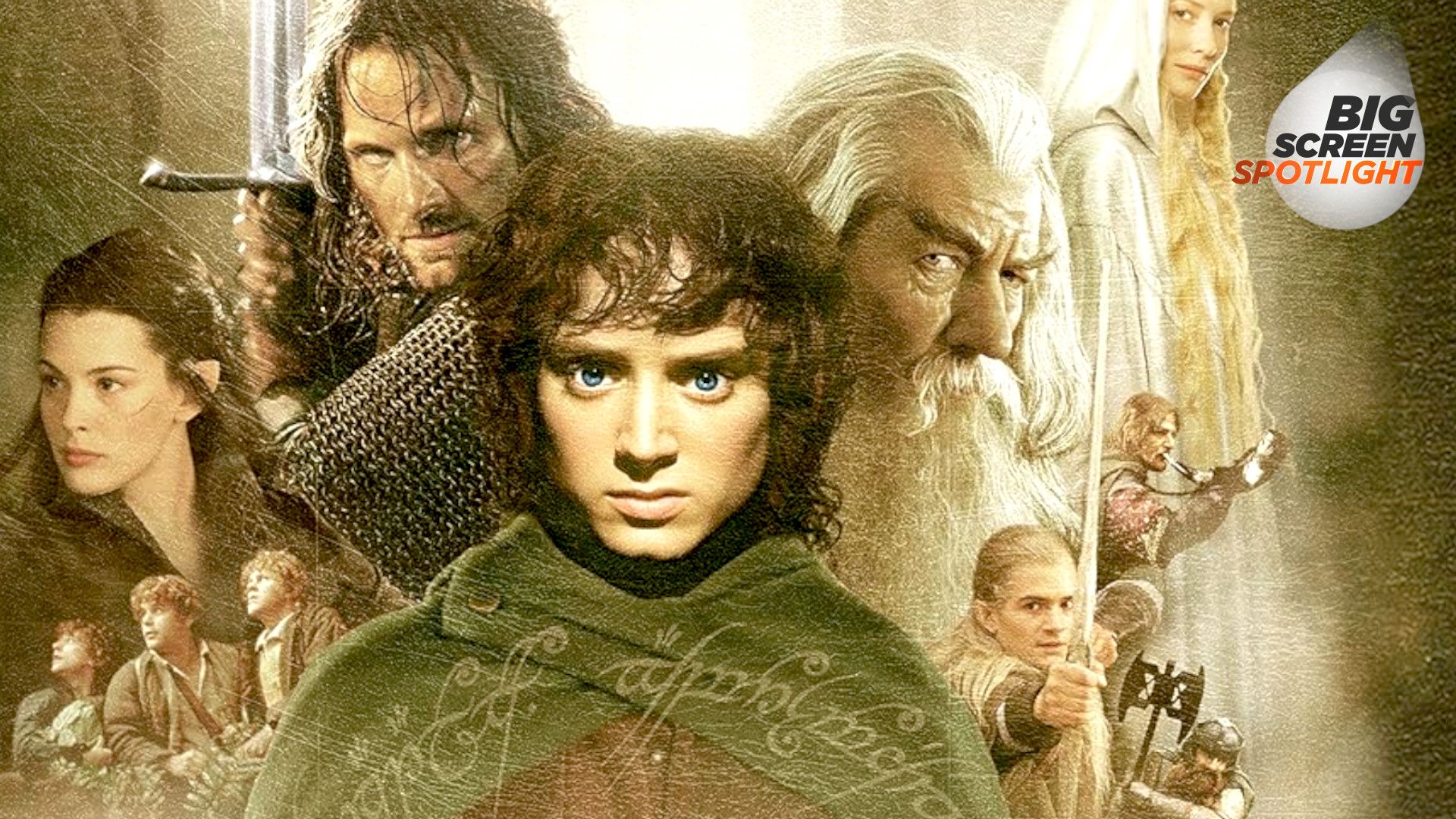
The best kind of movies are the ones with a story so amazing that each rewatch feels like your first time seeing them. It’s the films where you don’t notice time flying away, as each scene perfectly paces into the next, and you’re engulfed by the on-screen world and all the character journeys before you. Only a few films have ever reached this level of “movie magic” and, luckily for us, the best cinematic trilogy to do so, Peter Jackson’s The Lord of the Rings trilogy, is now out in cinemas again.
Celebrating 25 years since the release of The Lord of the Rings: The Fellowship of the Ring, fans can now go to their local cineplex to tune into the extended editions of all three films. As someone who rewatches the extended editions every year, it’s an experience I personally recommend to any movie lover. Even if you aren’t a fantasy fan, the trilogy hasn’t aged a day and is a masterclass in great adaptation that I’m becoming increasingly convinced will never be matched due to one reason: our modern obsession with convoluted franchises.
The right place at the right time
The 2020s have been characterised by many big-budget Hollywood affairs trying to replicate the Marvel effect rather than adapting new works. IPs are mined like Khazad-dûm, and films often tie into TV shows that you need to watch like extra homework, or go past the trilogy even when the story has run its course in an effort to keep the money flowing.
Compared to the 2000s, which saw both The Fellowship of the Ring and the first Harry Potter movie released in cinemas, the rights for novel adaptations are increasingly going to streaming services instead of film studios (queue the side-eye at the upcoming Harry Potter show), becoming series that are in constant danger of being canceled, and which also tend to be drawn-out affairs.
BIG SCREEN SPOTLIGHT
Shining a light on the under-the-radar theatrical releases that you need to know about, with a new article every Friday
In 1954, JRR Tolkien published a fantasy epic that would go on to define a genre. His novel, The Lord of the Rings, described in painstaking detail a fantastic world called Middle-earth, where the most unlikely of heroes (a small Hobbit named Frodo Baggins) would journey to the fiery Mount Doom to destroy the dark Lord Sauron’s ring of power. Frodo’s journey in the books is a long one. Tolkien never shied away from lore or world-building, and even created his own language.
I’m forever thankful that The Lord of the Rings trilogy was made when it was, instead of today, because its source material is so vast and detailed that we’d likely be in Middle-earth Phase 12 by now if certain companies got their way. Instead, Jackson’s trilogy is perfect. Opposed to stretching out Tolkien’s story to make even more movies, he cut the work down, released extended cuts to add more context for those looking for it, and made necessary changes that didn’t take away from the heart of what makes these stories so great: how even the smallest among us can take down an evil force that seems unstoppable.
The art of adapting Tolkien

There is a certain art to big-screen adaptations, and very rarely are you going to get one that isn’t afraid to tweak the source material for the new medium. The Lord of the Rings trilogy does make substantial changes from the book, but does so in a way that will make any screenwriting professor and Tolkien fan happy.
For instance, Arwen’s rescue of Frodo in The Fellowship didn’t happen in the novel. In the book, Aragorn was never in exile, unlike in the trilogy. In fact, he was prepped and ready to take on his role against Sauron and for Gondor long before he met Frodo. There’s also no Tom Bombadil in the movies, and the films even have Sam and Frodo splitting up for a time when Gollum gets between them during their journey to Mordor, which also never happened in the books. These are just a few of the changes made; however, most hardcore Tolkien fans agree that they aren’t deal breakers either, and that’s because, at the end of the day, all the alterations fit the medium of film perfectly.
Condensing an epic into three movies is a massive undertaking. A screenplay isn’t a novel, and, as such, things that we love in a book sometimes just don’t translate to the big screen. Similarly, you have to be brutal in the editor’s room. Even if Tom Bombadil is your favourite character, let’s be frank, his inclusion in the trilogy would have just pleased fans and caused pacing issues instead.
Changing Arwen’s role in meeting Frodo gave her more of an identity in her romance with Aragorn, so viewers could invest in them both more easily. Sam and Frodo essentially breaking up over Gollum added dramatic tension and raised the stakes when Frodo ventured into Shelob’s cave by himself, and Aragorn struggling to embrace his identity gave the character growth and a personal journey to root for.
In short, Jackson’s changes didn’t damage the story; they made it fit for purpose in its new medium. The director kept the essence of the novel, and his alterations to Tolkien’s plot simply let viewers experience all the dramatic ups and downs that readers did back in the day in the space of just a few hours. It’s a stunning feat that rightfully led to Oscar recognition, and one of the most passionate fan communities around.
Modern Middle-earth
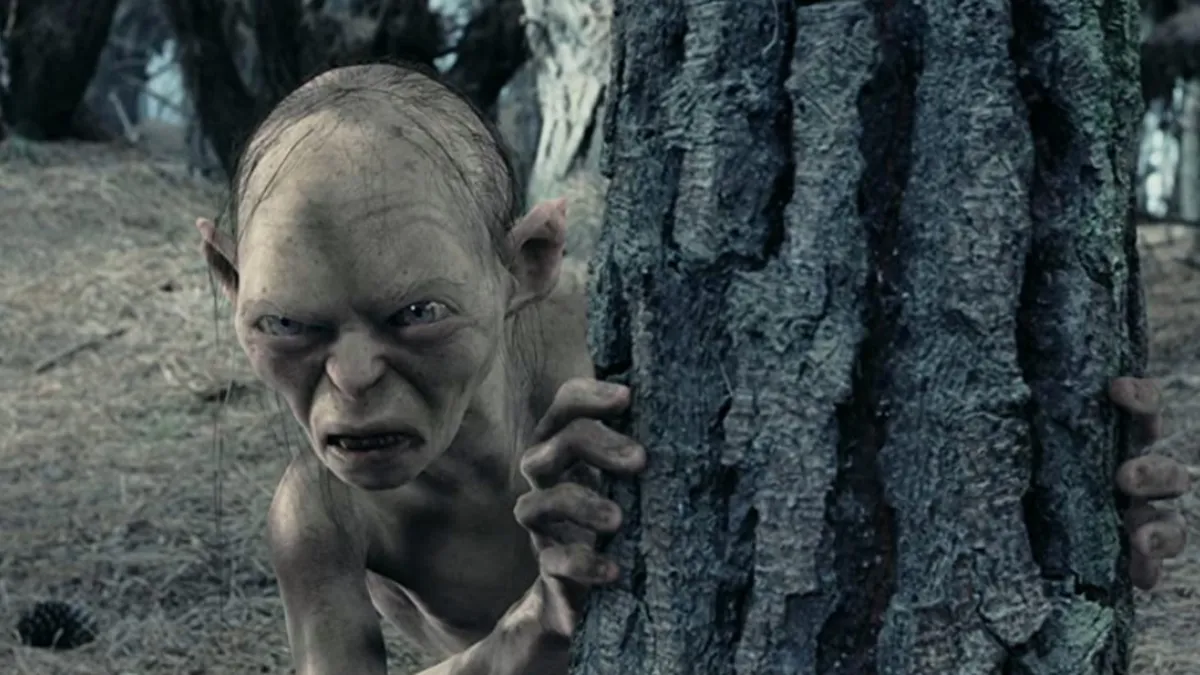
Once the rights for The Lord of the Rings fell to Warner Bros., the franchise-creating efforts really kicked off. I have a soft spot for the first Hobbit movie in Jackson’s second Tolkien trilogy, for the reason that it adapted the novel (which is much shorter than The Lord of the Rings and was originally written for children) quite well. However, by the third movie, the new films were a jumble of new characters, cameos, a romance that didn’t work, and Tolkien’s appendices scattered around the plot.
While I’m also dreadfully excited about The Hunt for Gollum and will be likely watching more than once when it releases in 2027, the fact that its adapting a very short period of time covered in the book, also makes me nervous that instead of working in harmony with the source material like the original trilogy did, we are going to see another cinematic case of putting quantity over the art of storytelling. I’m very hopeful that, since it’s planned as a single movie instead of multiple, we’ll have another Tolkien adaptation to add to the list of the best fantasy movies of all time (fingers crossed).
Tolkien took decades to write his book; he defined fantasy as we know it today, and the movies that honored that and weren’t concerned with prolonging a franchise or setting one up also ended up being some of the best films to ever exist. The original Lord of the Rings trilogy still makes my heart race – it fills me with joy and wonder as I witness the beautiful New Zealand landscapes and thrilling battle sequences.
I may be wrong in my assertion that we’ll never see anything like them again. However, right now I can confidently say that they are the greatest adaptations in cinematic history and have set the bar extremely high, especially during a time when we’ve seemingly forgotten to write with the screen in mind rather than our “greedy Hobbitses” pockets.
The Lord of the Rings 25th anniversary re-release is out now in theaters. For more on what to watch, check out the rest of our Big Screen Spotlight series. You can also head to our guide on The Lord the Rings timeline for more Middle-earth fan.
Source link
