

In an evolving health landscape, emerging research continues to highlight concerns that could impact everyday wellbeing. Here’s the key update you should know about:
Most lab studies on microplastics rely on high doses and simplified conditions, raising questions about how accurately they reflect real-world human exposure and health risks.
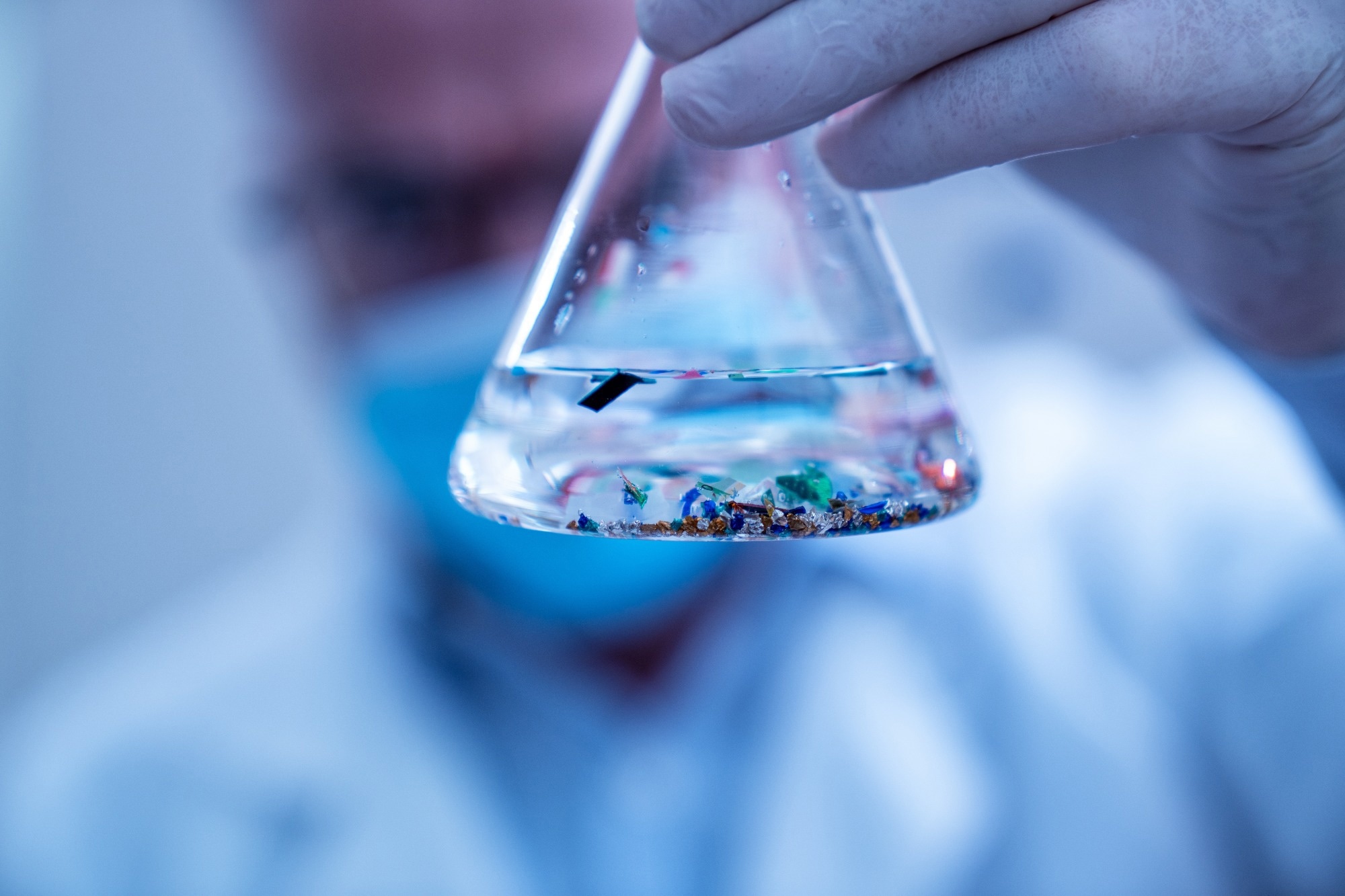
Study: Gaps between Laboratory Experiments and Real-World Exposure: Toxicological Assessment of Microplastics Is Based on Inadequate Evidence. Image credit: Floren Horcajo/Shutterstock.com
A recent Environment and Health perspective, combining a systematic literature review and meta-analysis, evaluated methodological gaps in microplastic toxicological research and proposed an interdisciplinary framework to align laboratory methods with real-world exposure conditions.
Why Lab Evidence on Microplastics Often Fails to Reflect Real-World Risk
Microplastics (MPs) are found everywhere, from ocean sediments and agricultural soils to human blood, lung tissue, and arterial plaques. Several toxicological and epidemiological studies have reported associations between MPs and potential health effects, including oxidative stress, chronic inflammation, neurotoxicity, and associations with elevated cardiovascular risk. However, the paper emphasizes that current epidemiological evidence remains largely correlational rather than demonstrating direct causation. However, the research informing these assessments has a core limitation.
Identifying Methodological Discrepancies Between Controlled Exposure Studies and Real-World Conditions
The gap between controlled laboratory conditions and real-world exposure had long been recognized, yet was not comprehensively quantified or addressed with integrated practical frameworks. The current study mapped the scale of these methodological shortcomings across published research and built a practical framework using analytical chemistry and artificial intelligence (AI) to make future studies more relevant to real-world environments.
After removing duplicates, 88 studies were included. Meta-analysis highlighted considerable disparities between MP toxicity experiments and real-world conditions, including a significant overrepresentation of polystyrene, which appeared in nearly half of all studies despite the diverse composition of environmental MPs. Most studies used short-term exposures ranging from 0 to 21 days, overlooking chronic effects. Approximately 64 % of studies focused on small particles (0–10 μm), ignoring the broader environmental size distribution.
Model selection and exposure design compounded these disparities further. Model organisms skewed toward insects and arthropods, exhibiting limited cross-ecosystem generalizability, as many studies failed to replicate coexposure to co-occurring pollutants and MP aging in laboratory settings.
Bioavailability, governed by polymer type, size, shape, surface chemistry, and weathering state, was similarly misrepresented. Irregular morphologies showed greater tissue penetration and stronger oxidative stress responses, yet the parameters governing their toxicity remained unresolved, and no morphological standards existed for environmentally realistic MPs.
Exposure quantification remained a critical gap. Laboratory concentrations were routinely 10² to 107 times higher than environmental levels, and adverse effects were rarely observed at environmentally relevant doses. The absence of standardized metrics further confounded assessments.
Environmental aging may introduce additional toxicity pathways that have been largely absent in laboratory models. UV-driven photo-oxidation, the primary degradation mechanism, released polymer-specific toxic volatile organic compounds (VOCs), yet the paper notes that no studies have quantified VOC release during light aging in real environmental conditions. Loosely bound additives, including flame retardants, plasticizers, and antimicrobials, leached readily into surrounding media and could accumulate through biomagnification.
Microplastics also act as environmental vectors, adsorbing polycyclic aromatic hydrocarbons, polychlorinated biphenyls, heavy metals, and antibiotic-resistant microorganisms via the so-called Trojan horse effect. Polyamide (PA) shows the highest heavy-metal adsorption capacity, which is governed by surface functional groups and physicochemical conditions.
Accurate biomonitoring of microplastic exposure remained constrained by the absence of standardized sampling, extraction, and quantification methods. Each available analytical tool carried inherent limitations, and contamination from plastic instruments in clinical settings could not be reliably distinguished from the true signal.
Emerging approaches such as single-particle inductively coupled plasma mass spectrometry (SP-ICP-MS) and pyrolysis-gas chromatography-mass spectrometry (Py-GC/MS) offer improved sensitivity, with Py-GC/MS particularly useful for nanoplastics, but residual impurities and nonplastic pyrolysis products can still generate misleading signals. These gaps meant true human exposure levels remained debated, undermining the design of biologically realistic in vitro experiments.
Strategies to Align Toxicological Research with Environmental Reality
Bridging the gap between laboratory conditions and real-world exposure requires progress across several interconnected fronts. It is important to use MPs from naturally weathered sources, at realistic concentrations and over durations sufficient to capture ecologically significant effects. Grounding future toxicological studies in this relevance is essential to informing sound environmental management policy.
Reference materials must move beyond monodisperse spherical particles toward irregularly shaped, functionalized standards that incorporate surface oxidation, pollutant loading, and biofilm coating, more faithfully reflecting actual environmental conditions.
Long-term, low-dose exposure protocols are equally critical, given microplastics’ chemical inertness and ubiquity. Studies spanning days to months are needed to capture combined toxicity in both soil and aquatic organisms, supported by epidemiological monitoring and correlation with health data.
Beyond exposure design, mechanistic modeling must account for microplastics acting as both physical stressors and vectors for chemical contaminants. This includes dissolution kinetics under variable pH, temperature, and microbial conditions; nanoplastic (NP) transport across biological barriers, such as the blood-brain barrier. The role of the “eco-corona”, which is a surface layer of sequentially adsorbed organics and pollutants, must be considered in altering immune recognition and chronic inflammation.
Microphysiological systems, including microfluidic organ chips and human induced pluripotent stem cell (hiPSC)-derived 3D organoids, combined with multiomics approaches, offer powerful platforms for high-throughput mechanistic screening under realistic exposure conditions.
On the detection side, in situ online tools, such as Raman and infrared spectroscopy, flow cytometry with fluorescent labeling, surface-enhanced Raman scattering (SERS), hyperspectral imaging, laser-induced breakdown spectroscopy (LIBS), and pyrolysis mass spectrometry, enable real-time, field-deployable analysis across complex matrices, including wastewater, sludge, and sediments. Combining single-particle hyperspectral Raman imaging and nanoscale secondary ion mass spectrometry (NanoSIMS) further extends resolution to the cellular level, enabling contaminant tracking and heterogeneity analysis across particle populations.
Artificial intelligence (AI) and machine learning (ML) are consolidating these advances into predictive risk frameworks. ML and deep learning (DL) automate particle identification and classification, while transfer learning (TL) bridges model organism data to human organ-specific toxicity prediction. Multidimensional ensemble models integrating physicochemical properties, environmental aging, and co-pollutant interactions are advancing microplastic risk assessment from single-factor toward dynamic, multifactorial analysis.
Conclusions
Microplastic pollution represents a pressing global environmental and public health concern, yet persistent gaps between laboratory conditions and real-world exposure scenarios continue to undermine the reliability of toxicological evidence. Quantitative human exposure data remain scarce, the health effects of chronic low-dose exposure and copollutants are poorly understood, and experimental approaches continue to diverge from environmental reality.
Importantly, current evidence has not established direct causal links between microplastics and specific human diseases. Bridging these gaps through standardized methods, environmentally realistic study designs, and integrated life cycle assessments is essential to support evidence-based policy and effective regulation.
Download your PDF copy by clicking here.
Journal reference:
-
Zang, Y. et al. (2026) Gaps between Laboratory Experiments and Real-World Exposure: Toxicological Assessment of Microplastics Is Based on Inadequate Evidence. Environment and Health. DOI: https://doi.org/10.1021/envhealth.6c00030. https://pubs.acs.org/doi/10.1021/envhealth.6c00030
