

A secret cell alliance may explain why ovarian cancer is so deadly
Ovarian cancer is the deadliest gynecological cancer, largely because it is usually discovered too late. In most cases, doctors diagnose the disease only after it has already spread widely throughout the abdomen. Although researchers have long known that ovarian cancer progresses rapidly, the biological reason behind this speed has remained unclear.
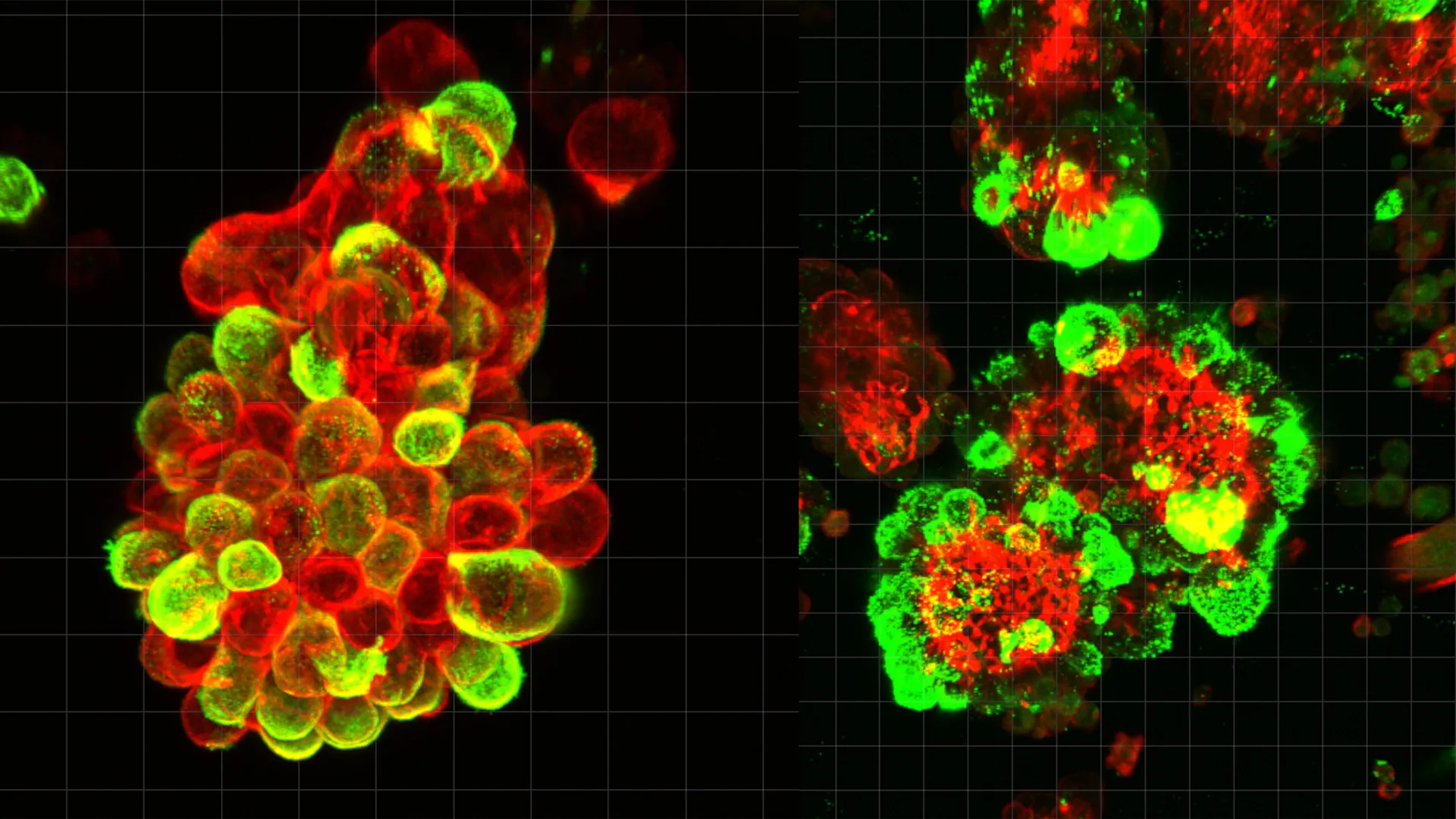
A new study led by Nagoya University now sheds light on this long-standing mystery. The research, published in Science Advances, shows that ovarian cancer cells do not act alone. Instead, they enlist help from mesothelial cells, which normally serve as a protective lining inside the abdominal cavity. These mesothelial cells move ahead of the cancer cells, creating pathways that cancer cells then follow. Together, they form hybrid cell clusters that are more resistant to chemotherapy than cancer cells by themselves.
Cancer Cells Form Hybrid Clusters in Abdominal Fluid
To understand how this happens, researchers analyzed abdominal fluid from patients with ovarian cancer. What they found challenged previous assumptions. Cancer cells were rarely drifting freely on their own. Instead, they frequently attached themselves to mesothelial cells, forming compact, mixed cell spheres.
The researchers estimated that roughly 60% of these cancer spheres included recruited mesothelial cells. The cancer cells release a signaling molecule known as TGF-β1, which alters the mesothelial cells. In response, the mesothelial cells develop sharp, spike-like protrusions capable of cutting through surrounding tissue.
How Ovarian Cancer Moves Through the Abdomen
As ovarian cancer grows, some cells detach from the main tumor and enter the fluid-filled space within the abdomen. This fluid is constantly in motion due to normal breathing and body movement. As a result, cancer cells are carried to many different areas of the abdominal cavity.
This method of spread differs sharply from that of many other cancers. In diseases such as breast or lung cancer, tumor cells enter blood vessels and travel through the bloodstream to distant organs. Because blood flows through defined pathways, doctors can sometimes monitor these cancers using blood tests.
Ovarian cancer cells largely bypass blood vessels. Instead, they drift through abdominal fluid that lacks a predictable route. This floating phase occurs before the cells attach to new organs. Until now, scientists did not fully understand what occurred during this stage or how cancer cells coordinated their spread so efficiently.
Invadopodia Drive Tissue Invasion
The research team found that during this floating stage, ovarian cancer cells actively recruit mesothelial cells that have naturally shed from the abdominal lining. Once joined together, the two cell types form hybrid spheres. The mesothelial cells then produce invadopodia, which are spike-like structures that drill into nearby tissue.
These hybrid spheres pose a particular threat. When they reach an organ, they invade tissue more rapidly and withstand chemotherapy drugs more effectively than cancer cells alone.
Watching Cancer Spread in Real Time
Using advanced microscopy, the scientists were able to observe this process directly in abdominal fluid samples from patients. They validated their observations with experiments in mouse models and by analyzing gene activity at the single-cell level.
Lead author Dr. Kaname Uno, a former PhD student and current Visiting Researcher at Nagoya University’s Graduate School of Medicine, explained that the cancer cells themselves remain relatively unchanged. “They manipulate mesothelial cells to do the tissue invasion work. They undergo minimal genetic and molecular changes and just migrate through the openings that mesothelial cells create.”
Before entering research, Dr. Uno spent eight years working as a gynecologist. One patient profoundly shaped his decision to pursue this line of study. She had received normal screening results just three months before doctors diagnosed her with advanced ovarian cancer. Existing diagnostic tools failed to detect the disease early enough to save her life. That experience motivated Dr. Uno to investigate why ovarian cancer spreads so quickly and escapes early detection.
New Opportunities for Treatment and Monitoring
The findings point to potential new approaches for treating ovarian cancer. Current chemotherapy drugs focus on destroying cancer cells but do not target the mesothelial cells that assist in invasion. Future therapies could aim to block the TGF-β1 signal or prevent the formation of these harmful cell partnerships.
The study also suggests a possible new way to track the disease. Monitoring these hybrid cell clusters in abdominal fluid could help doctors better predict how ovarian cancer will progress and how patients respond to treatment.
Ovarian cancer kills more women than any other gynecological cancer. Most patients receive their diagnosis only after the disease spreads throughout the abdomen. Until now, scientists have never fully understood why this cancer advances so fast.
A new study led by Nagoya University explains why. Published in Science Advances, the study shows that cancer cells recruit help from protective mesothelial cells that normally line the abdominal cavity. Mesothelial cells lead the invasion and cancer cells follow the pathways they create. These hybrid cell clusters resist chemotherapy better than cancer alone.
Researchers examined abdominal fluid from ovarian cancer patients and found something unexpected. Cancer cells do not float alone in the abdominal cavity. Instead, they often grab onto mesothelial cells and form hybrid spheres. About 60% of all cancer spheres contain these recruited mesothelial cells. The cancer cells release a protein called TGF-β1 that transforms the mesothelial cells and causes them to develop spike-like structures that cut through tissue.
Invadopodia, spike structures that do the digging for cancer
When ovarian cancer develops, cancer cells break off from the tumor. These cells enter the abdominal fluid and float freely. The fluid moves around as you breathe and move your body. This movement carries the cancer cells to different spots in the abdomen.
Most other cancers spread differently. Breast cancer or lung cancer cells enter blood vessels. They travel through the bloodstream to reach distant organs. Doctors can sometimes track these cancers through blood tests because blood moves in predictable paths through vessels.
Ovarian cancer cells avoid blood vessels entirely. They float in fluid that has no fixed path. This floating stage happens before the cancer cells attach to new organs. Scientists did not fully understand what happened during the floating period or how cells worked together to spread cancer so quickly.
The research team discovered that cancer cells recruit protective mesothelial cells that have shed from the abdominal cavity lining during this floating stage. The two cell types stick together and form hybrid spheres. The mesothelial cells then grow invadopodia, spike-like structures that drill into surrounding tissue. The hybrid spheres resist chemotherapy drugs more effectively and invade tissues faster when they land on organs.
Outsourcing the hard work of cell invasion
The researchers examined abdominal fluid from ovarian cancer patients using advanced microscopy to watch this process in real time. They confirmed their findings with mouse models and single-cell genetic analysis.
Lead author Dr. Kaname Uno, a former PhD student and current Visiting Researcher at Nagoya University’s Graduate School of Medicine, explained that the cancer cells do not need to become more invasive themselves. “They manipulate mesothelial cells to do the tissue invasion work. They undergo minimal genetic and molecular changes and just migrate through the openings that mesothelial cells create.”
Dr. Uno worked as a gynecologist for eight years before he pursued research. One of his patients changed his career path. She had clear screening results just three months before doctors found advanced ovarian cancer. Current medical tools failed to detect the cancer early enough to save her life. This motivated Dr. Uno to investigate why ovarian cancer spreads so rapidly.
This discovery opens new treatment possibilities. Current chemotherapy targets cancer cells but ignores the mesothelial accomplices. Future drugs could block the TGF-β1 signal or prevent the formation of these dangerous partnerships. The research also suggests that doctors could monitor these cell clusters in abdominal fluid to predict disease progression and treatment response.
Source link
