

Pentagon Signals Rare Domestic Readiness
The Department of Defense has placed roughly 1,500 active-duty Army soldiers on standby for possible deployment to Minnesota following escalating unrest in Minneapolis tied to federal immigration enforcement operations and a fatal shooting involving an ICE agent. Defense officials confirmed the troops were given prepare-to-deploy orders as a contingency measure after President Donald Trump publicly warned the federal government could invoke the Insurrection Act if local authorities failed to maintain order.
According to defense reporting, the soldiers are assigned to the Army’s 11th Airborne Division based in Alaska. The unit specializes in rapid response in extreme winter conditions and maintains the logistical capability to deploy quickly inside the United States if directed. Pentagon officials emphasized that no deployment order has been issued, and the move reflects readiness planning rather than an active mission.
The decision nonetheless represents a serious federal posture. Active duty troop readiness for domestic unrest remains rare and typically signals that civilian authorities are closely monitoring the possibility of invoking extraordinary legal authority.
Fatal ICE Encounter Triggers Protests
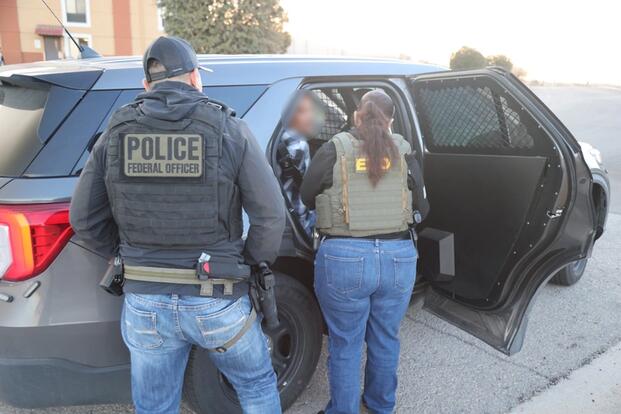
The unrest followed a January demonstration in Minneapolis during which an Immigration and Customs Enforcement agent fatally shot a local resident. The shooting immediately sparked protests that expanded into broader demonstrations against ICE and Department of Homeland Security operations in the region. Protesters accused federal agents of aggressive tactics and racial profiling during recent enforcement efforts, turning the incident into a rallying point for opposition to federal immigration policy.
Demonstrations spread across Minneapolis over several days, with clashes between protesters and federal officers intensifying tensions. Civil liberties groups quickly filed suit alleging constitutional violations, arguing that federal immigration agents engaged in unlawful detentions during crowd-control operations. A federal judge later issued restrictions barring agents from detaining individuals who were not committing crimes or obstructing federal activity.
As the demonstrations have grown, some confrontations have moved beyond slogans into coercion and street violence. Reuters reported that hundreds of anti-ICE protesters confronted and chased away a small pro-ICE group from downtown Minneapolis, with scuffles as the crowds collided. Counter protesters have also allegedly forced at least one person they believed to be pro-ICE to remove clothing portraying an American flag that they deemed objectionable, and video from the scene showed individuals being pursued through city streets as tensions spiked. Jake Lang also appeared with visible injuries after attending a protest and claimed someone tried to stab him, but his protective vest prevented serious harm.
Trump’s Insurrection Act Warning Raises Stakes
As tensions have increased, Trump stated he would consider invoking the Insurrection Act if unrest threatened federal property or overwhelmed Minnesota authorities. The statute allows the president to deploy active duty forces domestically when rebellion or civil disorder obstructs the execution of federal law and local authorities cannot restore order.
Defense officials linked the Pentagon’s standby posture directly to those statements. Presidents historically reserve the Insurrection Act for extreme crises, so even preparing troops for that possibility reflects heightened federal concern and political tension.
Walz Mobilizes Minnesota National Guard Under State Authority
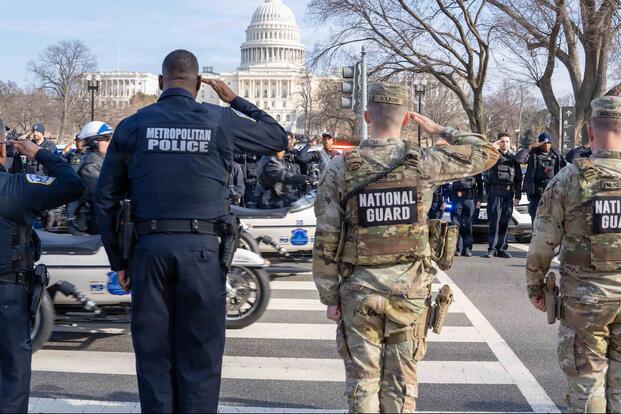
Despite strong criticism of ICE and opposition to federal escalation, Minnesota Governor Tim Walz activated the Minnesota National Guard in a state readiness posture. Walz signed an executive order authorizing Guard deployment to support civil authorities if protests threatened public safety, stating Minnesota must remain prepared to protect residents and infrastructure.
Local reporting confirmed Walz issued a warning order directing Guard units to stage and prepare for possible assignments across Minneapolis and the surrounding areas.
Walz made clear that Minnesota did not request federal troops and maintained that the Guard would operate strictly under state control. In public statements, he emphasized that staging the Guard does not signal support for federal immigration enforcement but rather ensures Minnesota retains authority over crowd management and emergency response.
This dual posture captures a political contradiction. Walz has repeatedly condemned ICE operations while simultaneously preparing military support to prevent broader instability.
Legal and Political Tensions Deepen
The presence of federal immigration officers alongside state Guard readiness has intensified debates over jurisdiction and constitutional limits. Civil rights advocates argue that deploying or even staging military forces during protest activity risks chilling lawful expression and exacerbating community distrust. Minnesota leaders have warned that federal threats to invoke the Insurrection Act undermine state sovereignty and raise fears of militarized enforcement.
At the same time, federal officials maintain that troop preparedness is a lawful contingency if violence threatens federal personnel. The standoff highlights a recurring tension in American governance: whether domestic unrest tied to federal actions justifies federal military readiness when state leaders object.
Why Military Readers Should Care
For servicemembers and veterans, the Minnesota situation reflects broader questions about domestic military roles. Active duty troops remain legally restricted from policing civilians absent presidential invocation of extraordinary authority. National Guard forces under state control often serve as the first military buffer in civil disturbances, tasked with protecting property and supporting law enforcement without replacing civilian governance.
The Pentagon’s standby order demonstrates how quickly protest environments can trigger military contingency planning. Even without deployment, such readiness signals institutional concern and reveals how civil unrest intersects with national security decision-making.
Current Status and What Comes Next
As of now, no active-duty troops have deployed to Minnesota. The Alaska-based soldiers remain on standby, while Minnesota’s National Guard stays staged under state authority. Federal immigration operations continue under court-imposed limits, and protests persist at lower intensity.
Future escalation would likely depend on three factors: whether protests intensify, whether federal agents claim threats to facilities, and whether the White House formally invokes the Insurrection Act. Until then, Minnesota stands in a rare position where both state and federal military forces remain poised without crossing the line into active domestic deployment.
The standoff leaves an uneasy balance in place: a governor who opposes federal immigration policy but has activated the Guard to control fallout, and a Pentagon that has prepared troops in case Washington chooses to intervene directly.
Source link
