

AIG Hospitals in Gachibowli begins personalised microbiome therapies
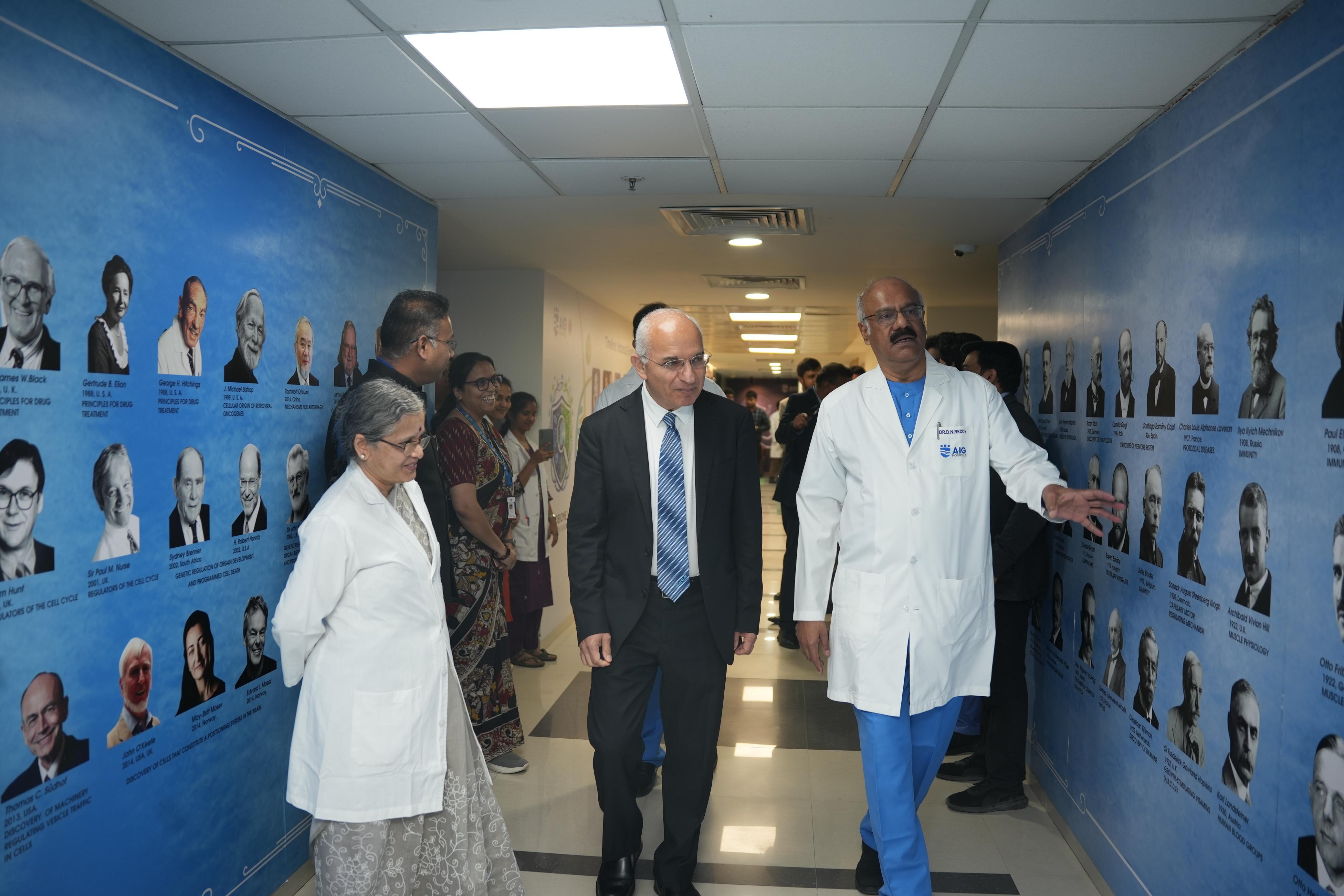
Hyderabad: AIG Hospitals inaugurated the Centre for Microbiome Research India, a first-of-its-kind integrated facility, dedicated to advancing gut-microbiome-based therapeutics.
The centre aims to transform the treatment of Chronic Gastrointestinal (GI) diseases by shifting the focus from symptom management to restoring the body’s internal microbial ecosystem.
The facility was formally inaugurated by Prof. Emad El-Omar, Editor-in-Chief of the prestigious journal Gut and Director of the Microbiome Research Centre at UNSW, Sydney. Prof. El-Omar will also join the institution as a Special Scientific Advisor.
Restoring the ‘hidden organ’
The human gut houses trillions of bacteria that function as a ‘hidden organ,’ essential for immunity and digestion. In patients with chronic GI conditions, this balance is often disrupted—a state known as dysbiosis—leading to persistent inflammation.
Unlike traditional treatments that rely heavily on immunosuppression, the new centre will focus on personalised microbiome therapies.
By profiling an individual’s unique bacterial signature, clinicians can design targeted interventions to promote beneficial microbes and suppress harmful ones, potentially offering long-term relief with fewer side effects.
A high-tech research ecosystem
Located within AIG’s Gachibowli campus, the centre is designed as a collaborative hub for clinicians, wet-lab scientists and computational biologists.
Key infrastructure includes:
1. Next-Generation Sequencing (NGS): High-throughput platforms for rapid microbial profiling.
2. Bioinformatics Suite: Advanced computational tools to analyse complex host-microbe interactions.
3. Biorepository: Ultra-low-temperature (-80°C) storage for long-term clinical data and sample tracking.
The research will initially target high-prevalence conditions in India, including Inflammatory Bowel Disease (IBD), fatty liver disease, obesity and pancreatitis.
Focus on Indian microbiome signatures
Dr D Nageshwar Reddy, chairman of AIG Hospitals, emphasised the necessity of generating domestic data rather than relying on Western research models.
“India’s unique genetic diversity and dietary patterns mean we must study our own microbiome signatures,” Dr Reddy stated. “This centre is about building knowledge that is relevant and impactful for our specific population.”
Prof El-Omar echoed this sentiment, noting that AIG’s model of integrating clinical insights with wet-lab and computational science could accelerate the global development of microbiome-based drugs.
From lab to bedside care
The Centre for Microbiome Research India plans to inform future clinical guidelines and contribute to early risk stratification for metabolic disorders. The gap between laboratory discovery and bedside care will be bridged through this centre.
Source link
