

Burnt by an Iran setting the region ablaze, Gulf also blames Israel for starting the fire
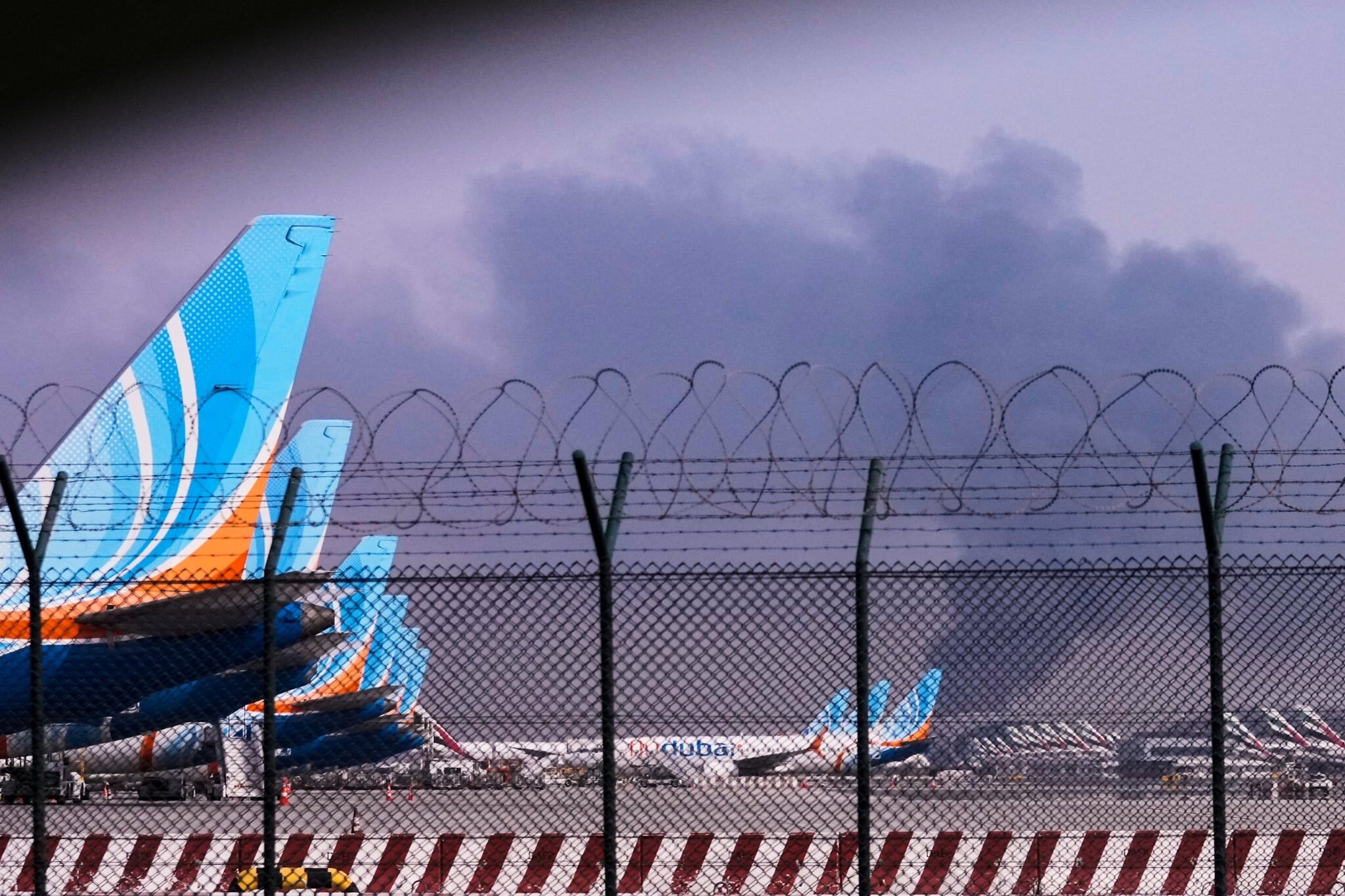
Speaking to Abdulla al-Junaid, a well-known Bahraini journalist, one gets the sense of the appreciation he feels for Israel, alongside his distaste for Iran and the attacks it has launched against the Gulf, including his hometown of Manama.
Al-Junaid describes the drone and missile attacks launched by Tehran as “Iran’s stupidest decision.” But he doesn’t think Israel is much smarter, accusing Prime Minister Benjamin Netanyahu of launching the war in service of his expansionist vision, with no real benefit for the region.
“I believe this is definitely not the right war, not the right time,” he told The Times of Israel by phone recently.
The view reflects a broader mood across the Gulf, where a clear rejection of Iran exists alongside dissatisfaction with those fighting Iran — the United States and Israel.
Bahrain is one of several Gulf countries that sit on Iran’s doorstep and have come under heavy Iranian attack since the US and Israel began attacking the Islamic Republic on February 28. Also under assault are Qatar, Saudi Arabia, the United Arab Emirates, Kuwait and Oman, among others.
As of March 13, according to the Saudi-owned Al-Arabiya network, Iran had launched 850 missiles and 2,650 drones toward Gulf states. The strikes have killed at least a dozen civilians in Gulf countries, most of them migrant workers.
According to al-Junaid, despite the deaths and the frequent attacks, life in the small Gulf kingdom is continuing largely as normal.
“There was a moment of shock when the Iranians began attacking, but the shock passed, and we continue to live normally,” he said, noting that Bahrainis were relying on the country’s air defense capabilities.
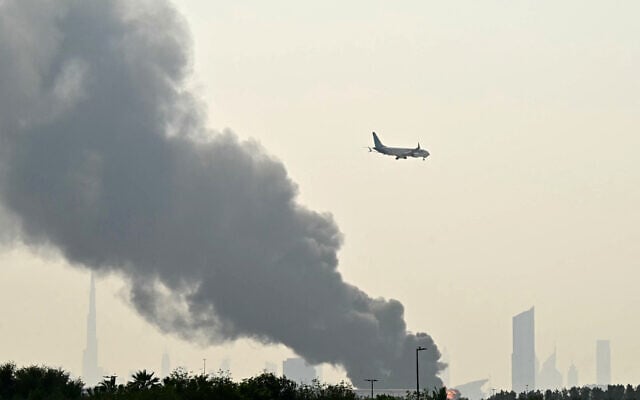
He noted that one of the two people killed in Bahrain was a young woman who was at a cafe with friends when she was hit by debris following a drone strike on an office tower above her. The fact that she was out and about shows that the general public does not appear overly fearful of the strikes, he said.
For many Gulf countries, which trade on their image as islands of stability, there is an inherent interest in projecting the idea of business as usual even as war rages around them.
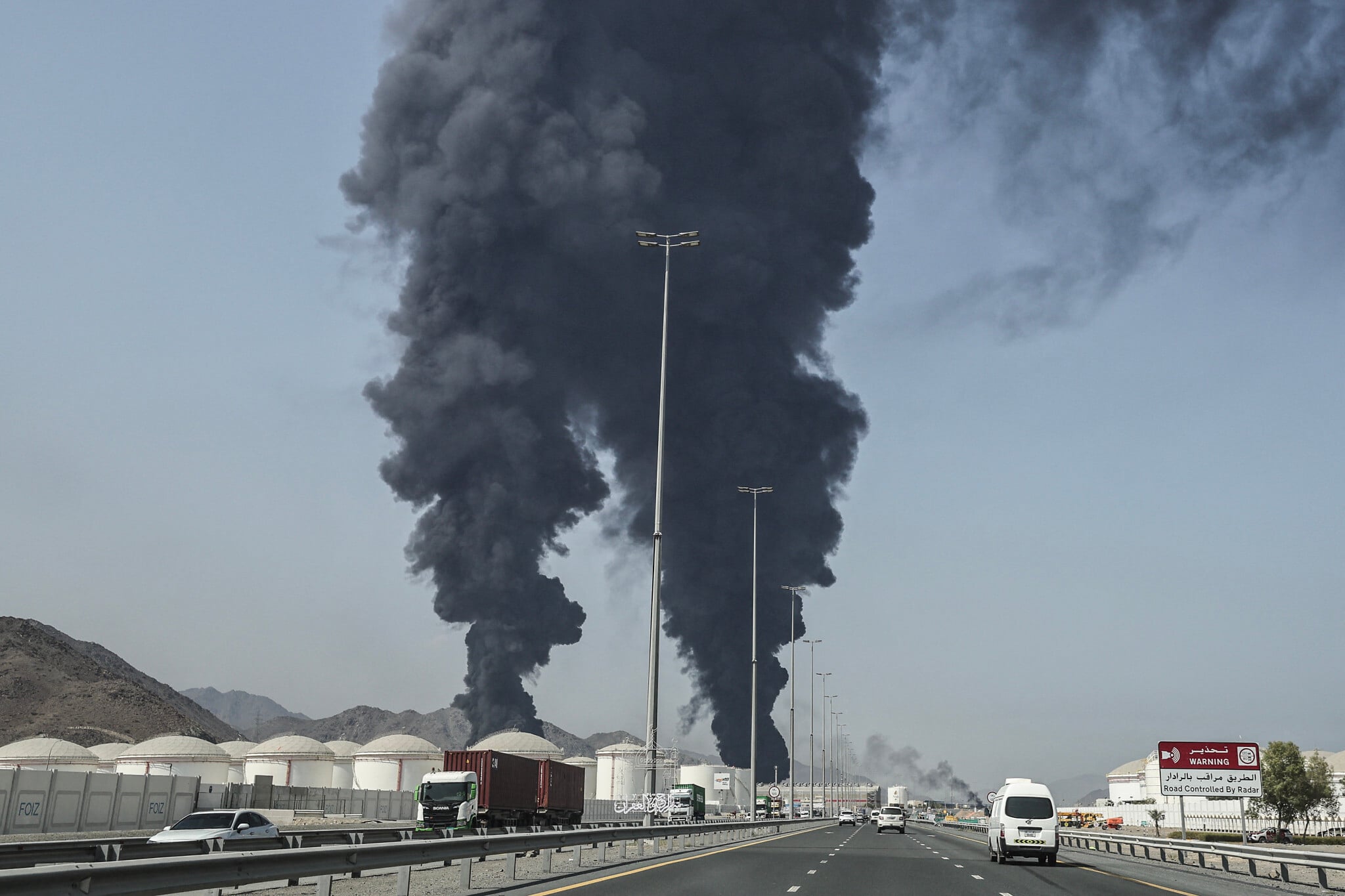
Most Gulf countries have tightened their already-robust media restrictions, including trying to censor pictures and videos of strikes or damage in an attempt to keep a lid on the extent of havoc caused by Iran’s attacks.
The countries are already at risk due to the oil shocks stemming from Iran’s move to block the Strait of Hormuz, a crucial export channel for Gulf energy, as well as concerns that strikes could damage oil facilities and slow production.

Al-Junaid insisted that Gulf states are capable of managing risks to oil production, noting that the price per barrel remained below $100, aside from when jittery traders caused it to spike.
“We understand our role in stabilizing the energy market,” he said.
Salem Alketbi, an Emirati political analyst, told The Times of Israel that while there is concern in the United Arab Emirates about the situation, it has not reached the level of panic.
“The government moved quickly to protect infrastructure, and daily life continues as usual,” he said.

The message that life is continuing normally has also been voiced at the highest levels.
While visiting wounded victims of Iranian attacks at a hospital earlier this month, UAE President Sheikh Mohammed bin Zayed underscored the atmosphere of business as usual, saying that “the UAE is doing well.”
Collapse of the Iran concept
But even though the Gulf countries are claiming everything is all right, statements by senior officials across the Gulf since the outbreak of the war make clear that they are not okay with what Tehran is doing, and in fact are deeply angry.
In Qatar, home to a major US military base, the prime minister spoke out sharply, telling Sky News that Iran’s strike created a “great sense of betrayal.”
Michael Milshtein, a researcher at Tel Aviv University who has been in close contact with sources in the Gulf, said the prevailing mood had moved beyond anger and shock to a reassessment of their relationships with Iran.
“There is a real sense there that a long-standing concept has collapsed,” he said. Gulf states believed they could contain the “Iranian tiger” — maintaining a certain level of functional relations in order to avoid harm in the event of an Israel-Iran war, he noted.
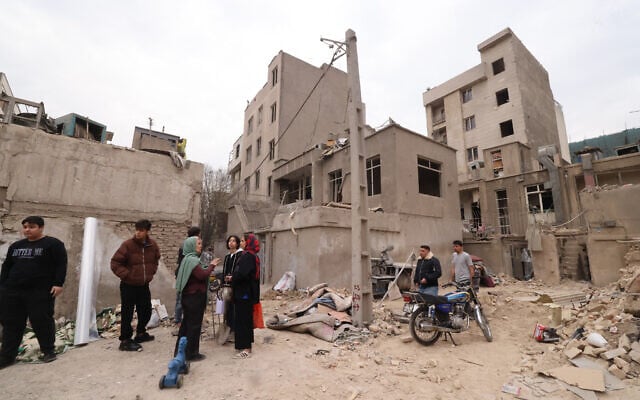
This approach was not born of affinity toward Iran, but rather from a desire to safeguard their oil production capabilities. Now “that bubble has burst,” Milshtein said.
The shifting dynamic is especially relevant for Qatar, which had been closer to Iran than many of the other Gulf countries, al-Junaid pointed out. While most Sunni Gulf countries have eyed Iran warily over recent decades, and only recently began to move toward rapprochement, Qatar forged a different path, maintaining a strong relationship with Tehran and presenting itself as a key mediator thanks to its ability to straddle ties with both the West and elements hostile to it, including the Hamas terror group.
“The Qataris have discovered lately exactly what Iran really stands for, just like Hamas and the rest,” he said.

Before the war, Al Jazeera maintained a relatively cautious tone toward Iran due to the network’s broader anti-Israel editorial line and Qatar’s ties with Tehran. Now the valence has moved sharply.
When Iran’s deputy prime minister appeared on the network, he was not lobbed softballs but rather pressed repeatedly about what Iran was hoping to achieve by attacking the Gulf.
At one point, the presenter confronted him directly, asking: “How long will Iran continue attacking its neighbors?”

Statements by senior officials in the region, however, have consistently emphasized the importance of defending their own countries, while avoiding any indication of a desire or intention to strike back at Iran.
Skepticism about regime change
The anger toward Iran is not necessarily leading Gulf states to immediately align themselves with Israel and the United States. If anything, the Gulf is unhappy with those who launched the war and plunged the region into chaos.
According to Milshtein, some in the Gulf are not only annoyed with Israel, but are also expressing frustration with Washington for joining in the attacks, seeing it as a sign of Washington’s favoring Israel over their interests.
Al-Junaid expressed deep skepticism about the war’s ability to improve the situation for Gulf states — or for the region as a whole — particularly in light of Netanyahu’s early statements that the war is aimed at bringing down the Iranian regime.
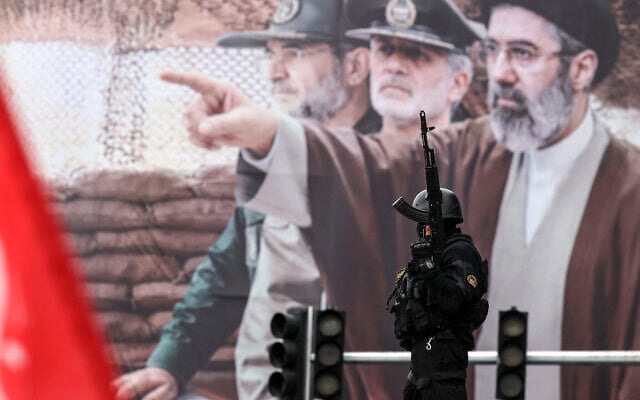
While Gulf countries are not fans of Iran’s leadership, they prefer the stability that comes with having someone in charge over the shambolic situation that may result should the Islamic Republic be toppled.
“Everybody knew, including the US, that sooner or later this regime in Tehran would meet its end at the hands of the Iranians, not through external intervention,” he said, accusing Netanyahu of launching the war in order to burnish his legacy.
According to Milshtein, few in the Gulf believe regime collapse in Iran would necessarily lead to positive outcomes. As a result, the preference in many Gulf capitals is for the regime to remain in place, albeit stripped of the ability to threaten other countries.
“Some people have literally told me: we hate them — the Iranian regime — we wish they were gone,” he said. “But with all due respect, we do not know what the alternative would be.”
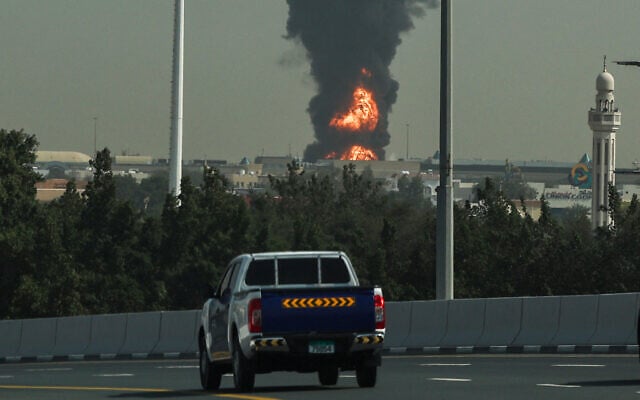
Alketbi said regime change was a non-starter in the Emiratis view.
“The real issue is the policies that have contributed to regional instability in recent years — particularly the use of missiles, drones, and proxy networks,” he said.
Speaking to NBC, UAE Minister of State Lana Nusseibeh conveyed a similar message, stressing that Iran cannot continue to coexist alongside Gulf states while retaining the capability to launch ballistic missiles. Iran’s missile and drone capabilities, she said, should be a central issue in future diplomatic discussions.

US President Donald Trump had floated the idea of striking Iran to protect protesters being slaughtered by the regime, and Iran’s human rights violations have been cited by those in the West who back the war as a step toward regime change.
However, that framing is unlikely to resonate with restrictive Gulf monarchies that critics say have historically shown little commitment to human or civil rights.
With security and stability their primary concern, Gulf countries “want this war to end yesterday, not today,” in al-Junaid’s words.
“A prolonged war in the Gulf would have enormous consequences for energy markets, maritime trade routes, and global economic stability,” Alketbi said. Gulf states therefore support de-escalation, he says.
Moving away from normalization
Unlike the Abraham Accords, which were built on a foundation of shared security interests between Israel and the Gulf, largely vis-à-vis Iran, experts say the current war will not be the trigger for a fresh wave of Arab countries agreeing to diplomatic ties with Israel, as Netanyahu has claimed.
“There will be no normalization as a result of this war — you can forget about that,” al-Junaid said plainly. “If you want to talk about normalization, pick up the phone and talk, or get on a plane and start talking.”
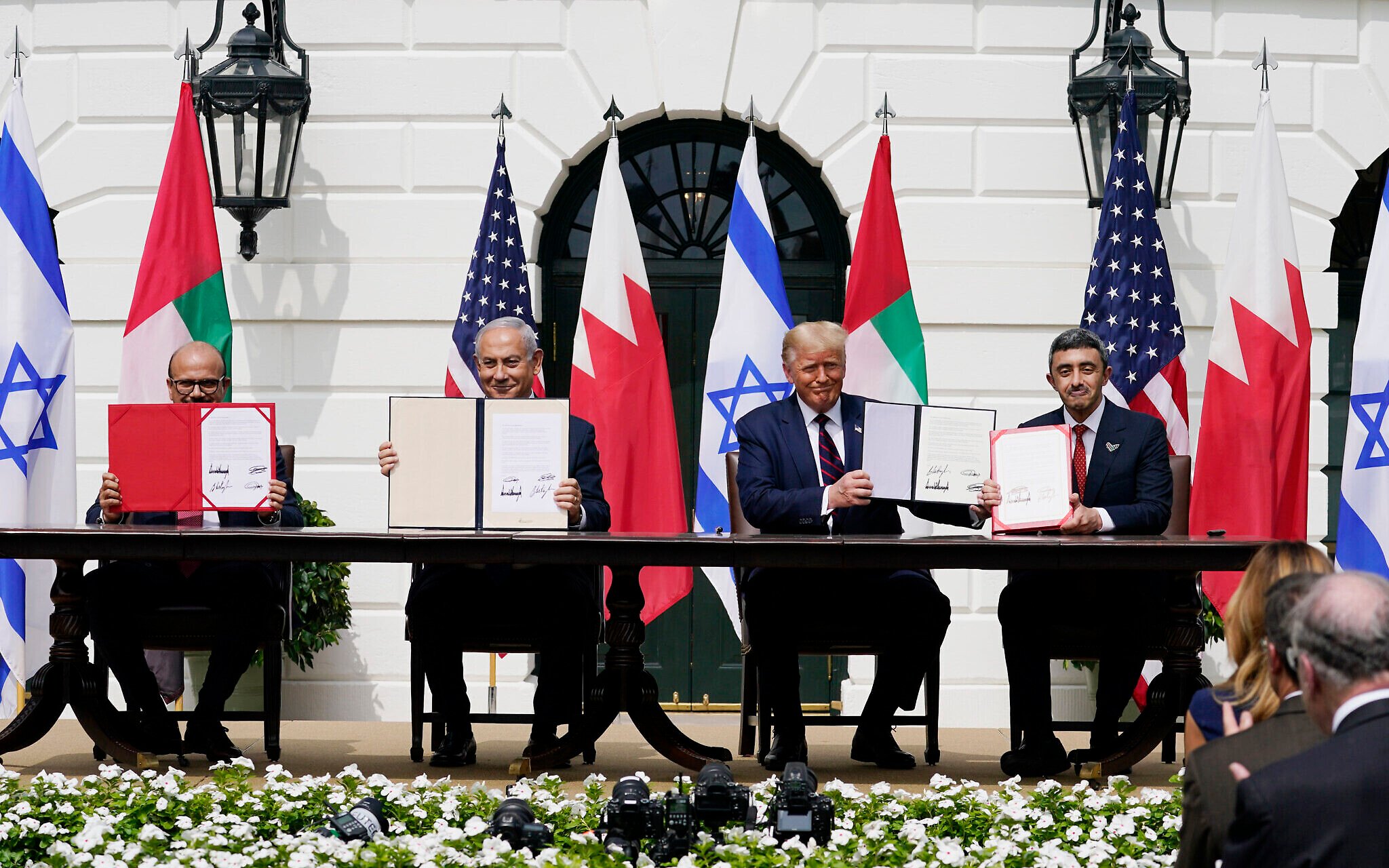
Alketbi allowed that the war could still help pave the way to closer ties, at least on a military level, if not diplomatically.
“Security threats often reshape strategic calculations,” he said. When states face missile and drone attacks, cooperation in areas such as air defense, maritime security, and intelligence sharing naturally becomes more important.”
But he added that Gulf states tend to move cautiously when making major geopolitical decisions such as normalization. Such processes are usually gradual and influenced by broader security considerations.

Milshtein noted that Israel and the Gulf states being on the same side against Iran would not be enough to overcome the Palestinian issue, which Arab countries have demanded progress toward solving before they agree to public agreements.
Before the war, Riyadh demanded that Israeli make significant moves on the Palestinian front before it would agree to establish ties. That position remains unchanged by the war with Iran, Milshtein said.
To al-Junaid, Israel’s strikes on Iran that sent the region spiraling into war did the opposite of helping to integrate it into the region. It set it apart as something outside the united front being displayed across the Gulf in the face of Iran’s attacks.
“Israel should better appreciate — and show appreciation for — being part of this region,” he said.