

Do you really need a full-body health check-up? Senior doctors in Hyderabad warn against ‘irrational’ diagnostic tests
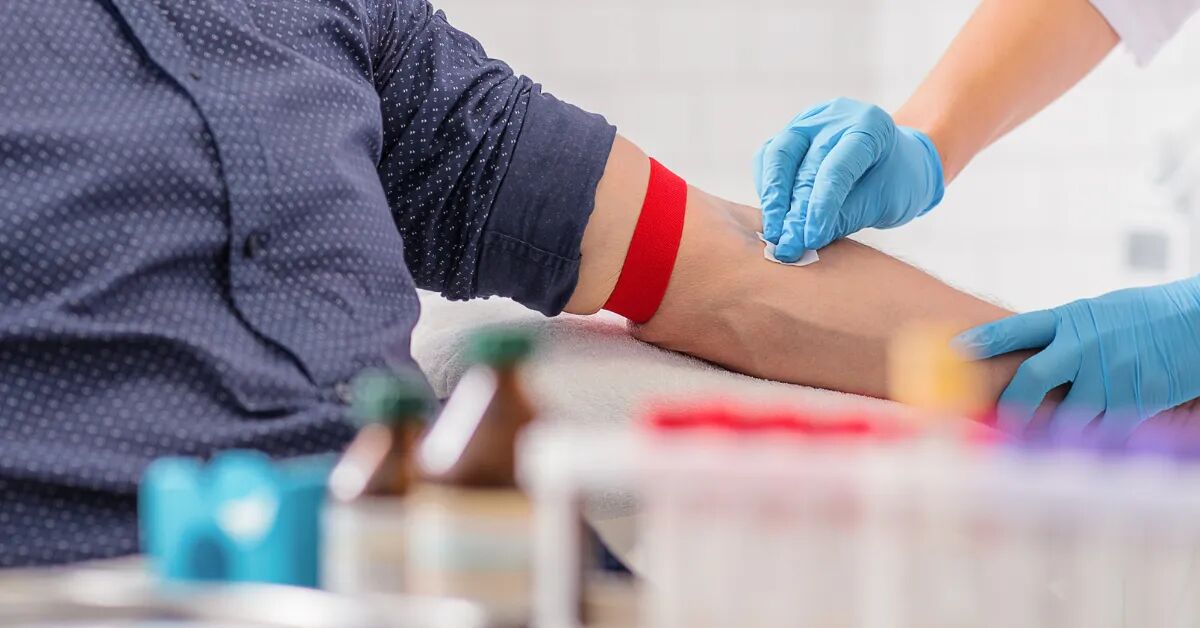
Hyderabad: How many people require a full-body health check-up? With diagnostic centres at every nook and corner of Hyderabad, does everyone need to go for 50-plus tests?
Or is this one of the money-making machines in the healthcare sector?
Senior IMA doctors with more than 50 years of experience say that most of the tests are thrust upon the patients due to an increasing nexus between doctors and diagnostic centres.
This has made the healthcare profession look at the patient as a client rather than treating the person as a diseased body.
Which are the necessary tests?
Dr M Yadagiri Rao, a general physician and former Telangana State IMA general secretary, says, “As much as 75 per cent of the patients who walk to clinics and hospitals require only a complete blood profile, a complete urine examination and blood sugar tests. Only this is the baseline; the rest of the tests should be done only if needed.”
But most of the patients in hospitals constantly complain that they are pushed for extra tests.
What does the NMC report state?
The National Medical Commission (NMC) has asked doctors to opt for evidence-based diagnosis and not ask healthy patients to opt for 50 or 100-plus tests.
In the report about the healthcare sector in 2025, NMC has come down heavily on doctors for suggesting numerous tests on healthy patients.
‘One size fits all’ is not right, as those in their early 20s and 30s do not require these tests, says the report.
It started with the corporates
A senior doctor in Hyderabad says, “Corporate sectors started the trend of health checks of their employees annually and this has led to a mega business venture for hospitals and diagnostic centres. The young do not require a full body health check-up until and unless they have some symptoms or some complaints which are recurring in nature and on those checks that are related to the symptoms. If there is a family history of diseases, then those parameters can be considered, but they too do not require a full body check. Especially exposing healthy adults to radiation and an unwanted diagnosis is not required. For this reason, most corporate employees are opting for these annual checks. Once they get attached to a family physician, most of them give up.”
Doctors explained that most of them in the age-group of 30 to 55 years do not require these annual checks. It is only after 55 years that a specific age-group with predisposed conditions needs to opt for multiple tests, but not complete health checks as it is being advocated.
What are the unnecessary tests?
Executive health check-ups by corporate hospitals have over 100 tests, and these have been termed as irrational prescribing by the NMC.
Healthy adults, below 40 years of age, do not require:
– Vitamin tests
– Inflammatory markers
– Hormonal tests
– Infection screening tests
– Thyroid tests
– Lipid profiles
– Tumour markers
Which tests have been flagged by NMC?
Patients have been put to tests without clinical evidence and these have been flagged by the NMC. These include:
1) CT/MRI scans for simple headaches
2) Whole body PET scans on individuals without there being any sign or cancer diagnosis
3) Prostate tests in men who have no symptoms and are healthy. Prostate tests being included in full-body check-ups is incorrect, say doctors.
Age-specific screening
NMC, in its report, has clearly stated that the screening must be based on the age of the individual and the symptoms. “If there are no symptoms and no clinical diagnosis, unwanted tests must not be recommended by doctors,” says the report.
Validity of tests from ‘affiliated’ diagnostic centres
It has often been noticed that corporate hospitals accept reports of only those diagnostic centres to which they are affiliated.
NMC has made it clear that the diagnostic test reports from accredited laboratories must be considered, and there is no need for retests.
The NMC report states that ‘blood test reports are valid for 15 to 30 days and those doctors/hospitals who order a retest are engaging in unethical commercial practice.’
What can a patient do?
A healthy person often walks away and does not get the extra tests advised by the doctors. It is only those who are in the hospital or in critical care who are not able to reason with the doctors.
A senior IMA doctor says, “If the person is an old patient of the doctor and there are family relations, often the patient is bailed out from the corporate rut. But in most cases, people are seen asking why so many tests are required.”
The alternatives include:
1) Patients opt for a second opinion and get a doctor to speak to the treating doctor.
2) In cancer treatments, a second opinion has become a huge aspect before finalising the treatment. Many patients opt for online consultation with oncologists and speak to hospital boards to verify the treatment modules before opting for the treatment.
3) Risks versus benefits: This is the most important factor, as people must ask if the test will benefit them and if the risk involved is valid.
Radiology is the highest earner
Experts state that in 2025, it was found that CT scan was the largest contributor to the hospital and diagnostic centres in terms of revenue generation.
Next comes the sonography of pregnant women, another revenue generator, as gynaecologists are keen on ‘precision diagnostics.’ It has also been found that there are false negatives and this often leads to mental trauma for the pregnant women, as one false negative leads to a battery of tests which can not only hurt pockets but also lead to physical agony.
What is the way forward?
NMC has issued guidelines for hospitals to opt for diagnosis only if required. But on the ground, the implementation is bare minimum.
A senior doctor explained, “Patients are often left with no other option but a second opinion. Some of them opt for government hospitals if they have no money, or settle for smaller hospitals or smaller private clinics for treatment. It is only at that time that they realise that they have been cheated of their hard-earned money. At this time, the damage is to the medical profession as it is losing out on its reputation. The future of budding doctors is at stake due to these evidence-based practices rather than bedside practice.”
Source link
