

Every 9 minutes, Telangana Tele-MANAS receives call for mental support
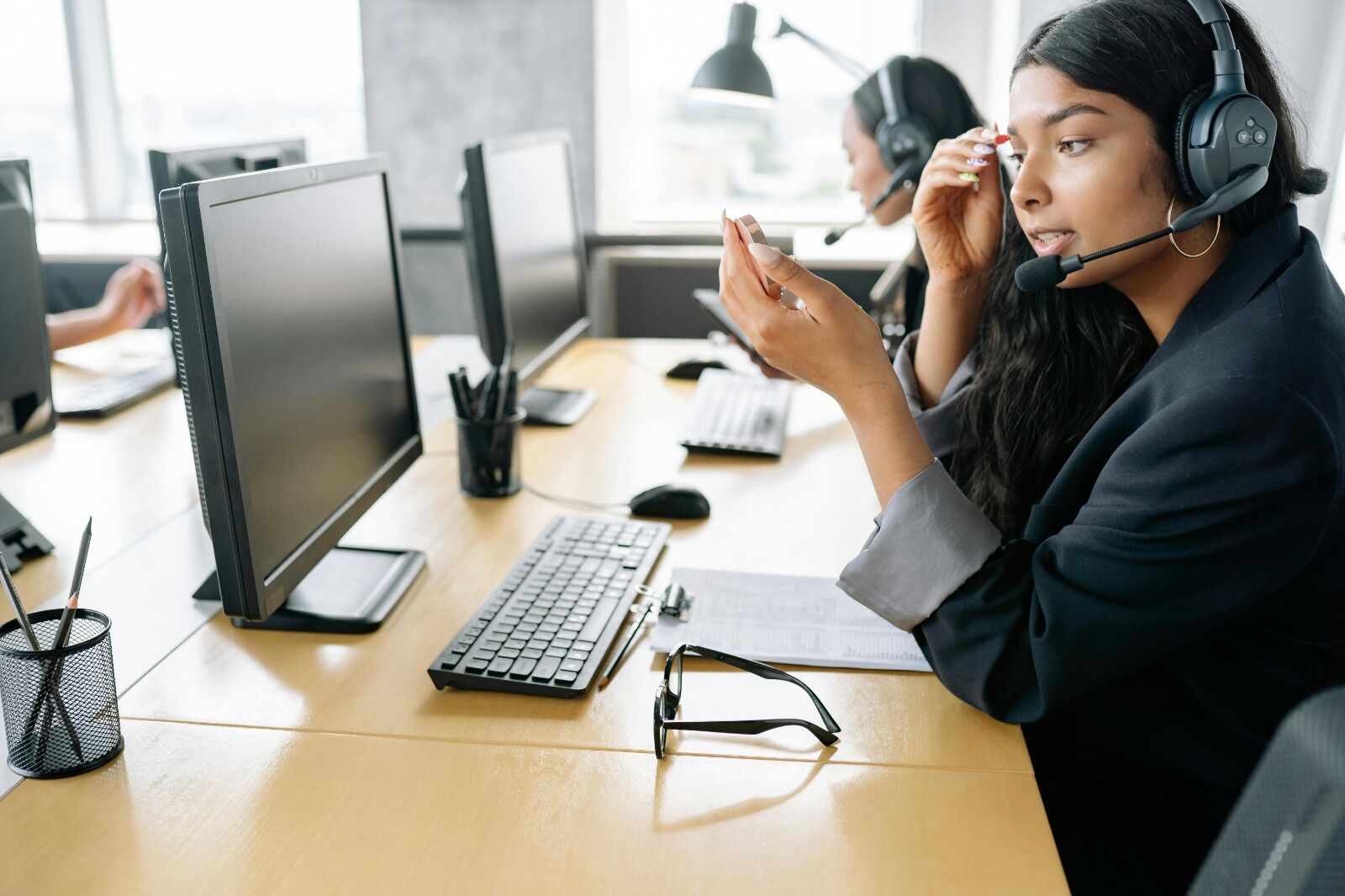
Hyderabad: A person reaches for the phone to seek mental health support every nine minutes in Telangana, according to data from the Rajya Sabha. The calls come in through the night, through weekends, through festivals.
They come from Kamareddy and Khammam, from students in residential schools, and from the elderly. Since October 2022, the Tele-MANAS centre at the Institute of Mental Health (IMH) in Hyderabad has received 1,94,237 calls over 1,235 days, a number that points to a quiet, persistent crisis in the state’s mental health.
The data surfaces in an unstarred question answered on 10 March 2026 in the Rajya Sabha by the Minister of State for Health and Family Welfare, Prataprao Jadhav, in response to questions raised by Mallikarjun Kharge and Neeraj Dangi.
A helpline that runs around the clock
The centre at Erragadda operates as “a 24×7 platform that provides quality care to people experiencing mental health problems,” according to state government notes prepared for the Health Minister.
It runs on 25 seats, staffed by two psychiatrists, one clinical psychologist, 14 counsellors, two technical coordinators, and two support staff.
The toll-free number, 14416, connects callers to services that the state describes as “accessible from home or nearby place with no need to visit medical centre or hospital,” “affordable” with no travel cost or loss of daily wages, and “confidential” in a way that works to “reduce stigma attached to mental health treatment-seeking behaviour.”
That last point matters. Stigma remains one of the most documented barriers to mental health treatment in India, and a phone call carries none of the visibility of walking into a psychiatric facility.
The numbers climb
When the centre opened in October 2022, it recorded 1,370 calls in its first two and a half months. The following year, 2023, that figure rose to 51,338. By 2024, it reached 71,427, the highest single-year count on record. In 2025, the centre received 60,306 calls, and in the first 56 days of 2026, callers rang in 9,796 times.
Averaged across the entire period from inception to 25 February 2026, the centre handles 157 calls a day, or one call every nine minutes.
State government data breaks this further by district.
Kamareddy recorded the highest call volume at 19,366, a figure that stands out given the district’s population relative to Hyderabad city, which recorded 9,904 calls. Hanumakonda followed at 8,086, Siddipet at 7,911, and Vikarabad at 7,067. Every one of Telangana’s 33 districts recorded calls, with even smaller districts such as Mulugu contributing 1,562 and Asifabad 1,144.
Who calls and why
Women account for two in three calls at 67%, against 33% for men, with 117 calls recorded under other gender categories. The dominant age group is 18 to 45, which drives 53% of all calls, followed by the 46 to 64 bracket at 31%.
The complaint data reveals the texture of distress. Medical issues top the list at 44,255 calls, a category that likely captures callers seeking guidance on psychiatric medication or referrals. Psychological issues follow at 23,022, then stress-related problems at 21,592, sadness of mood at 19,232, sleep disturbances at 7,788 and anxiety problems at the same figure. Relationship and familial conflict account for 4,528 calls.
Suicidal ideation or attempts account for 1,711 calls across the period. The Tele-MANAS call-back policy, as described in the Rajya Sabha response, mandates follow-up in cases involving “active suicidal thoughts, recent attempt, domestic or sexual violence, imminent risk, or abrupt disconnection.” Counsellors also initiate callbacks in cases of “prolonged silence during the call” and where callers face “inability to access mental health services due to disability or lack of support.”
Nine posts sit vacant
Against 31 sanctioned positions, the centre operates with 22 staff, leaving nine posts vacant. The centre runs at roughly 71% of its sanctioned strength while fielding an average of 150 to 200 calls a day, a figure the state government itself cites in its briefing notes.
Nationally, the picture mirrors this gap. The Rajya Sabha data shows that across 51 Tele-MANAS cells in India, Bihar’s three centres at Koilwar, Patna and Bhagalpur each record zero staff in position against 31 sanctioned posts.
Haryana’s cell similarly shows no staff against 31 sanctioned positions. Telangana, at 71% capacity, sits above the national median, but the vacancy still points to a structural constraint on a service that fields calls around the clock.
Reaching beyond the helpline
The state has moved to widen awareness beyond the phone line itself. According to government briefing notes, the programme has conducted awareness sessions across 547 colleges, reaching 31,024 students, and across 942 schools, reaching 41,350 students.
Sensitisation of ASHA and ANM workers has run across communities to “mobilise communities and educate them about mental health.” The state has also used Doordarshan and All India Radio for live question and answer sessions, alongside “local print media and other mass media platforms.”
The outreach appears to have produced results in the call volumes from smaller districts, where community-level workers carry information about the helpline into areas that would otherwise see low uptake.
What the data does show, plainly, is that demand for the service has not plateaued. From 1,370 calls in late 2022 to 71,427 in 2024, the trajectory runs in one direction. At the current rate of roughly 175 calls a day recorded in early 2026, the centre will cross two lakh total calls well before the year ends.
The helpline number is 14416.
Source link
