

Herbal detox teas marketed as wellness drinks may put liver, kidneys and heart at risk
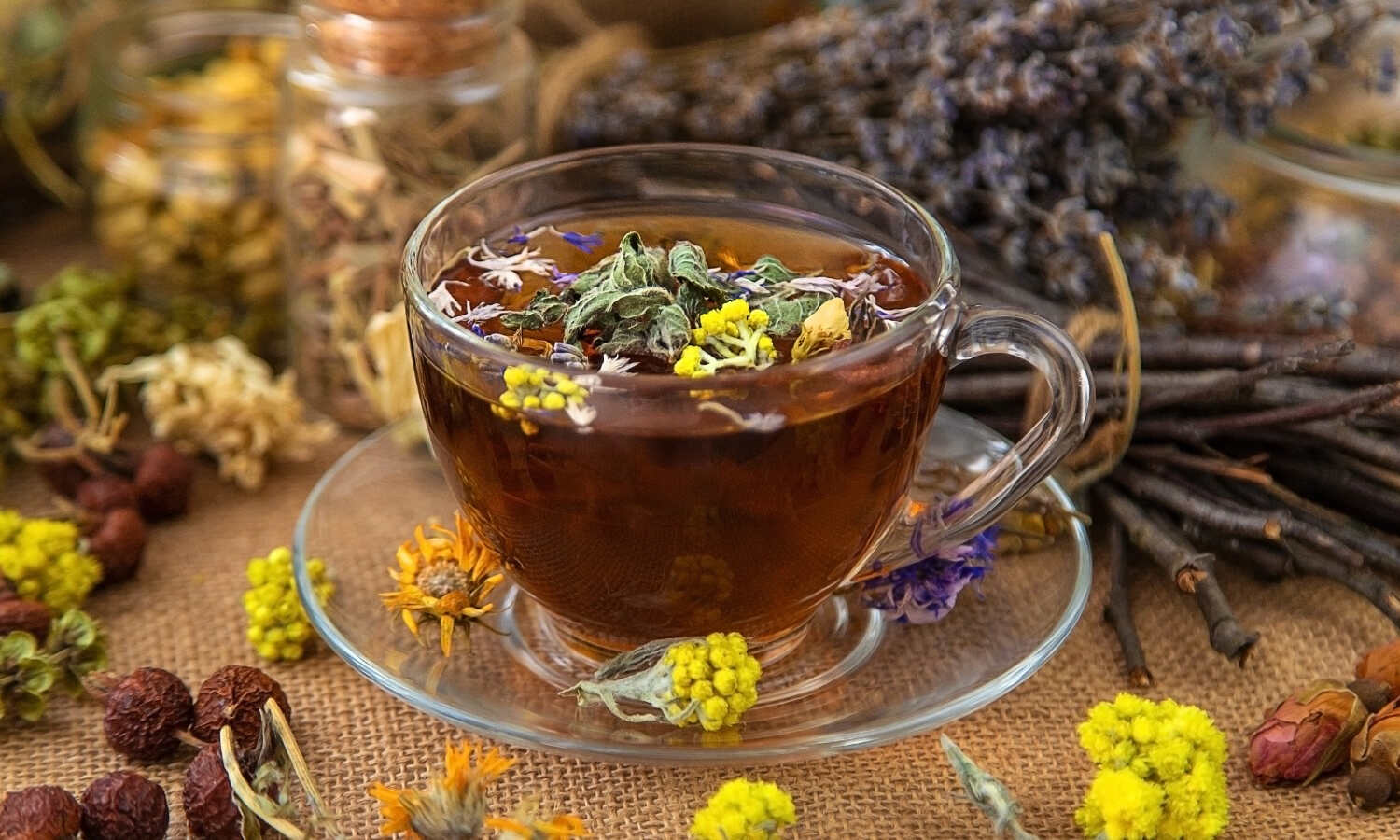
Hyderabad: From weight loss promises to claims of ‘cleansing’ the liver and kidneys, herbal detox teas are being marketed as an easy route to better health. But doctors warn that these products are not simple wellness drinks and can carry real medical risks when misused.
Dr Venkata Krishna Kumar Talluri, Consultant Physician and Diabetologist at Renova Century Hospitals, Banjara Hills, Hyderabad, speaking to NewsMeter, says the surge in popularity is driven more by trends than science.
No hard science behind detox teas
“There is a definite rise in the use of these products, fuelled by unregulated lifestyle and health advice,” he says.
“Simplistic and exaggerated marketing claims, such as ‘detox your liver or kidneys in 10 days’ or ‘lose weight with herbal tea’ are often presented without scientific evidence or any emphasis on safety and precautions.”
What do herbal detox teas contain?
Most detox teas are not made of mild-flavouring herbs alone. Dr Talluri explains that they often contain pharmacologically active ingredients.
“Herbal teas and related products often contain a blend of biologically active ingredients, such as senna, cascara, aloe, rhubarb root, dandelion leaf, nettle, parsley, juniper, milk thistle, turmeric, artichoke, ginger, fennel, peppermint, cumin, coriander, green tea, tulsi (holy basil), rooibos and cinnamon,” he said.
In limited quantities, some effects may appear beneficial.
“When consumed in appropriate amounts, these formulations may help promote bowel regularity, reduce bloating, enhance urine output and provide mild metabolic stimulation,” he notes.
But he stresses that this does not make them harmless for regular use.
Why are more people drinking herbal teas?
According to Dr Talluri, several social shifts explain the growing interest.
“Some of the key reasons include a growing inclination toward preventive healthcare, heightened wellness awareness in the aftermath of the Covid-19 pandemic, and, in countries like ours with a strong tradition of indigenous medicine, a greater cultural acceptance of herbal remedies.”
He adds that this cultural familiarity often creates a false sense of safety.
The dangerous assumption that ‘herbal means safe’
One of the biggest problems, he says, is the belief that natural products cannot cause harm.
“While many of these formulations are based on time-honoured plants with genuine medicinal value, the widespread belief that ‘herbal’ automatically means safe needs careful reconsideration.”
Unlike food or simple beverages, detox teas can act like drugs.
“Herbal teas can have true pharmacological actions, functioning as laxatives, diuretics or liver-active agents and when taken frequently or in excess, they may cause harm rather than benefit.”
Liver injury and herbal supplements
People with existing liver disease are at particularly high risk.
“The American Association for the Study of Liver Diseases (AASLD) provides evidence-based guidance on herbal, dietary, and drug-induced liver injury, emphasising that many supplements, like green tea extract, kava and He-Shou-Wu, can cause serious liver damage,” Dr Talluri says.
He lists several herbs linked to Herb-Induced Liver Injury (HILI).
“Common culprits include kava, green tea extract at high doses, He-Shou-Wu, kratom, Garcinia cambogia and black cohosh.”
In patients who already have liver problems, the danger is greater.
“Due to reduced detoxification capacity, the liver cannot efficiently metabolise phytochemicals, leading to drug accumulation and toxicity,” he explained.
Other health problems from overconsumption
Excessive intake does not just affect the liver.
“Overconsumption can cause multi-organ toxicity, when the body’s capacity to metabolise these products gets overwhelmed,” Dr Talluri warns.
He outlines a wide range of complications:
• Liver:
Drug-induced liver injury, and rarely acute liver failure; the risk is amplified in those with pre-existing liver disease.
• Kidneys:
Dehydration, acute kidney injury and worsening of chronic kidney disease.
• Gastrointestinal tract:
Chronic diarrhoea, abdominal cramps and laxative dependence due to stimulant laxatives.
• Heart and blood pressure:
Hypertension, fluid retention, palpitations and exacerbation of heart failure.
• Endocrine and metabolic system:
Thyroid dysfunction and interference with hormonal or antidiabetic medications.
• Reproductive system and pregnancy:
Menstrual irregularities, uterine stimulation, hormonal imbalance and increased risk of miscarriage or fetal toxicity.
• Nervous system:
Excess sedation, dizziness, confusion, impaired cognition and coordination, and potential dependence on sedative herbs.
• Immune system:
Autoimmune disease flares and immune-mediated liver injury.
Is there any safe way to use herbal teas?
Dr Talluri says dosing depends on the individual. “Remember, there is no one-size-fits-all,” he said.
He offers general guidance:
• Single-ingredient herbal teas:
Occasional use only, 1 cup a day, not daily, for short periods of two to three weeks. Avoid continuous, long-term consumption without medical advice.
• Detox, weight-loss, or laxative teas:
There is no safe dose for regular use. They should not be used daily or chronically.
• Herbal supplements (capsules or extracts):
Use only standardised products, follow the manufacturer’s dose strictly and avoid combining multiple herbal products simultaneously.
• Polyherbal formulations:
They carry the highest risk and should be avoided unless prescribed by a qualified practitioner.
Practical advice to prevent harm
Dr Talluri urges people to be sceptical of detox claims. “Avoid ‘detox’ claims. The liver and kidneys already detoxify effectively. No herbal tea can ‘cleanse’ organs faster or better.”
He also stresses transparency with doctors.
“Disclose herbal use to doctors. Many patients don’t report herbal intake, and this is crucial for diagnosing unexplained liver or kidney injury.”
Warning symptoms should never be ignored. “Fatigue, nausea, dark urine, jaundice, persistent diarrhoea, dizziness, or palpitations are red flags. Stop immediately and seek medical advice if these occur.”
He advises limiting duration. “Use these products in cycles, not continuously. Take drug holidays.”
And finally, he recommends safer alternatives.
“Prefer food-based alternatives like whole fruits, vegetables, proper hydration and regular exercise. These provide benefits without pharmacological toxicity.”
Bottom line
Herbal detox teas are not harmless wellness drinks. While some herbs have medical value, frequent or excessive use can damage the liver, kidneys, heart and other systems. Moderation, medical guidance and scepticism toward detox claims remain essential.
Source link
