

Historians Reveal Secrets of the Strange Hat Wars That Shook Early Modern England
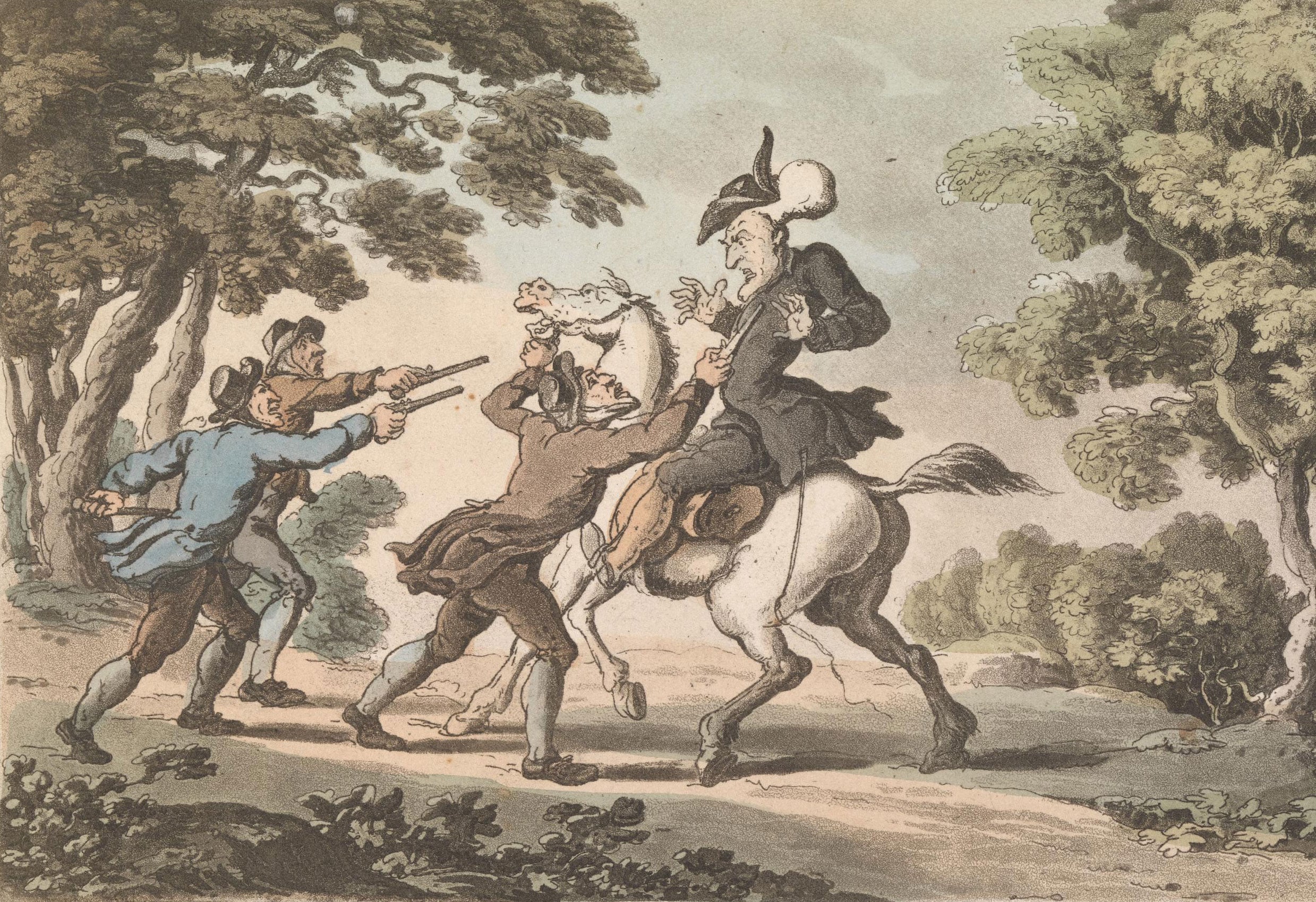
Hats once signified power, defiance, and social status in England, influencing politics, behavior, and everyday life.
From courtroom protests to encounters with highway robbers, hats in England once carried meanings that went far beyond simple fashion. New research indicates that headwear played a powerful role in shaping social behavior, political resistance, and personal identity.
Today, hat etiquette is largely a personal choice in Britain, but 400 years ago, it followed strict social rules. Refusing to remove, or “doff,” a hat could signal open defiance. A recent study in The Historical Journal (Cambridge University Press) highlights how this simple act became politically charged.
In 1630, an oatmeal maker brought before England’s highest church court responded boldly when told some judges were both bishops and privy councillors. “as you are privy councillors … I put off my hat; but as ye [bishops] are rags of the Beast, lo! – I put it on again.” His reaction reflected a growing willingness to challenge authority through symbolic gestures.
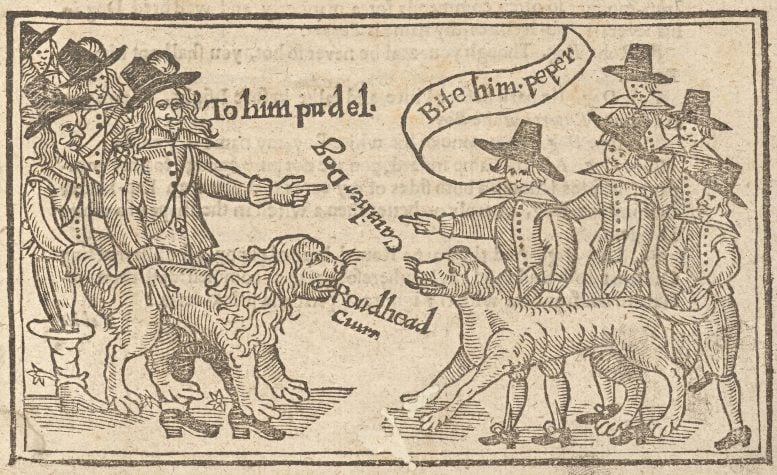
Such behavior became more common during the reign of Charles I. Keeping one’s hat on evolved into a visible form of resistance during the English Civil War and in the years that followed.
Civil War Politics and Hat-Honor
Historian Bernard Capp, emeritus professor at the University of Warwick, explains that this marked a shift in the meaning of “hat-honor.” Previously, removing a hat was expected whenever a person encountered someone of higher status
“Long before the civil wars, men and boys were expected to doff their hats, indoors or out, whenever they met a superior,” Professor Capp says. “That was about respecting your place in society, but in the revolutionary 1640s and 1650s, hat-honor became a real gesture of defiance in the political sphere.”
Prominent figures used this tactic to make their views clear. In 1646, Leveller John Lilburne refused to remove his hat when summoned before the House of Lords, declaring he would “come in with my hat upon my head, and to stop my eares when they read my Charge, in detestation.”
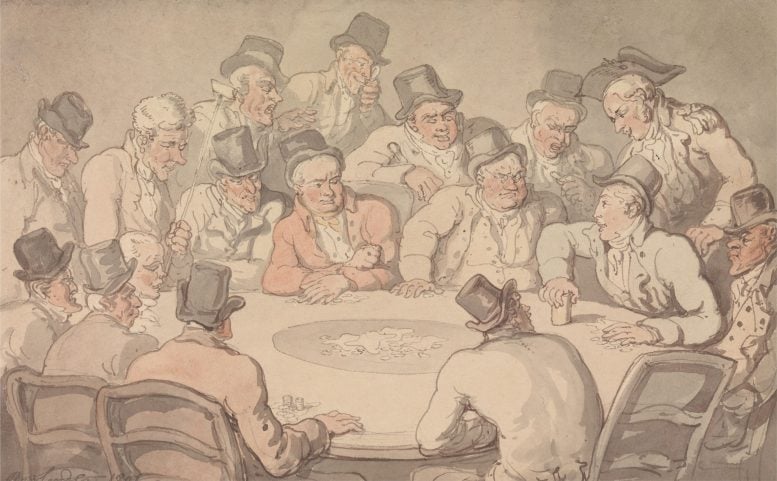
Others followed suit. In 1649, Digger leaders William Everard and Gerrard Winstanley kept their hats on before General Fairfax, insisting he was “but their fellow Creature.” Members of the Fifth Monarchists, including Wentworth Day, also adopted this form of protest when prosecuted later in the decade.
Royalists, Rebels, and Symbolic Gestures
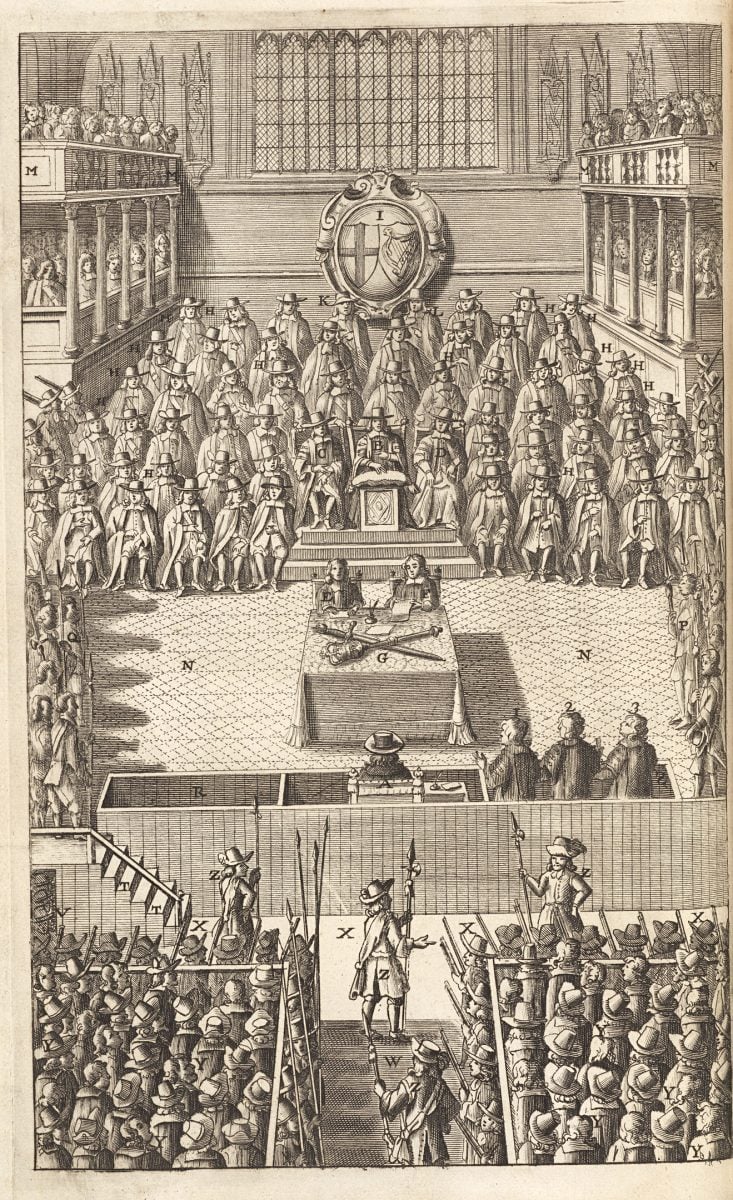
This behavior was not limited to political radicals. After losing power, royalists also used hat-wearing to signal rejection of authority. Charles I himself kept his hat on during his 1649 trial, refusing to acknowledge the court. Similarly, the son of the Earl of Peterborough declined to remove his hat or enter a plea when tried for treason in 1658.
In some cases, elites reversed expectations by deliberately removing their hats in front of lower-status individuals. Royalist figures such as Lord Capel took off their hats while awaiting execution, a gesture meant to gain sympathy from the crowd. “This was a sort of populist political gesture, essentially inviting the moral support of the crowd,” Capp explains.
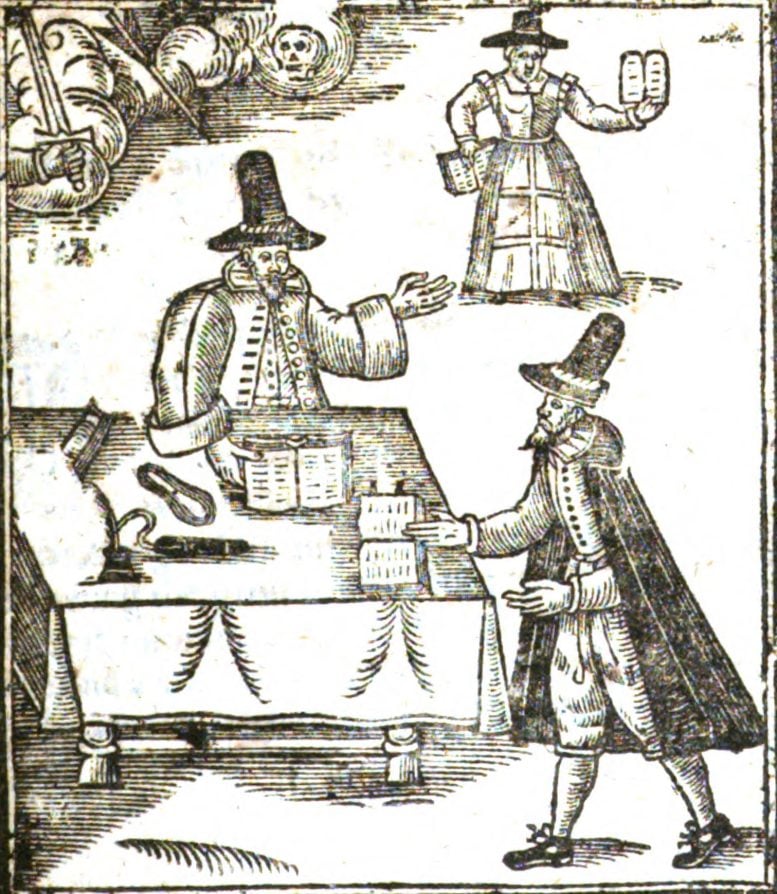
Hats also shaped life beyond politics. In 1659, Thomas Ellwood’s father tried to control his 19-year-old son by confiscating all his hats. Without one, Ellwood felt unable to leave the house. Years later, he wrote, “I was still under a kind of Confinement, unless I would have run about the Country bare-headed, like a Mad-Man.”
Ellwood’s refusal to follow his father’s wishes, including avoiding the Quakers, led to conflict and punishment. Yet social expectations were so strong that simply lacking a hat effectively confined him indoors for months.
Family Conflict and Cultural Norms
Capp notes that such behavior may seem strange today, but it made sense at the time. “It makes no sense to us today. But in 1659, father and son just saw this as common sense. Thomas couldn’t leave the house without a hat—it would have brought too much shame on himself and his family.”
Some historians have linked the decline of hat-doffing to the rise of handshakes, but Capp disagrees. “The handshake evolved very slowly as a mode of greeting and had no bearing on hat-honor as a gesture of deference,” he says.
Instead, he suggests broader cultural changes played a role. Wigs became more common, reducing the need for hats, while crowded urban life made constant hat removal impractical. Over time, social customs shifted gradually for multiple reasons.
“The rising popularity of wigs made hat-wearing itself less ubiquitous, and repeatedly doffing one’s hat to acquaintances in increasingly busy urban streets may have become too irritating. Conventions gradually change over generations and are usually multicausal.”
Highwaymen and Hat Etiquette
Even in the more stable 18th century, hats remained highly important. Court records from London’s Old Bailey show that robbery victims often cared more about keeping their hats than protecting their money.
In 1718, William Seabrook was attacked by three thieves who stole about £15 (roughly $2,500 today). When they also took his hat, he pleaded with them not to leave him bareheaded. The thieves eventually threw it back before fleeing.
“There seems to have been an unwritten convention that if victims meekly surrendered their valuables, they deserved at least a small favor,” Professor Capp says. “So some highwaymen were willing to let men keep their precious hats.”
“The behavior of robber and robbed might seem bizarre today, but it’s got a lot to do with health concerns. Men wearing periwigs often had their heads shaved, so they were more susceptible to the cold. And eighteenth-century medical guides were obsessed with keeping the head warm and warned that going outside bareheaded risked illness.”
Hats, Status, and Public Perception
In 1733, Francis Peters handed over his valuables during a robbery in Westminster, but objected when the thief took his hat and wig. He protested that “it was very unusual for Men of his Profession to take such Things, and that it being very cold it might indanger my Health.”
The thief ignored him, forcing Peters to wrap a handkerchief around his head for warmth. Later, Peters confronted the man in prison, telling him, “He had used me hardly, in taking my Hat and Wig.” The highwayman apologized.
At the time, appearing in public without a hat carried strong negative associations. It could signal poverty or even mental instability. Court records indicate that defendants were anxious to avoid appearing hatless before judges or juries.
Social Identity and Cultural Meaning
“Even in London’s seedy underworld, a hat felt essential,” Professor Capp says. So when Thomas Ruby was tried for burglary at the Old Bailey in 1741, he ‘begged very hard’ for the return of his hat, lost at the time of his arrest, ‘for he had none to wear’.
“What you wear says something about how you see yourself and the world,” Professor Capp says. “And the hat is so eloquent because it’s so versatile—you can position it in so many ways, take it off, wave it around, and attach messages to it.”
Reference: “The Cultural, Social, and Ideological Role of the Hat in Early Modern England” by Bernard Capp, 10 April 2026, The Historical Journal.
DOI: 10.1017/S0018246X26101460
Never miss a breakthrough: Join the SciTechDaily newsletter.
Follow us on Google and Google News.
Source link
