

by Mary Claire Molloy, Mirror Indy
March 19, 2026
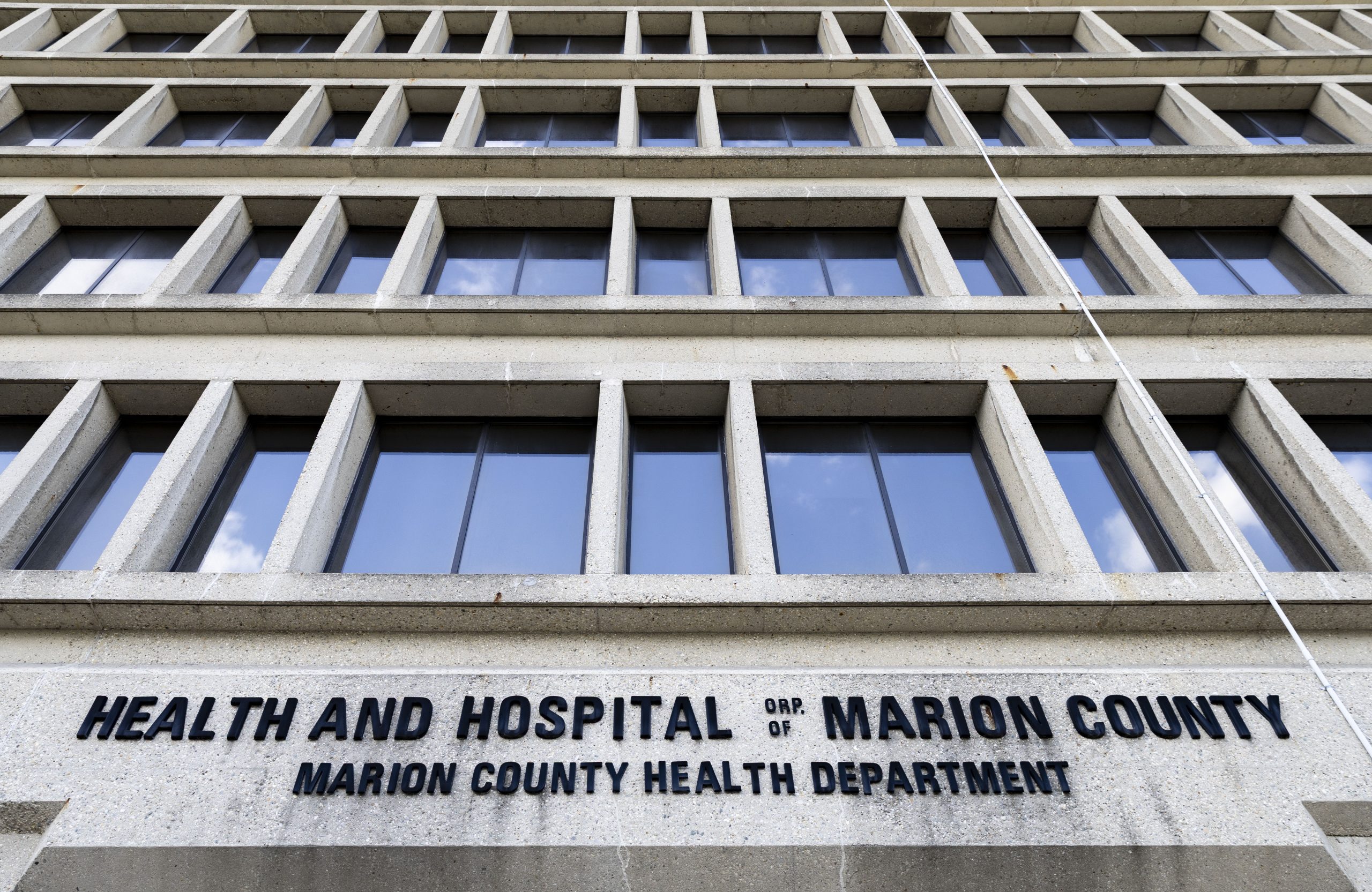
Every five years, the Marion County Public Health Department surveys community members about their health needs. For the 2025 report, about 4,500 residents responded.
Here are their top five concerns, along with resources for help.
1. Mental health
Marion County sees lower rates of depression, anxiety and suicide compared to the rest of Indiana — but all three categories are higher than the national average.
Here, 1 in 4 residents reported being diagnosed with depression. Those symptoms, along with anxiety, are highest among people living in poverty.
Between 2018 and 2024, the county’s suicide rate increased by 10%. The deaths are disproportionately white and male. Men in Marion County die by suicide four times more often than women; white people have the highest suicide rate compared to Black and Hispanic or Latino residents.
When people seek help, there is about one mental health provider available for every 260 patients.
How to get help
If you are experiencing a mental health crisis or thoughts of suicide, call 988. The state’s number will connect you with a trained specialist. You can also call 911 to connect with Indy’s Clinician-Led Community Response Team instead of police. This group of behavioral health providers are trained to assess and respond to mental health crises.
If you want to find mental health support in your area, call the state’s resource hotline at 211. You can also find a list of Marion County’s mental health providers and resources online, including inpatient and outpatient options, counseling, crisis support and substance use treatment.
If cost or insurance is a barrier, look for a Certified Community Behavioral Health Clinic, which serves any person in need. Marion County’s locations are Adult and Child Mental Health Center and Sandra Eskenazi Mental Health Center.
2. Health care access
People across Indianapolis face barriers to getting health care, including issues with medical debt, insurance and transportation. That can lead to more deaths, hospitalizations and missed medication.
In Marion County, 9.5% of residents are uninsured. Hispanic or Latino residents have the highest rates — they’re three times more likely to be uninsured than white residents. Black residents are also 1.5 times more likely to be uninsured than white residents.
About 6.5% of people who are uninsured here have a disability. Research shows they’re more likely to experience obstacles to care or discrimination.
Of those insured in Marion County, about 53% have private insurance, while about 40% used government-based programs, such as Medicaid or Medicare. Local advocates are worried about the impact of federal and state cuts to Medicaid this year, alongside new restrictions on who can use the program.
Even with insurance, many people still take on medical debt. About one-third of Marion County residents surveyed said they had medical bills they could not pay. There was a disparity among genders, with 61% of women reporting medical debt. Additionally, about 23% of residents said they could not see a doctor in the previous year because of the cost.
Lastly, some folks struggled to get to their appointments. In 2023, about 8% of Marion County households did not have a vehicle.
How to get help
If you need help applying for Medicaid or another form of insurance, speak to a health insurance navigator. You can find a list of certified navigators in Marion County here.
For those facing medical bills, check out Mirror Indy’s hospital-specific guide on applying for financial assistance.
Federally Qualified Health Centers provide care to people regardless of insurance, immigration status or ability to pay. Services can include primary care, mental health treatment and transportation to appointments. Use this map to find your nearest location.
Some Medicaid members can also access free rides to their appointments.
3. Housing
Nearly 50% of renters and 19% of homeowners in Marion County do not have affordable housing, per the survey; they spend large amounts of their income on a place to live, leaving less for medical care and other needs. Others face worsening health conditions because of substandard housing, including pests, mold and improper heating or cooling.
Homeownership is associated with living longer. But there’s disparities in access, rooted in a history of racial discrimination and redlining: about 65% of white residents in Marion County are homeowners, compared to 38% of Black residents.
Housing is also getting more expensive. Between 2014 and 2023, the median home value in Marion County went up by $121,200. The median cost of rent also grew by about 50%. As the soaring costs continue, Indiana also banned homeless encampments this year.
How to get help
Read Mirror Indy’s guide for shelters, housing resources and rent assistance here.
If you are facing eviction, use this guide to learn more about preparing for court. Reach the Indianapolis Tenant Hotline at 317-327-2228 for information about your rights and legal aid.
Use this Mirror Indy guide to learn more about filing a complaint against your landlord and reporting unsafe housing conditions.
4. Trauma and injury prevention
About 25% of Marion County residents surveyed said gun violence has personally affected them, their family and friends or their neighborhood. The county’s firearm homicide rate is about three times higher than the state and national average.
The report, though, highlights improvement between 2023 and 2024, when firearm related deaths fell by 16%.
Young people here are more likely to die from gun violence. Homicide was the leading cause of death for ages 15 to 24. Black residents are eight times more likely to be killed by gun violence, while Hispanic or Latino residents are two times more likely. Men in Marion County are also six times more likely to die from firearms than women.
How to get help
The city’s Division of Community Violence Reduction supports local organizations working on these issues. That includes Indy Peace, a program that connects young men at risk for gun violence with life coaches, housing, food resources and therapy. Another, Edna Martin Christian Center, provides case management and mental health services.
5. Infant mortality
Marion County’s infant death rate is higher than the state’s and the rest of the country. The survey tracked the highest rates among Black infants, who are 61% more likely to die than white infants.
The problem is driven, in part, by pregnancy complications, low birth weight and a lack of access to prenatal care.
The ZIP codes with the highest infant mortality rates in 2024 include 46202, 46208 and 46225 — portions of the city’s near north and south sides.
How to get help
Cradle Indy, a local nonprofit, connects families with doulas for free. These birthworkers support people through pregnancy and the postpartum period. The organization also has a list of Indianapolis resources, including where to find help with breastfeeding, prenatal care, diapers and formula, child care and safe sleep.
The Indiana Department of Health also runs a Moms Helpline, which can be reached at 1-844-624-6667. A specialist can answer questions about pregnancy, prenatal care and parenting. They can also help you get free or discounted baby supplies, including food, diapers, formula, clothes and car seats.
This <a target=”_blank” href=”https://mirrorindy.org/indianapolis-health-department-2025-marion-county-needs-assessment-housing/”>article</a> first appeared on <a target=”_blank” href=”https://mirrorindy.org”>Mirror Indy</a> and is republished here under a <a target=”_blank” href=”https://creativecommons.org/licenses/by-nd/4.0/”>Creative Commons Attribution-NoDerivatives 4.0 International License</a>.<img src=”https://i0.wp.com/mirrorindy.org/wp-content/uploads/2025/07/cropped-Mirror-Indy-square-logo-1.png?resize=150%2C150&ssl=1″ style=”width:1em;height:1em;margin-left:10px;”>
<img id=”republication-tracker-tool-source” src=”https://mirrorindy.org/?republication-pixel=true&post=75699&ga4=G-X0R0QW371R” style=”width:1px;height:1px;”><script> PARSELY = { autotrack: false, onload: function() { PARSELY.beacon.trackPageView({ url: “https://mirrorindy.org/indianapolis-health-department-2025-marion-county-needs-assessment-housing/”, urlref: window.location.href }); } } </script> <script id=”parsely-cfg” src=”//cdn.parsely.com/keys/mirrorindy.org/p.js”></script>
Related posts:
- Brighton Area Schools addresses rising mental health concerns with therapy dog program
- Herbal beauty expert Shahnaz Husain reveals if you should ice your face and top 6 alternatives using natural ingredients | Health
- Ashwagandha capsules in India for boosting energy, strength, immunity and stress relief, explore top 10 natural choices | Health
- Research reveals extensive LA-area fires altered blood proteins in firefighters, raising health concerns
