

Israel becomes first country to recognize breakaway Somaliland as independent state
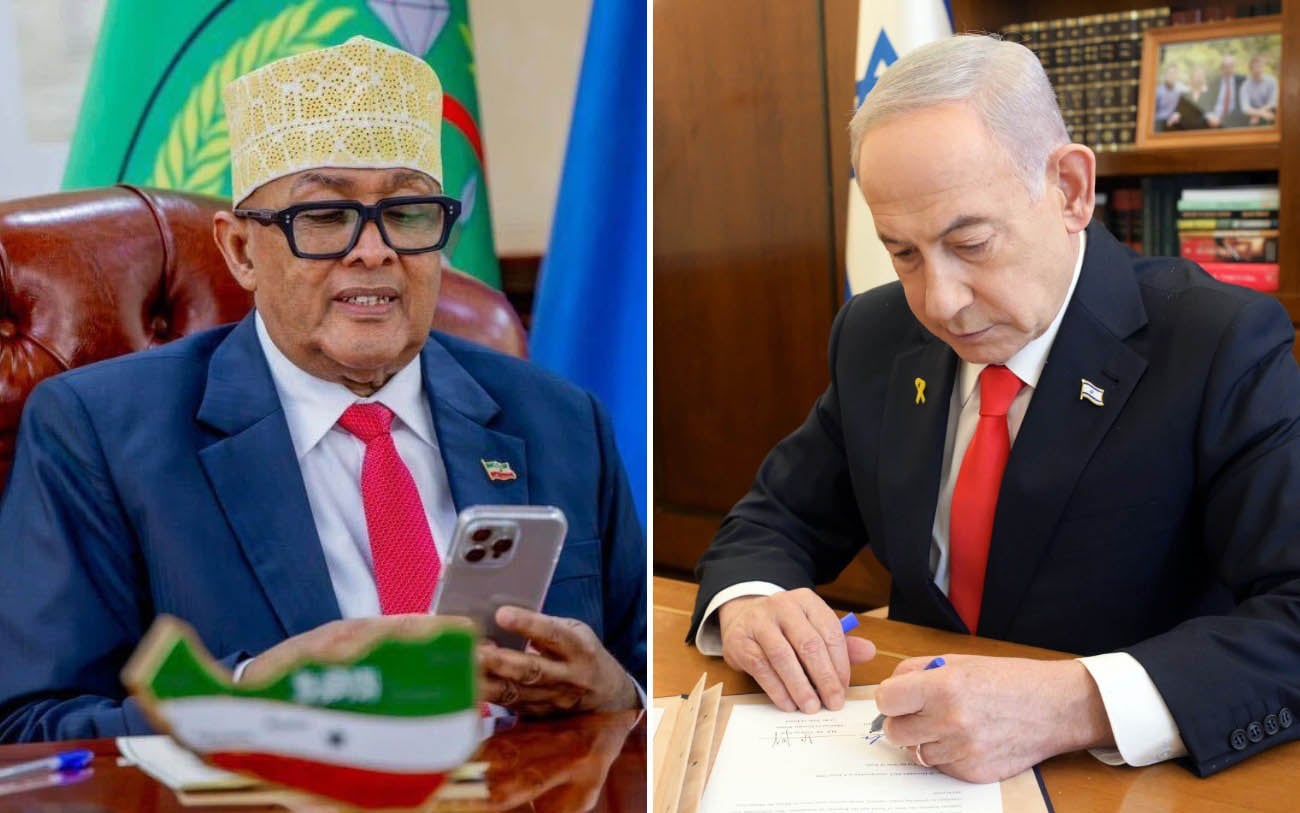
Israel on Friday became the first country to recognize the Republic of Somaliland as an independent state, more than three decades after the African region broke away from Somalia, with the Muslim nation saying it aspired to join the Abraham Accords.
Prime Minister Benjamin Netanyahu and Foreign Minister Gideon Sa’ar signed the declaration for Israel, while Somaliland’s President Abdirahman Mohamed Abdullahi signed for his country, which sits in a key strategic region in the Horn of Africa.
While no other countries have formally recognized it, several states — including the UK, Ethiopia, Turkey, the UAE, Denmark, Kenya and Taiwan — maintained liaison offices, and the Trump administration has sent signs in recent months that it could change its stance on the breakaway region. However, the move sparked anger among several regional powers who accused Israel of undermining the sovereignty and territorial integrity of Somalia.
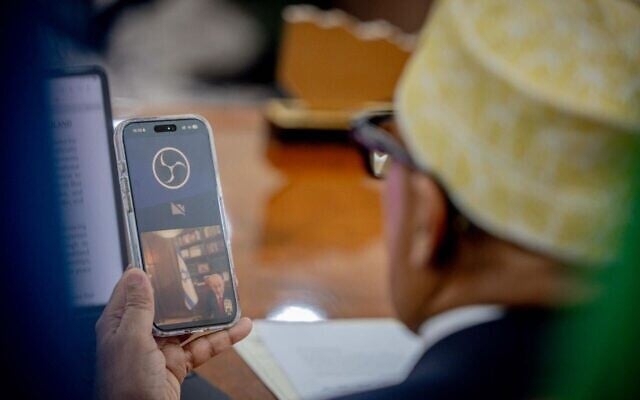
Speaking to Abdullahi by phone, Netanyahu said the friendship between the countries was “seminal and historic.”
“We intend to work together with you on economic fields, on agriculture, in the fields of social development,” Netanyahu said.
Netanyahu invited Abdullahi for an official visit to Israel. Abdullahi said he will come “as soon as possible,” according to the Israel statement.”
Later Friday, Netanyahu’s office released a video showing him speaking to Abdullahi by telephone.
“I want you to know that I am signing now as we speak Israel’s official recognition of the Somaliland,” Netanyahu tells Abdullahi, adding that the new relationship would offer economic opportunities.
“I am very, very happy and I am very proud of this day and I want to wish you and the people of Somaliland the very, very best,” he said.
Netanyahu said the declaration “is in the spirit of the Abraham Accords, signed at the initiative of [US] President [Donald] Trump.”
The 2020 accords were brokered by Trump’s first administration and included Israel formalizing diplomatic relations with the United Arab Emirates and Bahrain, with other countries, including Morocco, joining later.
The agreement with Morocco was followed by Israel recognizing Rabat’s sovereignty over the contested Western Sahara region.
Netanyahu, Sa’ar and Somaliland’s president signed a joint declaration of mutual recognition, the Israeli statement said.
Abdullahi said in a separate statement that Somaliland would join the Abraham Accords, calling it a step toward regional and global peace. He said Somaliland was committed to building partnerships, boosting mutual prosperity and promoting stability across the Middle East and Africa.
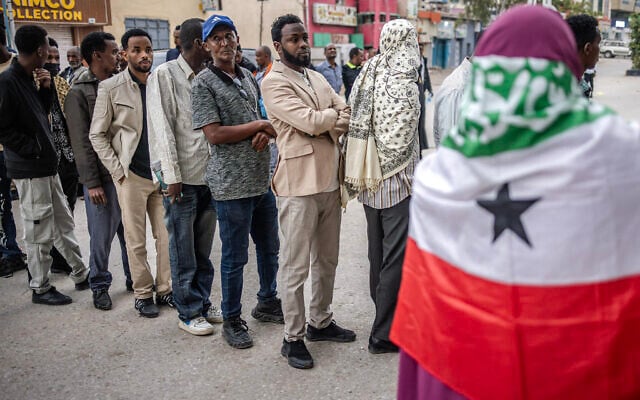
Somaliland, a Sunni Muslim country, enjoyed five days of independence in 1960, during which time it was recognized by Israel and 34 other countries before uniting with Somalia. Somaliland formally broke away in 1991 as Somalia disintegrated into anarchy.
Somaliland, which is located along most of Somalia’s Red Sea coastline, has effectively acted as an independent country during Somalia’s decades-long and ongoing civil war, and is in many respects a more stable and functioning state than Somalia itself, with a history of peaceful, democratic transitions of power.
Somaliland has for decades pushed for international recognition, the key priority for Abdullahi since he took office last year.
Its lack of international recognition has hampered access to foreign loans, aid and investment, and the region remains deeply impoverished.
Netanyahu also thanked Sa’ar, Mossad Director David Barnea and the Mossad for their contribution in advancing recognition between the two countries, and “wishes the people of Somaliland success, prosperity and freedom,” said his office.
Sa’ar wrote on X that embassies will be opened in both countries and ambassadors appointed.
Israel, which has become increasingly isolated internationally during the Gaza war, has made it a priority to expand its ties in Africa. In August, Israel reopened its embassy in Zambia after more than 50 years.
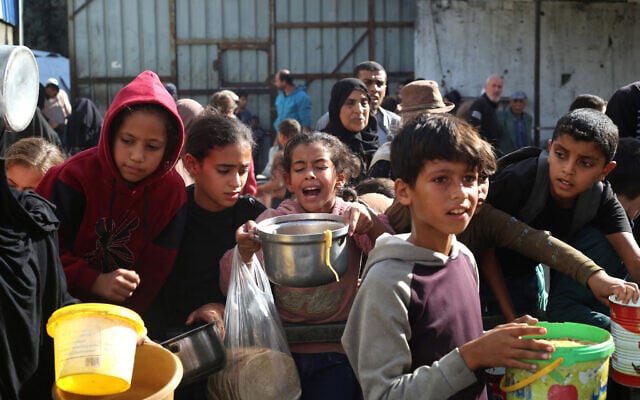
The move comes after reports in August that Somaliland was among several countries in talks with Israel regarding the potential resettlement of Palestinians from the Gaza Strip.
The reports said that Somaliland could condition recognition as a price for accepting Gazans, although the plan, originally proposed by Trump, has largely fizzled in recent months.
At the time, officials in Somaliland told The Associated Press that they were not aware of any contacts.
Somaliland also occupies an important strategic location at the entrance to the Red Sea and opposite Yemen. During the Gaza war, Yemen’s Iran-backed Houthi rebels frequently attacked ships passing through the region, claiming the attacks were in solidarity with the Palestinians.
Somaliland also signed a memorandum of understanding with neighboring Ethiopia in 2024 for future recognition in exchange for Ethiopia’s lease of the Red Sea port of Berbera.
While the unusual diplomatic step promises benefits for Israel, some local officials were also critical.
“All the countries of the world except for Israel see Somaliland as an integral part of Somalia. The decision to recognize Somaliland as an independent country completely undermines Israel’s argument against recognizing an independent Palestinian state,” a senior Israeli official told Channel 12 news.
The move also sparked anger among several regional powers, who said it undermined the territorial integrity of Somalia.
The foreign ministers of Somalia, Egypt, Turkey and Djibouti condemned Israel’s recognition of Somaliland, Egypt said on Friday.
“The ministers affirmed their total rejection and condemnation of Israel’s recognition of the Somaliland region, stressing their full support for the unity, sovereignty and territorial integrity of Somalia,” Egypt’s foreign ministry said in a statement following a phone call between Egypt’s foreign minister and his Somali, Turkish and Djiboutian counterparts.
Later, Turkey — a key ally of Somalia, issued its own statement condemning Israel.
“This initiative by Israel, which aligns with its expansionist policy and its efforts to do everything to prevent the recognition of a Palestinian state, constitutes overt interference in Somalia’s domestic affairs,” said a Turkish foreign ministry statement.
