

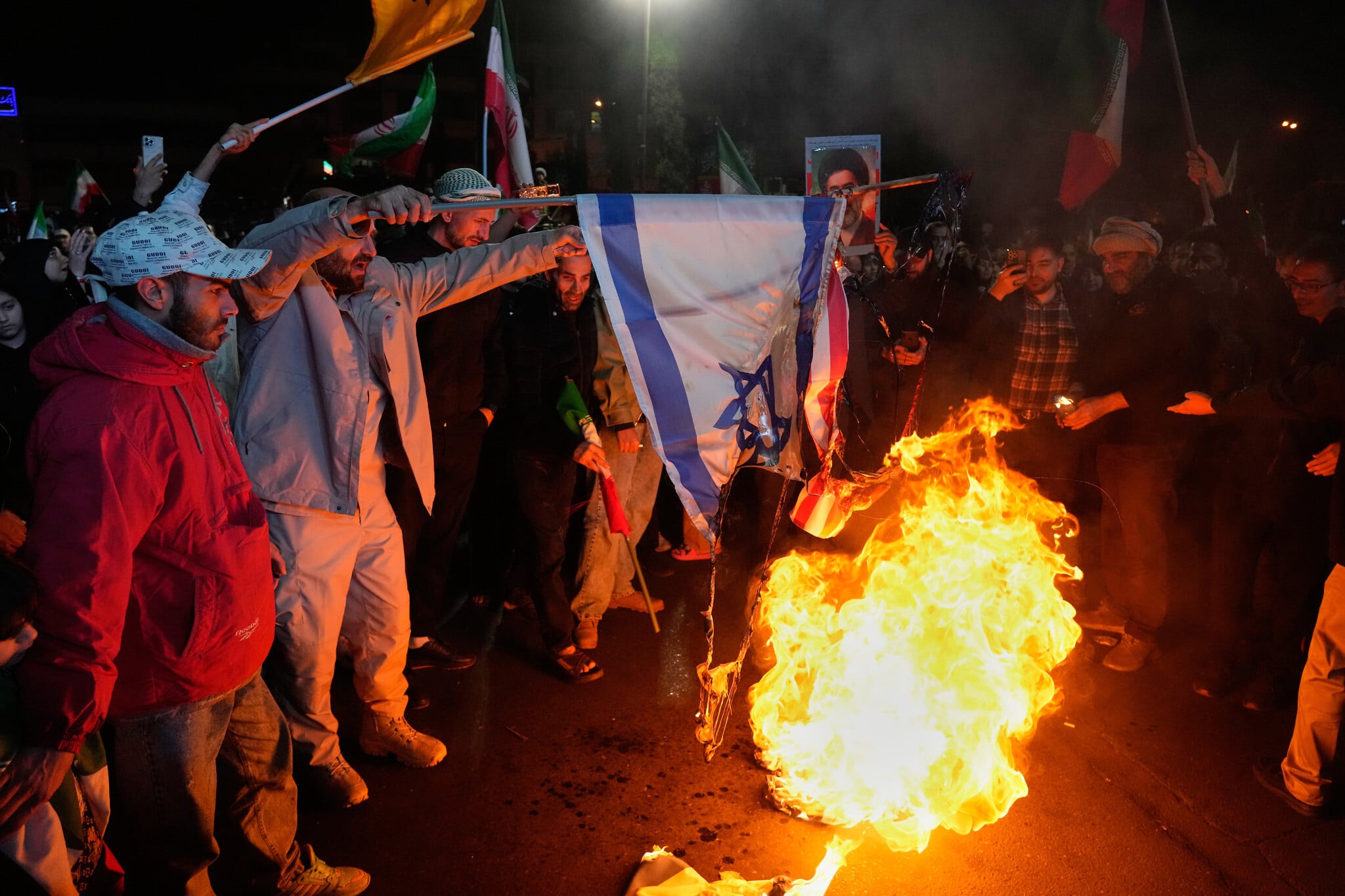
Israel on Wednesday said it would support and abide by the two-week truce declared with Iran by US President Donald Trump, but vowed to push ahead with its offensive against the Hezbollah terror group in Lebanon.
Following the announcement, opposition leaders assailed Prime Minister Benjamin Netanyahu, saying that he had failed to secure Israel’s stated strategic goals as part of the ceasefire. Opposition leader Yair Lapid said Netanyahu was responsible for Israel’s worst-ever “diplomatic disaster,” and that the strategic damage would take years to correct.
Trump had threatened that the US would strike key civilian infrastructure and “a whole civilization will die” in Iran if the Islamic Republic failed to open the Strait of Hormuz by Tuesday evening. Some 90 minutes before the deadline, Trump said that, following conversations with Pakistani leaders, he had agreed “to suspend the bombing and attack of Iran” for two weeks if Iran immediately reopens the strait.
Ten minutes before the deadline, which fell at 3 a.m. on Wednesday in Israel, Pakistani Prime Minister Shehbaz Sharif said: “The Islamic Republic of Iran and the United States of America, along with their allies, have agreed to an immediate ceasefire everywhere, including Lebanon and elsewhere, EFFECTIVE IMMEDIATELY.”
Some three hours later, in a statement released only in English, Netanyahu’s office said: “Israel supports President Trump’s decision to suspend strikes against Iran for two weeks, subject to Iran immediately opening the straits and stopping all attacks on the US, Israel and countries in the region.”
“Israel also supports the US effort to ensure that Iran no longer poses a nuclear, missile and terror threat to America, Israel, Iran’s Arab neighbors and the world,” the statement continued. “The United States has told Israel that it is committed to achieving these goals, shared by the US, Israel and Israel’s regional allies, in the upcoming negotiations.”
“The two-week ceasefire does not include Lebanon,” said the statement.

On Wednesday morning, the IDF confirmed that it had halted strikes on Iran, and also said it was continuing to hit Hezbollah, even as three Lebanese sources close to Hezbollah told Reuters that the Iran-backed terror group had halted its fire on northern Israel and IDF troops as part of the accord.
“In accordance with directives from the political echelon, the IDF has ceased fire in the campaign against Iran and remains on high alert in defense, ready to respond to any violation,” the military said.
However, in Lebanon, the IDF said it “continues fighting and ground operations against the Hezbollah terror organization.”
The military said that it halted strikes against Iran at 3 a.m. after the Air Force carried out a wave of attacks aimed at reducing Iranian ballistic missile fire on Israel.
During the wave of “extensive” strikes in Iran overnight, IAF fighter jets hit launch sites and ballistic missile launchers, “with the aim of significantly reducing and suppressing the scope of launches,” the military said.

“Israel Air Force fighter jets, directed by the Military Intelligence Directorate, struck dozens of launch sites — thereby disrupting a larger barrage of ballistic missiles that had been aimed at the State of Israel,” the IDF says in a statement.
Iran continued to fire ballistic missiles at Israel until around 3:30 a.m.
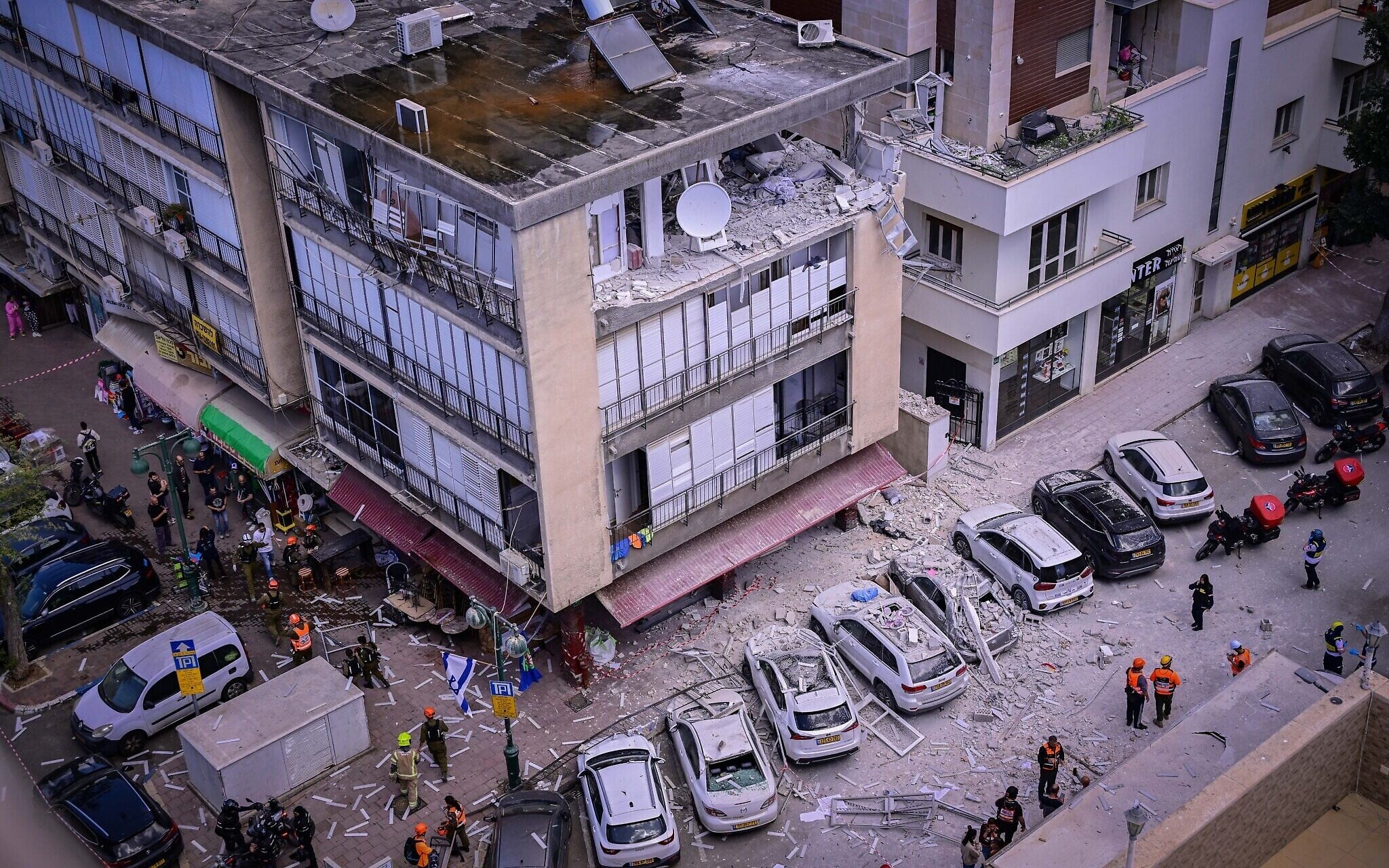
Right after Trump declared the ceasefire, Iran launched a ballistic missile at the Jerusalem area and central Israel, which was followed by several more attacks on the center, north and south of the country.
Medics reported that three boys were lightly wounded by an Iranian cluster submunition that struck the southern town of Tel Sheva, with the Magen David Adom ambulance service saying it treated two 15-year-olds and a 12-year-old who were hurt by the blast and glass shards.
Several others were treated for acute anxiety, MDA added.
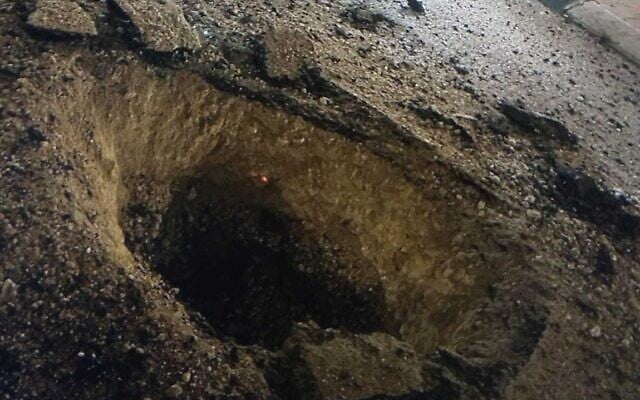
The Home Front Command was, meanwhile, carrying out an assessment; the IDF said it will update the public if any changes are made to guidelines for civilians.
Hezbollah is expected to issue a statement outlining its formal position on the ceasefire and on Netanyahu’s assertion that Lebanon is not included, the three Lebanese sources told Reuters.
Meanwhile, Lebanese media reported several Israeli strikes in south Lebanon on Wednesday morning, and the IDF reiterated its call for civilians to flee the southern coastal city of Tyre ahead of strikes there.
Israel has carried out massive airstrikes and pushed troops farther into Lebanon after Hezbollah, on March 2, launched its first rocket attack on Israel since the November 2024 ceasefire deal. The agreement had ended over a year of conflict initiated by Hezbollah a day after fellow Iran-backed group Hamas invaded Israel on October 7, 2023, sparking the war in Gaza.
Hezbollah has said its renewed attacks were in response both to the killing of Iran’s supreme leader Ali Khamenei at the start of the US-Israeli bombing campaign on February 28, and to Israel’s continued attacks and presence in Lebanon since the ceasefire deal.
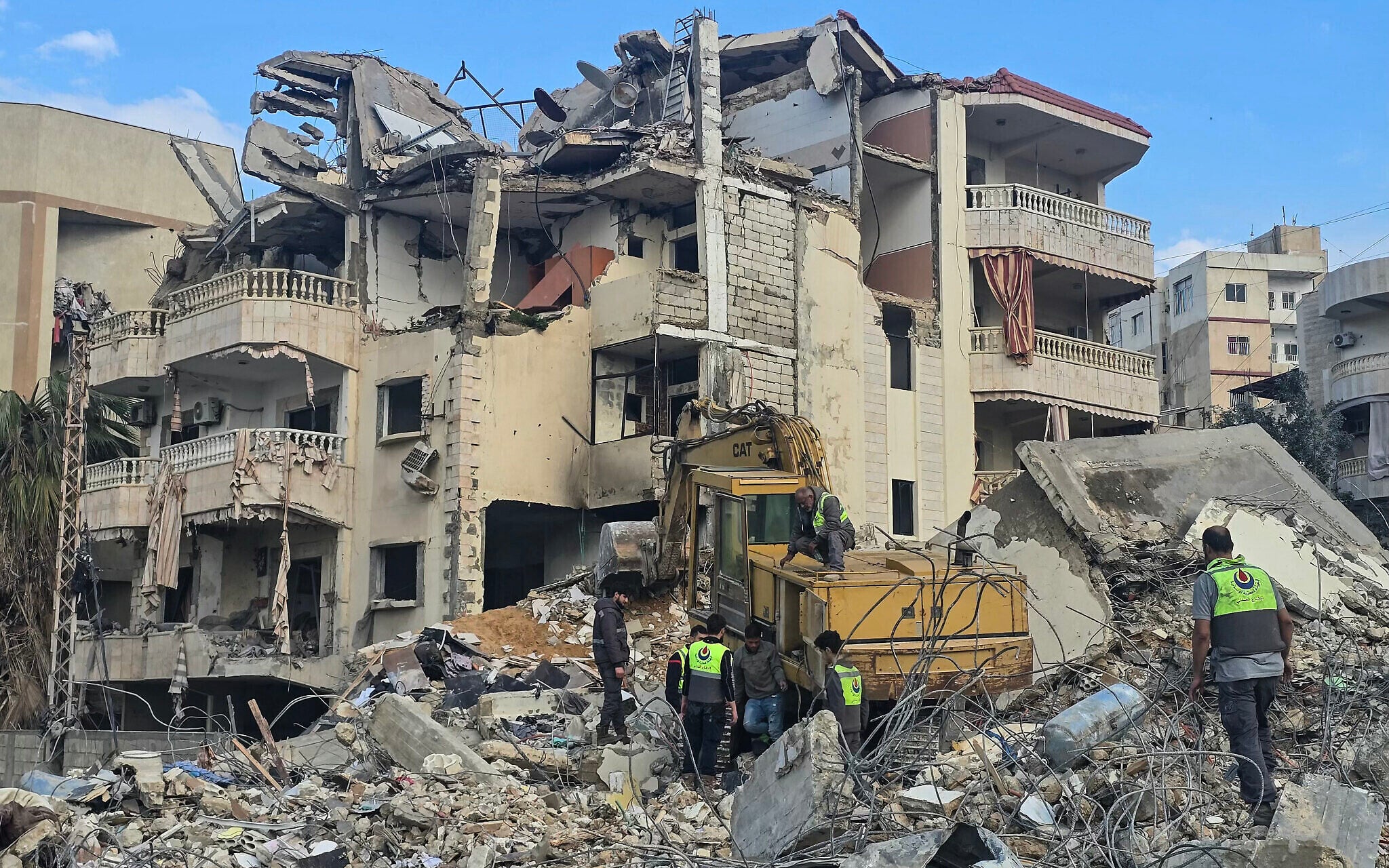
Israel had held on to five strategic border posts inside Lebanon, citing security concerns, and regularly carried out airstrikes on Hezbollah strongholds in the country, accusing the group of ceasefire violations.
Over 1,500 people have been killed in Lebanon and about a million displaced since March 2, according to Lebanese authorities. The IDF says it has killed some 1,100 Hezbollah operatives, including hundreds of members of the terror group’s elite Radwan Force, in that period.
Eleven IDF soldiers have been killed in southern Lebanon in the renewed fighting against Hezbollah, two civilians were killed by Hezbollah rockets, and an Israeli civilian was mistakenly killed in the north by Israeli artillery shelling.
‘One of the gravest strategic failures Israel has known’
While domestic reaction to the Iran truce was limited because of the Passover holiday, Israeli opposition leaders accused Netanyahu of failing to secure Israel’s demands as part of the ceasefire.
“There has never been such a diplomatic disaster in all our history,” Opposition Leader Lapid, head of the centrist Yesh Atid party, wrote on X. “Israel wasn’t even at the table when decisions were made concerning the core of our national security.”
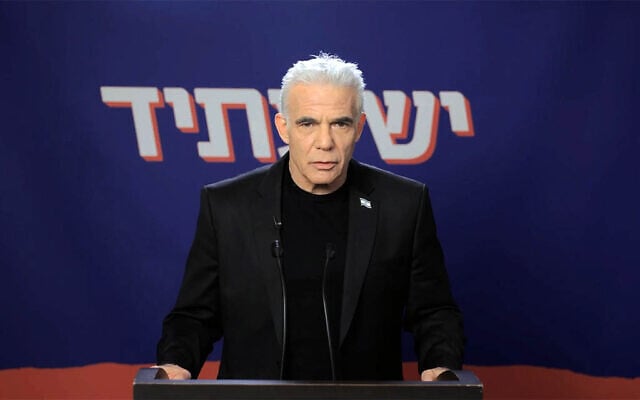
While “the military carried out everything it was asked to do [and] the public showed remarkable resilience,” Netanyahu “failed diplomatically, failed strategically and did not meet any of the goals he himself set,” said Lapid.
“It will take us years to repair the diplomatic and strategic damage that Netanyahu caused due to arrogance, negligence and a lack of strategic planning,” Lapid said.
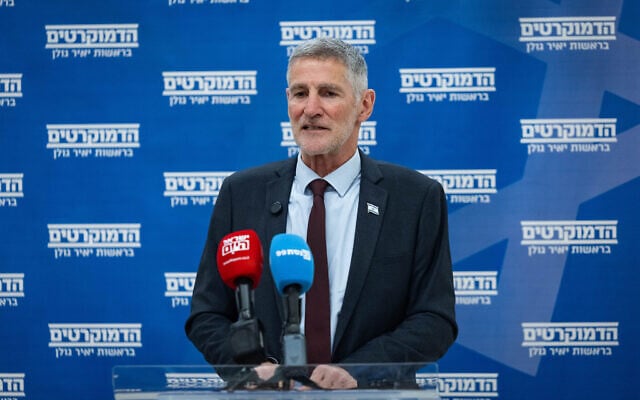
Yair Golan, head of the left-leaning The Democrats party, wrote that “Netanyahu lied. He promised a ‘historic victory’ and security for generations, and in practice, we got one of the gravest strategic failures Israel has known.”
“Blood was spilled. Brave citizens killed. Soldiers fell. An entire nation in shelters,” but “none of the goals were accomplished: The nuclear program was not destroyed; the ballistic threat remains; the regime is in place and is even stronger coming out of this war,” wrote Golan.
MK Avigdor Liberman, head of the hawkish Yisrael Beytenu party, warned that “a ceasefire with Iran gives the ayatollahs’ regime a break and time to regroup.”
“Any agreement with Iran, without giving up on destroying Israel, enriching uranium, manufacturing ballistic missiles and supporting terror groups in the region, means we’ll return to another war in harder conditions with a heavier price,” Liberman wrote on X.
Trump’s ceasefire announcement was also met with immediate criticism from within Netanyahu’s coalition, with MK Zvika Fogel, of the far-right Otzma Yehudit party, who wrote on X: “Donald, you came off as a duck!” Fogel did not comment on Netanyahu’s role in the ceasefire.
Agencies contributed to this report.
