

In an evolving health landscape, emerging research continues to highlight concerns that could impact everyday wellbeing. Here’s the key update you should know about:
New research in U.S. firefighters reveals how workplace practices, personal factors, and environmental exposures shape PFAS levels, offering insights into practical strategies to reduce long-term chemical exposure risk.
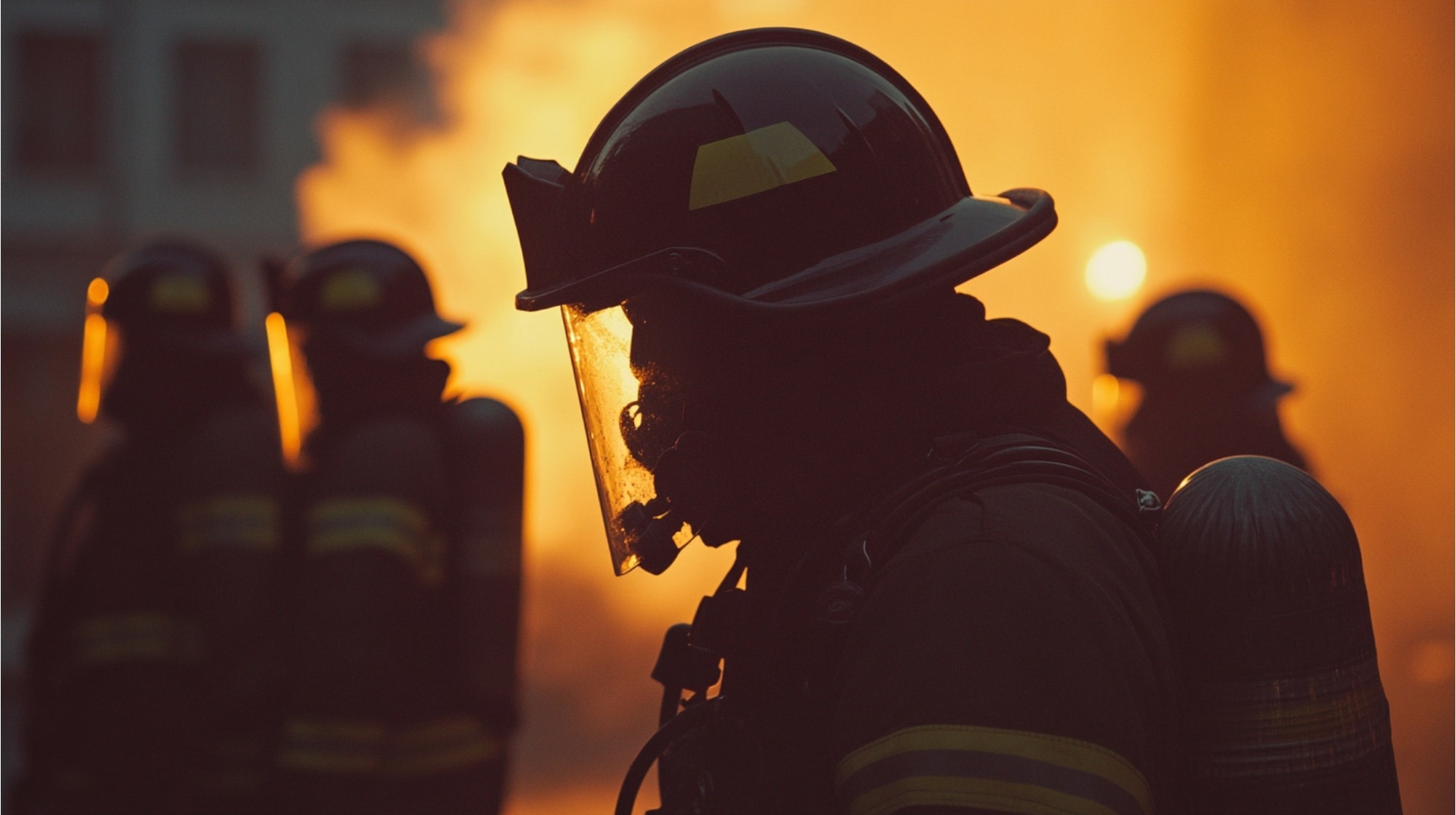
Study: Predictors of serum per- and polyfluoroalkyl substances (PFAS) levels among U.S. career firefighters. Image Credit: Rapit Design / Shutterstock
In a recent study published in the Journal of Occupational and Environmental Medicine, researchers investigated factors predicting serum concentrations of multiple per- and polyfluoroalkyl substances (PFAS) among American firefighters. The findings identified distinct personal and workplace predictors for specific PFAS analytes rather than uniform effects across all compounds, reflecting differences in chemical subclasses and exposure pathways and highlighting potential targets for exposure-reduction interventions.
Background: PFAS as Persistent Occupational and Environmental Hazards
PFAS are synthetic chemicals widely used for their water- and grease-resistant properties and are often referred to as “forever chemicals” due to their environmental persistence. They are present in numerous consumer and industrial products, including aqueous film-forming foams (AFFF), textiles, cookware, and food packaging, resulting in widespread contamination of air, water, soil, and food.
As a consequence, nearly the entire U.S. population has detectable PFAS levels, with these compounds accumulating in human tissues over the years. Exposure has been associated with adverse health outcomes, including cancer, cardiovascular disease, endocrine disruption, and accelerated biological aging.
Firefighters may experience elevated PFAS exposure through occupational use of AFFF, combustion of PFAS-containing materials, contaminated dust, and contact with protective gear. Previous studies have reported higher serum PFAS concentrations among firefighters and identified limited predictors such as years of service and blood donation. However, knowledge of modifiable individual- and organizational-level predictors remains limited.
Study Design and Cohort Characteristics
Researchers evaluated agency-level, occupational, lifestyle, and demographic predictors of serum PFAS concentrations in a large, multi-state cohort of United States firefighters. This cross-sectional analysis included 2,056 participants from the Fire Fighter Cancer Cohort Study (FFCCS), a national cohort established to examine occupational exposures and health outcomes.
Participants provided blood samples between July 2023 and October 2024 during baseline or follow-up visits and were employed at fire agencies across seven states. Individual-level data were collected via electronic surveys covering demographics, lifestyle behaviours, health history, firefighting practices, and occupational exposures. Agency-level data, including departmental policies and resources, were obtained from designated fire service liaisons.
PFAS Measurement and Statistical Methods
Blood samples were processed and analysed for 20 PFAS analytes using a standardized CDC laboratory method. Eight analytes with concentrations above the limit of detection in at least 75% of participants were included in the primary analyses. Serum PFAS concentrations were log-transformed, and values below detection limits were imputed using standard approaches.
Associations between predictors and PFAS concentrations were assessed using adjusted linear regression and linear mixed-effects models, accounting for demographic covariates and clustering by fire agency where appropriate. Results were reported as percent changes in geometric mean concentrations with corresponding confidence intervals.
Key Findings: Demographic and Non-Occupational Predictors
The cohort was predominantly male, White, and non-Hispanic, with a mean age of 40 years and an average firefighting career length of 14 years. All eight primary PFAS analytes were detected at high frequencies. Age was positively associated with all measured compounds, while female firefighters exhibited significantly lower concentrations across analytes.
Several non-occupational predictors were identified. Blood and plasma donation were strongly associated with lower PFAS levels, particularly among plasma donors. Drinking water source also influenced exposure: bottled water was associated with lower concentrations of certain PFAS (notably PFOA-related measures and PFNA), whereas well water use was associated with higher concentrations. Military service was associated with elevated PFAS-related measures.
Occupational and Agency-Level Predictors of PFAS
Occupational factors played a substantial role. Longer service duration, higher rank, and current AFFF use were primarily associated with increased concentrations of PFOA-related analytes rather than uniformly higher PFAS levels. Protective practices such as on-scene decontamination and participation in hood swap or cleaning programmes were associated with lower concentrations of some PFAS, particularly PFOA-related compounds.
Agency-level policies also mattered. Practices such as washing gear before storage, providing gear bags, frequent dusting of living quarters, and the use of reverse osmosis water filtration were associated with reduced concentrations of specific PFAS analytes, for example, PFNA. Conversely, carpeted station living areas were linked to higher levels. Some findings were unexpected, including higher PFHxS levels in departments with marked contamination zones and higher PFHpS concentrations under less frequent dusting schedules, suggesting complex, potentially compound-specific exposure pathways.
Conclusions and Implications for Exposure Reduction
This study identified multiple individual- and department-level predictors of serum PFAS concentrations among United States firefighters, underscoring the importance of both personal behaviours and workplace practices. Associations with age, sex, military service, drinking water source, and AFFF use were consistent with prior research, while novel findings emerged for firefighter rank and specific agency policies.
Notably, blood and plasma donation were strong predictors of lower PFAS concentrations, supporting evidence that these practices may reduce body burden. Protective occupational practices and station policies were associated with lower concentrations of selected analytes rather than across all PFAS, highlighting heterogeneity between subclasses and exposure routes and pointing to actionable intervention opportunities.
Strengths of the study include its large sample size, multi-state design, and integration of individual- and agency-level data. Limitations include the cross-sectional design, reliance on self-reported data, and potential regional influences on generalisability. Despite these constraints, the findings provide valuable evidence to guide PFAS exposure-reduction strategies. Longitudinal and intervention studies are needed to confirm causality and evaluate the effectiveness of targeted policy and behavioural changes within the fire service.
Journal reference:
- Conner, R., Hollister, J., Lutrick, K., Beitel, S.C., Wardenaar, F.C., Porter, C., Healy, O., Kern, K.J., Gulotta, J.J., Valliere, E.A., Godfrey, O.J., Furlong, M., Burgess, J. (2026). Predictors of serum per- and polyfluoroalkyl substances (PFAS) levels among U.S. career firefighters. Journal of Occupational and Environmental Medicine. DOI: 10.1097/JOM.0000000000003670, ttps://journals.lww.com/joem/abstract/9900/predictors_of_serum_per__and_polyfluoroalkyl.1090.aspx
