


There’s no denying the popularity of weight-loss drugs in the United States, with one in eight adults relying on GLP-1s to shed pounds or treat a chronic condition, according to a November survey by health policy organization KFF.
The GLP-1 industry is generating billions in revenue – and growing. Medications, like Ozempic and Wegovy, raked in more than $31 billion in revenue for Danish pharmaceutical company Novo Nordisk in 2024, accounting for meaningful chunk of Denmark’s GDP, Reuters reports.
Weight loss drugs have also rapidly spread through the cultural zeitgeist with celebrities endorsing and admitting their use of the products. Social media is alight with conversation over the drugs with hashtags like “Ozempic face” being used to describe the apparent effects of rapid weight-loss. And it’s possible we’ll see greater uptake of GLP-1s now that the drugs, once only available as injectables, are being made in pill form.
But the impact of GLP-1s stretches far beyond the health and well-being of those using them: they’re impacting revenues — for better or worse — in a swath of industries.
Appetite for change
Studies show that GLP-1 use contributes to lower spending on groceries and fast food. Weight loss can change patients’ eating habits and appetite, according to Nicolette Pace, a registered dietitian based in New York.
“When they’re losing weight, people sometimes go, ‘I’m not as hungry’ … and ‘I just don’t eat as much as I used to,’” Pace told The Independent.
GLP-1s can also curb cravings because they impact “reward centers” of the brain, according to Dr. Will Haas, a board-certified integrative medicine physician in North Carolina.
“You’re not getting that same kind of reward feedback loop from some of the ultra-processed foods,” he told The Independent.
It appears grocery baskets are taking a hit. Households with at least one GLP-1 user saw their grocery spending drop by more than 5 percent within six months, according to a study published in the peer-reviewed Journal of Market Research in December.
A study published in January, by the consulting firm Bain & Company, also revealed that U.S. consumers taking GLP-1s spend an average of 5 percent less on fast food.
Some of the biggest fast food companies are already seeing falling sales and economic analysts have described weight loss drugs as “demand disruptors” in the industry, CBS News reported.
McDonald’s could lose up to 28 million customer visits and $482 million per year due to the growing popularity of GLP-1 medications, Redburn Atlantic, a financial analysis firm, told CBS News.

Some food companies are trying new marketing schemes to appeal to weight-loss drug users. In groceries stores across the U.S., more and more products are being labeled as “GLP-1 friendly,” especially if the items are high in protein. However, these labels are unregulated, which means patients should still read ingredient lists and consult with their doctors about their diet, according to the Associated Press.
Pace warns that people looking to lose weight can’t just eat less — they also have to consider making healthier food choices.
“You think you’re spending less on food. But how many people are really making the transition into making healthier food choices, and they’re just not eating exactly the same way, they’re just eating less, letting the pill do all the work? I’ve seen a lot of that,” she said.
Backing off the booze
It’s not just food — weight-loss drugs have seen some users cutting back on alcohol and other beverages.
Haas said many of his patients who take GLP-1s report “reduced cravings and lower alcohol consumption as a result.” That means they’re likely spending less on alcohol when they go out, too.
Financial analysts have observed a similar trend. About 44 percent of GLP-1 users drink less after starting the medication, and 82 percent maintain those habits even after stopping, according to a March 2025 survey by EY-Parthenon.
Alcohol stocks tumbled last summer, and rising GLP-1 use may have contributed to this dip in sales, according to Forbes. Brown-Forman, the company that produces Jack Daniel’s whiskey, has warned the industry is facing pressure because of a number of factors, including weight-loss drugs and lower demand from younger adults, the outlet reports.
Patients who use weight-loss drugs may also be drinking less because they have a renewed focus on their health.
“You’re also going to have the secondary effect of people saying, ‘Hey, I’m making this investment in my health, I should probably make smarter health decisions elsewhere in my life,” Haas explained.

GLP-1 users also report lower consumption of other beverages, including coffee and soda. This could mean trouble for major beverage makers – but some industry leaders aren’t worried, according to Food Dive.
Coca-Cola CFO John Murphy has said the popular soda brand is already “well positioned to provide choice and to provide options for people’s respective motivations and needs,” thanks to its selection of drinks with few or no calories, Food Dive reports.
Flying start
The increased popularity of GLP-1s means airlines are carrying slimmer passengers, which in turn reduces their fuel costs, according to a recent report by the Wall Street firm Jefferies.
Analysts estimate these drugs could save the top U.S. airlines up to $580 million over the next year.

“A slimmer society = lower fuel consumption. Airlines have a history of being vigilant around aircraft weight savings, from olives (pitless, of course) to paper stock,” the firm wrote in a note to clients seen by CNBC.
Fashion conscious
Weight-loss medications are proving to be a major disrupter to the fashion and beauty industries. Sales of smaller sizes are steadily rising, according to a September study from Impact Analytics, bucking the previous trend of an increase in larger sizes.
Returns are also up – and means fashion brands could lose out on revenue if they don’t adapt, the firm said.
“The rise of GLP-1s is collapsing traditional demand patterns at a speed retailers have never experienced before” wrote Impact Analytics founder Prashant Agrawal. “Our data shows billions of dollars in retail margins for inventory are at risk unless brands start planning for the shopper of 2027, instead of the shopper of 2022.”
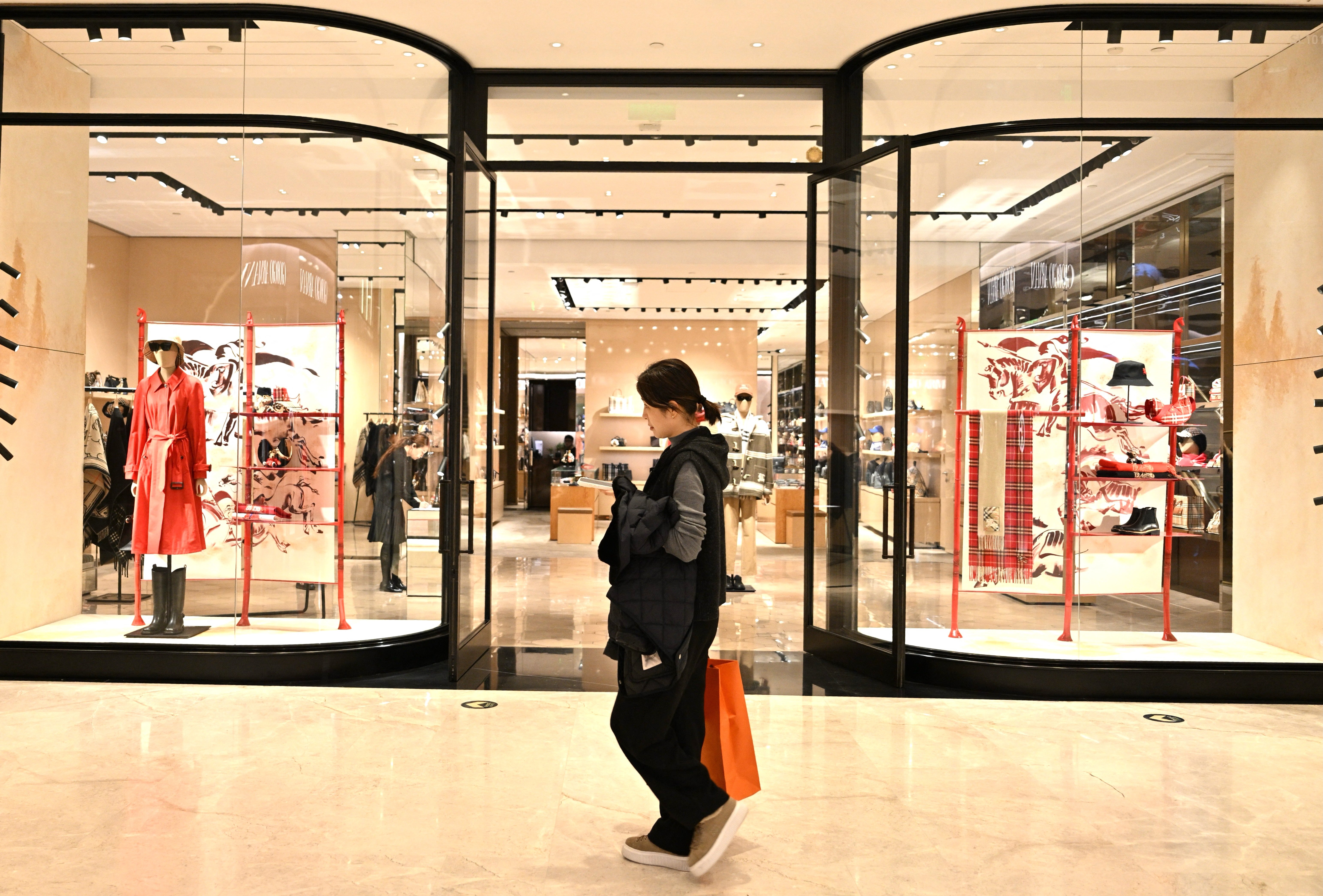
Some U.S. retailers are moving quickly. Avneet Singh, founder of men’s clothing line Regent Row, told CNBC stores are already “putting fewer extended sizes on the rack.”
“You’ll see tighter size runs in store and more ‘online-only’ tags once you hit 2XL and up,” he said.
The beauty industry is also taking note.Vogue reports some companies have started producing GLP-1 specific skincare products as dry and tight skin is a reported side effect of weight loss drugs.
Muscling in
Dr Haas is seeing more patients investing in their fitness and learning about what workouts are important to combine with weight loss drugs.
“A lot more people talk about going to the gym to do resistance exercise training. So that is another big shift I’ve seen: people now buying into the concept that cardio is not great. Because they’re hearing the importance of not losing that muscle mass,” Haas said.
Gym owners appear optimistic that GLP-1s will benefit the industry, Axios reports. Some companies, like Life Time, are even creating tailored fitness programs for GLP-1 users, according to the outlet.
“We know that if you’re going to succeed with GLP-1s, you’re going to have to learn how to exercise. You’re going to need to have some resistance exercise in order to maintain lean muscle, and you have to have proper dietary guidance,” Life Time’s chief science officer Jim LaValle told Axios.
Source link
