

Trouble sleeping was the first sign I was perimenopausal — expert-recommended tips I’m using to combat insomnia and nighttime anxiety
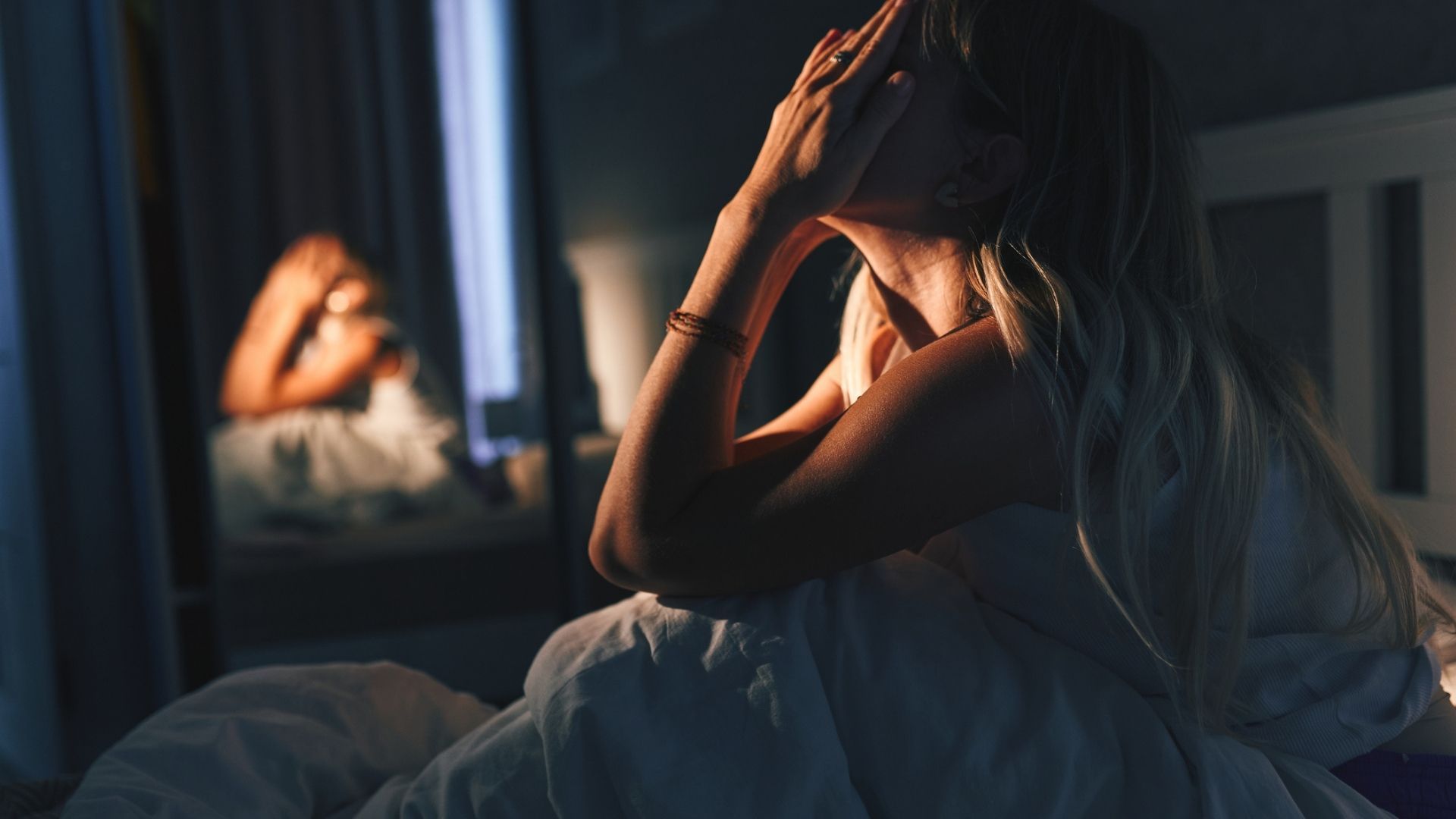
Throughout my teens, twenties and early thirties, great sleep was something I could always rely on. But now that I’m in my early 40s, trouble sleeping has started to punctuate my nights — and perimenopause is likely to blame.
Sleep disturbances caused by perimenopause are more common than you might think. Studies indicate that as much as 47% of women experience sleep difficulties during the perimenopause. This is the reproductive stage leading up to the menopause and lasts, on average, around four years.
Here, Dr. Lindsay Browning, a globally renowned sleep expert, outlines how perimenopause can wreak havoc on your sleep, as well as sharing the coping mechanisms she recommends.
Meet the expert: Dr. Lindsay Browning
Dr. Lindsay Browning, BSc MSc (Oxon) CPsychol AFBPsS, is a chartered psychologist, neuroscientist, sleep expert and author of Navigating Sleeplessness. Dr. Browning founded her sleep clinic, Trouble Sleeping, in 2006 to help people improve their sleep, and can be found on all social media @DrBrowningSleep.
What is perimenopause?
Perimenopause is the transitioning stage between a woman’s fertile years and the menopause, which marks the end of menstruation. It can start as early as your mid-thirties or as late as your mid-fifties, but for most women it starts around your mid-forties.
Perimenopause is characterized by fluctuating hormone levels, including estrogen and progesterone. These fluctuations can impact your sleep in several ways, including hot flashes and nighttime anxiety.
My journey with sleep and perimenopause
My first clue that I had likely entered perimenopause was when I began to find myself wide awake at 3 a.m., staring at the ceiling. After decades of being able to sleep anywhere at the drop of a hat — airplanes, cars, the floor, you name it — being unable to stay asleep all night was entirely new to me.
While the rest of the house slept, my heart would be racing and I’d be gripped with unfamiliar feelings of panic. Exhausted, I would eventually fall into a light and restless sleep.

The following day, running on the fumes of five hours or so of broken sleep, I would experience brain fog like no other. A symptom of sleep deprivation, surely? However, as a woman in her early 40s, I knew that perimenopause could be the root of the issue.
Ironically, although perimenopause can cause sleep disruptions, studies indicate the quality sleep can help stave off common symptoms of perimenopause, including mood-disruptions and brain fog.
While nighttime anxiety has been a defining feature of my perimenopause sleep journey so far, it can affect sleep in a myriad of different ways. Let’s dig into them…
How perimenopause can cause sleep disturbances
Fluctuating levels of estrogen and progesterone can cause a slew of nighttime sleep disturbances during perimenopause. These are the most common:
Hot flashes

Perhaps the most recognizable perimenopause symptom, a dip in estrogen and progesterone essentially leaves our brains sensitive to small changes in temperature, triggering hot flashes. Hot flashes (or flushes) typically last between three and four minutes and are characterized by an intense feeling of heat.
“Perimenopause can affect sleep in a few ways,” explains Dr. Browning, a chartered psychologist and neuroscientist. “Firstly, fluctuating hormone levels such as estrogen and progesterone can trigger nighttime hot flushes and night sweats which can increase awakenings and make it harder to go back to sleep again.”
Not all women will experience hot flashes during perimenopause (I haven’t), with an estimated 35-50% of perimenopausal women experiencing the unpleasant side effect.
Nighttime anxiety
A dip in estrogen and progesterone can lead to an increase in cortisol, the ‘stress’ hormone that triggers our fight or flight response. While cortisol levels rise naturally from around 3-4 a.m. in order to help us wake up in the morning, a higher baseline level of cortisol than normal can result in nighttime anxiety.
Heightened feelings of anxiety can be experienced at any point in the day during perimenopause. However, as someone now prone to waking up at night, I know firsthand that these feelings of panic can feel more pronounced at night.

Frequent nighttime awakenings
Sleep is lighter during perimenopause, which means that nighttime awakenings are more prevalent. Whether it’s an uncomfortable mattress, noisy neighbors or hot flashes, what you might have been able to sleep through before is likely keeping you awake now.
“The fact that sleep becomes lighter with age makes these awakenings more noticeable and more disruptive,” continues Dr. Browning.
Sleep apnea
Studies indicate that perimenopausal women are at a heightened risk of developing obstructive sleep apnea (OSA), a sleep disorder characterized by loud snoring and brief breathing interruptions during sleep.
“[Perimenopause is associated with an] increasing risk of developing sleep apnea during midlife due to reducing muscle tone and potential increasing weight,” explains Dr. Browning.

Insomnia
Given all the reasons listed above, it’s hardly surprising that studies estimate that between 31-42% of perimenopausal women experience insomnia.
“Perimenopause is associated with an increased risk of insomnia including difficulty falling asleep and waking up too early and being unable to fall back to sleep again,” explains Dr. Browning, the author of Navigating Sleeplessness.
Expert-approved ways to sleep better during perimenopause
While it’s easy to worry about the sleep you’re getting (or not) during perimenopause, Dr. Browning has plenty of advice on how to sleep better during this reproductive stage.
1. Invest in breathable bedding
“If your sleep is disrupted by waking up with a night sweat, then it’s important to take practical steps to help minimize the disruption,” advises Dr. Browning. That means sleeping on a cooling mattresses and investing in breathable bedding and pajamas that can wick away sweat.
Dr. Browning also recommends “keeping a clean dry pair of pajamas close to the bed to easily change into. Some people find it useful to sleep on a towel or keep a bottle of water to spritz on your face or pillow during the night if you get too hot.”

While I’ve yet to experience night sweats or hot flashes, nighttime anxiety increases my temperature, leading me to kick off the covers in frustration. To help keep temperatures regulated, I use cotton bed sheets and pajamas, which are breathable.
Plus, I ensure my bedroom is nice and cool before going to bed — 65 to 70 F (18 to 21 °C) is the best temperature for sleep. Sleeping with the window open ajar (even in winter) recycles stale air with fresh and keeps temperatures regulated.
2. Switch up your sleep position
If you’re waking with a dry mouth, the chances are that you were sleeping with your mouth open, and likely snoring. This could potentially be caused by the onset of obstructive sleep apnea, which is more prevalent in perimenopausal women.
For back sleepers, switching your sleep position to your side can help lower the prevalence of sleep apnea, with tongue and jaw placements in this position helping to un-obstruct airways.
While I can sleep comfortably on both my back or side, learning that I have a heightened risk of sleep apnea means I now always make the effort to sleep on my side.
Loud snoring, breathing interruptions, daytime lethargy and headaches are all symptoms of sleep apnea, and should be brought to the immediate attention of your doctor for treatment.

3. Stick to a regular sleep schedule
“Another key recommendation to improve sleep during perimenopause is to keep a fairly regular bedtime and wake time seven days per week, since having fairly consistent sleep timing supports a stable circadian rhythm and better sleep quality,” recommends Dr. Browning.
Other ways to cement an optimally functioning circadian rhythm for better sleep quality include getting plenty of daylight, ideally within the first 30-60 minutes of waking.
For me, investing in a sunrise alarm clock is one of the best things I’ve ever done for sticking to a sleep schedule. I wake up bathed in ‘sunlight’ in the depths of winter at 6.30 a.m. every day (yes, even on the weekend.) In the evening, I aim to go to bed within one hour of 10 p.m.

4. Don’t become fixated on sleep
Sleep disturbances caused by perimenopause are common, but Dr. Browning warns that becoming fixated on our sleep can lead to an increase in anxiety, which can make sleeping even harder to come by.
For me, reminding myself that feelings of anxiety are driven by hormone fluctuations is helpful and helps steady the rising feelings of panic.
“Sleeping difficulties are common during perimenopause, and it’s important not to respond by overcompensating or becoming fixated on your sleep,” advises the sleep specialist.
“Understanding that your night’s sleep may include more frequent awakenings, particularly due to physical symptoms such as night sweats, can help to reduce the anxiety and help to normalize it. Brief awakenings are a normal part of sleep and often get more noticeable at this stage,” she concludes.

Follow Digitpatrox on Google News and add us as a preferred source to get our up-to-date news, analysis, and reviews in your feeds.
Source link
