

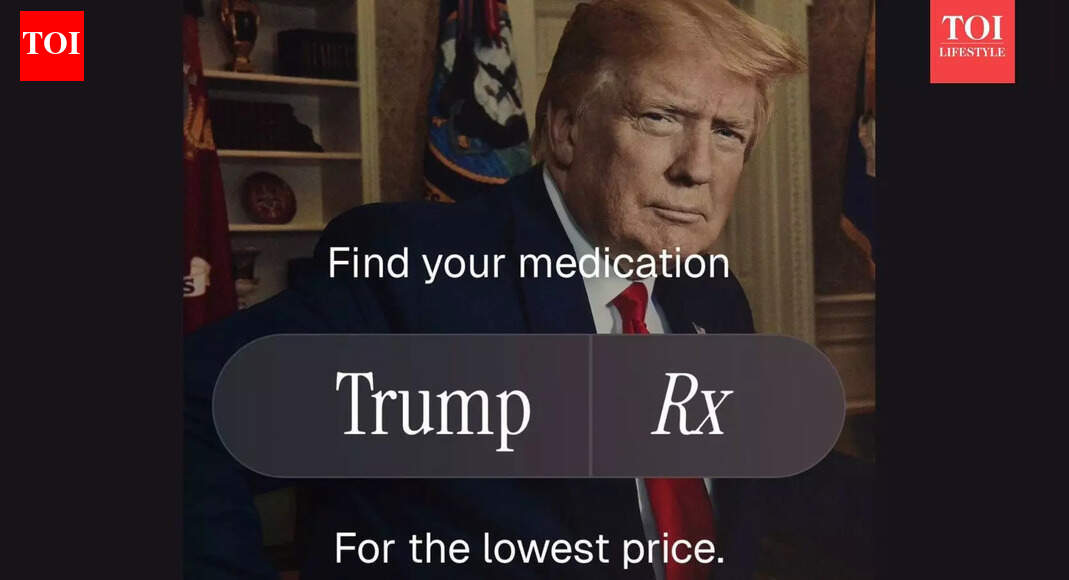
In late 2025, President Donald Trump unveiled a high-profile initiative aimed at tackling one of the most persistent and politically charged issues in American healthcare: sky-high prescription drug costs. Dubbed “TrumpRx”, the program TrumpRx.gov is anchored by a forthcoming government website and promises to deliver steep discounts on medications for US consumers by cutting out traditional middlemen and forging direct deals with pharmaceutical companies.Trump and top White House officials have cast TrumpRx as a breakthrough in affordability, one that could revolutionise how Americans buy their prescriptions but as the program prepares to launch, currently slated for January 2026, its details, potential impact and broader implications have sparked debate among policymakers, industry leaders and patient advocates.
What exactly is TrumpRx?
At its core, TrumpRx is the branding for a new federal effort, anchored in a government-run digital portal and designed to help patients find and purchase prescription drugs at significantly discounted prices. The official website describes it as a platform that won’t sell medications itself but will connect consumers directly to the best available prices, ideally cutting out costly third-party markups and insuring intermediaries.
Is TrumpRx the Biggest Shake-Up to US Drug Prices in Decades?
According to the White House, TrumpRx stems from an executive order signed earlier in 2025 aimed at delivering “Most Favored Nation” (MFN) pricing, a policy that forces drug prices in the U.S. to align with the lowest prices paid in other wealthy countries like Canada, Germany, France and Japan. This approach is intended to eliminate the glaring gap where Americans often pay far more for the same drugs than patients abroad. Though the initial rollout focuses on direct-to-consumer (DTC) access, administration officials have also signalled partnerships with pharmacy savings platforms and retail chains to expand distribution. In some cases, health insurers like Cigna and pharmacy retailers like CVS have agreed to participate in TrumpRx-linked pricing initiatives, offering steep discounts on select infertility medications and other drugs at participating outlets.
Historic context: Why TrumpRx matters right now
Prescription drug costs have been a perennial political flashpoint in the United States. Americans often pay far more for the same medications than peers in other developed countries, which is a disparity that has been highlighted by government reports and health policy research for years. TrumpRx aims to tackle that gap by forcing price parity and creating new purchase pathways that bypass traditional insurance and pharmacy benefit managers.
(AP Photo/JoNel Aleccia, File)
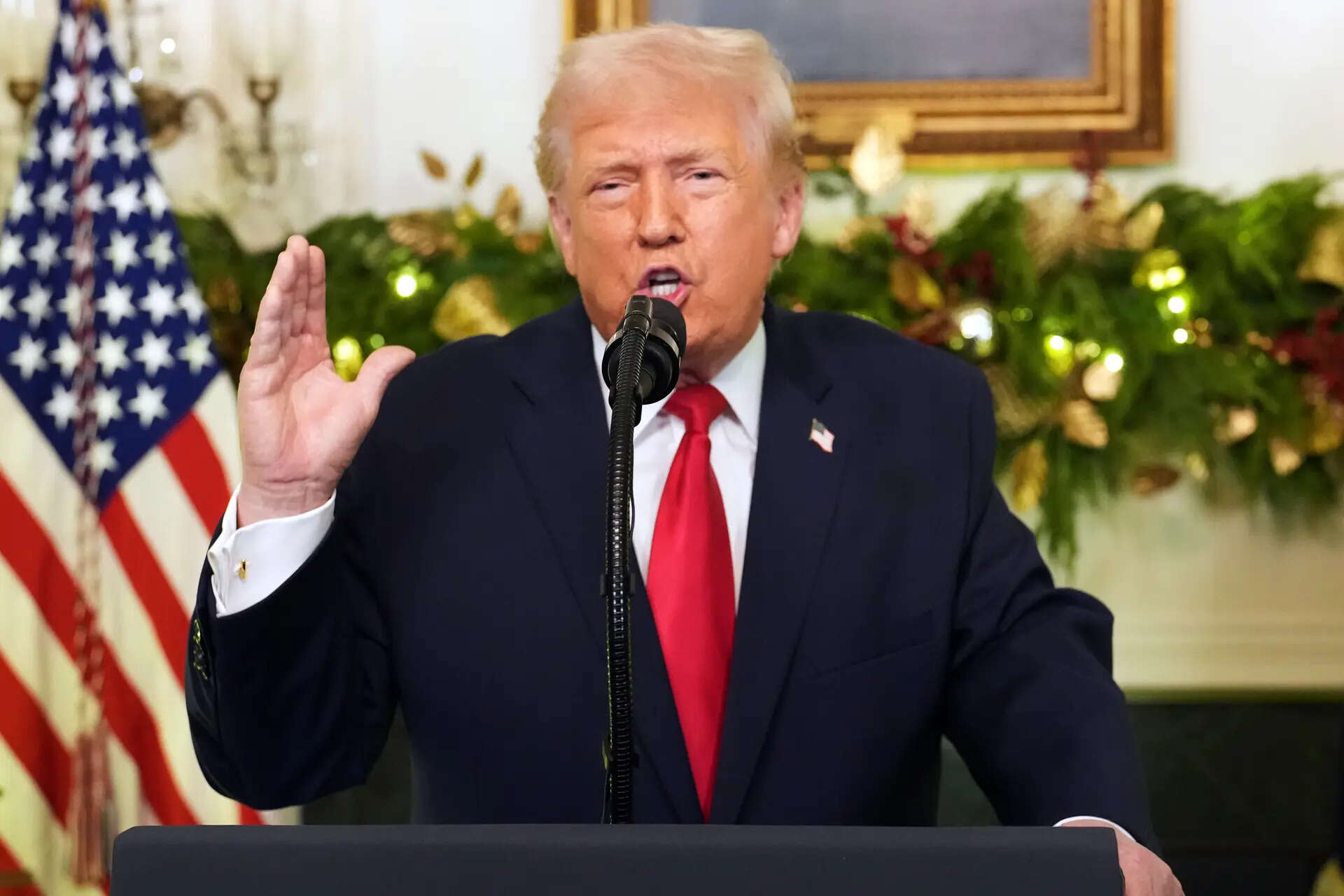
President Trump’s announcement, covered widely in major outlets, featured his claim that drug price reductions of 400%–600% were possible under TrumpRx, coupled with aggressive rhetoric about pharmaceutical pricing structures and insurance companies. He spoke of a system in which Americans no longer “shoulder the cost of drug development for the world” and promised that the new website would offer direct access to lower prices from manufacturers.
Lesser-known facts you probably haven’t heard
- Deals already signed with major drug manufacturers: TrumpRx isn’t just branding, the administration has already clinched agreements with major pharmaceutical companies. As per PharmaSourcePfizer became the first company to sign on under the MFN framework, agreeing to offer select drugs through TrumpRx at prices matched to the lowest available in OECD countries. The White House has also encouraged additional deals and AstraZeneca, another pharmaceutical giant, agreed to provide some of its drugs at discounts of up to 80 % under the program’s model. These agreements are significant because they represent real contractual commitments beyond campaign rhetoric and they tie drug pricing to international benchmarks that historically have been avoided in US policy.
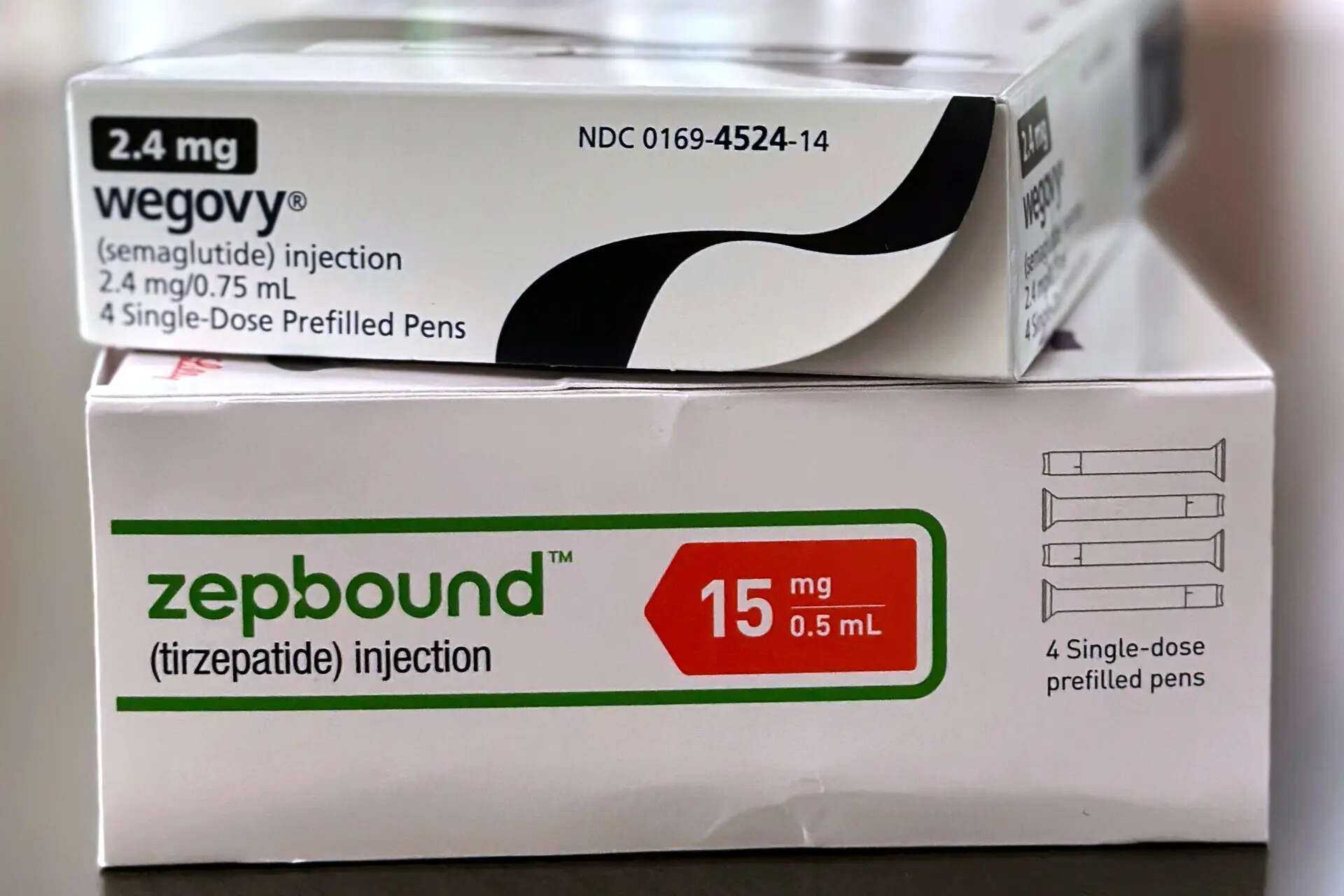
- TrumpRx covers some high-profile medications: Reports by Healthline claim that through agreements with companies like Eli Lilly and Novo Nordisk, TrumpRx is set to offer popular GLP-1 weight-loss and diabetes drugs (like
Wegovy andZepbound ) at sharply lower prices, reportedly closer to $150 – $350 per month through TrumpRx than the much higher fees patients currently pay. This has put TrumpRx squarely in the spotlight amid ongoing debates over accessibility to modern, high-cost medications, from weight-loss therapies to in-vitro fertilization (IVF ) drugs that are also slated for heavy discounts. - TrumpRx is not traditional insurance: Unlike Medicare, Medicaid or private health insurance, TrumpRx does not replace insurance coverage. Instead, it is designed as an alternative direct-to-patient purchasing platform where people without insurance or those who prefer to buy outside insurance can shop for discounted prescription drugs. Experts note this distinction matters because many Americans with insurance already receive negotiated discounts far below retail pricing, meaning TrumpRx’s utility could vary dramatically by individual circumstance.
- Critics say impact may be limited: Despite bold claims, health policy analysts argue that TrumpRx’s actual impact may be narrower than promised. Some analysts have called it a “splashy announcement without a lot of substance,” noting that most drugs are already covered under deeply negotiated insurance deals and that the benefits might accrue primarily to the uninsured or underinsured. Others caution that structural issues such as the role of pharmacy benefit managers (PBMs), insurance networks and downstream pricing mechanisms could blunt TrumpRx’s effectiveness unless broader reform accompanies the initiative.
- TrumpRx could redefine how patients access care: Proponents of TrumpRx see a longer-term transformation beyond simple price cuts where the program could pave the way for a more direct relationship between patients and manufacturers, bypassing intermediaries and potentially fostering new models of drug distribution similar to rising direct-to-consumer trends in other health sectors. For independent pharmacies and plan sponsors, this structural shift represents a challenge to long-standing pricing and distribution systems that have defined US drug purchasing for decades.
What comes next: Launch and expectations
The TrumpRx website, housed at TrumpRx.gov, is currently marked as “coming soon” with an official launch targeted for January 2026. Once live, users will be able to search for medications and be redirected to discount options from participating manufacturers. The Trump administration has framed this as fulfilling a longstanding promise to reduce prescription drug costs, while its backers tout the initiative as a consumer empowerment tool that could force price transparency and competition into a historically opaque system.
Bottom line
TrumpRx represents one of the Trump administration’s most ambitious health policy initiatives of 2025, blending direct pharmaceutical deals, executive action on pricing and a digital platform aimed at disrupting traditional prescription economics. While its real-world impact remains to be fully seen, the program has already drawn cooperation from major drugmakers, promises of steep discounts on certain medications and scepticism from policy analysts who caution that lowering drug costs will require more systemic reforms.As the site’s launch approaches, Americans, insured and uninsured alike, are watching closely to see whether TrumpRx delivers the affordability and access revolution that its name boldly promises or whether it will resemble another headline-grabbing announcement with limited everyday impact.
Source link
