

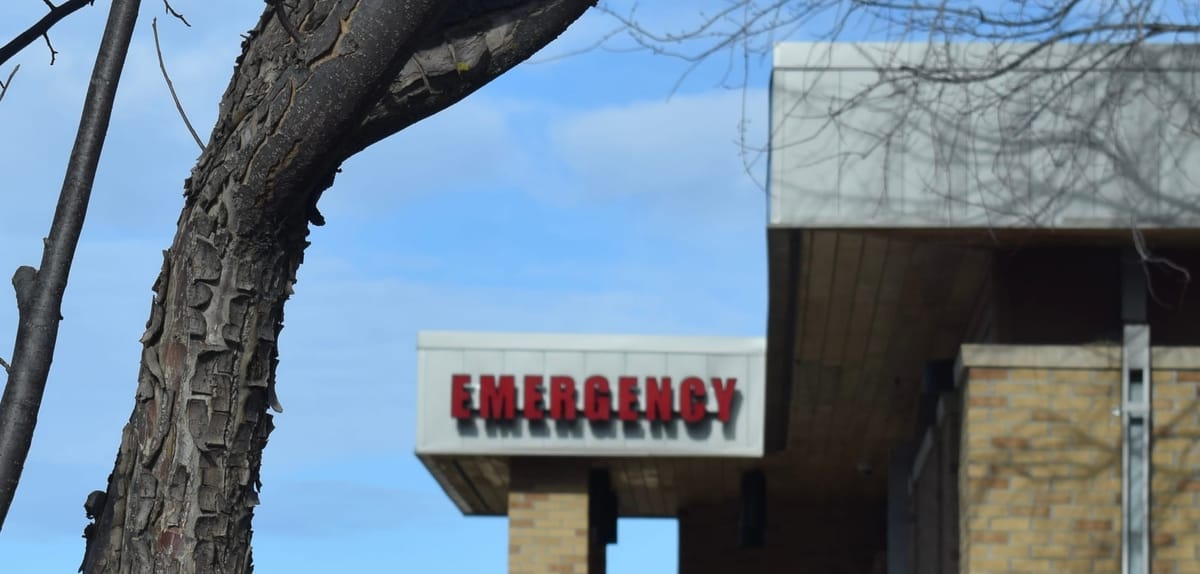
Rural South Dakotans may see incremental changes to their health care coverage in the next year after $189 million in funding was awarded to the state, but the most significant improvements will likely take more time, industry leaders said.
In his State of the State address Jan. 13, Gov. Larry Rhoden said that the bill authorizing federal funds for the Rural Health Transformation Program should be prioritized by Congress.
“We could be the first state in the nation to authorize this funding, so I would love it if this was the first bill that reaches my desk,” Rhoden said during the speech.
Health care in South Dakota, explained
The key players and where they operate.
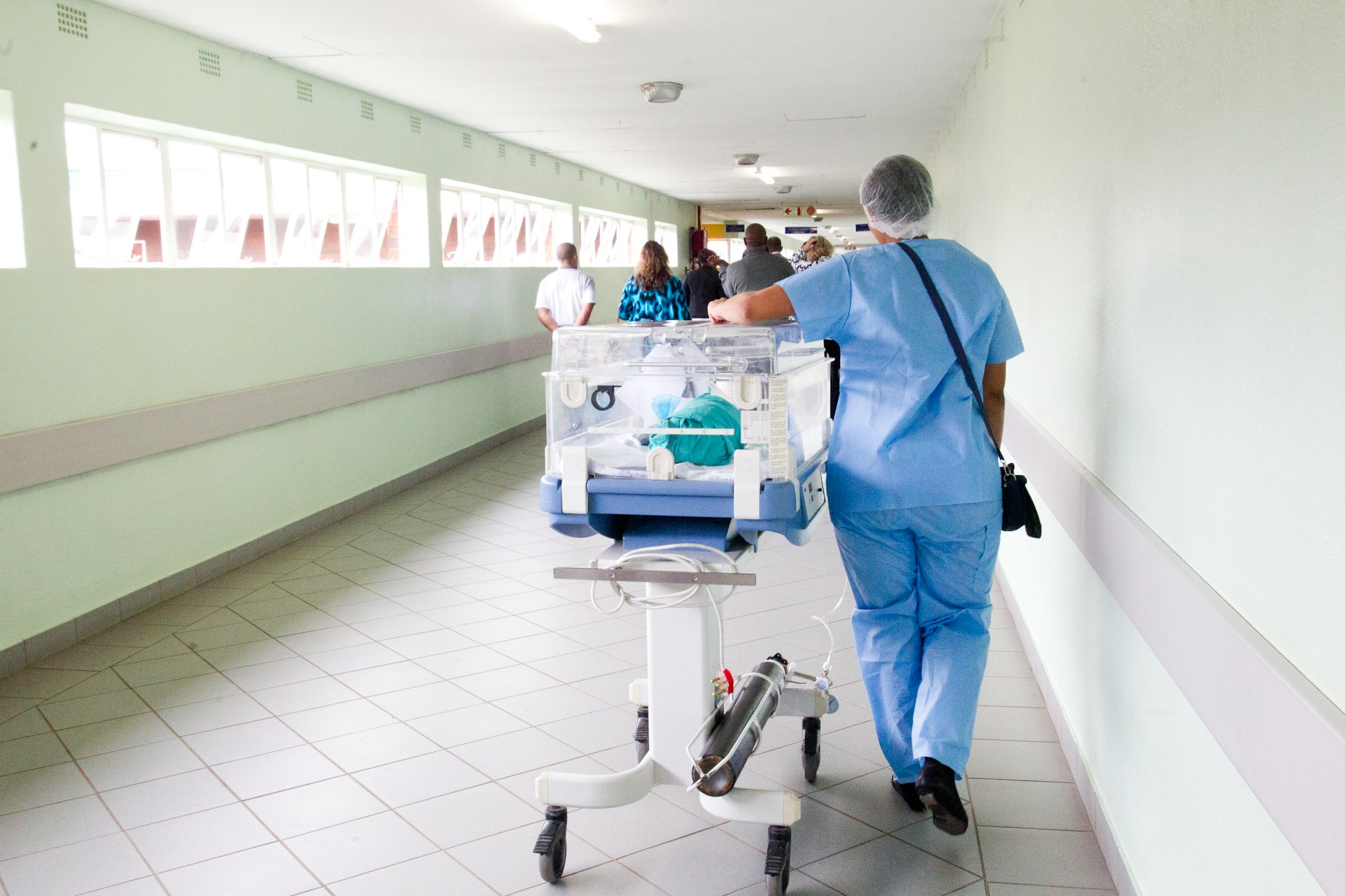
The dollars will fund the Department of Health’s proposed rural health transformation projects for 2026, which span a range of categories. The amount, which averages $379 per rural resident in the state, was about $4 million less than requested and less than the average award of $200 million per state.
Rhoden indicated during the address that future funding awards may depend on the speed of implementation, saying “the federal government will reward states that move quickly.”
The Rural Health Transformation Program will distribute funds to states over the next five years, with 50% of the $50 billion total distributed equally across all 50 states and 50% as discretionary funding allocated by factors like rural population and the condition of rural health care facilities.
Tech improvements, maternal care take center stage
The DOH’s presentation to the Joint Appropriations Committee on Jan. 15 outlined four strategic pillars of the project:
- Connect technology and data for a healthier South Dakota
- Advance the rural workforce
- Keep health care access local and strong
- Transform systems for sustainability
Some of the most significant funding dollars will be dedicated to technology installations and improvements, which the DOH said would cost about $500 million over the five-year funding cycle.
Those tech improvements could include cybersecurity updates, health management platforms and robotic surgical or diagnostic systems, among others.
South Dakota Association of Health Organizations CEO Tim Rave told news Watch that those improvements would likely be some of the first to reach South Dakotans.
“That’s going to get ramped up pretty fast. I mean, people are already doing it. If we can just bolster what we’re doing, that one I see as a real short-term with a real quick impact on people to have access,” Rave said.
One major proposal from the project is to establish three regional obstetrics hubs as well as “spoke sites,” which would utilize community support networks, though the DOH did not specify where those hubs or spoke sites would be established.
Maternal health gaps in the state has long been a topic of concern as labor and delivery units close in rural areas.
Birthing risks rise in SD as another hospital ends service
The state’s strict abortion ban makes South Dakota far less attractive to prospective OB-GYNs and other doctors who can deliver babies.

Behavioral health is also a focus.
In 2023, the American Psychological Association said that South Dakota had some of the worst “mental health deserts” in the country – 47% of its counties without mental health services. Advancements in telehealth may also improve behavioral health outcomes, Rave said. Collaborative care programs, which connect primary care providers with psychiatrists in hubs like Sioux Falls and Rapid City, will also aim to ensure rural South Dakotans have access to psychiatric care.
Initial proposals from the DOH indicated that grants to facilities would be awarded based on “facility readiness, community impact and alignment with state health priorities.”
The Great Plains Tribal Leaders’ Health Board, which Rhoden mentioned in his address as a key collaborator with the project, said that application programs should consider the circumstances of providers in tribal communities, some of which have poor access to health care and lack sufficient care providers.
“This investment creates a real opportunity to expand services and address long standing workforce shortages in rural Tribal communities,” Leah Belgarde, intergovernmental affairs liaison for the Great Plains Tribal Leaders’ Health Board said in a statement to news Watch.
“As implementation moves forward, success depends on execution. Tribes need a fair and realistic path to access these funds. The application process must reflect the conditions Tribal providers face on the ground.”
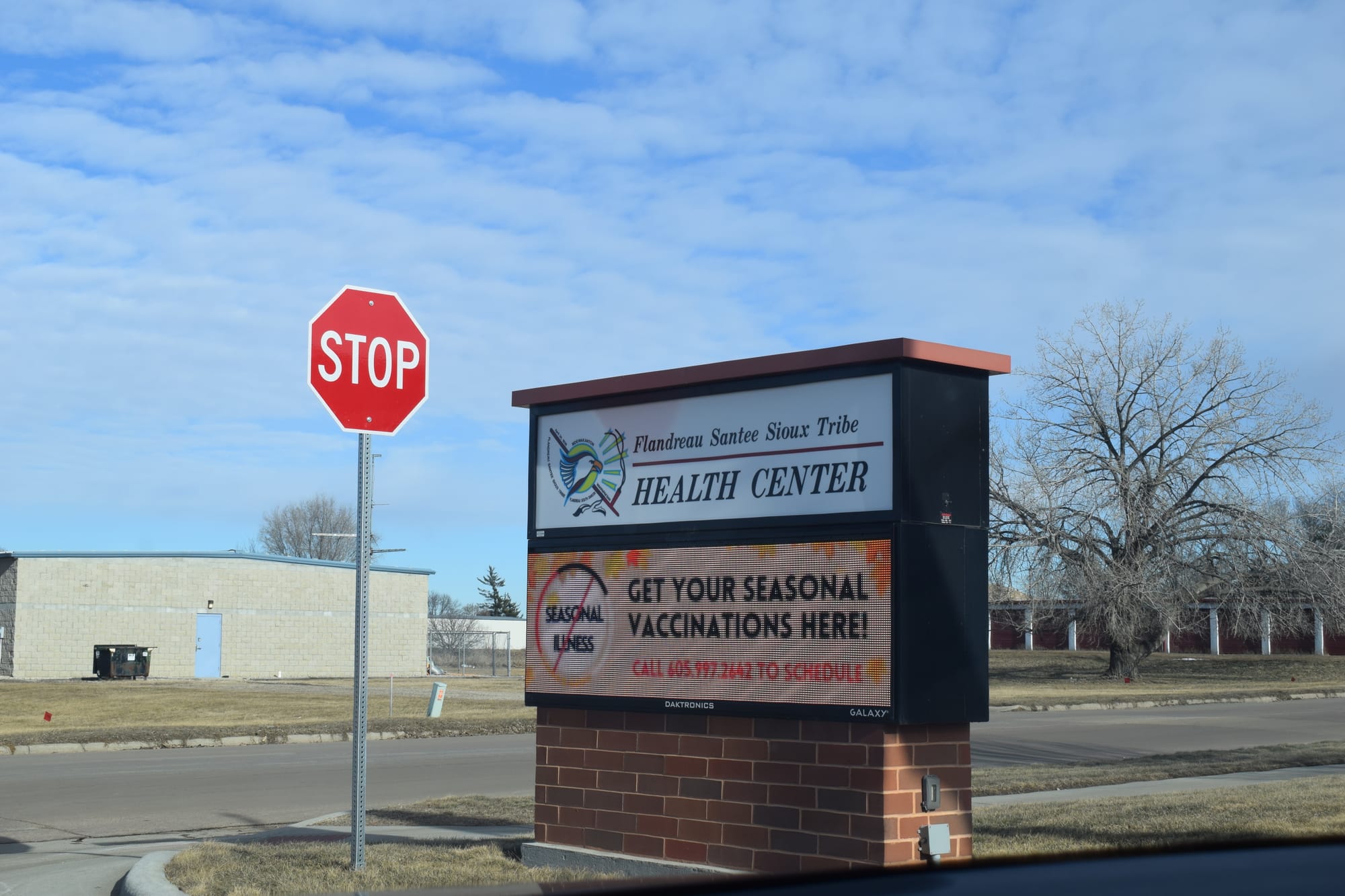
Other programs, like workforce recruitment and retention programs and improving quality of Medicaid care were other large allocations. Health care workforce recruitment has long been a concern in the state.
SDAHO’s own workforce grant program, which is slated to run until 2027, is one of several existing efforts to fortify health care employee numbers in rural areas.
“One of the easy, low-hanging fruit is maybe bolstering the current rural recruitment programs we have today. If you supercharge them with some funding, we get more people going to school for those health sciences and professions. And I think those really work in harmony together,” Rave said.
Future sustainability of programs, collaboration a key component
While the funding may be a start to filling health care gaps in the state – which are some of the most pronounced in the country – there must be a focus on building sustainable programs that will last beyond the five years of federal funding.
Some of the most crucial long-term goals, like rebuilding the state’s rural maternal health network, will likely take a significant chunk of the funding cycle to complete in full, Rave said.
Monument could lose millions due to Sanford Health expansion
“I don’t think the population is growing fast enough for what they plan to build.”
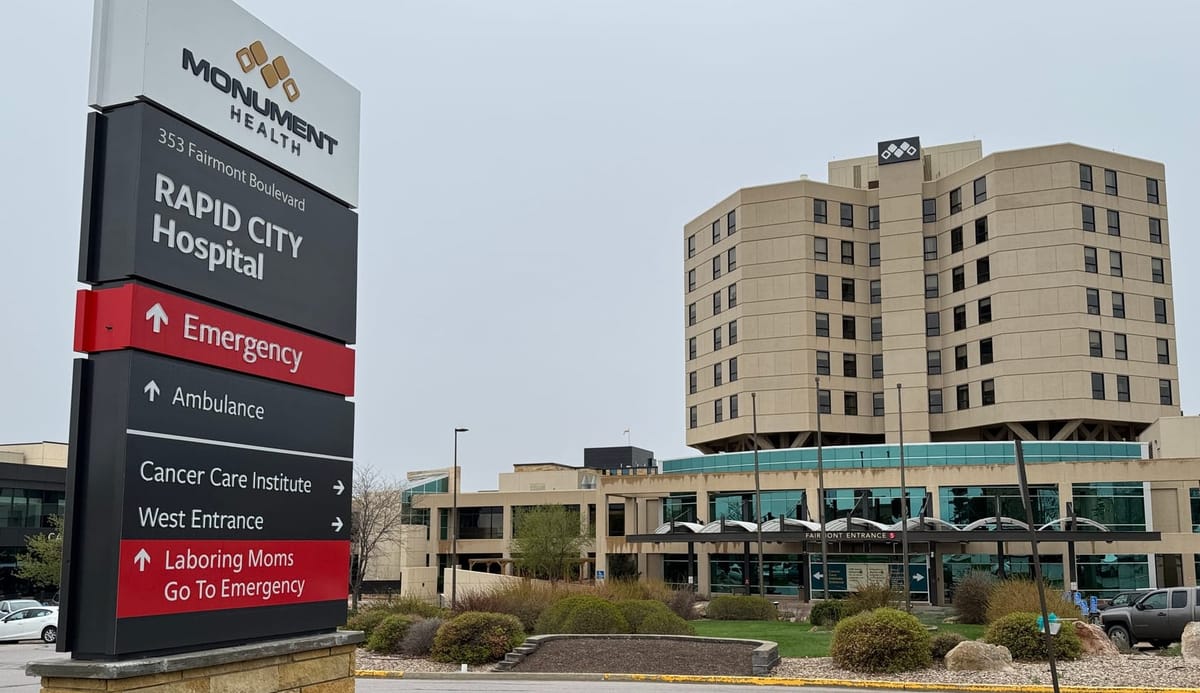
“You’ve just got to make sure we can prove that there’ll be self-sustaining going forward once those one-time dollars are gone. So that to me is probably one of the biggest hurdles that we all have to get over. I’m confident that we will do that, but it’s not as easy as it seems to just (say), ‘Oh, here’s dollars.’ It’s going to take some effort,” he said.
Lawmakers in the joint appropriations committee questioned the DOH especially about sustainability planning. Sen. Taffy Howard, a Republican from Rapid City, asked the DOH how it would ensure both that taxes and fees for patients do not rise after the five-year period, and how to ensure that implemented programs stay active after the funding finishes.
“How do you incentivize somebody with an incentive that goes away in a few years, and expect them to keep providing the same services” she asked in the meeting.
Support stories about rural South Dakota with a tax-deductible donation.
Donate
Rave said that the program, while a step in the right direction, is not a fix-all for some of the state’s biggest issues and that other community interventions will need to continue to support further success.
Issues like housing and community development, while outside the scope of funding dollars, remain a major hurdle for health care employees in rural areas. Statewide, housing programs have been spearheaded by rural communities looking to attract residents.
“That is probably one of the biggest things that people are pivoting to right now,” Rave said.
“There’s plenty of grants and incentives, and the state and the communities and the providers have worked really well together on our rural recruitment programs, so everybody has some skin in that game financially. There’s great ways to get young people or providers into these small communities, but if they don’t have places to live, they ain’t going,” he said.
Engage South Dakota: Housing solutions
A list of entities and programs that can assist in developing or obtaining housing as well as links to news Watch reporting on housing solutions.
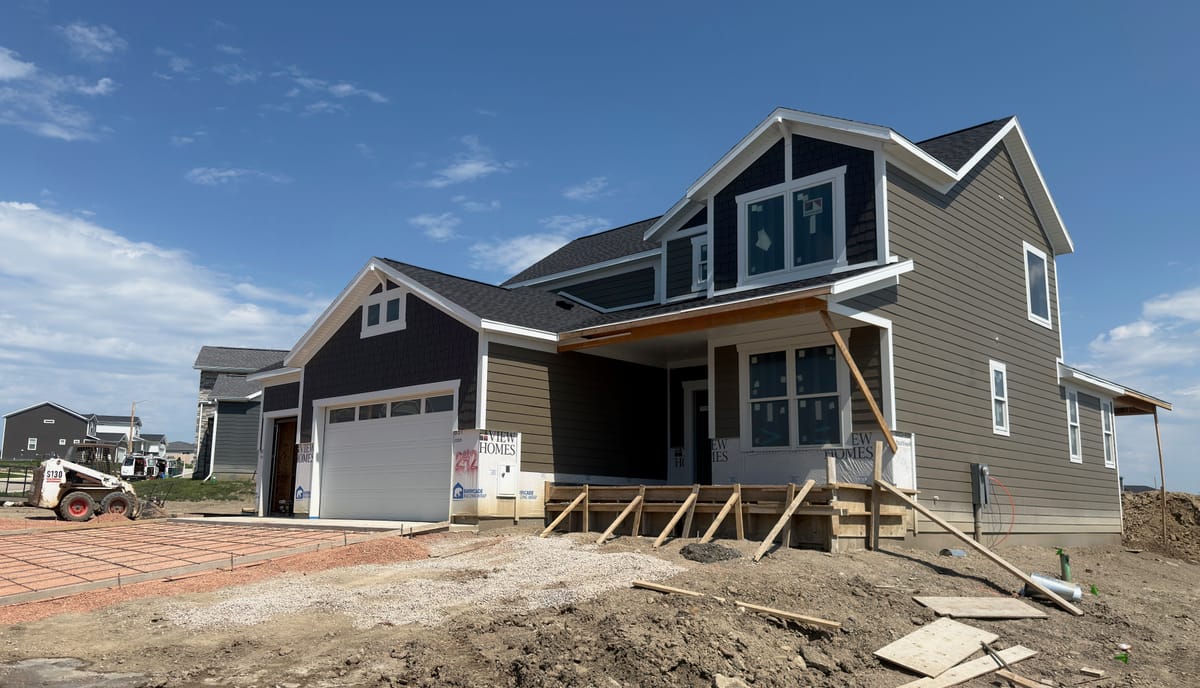
The conversations about the funding, its allocation and how it will be executed will likely have to be dynamic, Rave said, and continuously analyzed.
“I’m not concerned, but it is just certainly on the top of our mind about getting creative on getting those programs stood up and then making sure they are self-sustainable,” Rave said. “Our members stand by to help some of these programs along if they’re, one, doing what they were intended to do and, two, mostly self-sustaining. We’re here to give care to people where they’re at and make sure that a rural hospitals stay strong.”
This story was produced by South Dakota news Watch, an independent, nonprofit organization. Read more stories and donate at sdnewswatch.org and sign up for an email for statewide stories. Investigative reporter Molly Wetsch is a Report for America corps member covering rural and Indigenous issues. Contact her at molly.wetsch@sdnewswatch.org.
Source link
