

What’s in our wastewater? Hyderabad-based CCMB study reveals spread of antibiotic resistance
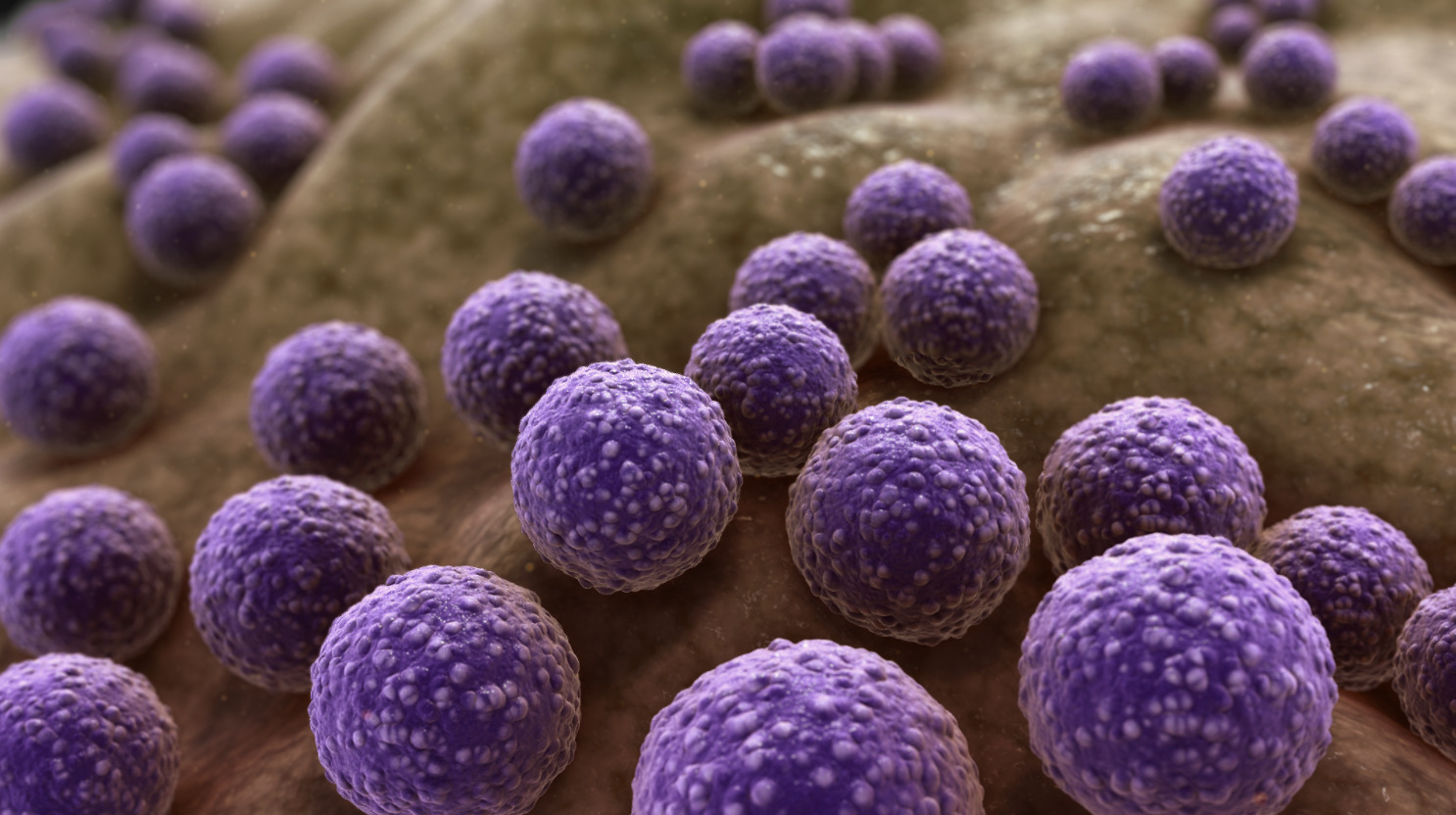
Hyderabad: A first comprehensive genetic map of Anti-Microbial Resistance (AMR) within urban wastewater of India’s major metro cities has been studied by researchers at the CSIR-Centre for Cellular and Molecular Biology (CCMB), based in Hyderabad.
The findings were published in Nature Communications.
Hyderabad’s scientific leadership
Under the leadership of Director Dr Vinay K Nandicoori, the Hyderabad-based CCMB team developed a vital solution to India’s infrastructure challenges.
Innovative Storage: The team validated a new Standard Operating Procedure (SOP) allowing wastewater samples to be stored at 4°C for up to seven days without losing critical data.
National Impact: This breakthrough allows samples from resource-limited regions across India to be safely transported to central testing hubs like Hyderabad.
Real-Time Tracking: By spearheading this wastewater-based surveillance, Hyderabad scientists are enabling the country to detect early outbreaks and track the spread of drug-resistant pathogens in real-time.
What is the global threat from AMR?
Antibiotics are essential for treating deadly bacterial diseases, but many microbes are evolving to survive them.
This crisis, known as AMR, kills millions of people worldwide every year. Until this CCMB study, local data on how these ‘superbugs’ were spreading in India were largely missing because traditional lab methods were insufficient.
Key Findings: How bacteria resist
Between March 2022 and March 2024, researchers used ‘shotgun metagenomics’ to analyse 447 samples from Delhi, Mumbai, Kolkata and Chennai. Their findings revealed:
1. City-Specific Threats: While Klebsiella pneumoniae was more abundant in Chennai and Mumbai, Pseudomonas aeruginosa dominated in Kolkata.
2. Common Defence Mechanisms: Despite the different types of bacteria, the specific genes used to resist antibiotics remained consistent across all cities.
3. Evolutionary Tactics: Bacteria use genes to strengthen their cell walls against drugs or to physically destroy and ‘spit out’ antibiotic molecules.
4. Ease of Spreading: The study found that resistance genes against tetracyclines and beta-lactams are shared between neighbouring bacteria much more easily than those against macrolides.
By establishing this surveillance path, the researchers aim to move beyond identifying threats to creating a practical public health shield for the entire country.
Source link
