

Why early awareness matters more than ever
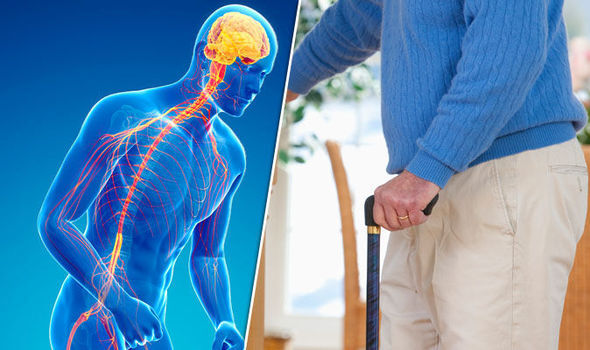
Hyderabad: Parkinson’s Disease (PD), a progressive neurological disorder traditionally associated with ageing, is emerging as a significant public health concern in India, with experts warning of a steady rise in cases driven by demographic and environmental factors.
Marking World Parkinson’s Day (April 11), specialists at Renova Century Hospitals highlighted the importance of early recognition and timely management of the condition, which often begins with subtle symptoms but can progressively impair movement, balance, speech and cognition.
“Parkinson’s is not merely a disease of the elderly. A considerable proportion of patients in India present at a younger age and early symptoms are frequently overlooked,” said Dr Lalitha Pidaparthi, a Senior Consultant Neurologist.
A silent and steadily rising burden globally and in India
Parkinson’s Disease is now among the fastest-growing neurological conditions worldwide:
– Over 8.5 million people were living with PD in 2019
– The number is expected to exceed 25 million by 2050
India is emerging as a major hotspot:
– Around 1.2 million cases currently
– Likely to become the second-highest globally within five years
Experts attribute the rise to ageing populations, pollution, industrialisation and lifestyle changes.
Hyderabad, as a rapidly growing urban and healthcare hub, is also witnessing a notable increase in cases, underscoring the need for awareness and advanced treatment options.
What is Parkinson’s Disease?
Parkinson’s is a progressive movement disorder caused by the gradual loss of dopamine-producing brain cells. While it may begin with a minor tremor in one hand, the disease can eventually lead to:
– Slowed movement
– Muscle stiffness
– Balance issues
– Speech and cognitive difficulties
Recognising the symptoms
Here are the symptoms to look out for
– Motor Symptoms
– Tremors (especially at rest)
– Slowness of movement (bradykinesia)
– Muscle rigidity
– Poor posture and frequent falls
– Difficulty swallowing (advanced stages)
Non-motor symptoms include:
– Memory loss and cognitive decline
– Anxiety and depression
– Sleep disturbances
– Constipation and digestive issues
– Urinary problems
– Loss of smell and fatigue
– Sudden drops in blood pressure
Who is at risk?
– Individuals above 50 years
– Those with a family history
– Men are at higher risk than women
– People exposed to toxins or pesticides
Diagnosis
Parkinson’s diagnosis is clinical and may include:
– Neurological examination
– MRI, PET scans or DAT scans
– Blood tests to rule out other conditions
– Genetic testing (in select cases)
Treatment
While there is no cure, treatment helps control symptoms:
– Medications which help increase or mimic dopamine levels in the brain.
– Supportive Therapies such as physical therapy and speech therapy
Advanced treatment options include:
1. Deep Brain Stimulation (DBS): A surgical procedure where electrodes are implanted in the brain and connected to a device in the chest to regulate abnormal signals.
2. MRI-Guided Focused Ultrasound (MRgFUS): A non-invasive technique using targeted ultrasound waves to control tremors in selected patients.
Can it be prevented?
There is no proven prevention. However, regular exercise and healthy lifestyle habits may help lower the risk.
The way forward
With cases rising rapidly in India, doctors stress the need for:
– Greater public awareness
– Early medical consultation
– Access to advanced treatment options
Parkinson’s Disease is not limited to the elderly. Many young individuals ignore early symptoms like tremors or stiffness. Early diagnosis and a multidisciplinary approach can greatly improve quality of life,” says Dr Lalitha Pidaparthi.
Dr Lalitha Pidaparthi is a Senior Consultant Neurologist at Renova Century Hospitals, Road No. 12, Banjara Hills, Hyderabad
The views and opinions expressed in the article are those of the author and do not reflect the official policy or position of NewsMeter.
Source link
