
Go to school. Get the job. Buy the house. Climb the ladder. Society’s got a script, and most of us follow it on autopilot — until it hits you one day that your own blockbuster might need a rewrite. Movies like Captain Fantastic or American Honey dare to ask what happens when someone actually listens to that itch, trusts their internal compass, or stands up for their own sense of direction.
From off-grid families opting out of institutional cages to rejecting the entire blueprint altogether, these movies about living life your way celebrate trading conformity for curiosity. Don’t get us wrong — they’re not about perfect plans or tidy endings, but about choosing authenticity over societal approval, freedom over safety nets, and meaning over momentum, no matter how inconvenient and unconventional the destination.
10
‘American Honey’ (2016)
Starring Sasha Lane in her debut, American Honey depicts what happens when you ditch a small town for a white van packed with misfits, selling magazine subscriptions as you go. Eighteen-year-old Star is at the center of the story, which takes off after she abandons her half-siblings and neglectful life for Krystal’s (Riley Keough) roving crew.
Highly atmospheric in its beautiful simplicity, this must-see A24 coming-of-age drama presents unconventional paths distilled: Star rejects stable poverty for chaotic camaraderie, embracing freedom and spontaneity, surviving on commissions and cheap motels. The result is nothing short of captivating, with Andrea Arnold‘s documentary-style handheld camera perfectly capturing Star’s journey. At its core, American Honey explores America’s overlooked fringes, showing how economic desperation fuels spontaneous escapes and pushes boundaries. As always, though, freedom comes laced with consequences.
9
‘Nomadland’ (2020)

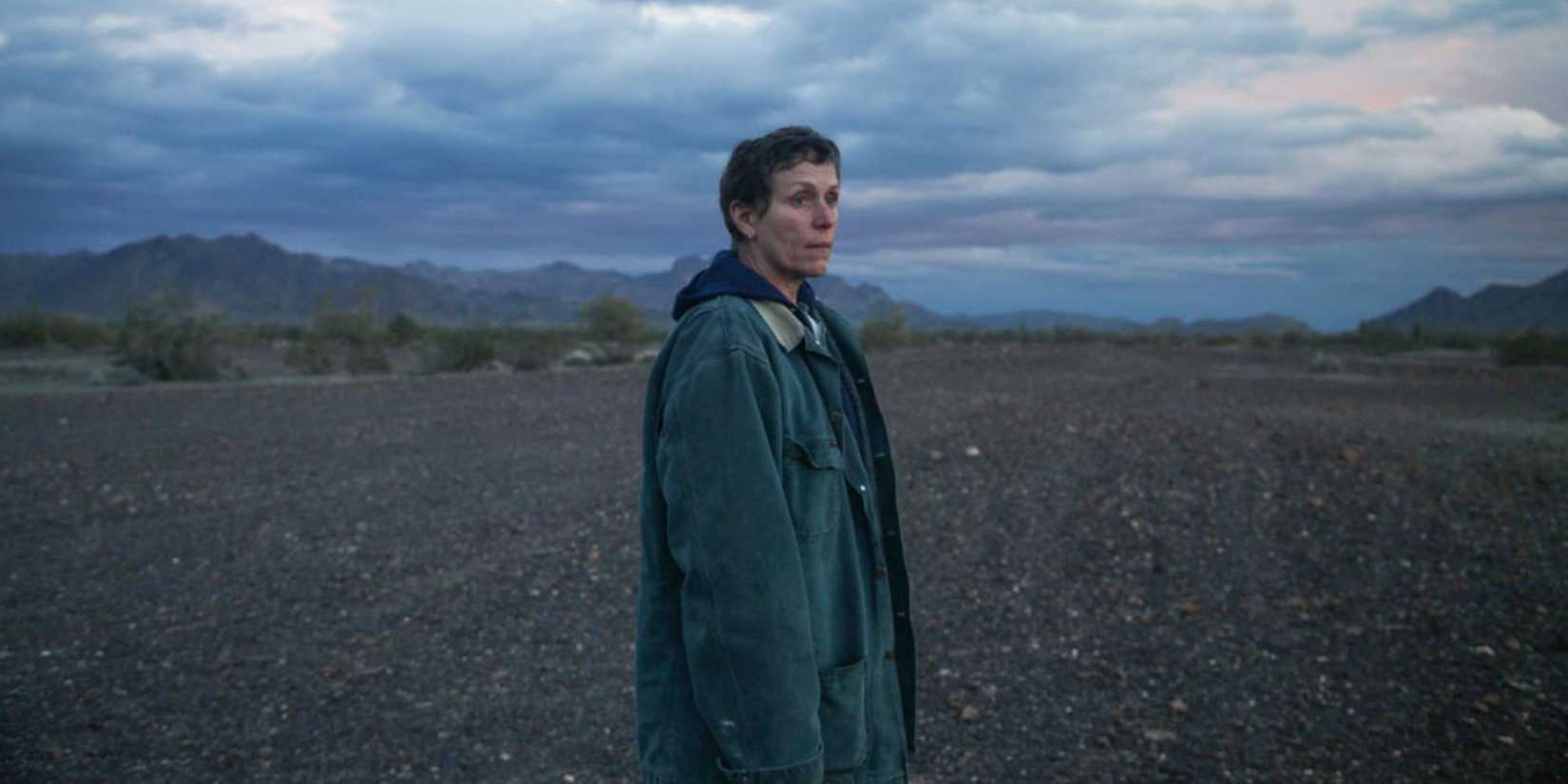
Following Frances McDormand in an Oscar-winning role as Fern, a widow in her 60s who packs her belongings into a converted van after her Nevada town’s factory closure and husband’s death, Nomadland illustrates a different kind of lifestyle that resists conventional stability. As Fern roams the American West as a modern nomad, working seasonal gigs and joining rubber-tramp communities, audiences get a glimpse of a life defined by freedom and resilience, lived fully on one’s own terms.
Much like Arnold in American Honey, Chloé Zhao beautifully blends documentary realism with fiction, crafting a story worth watching and remembering. In Nomadland, Fern rejects conventional retirement, finding freedom and spontaneity in fleeting bonds and the rhythm of the natural world. At its heart, the film shows how economic necessity intertwines with personal agency, and how rootless life offers liberation from materialism, even as it demands constant adaptation.
8
‘Easy Rider’ (1969)


If you’re on the lookout for a film that’s all about 1960s countercultural freedom and rejecting societal norms, Easy Rider might be worth checking out. Wyatt (Peter Fonda) and Billy (Dennis Hopper) cash in a cocaine haul, strap gas tanks to their choppers, and blast out of L.A. for a cross-country freedom run. Along the way, they score LSD visions and share meals with farmers, but not without Steppenwolf‘s “Born to Be Wild” soundtrack.
This ultimate unsanitized road odyssey nails unconventional paths and celebrates embracing your own journey by showing life on the road as pure and unfettered rebellion. Directed by Dennis Hopper, Easy Rider illustrates what happens when you trade fancy plans for road camaraderie (and where every turn brings spontaneous adventures). In part, though, the film critiques hippie idealism’s blind spots while celebrating anti-establishment fire.
7
‘Little Miss Sunshine’ (2006)

Following the Hoover family — grandpa Edwin (Alan Arkin), broke dad (Greg Kinnear), swearing Proust scholar uncle (Steve Carell), anxious mom (Toni Colette), outsider teen (Paul Dano), and little Olive (Abigail Breslin), obsessed with pageants — Little Miss Sunshine sees the clan pile into the groaning yellow VW bus for a 700-mile dash to California. Expect broken clutches, blowouts, and meltdowns testing their frayed bonds as they chase the little girl’s “Little Miss Sunshine” title.
It’s not for no reason that the feel-good Little Miss Sunshine is a beloved indie gem among many cinephiles. Half family drama, half road comedy, it celebrates family individuality and rejects beauty norms, embracing spontaneity amid breakdowns. Against beauty-queen conformity and self-help lies, Hoover’s unity shines and heals what judgment breaks.
6
‘Fantastic Mr. Fox’ (2009)

Among the many incredible Wes Anderson projects, Fantastic Mr. Fox still ranks among his most treasured and iconic entries. This sly adaptation follows a once notorious chicken thief gone straight — columnist by day, family fox by night — until the itch returns. He teams up with his possum sidekick Kylie for underground poultry heists, hiding his relapse from his disapproving wife, Felicity, while his awkward son Ash struggles to fit in.
With an incredible voice cast ranging from George Clooney to Meryl Streep, Fantastic Mr. Fox is a poignant reminder of what it means to embrace unconventional risks and honor wild instincts against tractor-enforced normalcy. Anchored by Anderson’s deadpan signature and striking atmosphere, the 2009 stop-motion film is a must-see for both fans of the genre and those who always go their own way.
5
‘Ikiru’ (1952)

Centering around the graying Tokyo bureaucrat Kanji Watanabe (Takashi Shimura), who receives a cancer diagnosis, Ikiru follows its lead character as he ultimately fixates on a playground amid thepostwar rubble. Instead of fading away as the disease progresses, he snaps out of it, skipping work to hit jazz bars and search for meaning in the nightlife. However, realizing that pleasure offers no answers, he returns to the office to fight city hall, dodges corrupt bosses, and pours his last months into building swings and slides.
When it comes to going your own way — and late-life purposeful defiance — the beginner-friendly Japanese classic is a quiet rebellion that prioritizes personal fulfillment in a world that demands endless paperwork and playing by the rules. When time runs short, Watanabe grabs freedom and delivers a powerful message: no matter your age or job, pivot toward what matters. Build your playground now.
4
‘The Truman Show’ (1998)
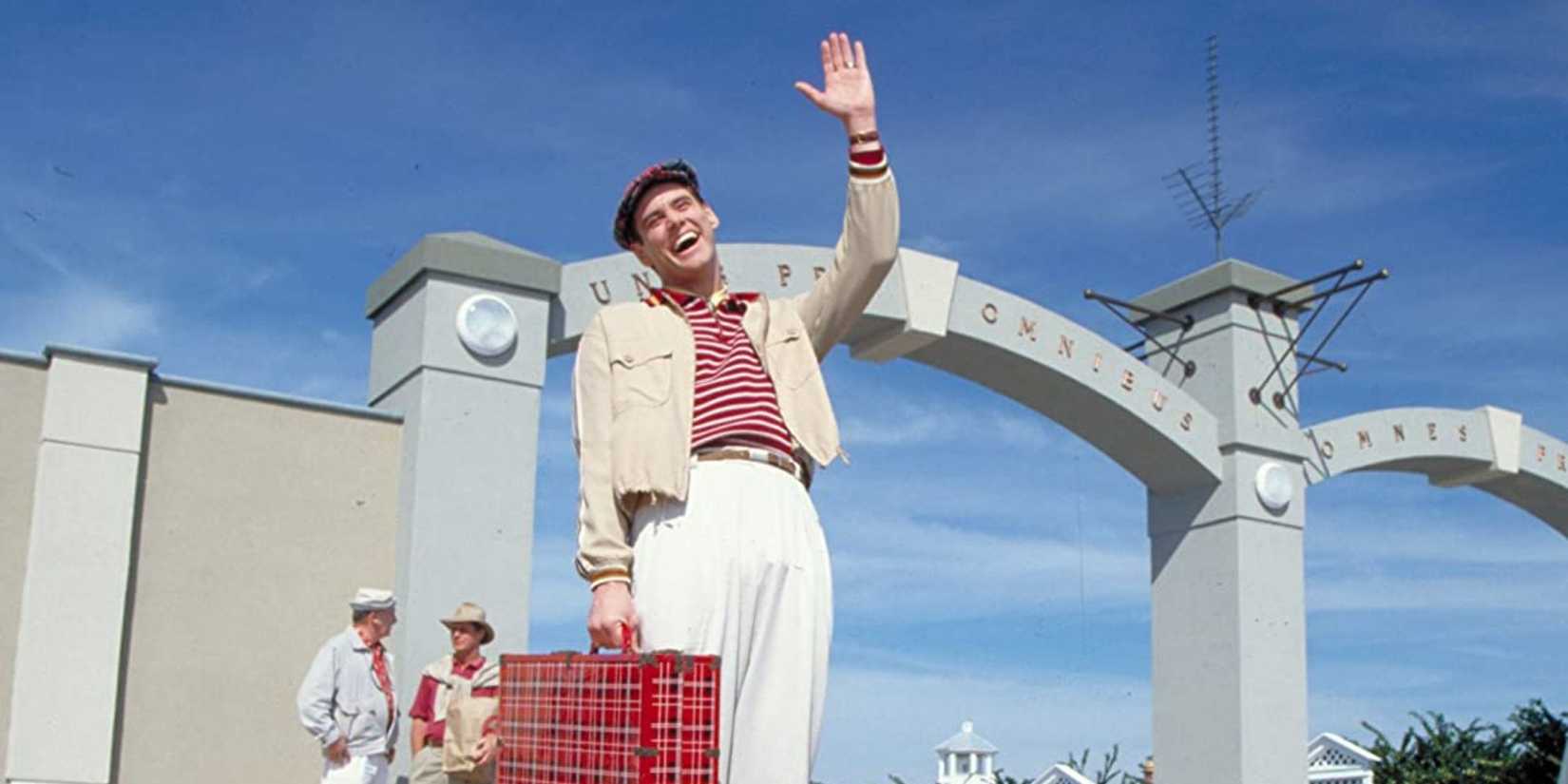
Starring Jim Carrey in a career-defining dramatic performance, The Truman Show follows the titular character, blissfully unaware his entire existence — perfect job, wife, neighbors — is a massive TV set called Seahaven. Naturally, as glitches start taking place, he starts testing boundaries, sailing toward forbidden horizons and dodging product-placement ads.
Few films have managed to perfectly capture what it means to go your own way like The Truman Show. At its core, Weir’s movie is about agency and escaping fabricated normalcy. We see the character ditching script marriage and weather for a spontaneous rebellion and horizon-chasing, eventually earning his happy ending. It remains such an unforgettable film because it mixes laughs and chills and turns product plugs into satire gold on top of a powerful message about embracing uncertainty over comfort.
3
‘One Flew Over the Cuckoo’s Nest’ (1975)
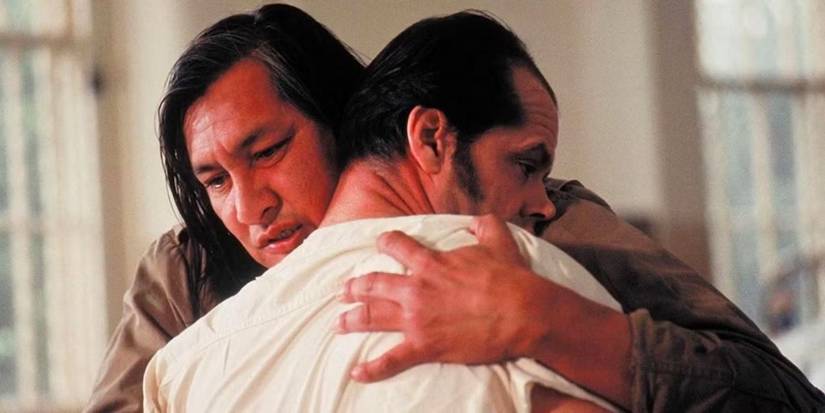
Jack Nicholson stars as one of his best, most defining roles, Patrick McMurphy, in One Flew Over the Cuckoo’s Nest. His character fakes a mental health descent to escape prison farm hard labor, only to land in Nurse Ratched’s (Louise Fletcher) ward, a place where broken spirits have been medicated into submission.
This Oscar-winning spotlights the power of taking the unconventional path through McMurphy’s everyday resistance against oppressive structures, choosing laughter over lobotomies, parties over pills. Of course, small acts snowball, making the narrative even more engaging. That said, it’s also a very touching film that sticks with you — Foreman captures it raw and real, showcasing how freedom sparks from stolen cigarettes and shared laughs among communities. If you’re looking for a rebel flick to go up against any suffocating routine, this one might be your pick (but also, expect a handful of moving moments).
2
‘Brazil’ (1985)

Have you ever felt buried under paperwork while dreaming of escape? Yep, Sam Lowry, played by Jonathan Pryce in this iconic film, has too. In Brazil, Sam is a lowly clerk in a retro-futuristic nightmare where ducks roll and computers spew endless forms. A glitchy dream girl, played by Kim Greist, pulls him into rebellion; he hacks systems, rescues her from torture camps, and risks execution to find her, while frequently retreating into vivid fantasies of being a winged warrior soaring free. Exploding printers, torturous interrogations, and monstrous paperwork monsters chase him through corridors.
Brazil delivers a surreal critique of bureaucracy through Sam’s imagination against soul-crushing conformity. Small acts escalate to full-on rebellion, including forging IDs, duck-diving rescues, and rejecting desk-thrown fate. It’s a nightmarish journey and surreal feast where fantasy crashes bureaucracy, that turns forums into monsters and delivers unforgettable satire, standing tall among the best surrealist films to ever exist, showing that sometimes the only true escape is within one’s mind.
1
‘Captain Fantastic’ (2016)

Perhaps the most obvious entry when it comes to films about living life your own way is Captain Fantastic. The beloved film follows Viggo Mortensen as Ben, a devoted father raising his six children in the remote forests of the Pacific Northwest, far from mainstream society. Ben rejects conventional schooling, consumer culture, and societal expectations, instilling in his family a life of critical thinking, self-reliance, and philosophical exploration.
Many elements make Captain Fantastic an indeed fantastic viewing — among them is the way it champions small acts of resistance against oppressive structures through Ben’s fierce family code versus suburban sedation. What makes it truly profound isn’t just its rejection of iPads and fast food, but its honest examination of the cost of idealism. It champions Ben’s fierce resistance against suburban sedation, yes, yet Matt Ross‘ script also does a wonderful job of showing the double-edged sword of this radical rigor.


Captain Fantastic
- Release Date
-
July 8, 2016
- Runtime
-
118 minutes
-

-

George MacKay
Bodevan Cash
-

Samantha Isler
Kielyr Cash
-


Source link
-
-

-

-

-