
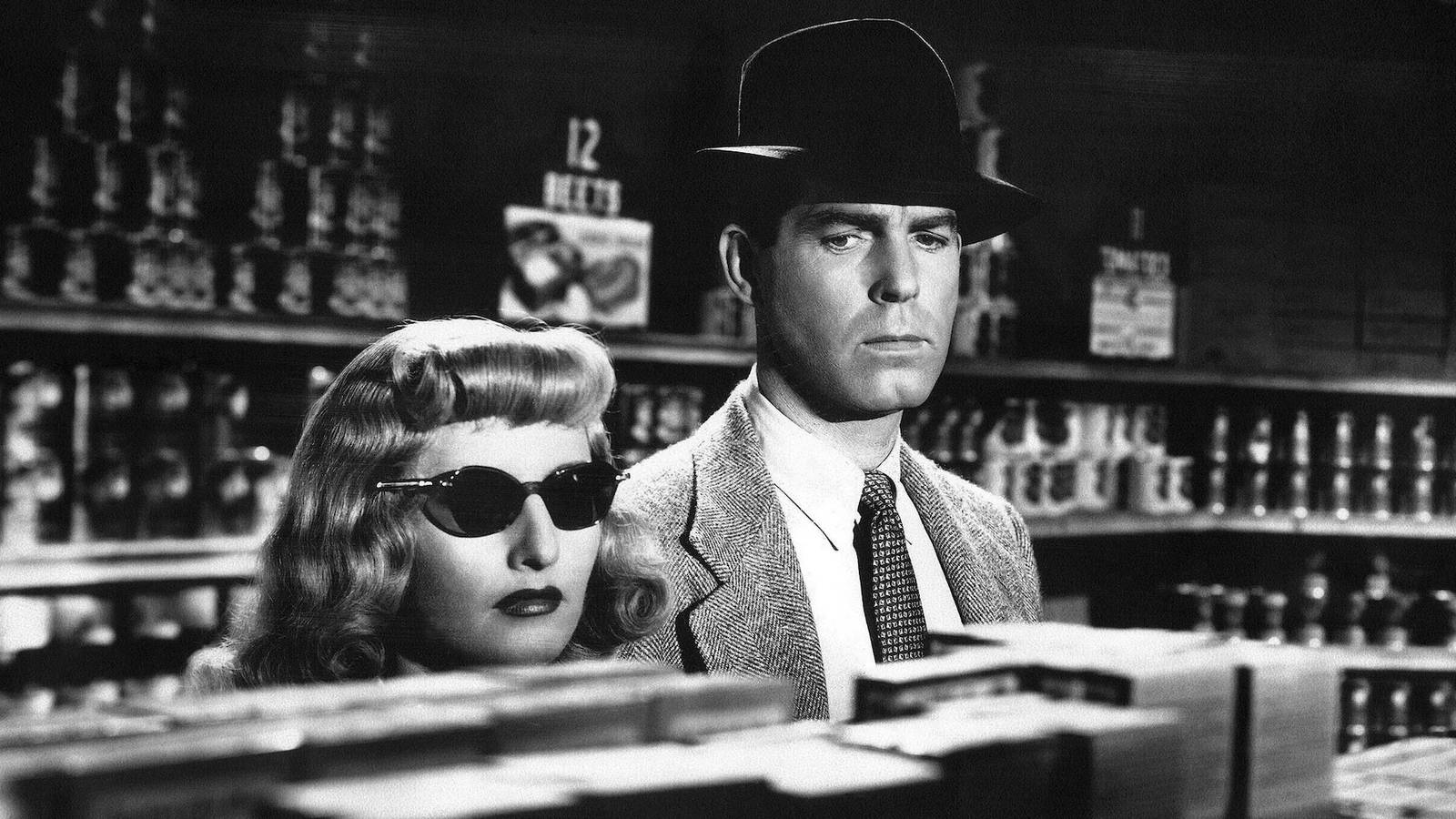
During the 1940s and 1950s, the classic film noir genre reached its peak of popularity with timeless films such as Double Indemnity, Out of the Past, and Sunset Boulevard, making it one of the most beloved and influential styles of classic cinema. The film noir genre, which spawned from post-war disillusionment and the visual elements of German Expressionism, is known for its signature black-and-white cinematography, its usual suspects of femme fatales and morally ambiguous characters, and intriguing plots of crime and betrayal.
Today, audiences continue to be captivated by classic film noir movies and celebrate them as an unwavering testament to a time when darkness was transformed into art for the big screen. Out of the abundance of notable classic noir films, including John Huston‘s The Maltese Falcon starring Humphrey Bogart, Otto Preminger‘s Oscar-winning classic Laura, and The Third Man starring Joseph Cotten and Orson Welles, these are ten classic film noir movies that earn a perfect score of ten out of ten in my book, no notes required.
10
‘Touch of Evil’ (1958)
Charlton Heston stars in Orson Welles’ Touch of Evil as a drug enforcement agent, Miguel Vargas, who, while on his honeymoon with his new bride (Janet Leigh), agrees to help an American police captain, Hank Quinlan (Welles), with his investigation into a recent car bombing at the U.S.- Mexico border. When Vargas begins to suspect that Quinlan is trying to frame an innocent man for the crime, he starts to conduct his own investigation that puts himself and his wife in imminent danger.
Orson Welles was one of the most innovative filmmakers of Hollywood’s Golden Age, who gave audiences timeless classics such as Citizen Kane and The Magnificent Ambersons, but his 1958 gritty film noir, Touch of Evil, is one of several of his films that initially failed to gain the appreciation it so rightfully deserved. Today, Touch of Evil is regarded as one of the last and best contributions to the era of classic film noir and is praised for its nightmarish atmosphere, gripping emotion, and thrilling performances by the overall cast, notably a minor but memorable performance by Marlene Dietrich.
9
‘The Killing’ (1956)


Stanley Kubrick‘s classic film noir The Killing stars Sterling Hayden as career criminal Johnny Clay, who is recently released from prison and quickly back to his old ways as he assembles a group of crooks to pull off one final heist before settling down with his fiancée. Despite planning a seemingly foolproof plot, unexpected interference and uncontrollable circumstances throw everything off the rails, forcing Clay to think fast on his feet if he hopes to make out with his million-dollar payday.
The Killing is based on the 1955 novel Clean Break, written by Lionel White and marked the third directorial credit for Kubrick, who also penned the screenplay. Kubrick expands on a familiar farce with an original blend of an occasional documentary-style narrative, sharp dialogue, and an ironic wind-up that sets The Killing apart from similar noir classics. Despite being a financial failure, The Killing was still met with a positive response from critics and has since gained a substantial cult following, making it one of the most celebrated film noir classics of all time.
8
‘White Heat’ (1949)

James Cagney was one of Warner Bros.’s brightest stars, who, despite being one of the most underappreciated triple threats, became known for his multifaceted, tough-guy roles in classic crime and gangster movies, such as his essential film White Heat. Cagney stars as a psychopathic gang leader, Cody Jarrett, who manages to evade charges in a botched train robbery by pleading guilty to a less serious crime, earning him a brief stint behind bars. As Jarrett plans a prison break, he lets his cellmate, Hank (Edmund O’Brien), in on the plan, unaware that his new pal is secretly an undercover officer.
Raoul Walsh‘s White Heat is the epitome of an enticing criminal noir classic and was also one of the first movies to dive into the psychology of a gangster’s mindset. Cagney delivers one of his most iconic performances, taking the traditional tragic anti-hero to a new level of intense madness, utilizing a sinister glare and an unhinged presence that establishes his character as a constant source of utter chaos. White Heat was both a critical and commercial success and went on to earn an Academy Award nomination for Best Story for Virginia Kellogg.
7
‘The Big Heat’ (1953)

Fritz Lang‘s The Big Heat is an essential classic noir starring Glenn Ford as a city detective, Dave Bannion, who, after the apparent suicide of a fellow officer, begins to suspect foul play and secretly conducts his own investigation. As Bannion digs deeper into the case, he unexpectedly uncovers a network of powerful crime bosses and corrupt cops, turning a seemingly routine case into a personal crusade that threatens to push him over the edge.
Known for its stark style and relentless suspense, The Big Heat is an uncompromising example of a classic film noir movie that replaces the genre’s expected romanticism with a heavy focus on brutality and emotional intensity. The movie also features a stand-out performance by Gloria Grahame, who flips the script on the traditional femme fatale by transforming from a cynical girlfriend of a mob enforcer to a morally driven woman whose redemption comes at a horrific price. The Big Heat was a major success, and today, it still holds up as a defining and influential entry in the world of classic noir.
6
‘Laura’ (1944)
Laura is an elegant classic film noir movie that is renowned for its riveting performances and its alluring blend of mystery, romance, and psychological intrigue. Dana Andrews stars as a homicide detective, Mark McPherson, who is investigating the recent murder of a young advertising executive, Laura Hunt (Gene Tierney), who was brutally gunned down in her apartment. The more time McPherson spends interviewing Hunt’s friends and associates, the more he starts to feel as though he knew her, sparking an innocent infatuation that eventually grows into an all-consuming obsession.
Compared to other classic film noir movies, Otto Preminger’s Laura stands out for its sophisticated atmosphere and emotional refinement, which is gradually unraveled to expose the pitfalls that come with the notoriety and success of high society. The movie also goes against the traditional rules of the genre with a jaw-dropping plot twist that shifts from a violent murder to psychological themes, such as human desire, personal identity, and the misinterpretation of lust for love. Laura earned several Academy Award nominations, including Best Director and Best Supporting Actor for Clifton Webb, and went on to win for Best Cinematography.
5
‘The Maltese Falcon’ (1941)

The Maltese Falcon is regarded as a crucial piece of classic film noir, which marked a defining moment in American cinema, and today, is credited as the best detective film noir of all time. Based on Dashiell Hammett‘s 1930 novel, Humphrey Bogart stars as private detective Sam Spade, who is hired by a woman (Mary Astor) to find her sister, but what starts as a usual missing person’s case quickly leads Spade to a group of criminals who are all in search of a priceless statue known as the Maltese Falcon.
The Maltese Falcon played a vital part in establishing key characteristics of classic film noir, such as cynical, hardboiled dialogue and an urban setting where trust is fleeting, and betrayal looms on the horizon, but Bogie’s performance as Spade set the standard for the genre’s private eye, ultimately cementing The Maltese Falcon as a staple of classic noir. The movie’s grand success earned John Huston’s directorial debut three Academy Award nominations, which not only skyrocketed Bogie to leading man status but also elevated Huston’s career as a young, promising director on the rise.
4
‘Out of the Past’ (1947)

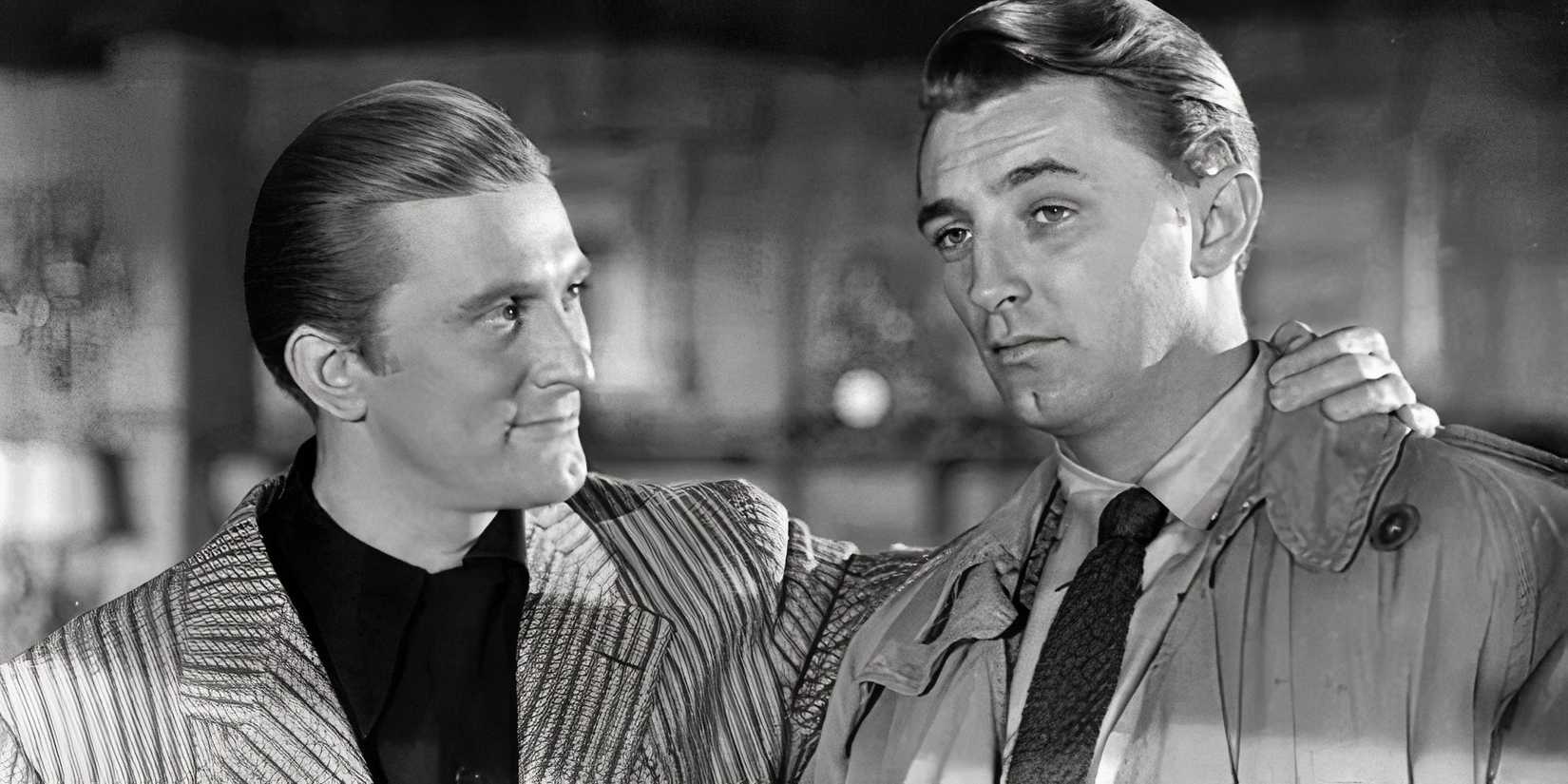
Robert Mitchum stars in Jacques Tourneur‘s quintessential noir classic, Out of the Past, as a former private detective, Jeff Bailey, who, after leaving his sleuthing days behind him, settles down in a small town where he starts a new chapter as a humble gas station owner. When Bailey’s ex-partner stops over in town and recognizes him, Bailey is taken to meet with his previous boss, Whit Sterling (Kirk Douglas), who has a score to settle with him over the last job he hired him to take on, forcing Bailey to realize that a man can never truly escape his dark past.
Out of the Past is a vital contribution to the film noir genre that embodies the central themes of noir and is renowned for its fatalistic tone, rich storytelling, and exceptional performances. Mitchum, who is regarded as the soul of classic film noir, gives a profound performance as the ideal anti-hero whose cynical outlook, unpredictable presence, and smooth off-screen narrative make him an icon in the world of noir. Jane Greer also stands out with an unforgettable performance as the ideal femme fatale, Kathy Moffat, who is as beautiful as she is deadly.
3
‘Double Indemnity’ (1944)
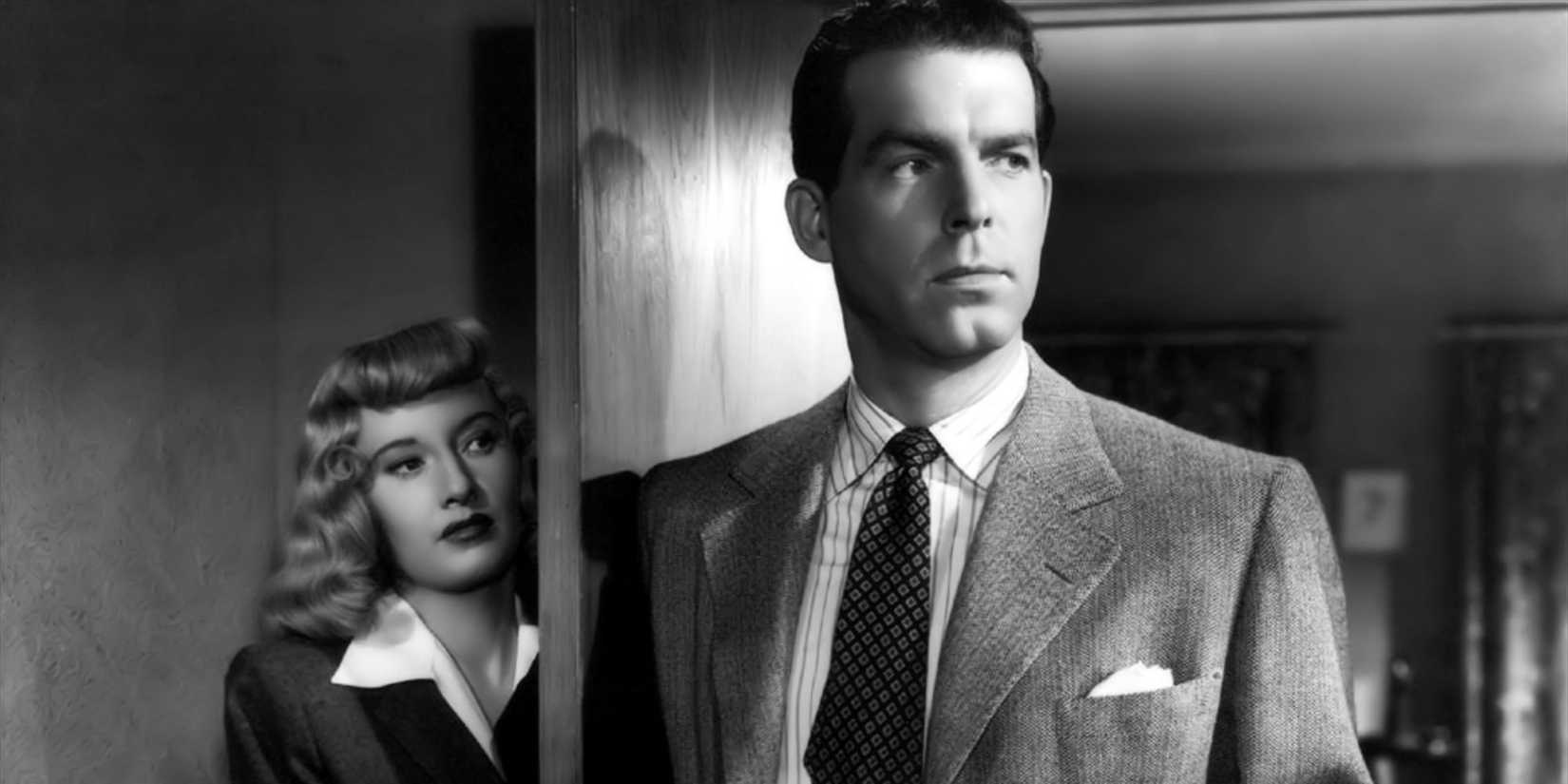
Fred MacMurray takes on an against-type role in Billy Wilder‘s Oscar-nominated classic, Double Indemnity, as an insurance salesman, Walter Neff, who becomes entangled in a heated affair with a blonde bombshell, Phyllis Dietrichson (Barbara Stanwyck). When the couple decides to murder Dietrichson’s wealthy husband, they try to make it look like an accident to inherit his life insurance, but just when they think they’ve pulled off the perfect crime, Neff’s associate and insurance investigator, Barton Keyes (Edward G. Robinson), decides to take a closer look at the case.
Double Indemnity is a landmark noir classic that is known for its razor-sharp script written by Wilder and Raymond Chandler, its dark psychological depth, and its enduring influence on the classic film noir genre. MacMurray delivers a more than convincing performance as a man driven by lust and greed, and Stanwyck’s cool, calculated, and cruel portrayal of Dietrichson ranks as one of the genre’s definitive femme fatales. Robinson also gives a tour de force performance as Keyes, whose relentless pursuit of the truth heightens the film’s overall suspense.
2
‘The Third Man’ (1949)
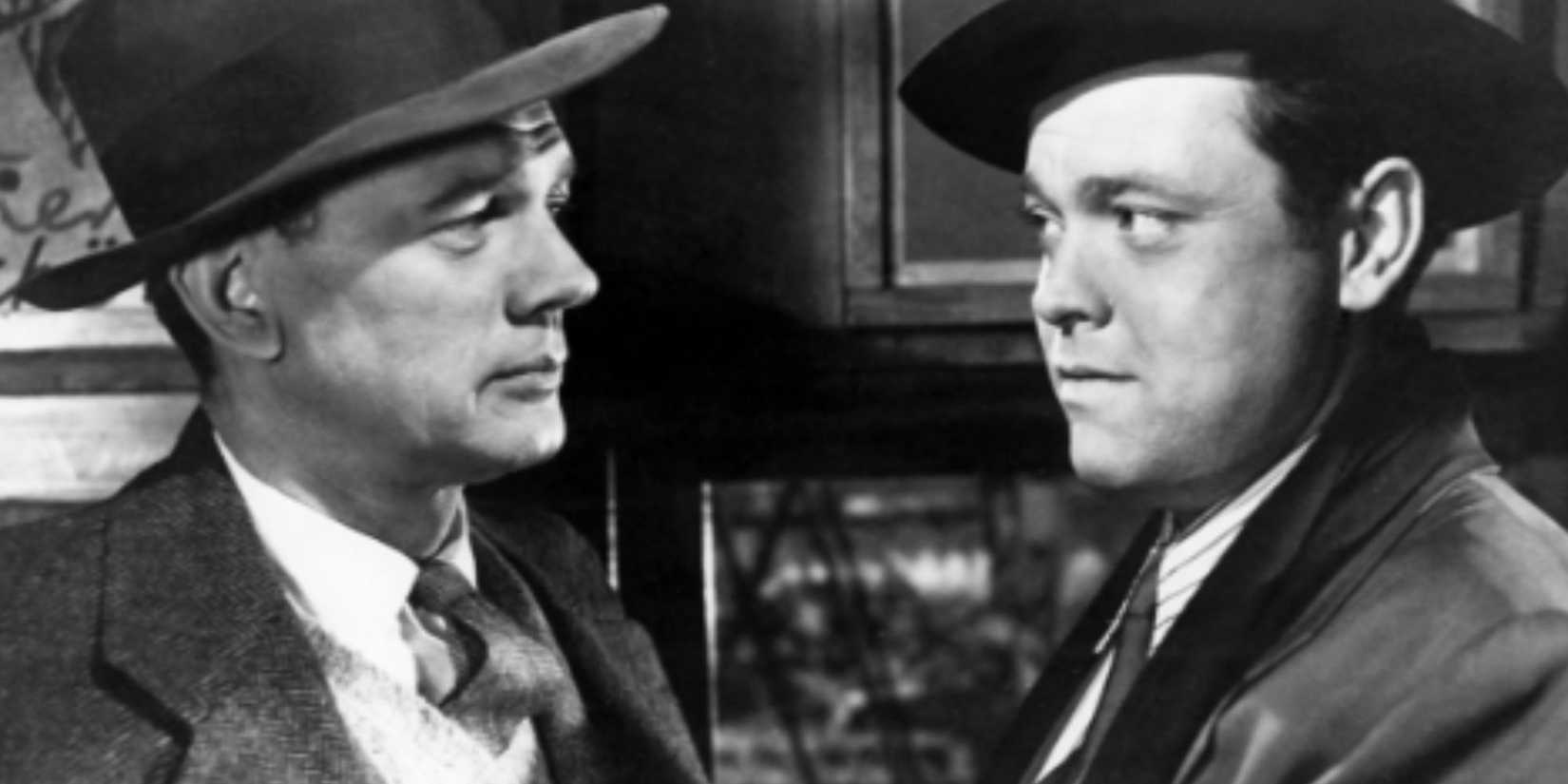
Carol Reed‘s The Third Man reigns as one of the greatest film noir classics and is universally remembered for its mesmerizing performances and its intriguing mix of mystery and morality, and notably, its groundbreaking cinematography by Robert Krasker. Joseph Cotten stars as a down-on-his-luck writer, Holly Martins, who travels to Vienna, where his longtime friend, Harry Lime (Orson Welles), has a job lined up for him. When Martins arrives, he’s devastated to learn that Lime was recently killed in a car accident, but as Martins learns more about his friend’s undoing, he starts to suspect that there’s more to Lime’s death than the detectives are admitting.
Krasker’s German expressionist-inspired cinematography in The Third Man creates an eerie atmosphere of moral instability and unease, ultimately enhancing the film’s post-war setting. Cotten proves his worth as a strong leading man while still conveying his character with an ingenious balance of vulnerability and righteousness. Welles’ iconic performance as Lime, though short and brief, leaves an everlasting impression on audiences with his sinister charm and self-serving motive. The Third Man was a monumental hit and received three Oscar nominations, including Best Director, and went on to win for Best Cinematography for Krasker.
1
‘Sunset Boulevard’ (1950)
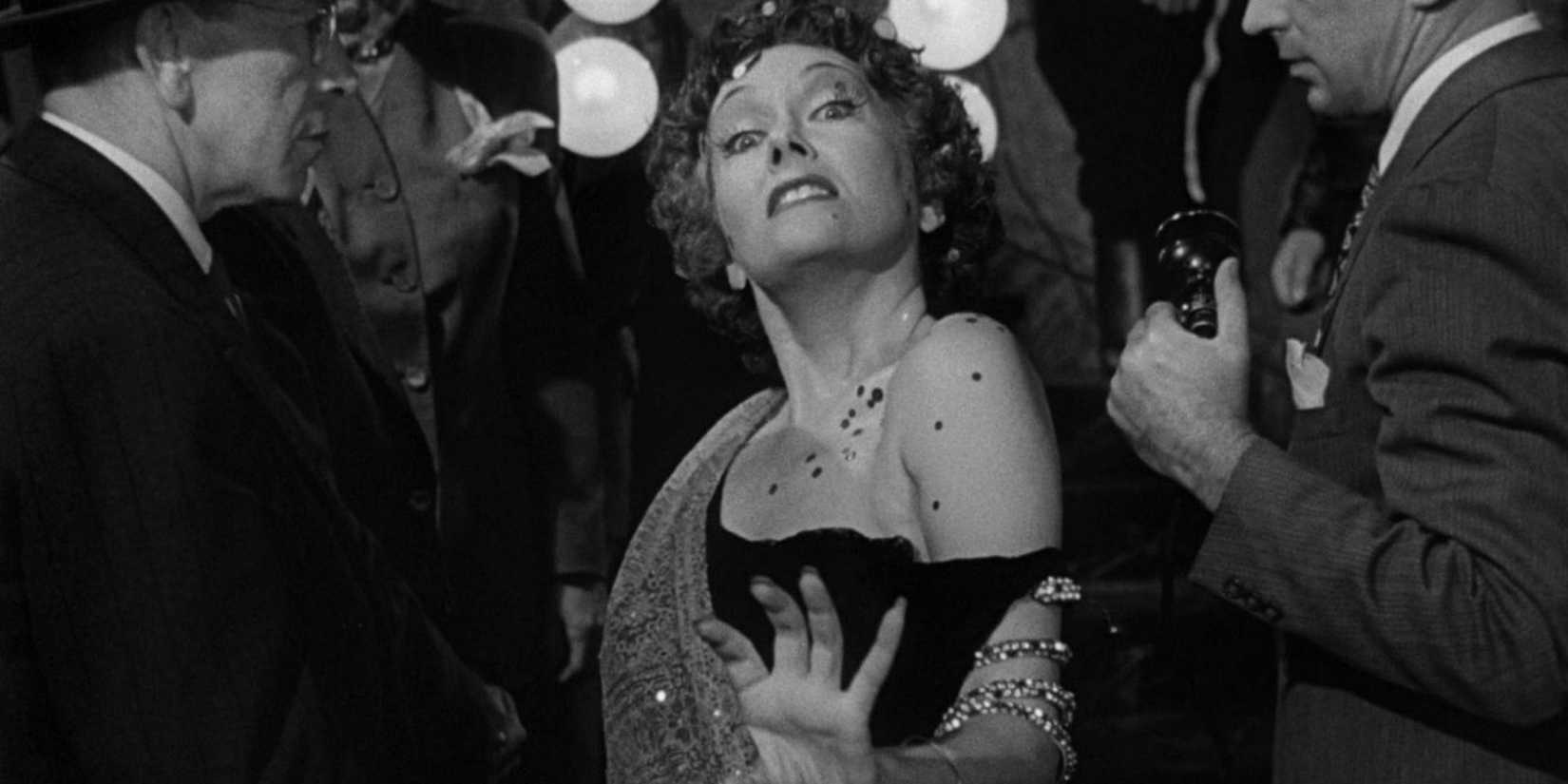
Billy Wilder’s Sunset Boulevard is a haunting film noir classic set at the crossroads of film noir and Hollywood satire that exposes the harsh reality of Tinseltown. Hollywood’s golden boy, William Holden, stars as an aspiring screenwriter, Joe Gillis, who meets a former silent film star, Norma Desmond (Gloria Swanson), and eventually agrees to write her a script that would put her back on top of stardom. Desmond shows her appreciation by showering Gillis with expensive gifts and adoration, but as Desmond’s affection gradually grows into an unhealthy obsession, Gillis realizes he must find a way out before it’s too late.
Sunset Boulevard is widely acclaimed for its unique blend of cynicism and tragedy as well as its merciless critique of the movie industry, specifically its fixation on youth and fame. Swanson, who was one of the biggest silent film stars, gives a comeback performance as the tragic and terrifying Desmond, which earned her an Oscar nomination for Best Actress. Holden also holds his own against the legendary Swanson with a sensational performance that essentially symbolizes the dark side of unwavering ambition. Sunset Boulevard received eleven Academy Award nominations, including Best Director, Best Picture, and Best Actor, and went on to win for Best Screenplay and Best Art Direction.

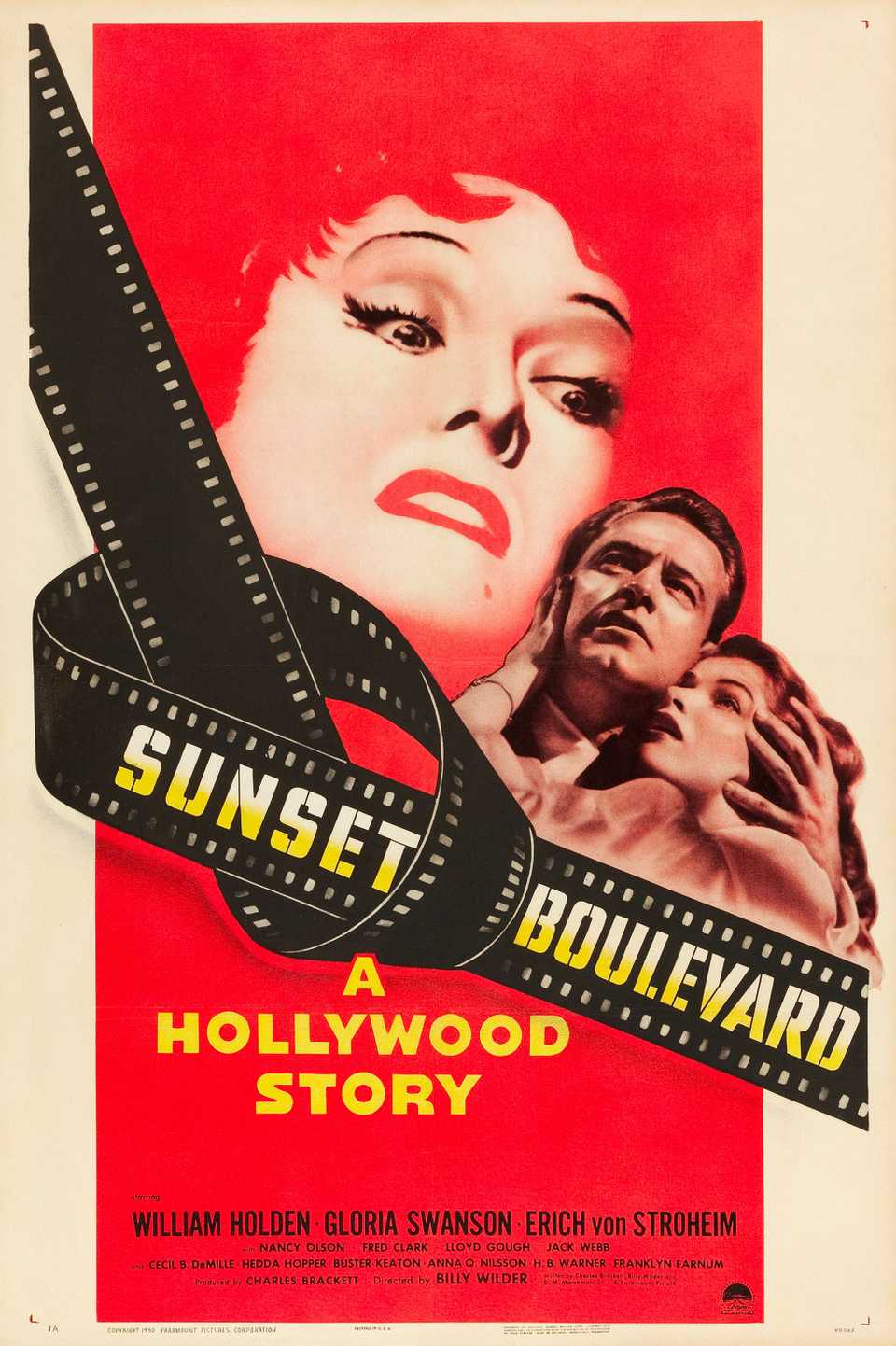
Sunset Boulevard
- Release Date
-
August 10, 1950
- Runtime
-
110 Minutes
-

William Holden
Joe Gillis
-
Gloria Swanson
Norma Desmond

Source link
-

-

-

-

-


