
Since 1951 (75 years ago now and all), there have been so many great epic movies and, truth be told, most of the all-time great epics were released in this timeframe. So, going over the last three-quarters of a century and highlighting the best of the best epics? There aren’t too many that are disqualified, outside some silent era ones (sorry, Napoleon) and, of course, Gone with the Wind, which came out in 1939.
Anything since 1951? It’s fair game. There are some serious omissions here, though, which is a reality when it comes to looking at the most masterful of all the great movies in any category, but that’s a fair warning. Some movies filmed as one overall work, but released in multiple parts, are also included here, and there’s a limit of one masterpiece per director (because some directors, like Akira Kurosawa, Sergio Leone, and David Lean, have made more than one masterful epic movie).
10
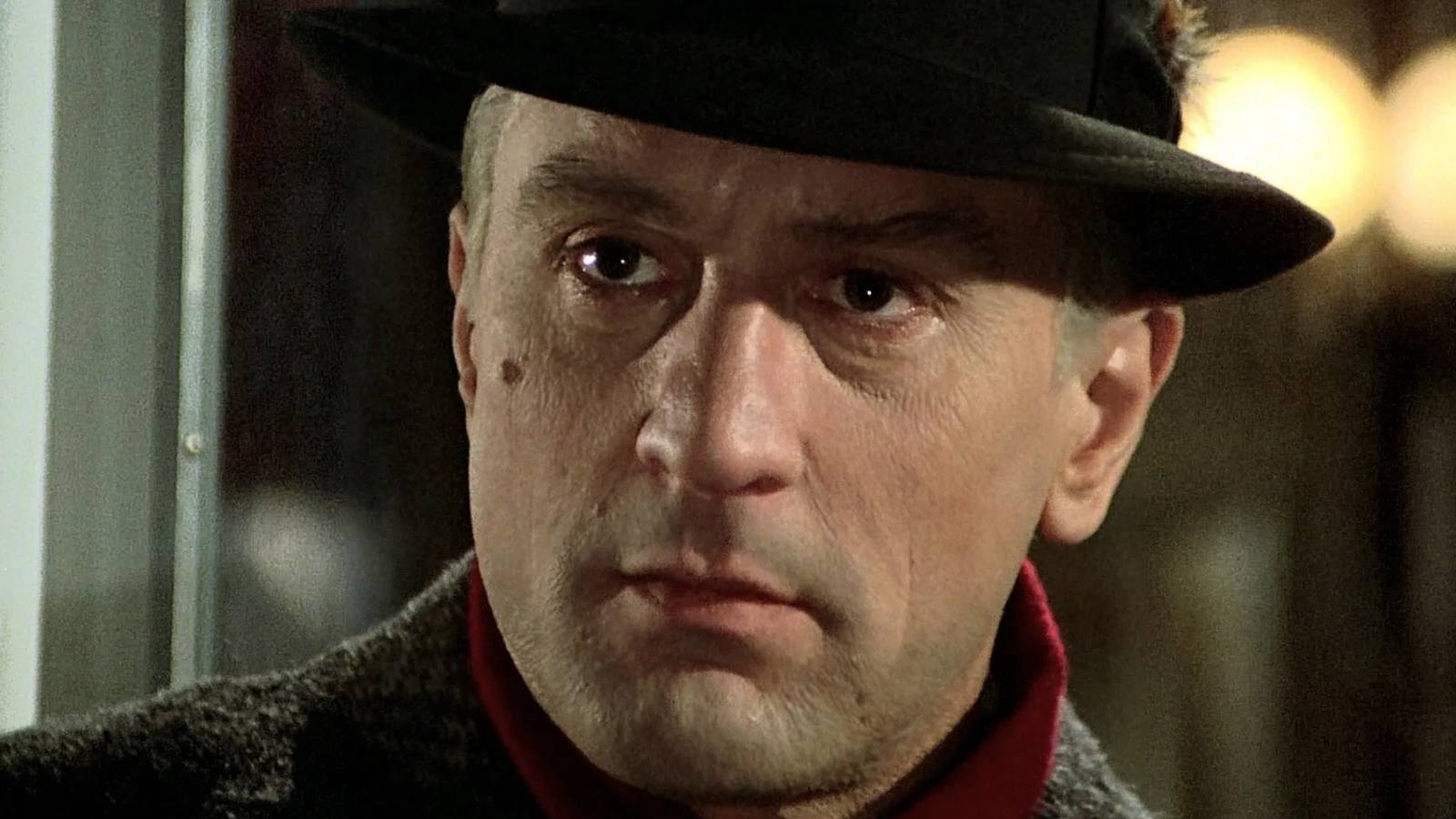
‘Once Upon a Time in America’ (1984)
In what ended up being his final movie, Sergio Leone ventured away from the Westerns that had largely defined his filmmaking career (see The Good, the Bad and the Ugly and Once Upon a Time in the West) and helmed a massive gangster film: Once Upon a Time in America. This is more of an epic than those two aforementioned Westerns, even if quality-wise, it’s hard to say which movie of this unbeatable trio is the best.
As for what can definitely be said about Once Upon a Time in America, it’s Leone’s darkest and likely most challenging film, because the gangsters here are irredeemable people, with some being tragic without also being sympathetic. It’s an odd line to walk tonally, but it’s handled well, and the filmmaking itself is beautifully done, so it is an essential epic, even if it’s sometimes hard to watch for reasons beyond just its length.
9
‘The Human Condition’ (1959-1961)

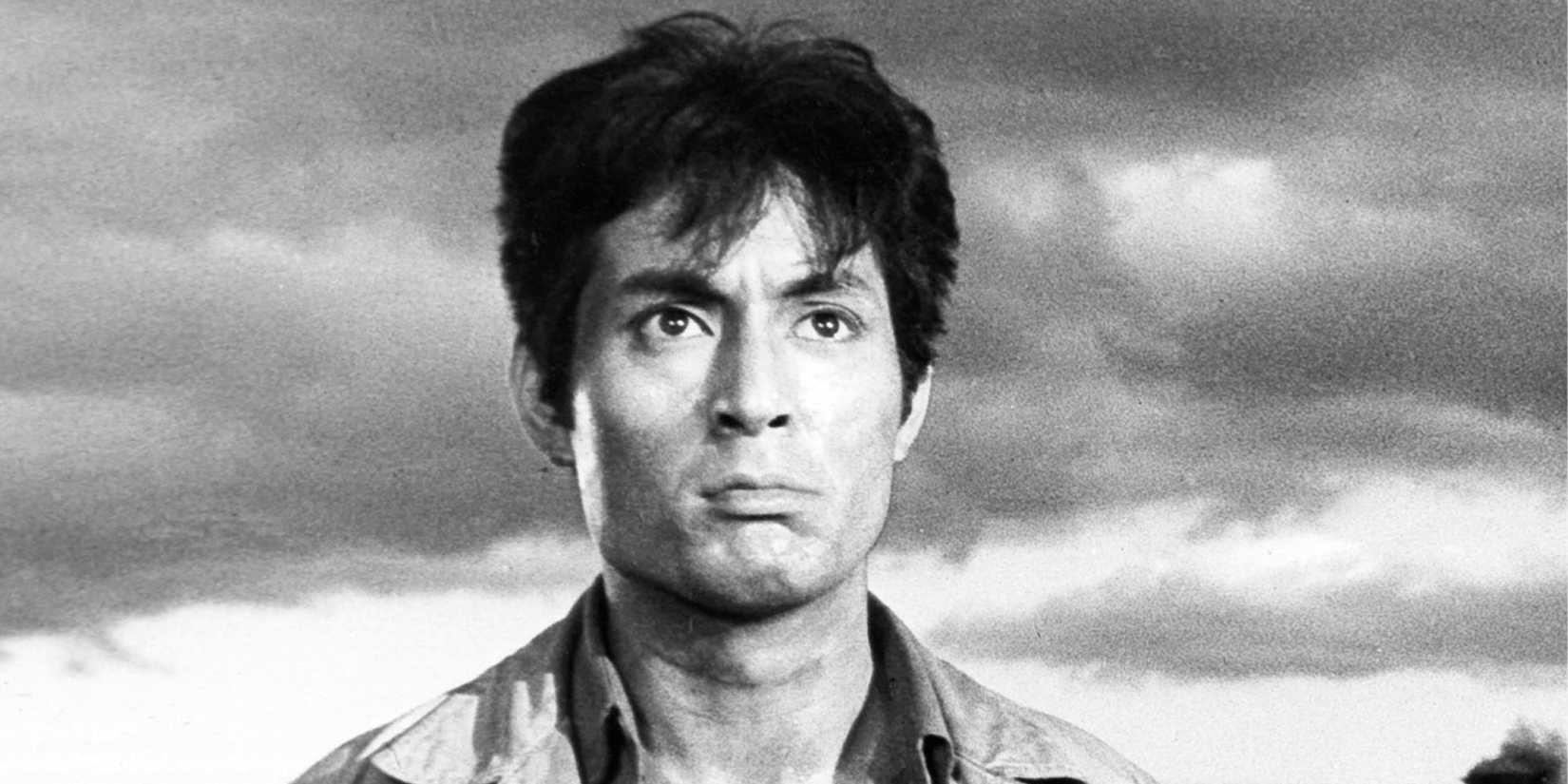
The Human Condition is one of the largest scale World War II movies ever made, though it is a three-part epic, and that does help it feel particularly giant. Still, each of its three parts is about three hours long, or longer, so each film on its own is an epic in itself, with each part focused on a different stage in a pacifist’s experience with World War II: the early days, being in the thick of combat, and then struggling to survive and get home after the war’s sudden (from his perspective) conclusion.
While most war movies are some level of heavy, The Human Condition goes the extra mile, and feels gruelling in terms of its content and length. But it’s a remarkable achievement in every way, even if it’s far from an easy watch, and there aren’t too many epic war movies that can call themselves more remarkable than this one.
8
‘Titanic’ (1997)

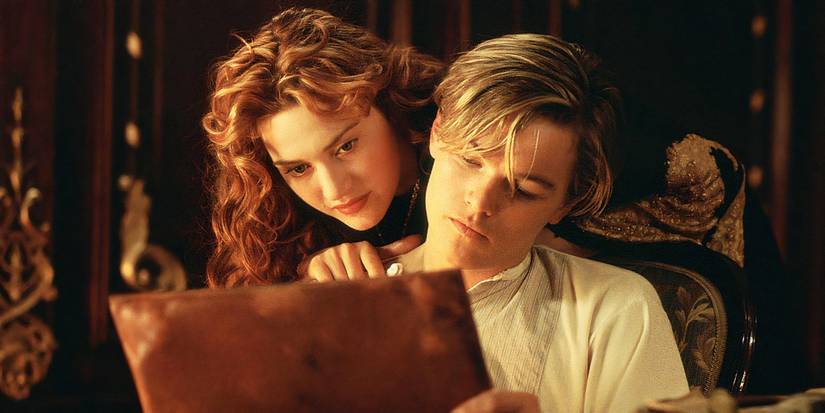
It’s a romantic epic, and a disaster movie, and it’s Titanic, which is about as famous (and high-earning box office-wise) as any film’s ever gotten. Some might try to resist something that’s this broadly mass appealing, but you’re better off just submitting to Titanic, and either getting swept up in the romantic first half or the more intense second half… or, preferably, you’ll dig both halves.
And the love story side of Titanic doesn’t necessarily go away once that iceberg’s collided into, it’s more just that the film naturally shifts. James Cameron is good at this kind of thing, and he might not be king of the world necessarily, in everyone’s eyes, but he could well be the king of blockbuster cinema, and he’s also helmed some mightily impressive epic films in his time, too (with Titanic probably being a little better than the Avatar movies, in all honesty).
7
‘The Irishman’ (2019)
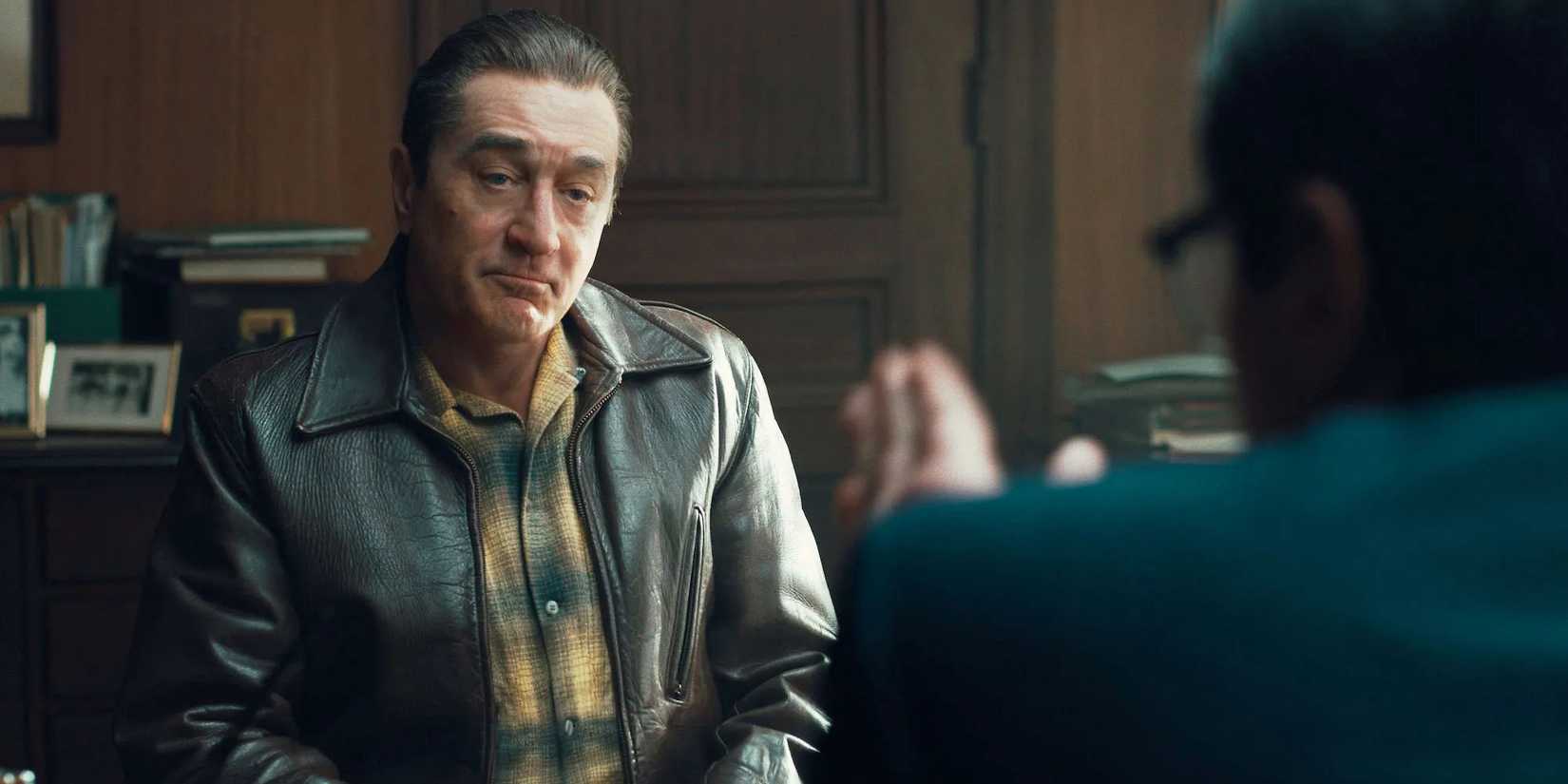
If it’s not underrated necessarily, then maybe The Irishman can count itself as over-hated, because people seem to not like parts of this one for some confounding reasons. It’s more patiently paced than other Martin Scorsese crime films, but it still covers a lot of ground and moves quicker than some give it credit for, while the de-aging… okay, the de-aging takes a while to get used to, but it’s a way to give legendary actors more screen time than they’d otherwise get.
And those actors (including Robert De Niro, Al Pacino, and Joe Pesci) are all giving swansong-esque performances here, alongside Scorsese also seemingly giving a concluding statement on the gangster film, as a genre he certainly didn’t invent, but helped popularize (to some extent) and became linked with quite heavily. There’s a lot explored in The Irishman, narratively and thematically, and its ambition, alongside its unwillingness to pull punches, make it worth admiring.
6
‘The Right Stuff’ (1983)

Most people who’ve seen The Right Stuff will tell you it’s great, but there needs to be more people in general who have seen it, since it’s just one of the best movies of all time while getting discussed a little less, overall, than most of the movies ranked here. It’s about the Space Race, from the U.S. perspective, looking at a group of test pilots training to become the first American astronauts, their plight being contrasted with the more rebellious ways of fellow test pilot (but non-astronaut) Chuck Yeager.
While The Right Stuff isn’t technically a comedy, it is pretty funny at times, and it balances the comedy with more sincere moments as well as sequences that prove surprisingly exciting. It manages to be a whole lot of things at once, on a tonal front, all the while developing a large cast of characters, covering a fairly lengthy span of time, and overall feeling well-paced and quite breathless for something that exceeds three hours in length.
5
‘War and Peace’ (1965-1967)

War and Peace is a big novel, and so it rightfully deserved a similarly massive adaptation. That’s what it got in the 1960s, courtesy of Soviet director Sergei Bondarchuk, which was originally released in four parts that total just over seven hours. But the book’s well over 1000 pages long, so there’s quite a bit here that had to be cut out for time, though there remains a whole lot of war, and a decent quantity of peace, too.
The ambition here is immense, even by the standards of the epic genre, and War and Peace can also count itself among the best-looking films ever made. There’s so much here, with it being maximalist but also well-controlled, despite how chaotic and overwhelmingly large some sequences (especially those depicting massive battles) get. Watching it all, it’s genuinely baffling to try and imagine how it all managed to come together. Right now. Over you.
4
‘The Lord of the Rings’ (2001-2003)
The last of the multipart movies worth mentioning here, The Lord of the Rings is the most monumental epic film of the 21st century so far, and quite comfortably the best, too, especially if you take it all as one project/work. It was filmed that way, and the source material is technically one giant novel, rather than a trilogy, but still, each film on its own is an epic itself (similar to the situation with The Human Condition).
Also, The Lord of the Rings is tremendously emotional on top of being exciting and action-packed, so whatever you’re looking for out of a blockbuster-level movie, you’re going to find a lot of it here, in this trilogy. But that’s well known at this point, and there are only so many things that can be said about The Lord of the Rings, and how great it is, that haven’t been said countless times already.
3
‘The Godfather’ (1972)
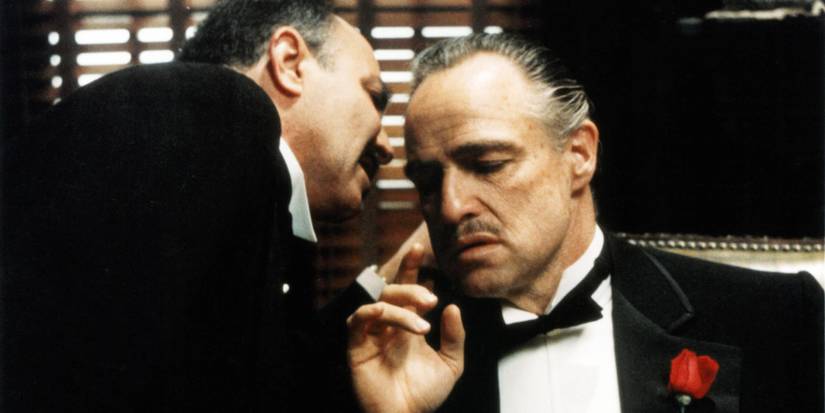
For as great as Once Upon a Time in America and The Irishman (yes, The Irishman) are, you can’t really shout them out without also mentioning The Godfather, which is probably the quintessential gangster epic. It’s also worth giving an honorable mention to The Godfather Part II, which can’t really sneak in here in a Lord of the Rings kind of way, since it was made as a separate production to the first movie.
Anyway, regarding that first movie, it’s a great introduction to the Corleone family that mostly revolves around the question of who’ll run things after patriarch Vito is gone, plus some other stuff, including a brewing gang war. The Godfather is perfectly paced and ultimately very moving, not to mention fantastically acted, written, shot, edited, scored, and all the things, really. It’s just pretty much perfect.
2
‘Lawrence of Arabia’ (1962)

Of all the classic epic movies, say of the 1950s and 1960s, when bigger did seem to be better, as far as cinema was concerned, Lawrence of Arabia is undoubtedly one of the very best. It’s probably the quintessential English-language epic of this time, and could well be the greatest biographical/historical epic of all time, taking place partly during World War I and focusing on the dramatic life of T.E. Lawrence both in said conflict, and then for a little while after.
Lawrence of Arabia is well worth devoting nearly four hours of your life to, or even longer, since it’s surprisingly easy to continually revisit.
That being said, there are liberties taken here as far as historical accuracy is concerned, but it paints so impressive a picture and tells such a great story that even those after historical accuracy can probably forgive it. Lawrence of Arabia is well worth devoting nearly four hours of your life to, and is indeed so worth continually revisiting that you shouldn’t be surprised if you end up spending eight, 12, or 16 hours with it, after enough time.
1
‘Seven Samurai’ (1954)
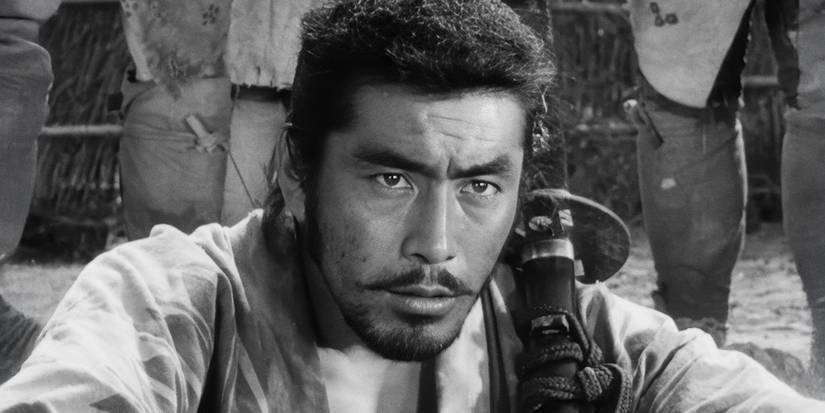
While Ran is almost just as fantastic, Seven Samurai is probably Akira Kurosawa’s finest epic movie, or the one that feels the most essential, especially with it being influential and remarkably ambitious for its time. It’s about townspeople fearing further bandit attacks, and hiring a group of warriors to defend their town, with three clear acts outlining first the gathering of a team, then a preparation for battle, and then the final showdown itself.
So, on top of being an epic, Seven Samurai is also an early action film, and one that clearly inspired further action movies, especially those on an epic scale. This commentary ain’t riveting, but there’s only so much you can say about a movie that so clearly does everything right. It’s a well-oiled machine of a film, and a pretty much timeless one, given it’s almost 75 years old itself, and still proves captivating to watch to this day.
Source link
-
-

-
-

-


