Film noir is associated with cinema from the 1940s and ’50s, but the DNA of the iconic genre is prevalent in all crime, thriller, and mystery films in the present day. With the advent of color photography and updated cultural trends, the classic noir has paved the way for the more omnipresent subgenre, the neo-noir. This permutation of the genre retains all the recognizable traits—morally gray characters, moody atmospheres, and cryptic and fatalistic plots—but they are enhanced by striking visual cues and postmodern sensibilities that resemble our way of life. Ushered in by the New Hollywood of the ’70s, neo-noirs are prone to subvert expectations and enhance the violence and sexuality of hard-boiled detective stories and revenge thrillers.
Neo-noirs are also perfect showcases for actors to channel the darkest layers of their soul and let themselves be vulnerable to the whirlwind of terror, madness, and obsession present in all these films. These 10 performances listed below encapsulate the versatile brilliance of the genre.
10
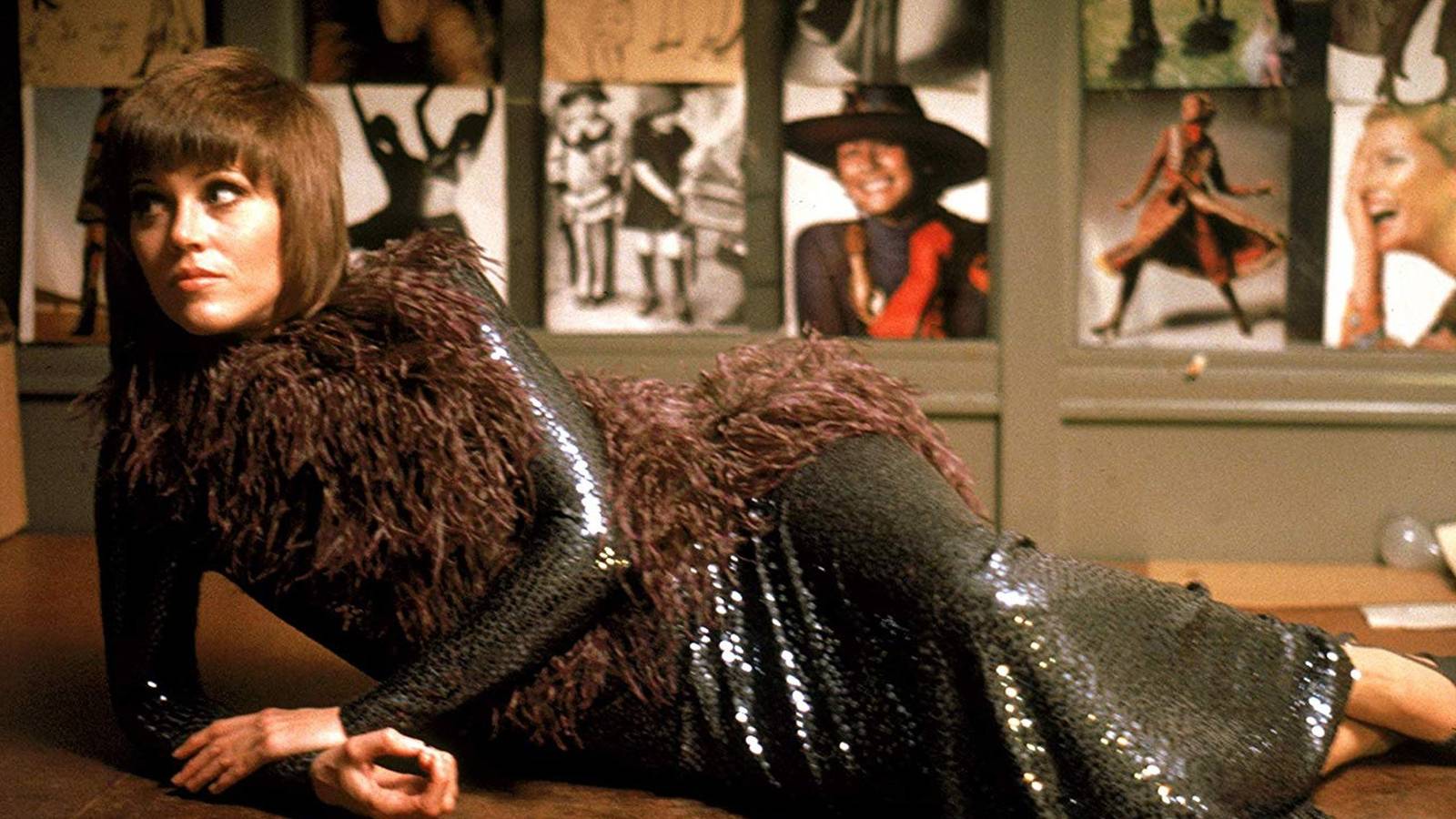
Jane Fonda – ‘Klute’ (1971)
Playing a femme fatale in any noir is a surefire way of tracking awards attention. In Jane Fonda‘s case, she won her first of two Academy Awards for playing Bree Daniels, the sex worker in pursuit of solving a missing person case involving her stalker in Klute. The 1971 film is the first in Alan J. Pakula‘s spiritual trilogy of paranoid thrillers, followed by The Parallax View and All the President’s Men.
Starring alongside Donald Sutherland as the titular detective, Klute has all the trappings of a classic noir, but Pakula helped usher in our vision of the neo-noir with this perversely romantic psychological thriller imbued with the dread and cynicism of the 1970s. Pakula’s trilogy directly comments on the political and social upheaval of the period in the wake of Watergate and the Vietnam War, and Bree Daniels is perhaps the epitome of the constant feeling of dread pervading all Americans. Fonda, in a deeply sensitive and hard-edged performance, inhabits a role that is, on the surface, heightened and sensationalized, into something emotionally realized and layered, avoiding all the tropes of the “call-girl with a heart of gold.” You’re not sure who to believe in Klute, and neither does Bree.
9
Jack Nicholson – ‘Chinatown’ (1974)

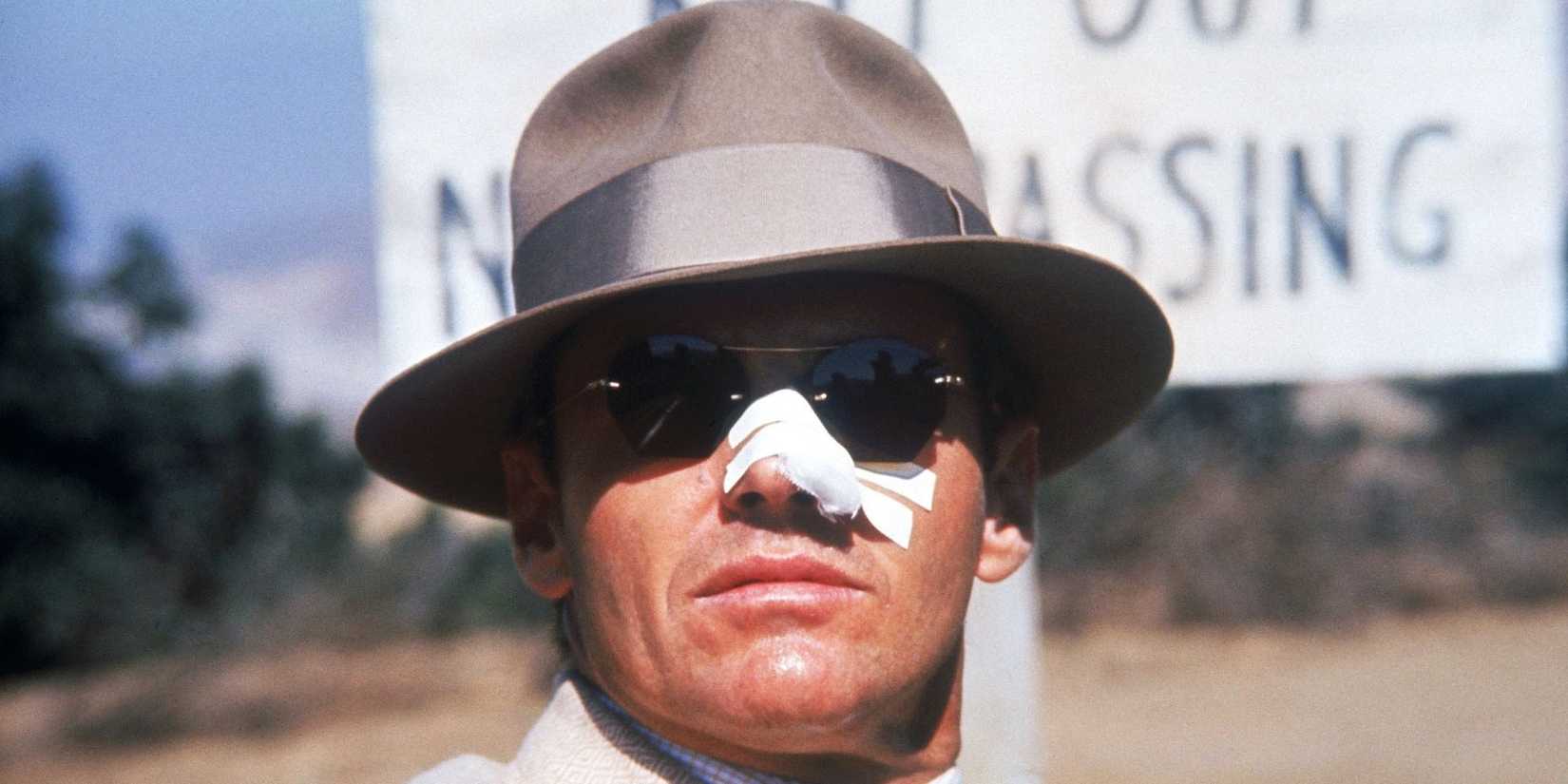
In what may be the definitive film of the 1970s, a decade renowned for pushing the envelope of cinematic language, Chinatown forever altered the fabric of the noir genre. If the neo-noir was just an idea before Roman Polanski‘s dark detective story set in sun-baked Los Angeles, the subgenre was cemented as cinematic gold after its release. Anything as magnificent as Jack Nicholson‘s performance as J.J. “Jake” Gittes would elevate anything to a profound status.
In the 1974 film, featuring arguably the finest screenplay in history by Robert Towne, Gittes finds himself immersed in a twisted conspiracy involving impostors, sexual indecency, and political corruption that began as a rudimentary infidelity case. Noirs were known for touching third-rail social and political topics, but Chinatown reached unprecedented levels of provocation, highlighted by the horrific plot twist involving the relationship between Evelyn Mulwray (Faye Dunaway) and Noah Cross (John Huston). Carrying this weighty plot and dazzling visual poetry is Nicholson, whose hostile rage and mania are repressed by the shock of Gittes’ surrounding circumstances. Gittes undergoes more distress and pain (signified by his iconic nose bandage) than any noir detective in history. Jack was always the coolest celebrity around, but even he couldn’t hold his own against Chinatown. Forget it, Jake.
8
Harrison Ford – ‘Blade Runner’ (1982)
A film misunderstood upon release, primarily because audiences were watching a mangled theatrical cut, Blade Runner is widely embraced as an all-time classic that pushed film noir to unforeseen heights by blending all the tropes of detective novels, grisly neo-noirs, and dystopian science fiction into one brilliant vision of a world where humans and androids are indistinguishable. It’s easy to fawn over Ridley Scott‘s impeccable artistic language, the dazzling production design, and the chilling atmosphere, but the 1982 film, based on the work by Philip K. Dick, would be limited without a towering lead performance by Harrison Ford as Rick Deckard.
Deckard, the feared hunter of Replicants, non-humans posing as everyday civilians, is hired to eliminate four escaped Replicants roaming Earth in 2019. As with any noir, this mission becomes so much more complicated than anyone imagined, as Deckard, who may have been a Replicant all along, falls in love with one of his targets, Rachael (Sean Young). The methodical pace and eerie world-building gave Blade Runner a different energy compared to most intense neo-noirs, but the film is no less invigorating and rich. Ford has never felt more poised on screen than he does as Deckard, a cool but haunted lone wolf completely out of touch with himself. The most powerful elements of his performance come in the emotions he doesn’t hold, as his taciturn nature, akin to Ford’s public persona, only makes him more intriguing.
7
Dan Hedaya – ‘Blood Simple’ (1984)


What do you get when you combine a grisly neo-noir, a sweat-coated Western, and an absurdist tragedy? A film by Joel and Ethan Coen, of course. The directing duo immediately announced themselves as the next great cinematic voices with their debut film, Blood Simple, a noir filled with greed, distrust, senseless violence, and macabre humor that served as the blueprint for the rest of their acclaimed, Oscar-winning careers. In the canon of excellent performances in Coen Brothers films, Dan Hedaya brought an eerie menace unmatched in their filmography.
In the ensemble cast, including M. Emmet Walsh, Frances McDormand, John Getz, Hedaya, playing Julian Marty, owner of a seedy Texas bar, who suspects that his wife, Abby (McDormand), is having an affair, is the stand-out performance. From the first look on his face, you know that Marty, defined by anarchy and self-destruction, means business. The directors have a soft spot for lovable losers and naive heroes in a nihilistic world, but Marty simply sends a chill down the spines of all viewers. Enhanced by the shadowy and hot climate of its setting, Hedaya is the heart of Blood Simple‘s pitch-black view of the American heartland. The character actor brilliantly portrays the Coens’ signature archetype of an impulsive criminal whose rage gets the best of him.
6
Denzel Washington – ‘Devil in a Blue Dress’ (1995)

Denzel Washington, one of the most skilled and accomplished actors to ever live, has given an iconic performance in just about every genre. Of all film genres, Washington was born to thrive in the noir genre. In one of the more underrated gems of the neo-noir subgenre, Devil in a Blue Dress, he captures the innate charm of his screen persona into a demoralizing tale of corruption and racism in Carl Franklin‘s adaptation of a Walter Mosley novel. Washington’s take on Easy Rawlins is a socially-conscious noir that is nonetheless as pulpy and gripping as any classic whodunnit.
Washington’s exceptional screen presence, a seamless blend of no-nonsense fortitude and understated sentimentality, is practically the embodiment of the neo-noir genre.
Easy Rawlins, a Black war hero, struggles to find work and is hired to locate an enigmatic woman, Daphne Monet (Jennifer Beals), only to find himself entangled in a political scandal in post-WWII Los Angeles, where he is still viewed as a second-class citizen due to his race. Washington’s exceptional screen presence, a seamless blend of no-nonsense fortitude and understated sentimentality, is practically the embodiment of the neo-noir genre. Throughout Devil in a Blue Dress, he subverts all expectations of what a hard-boiled detective should be, unafraid to show fear and romanticism. Thanks to such a cerebral and vulnerable performance by Washington, starring alongside a breakout turn by Don Cheadle, the 1995 film is more invested in asking sociological questions rather than solving cases.
5
Jennifer Tilly – ‘Bound’ (1996)
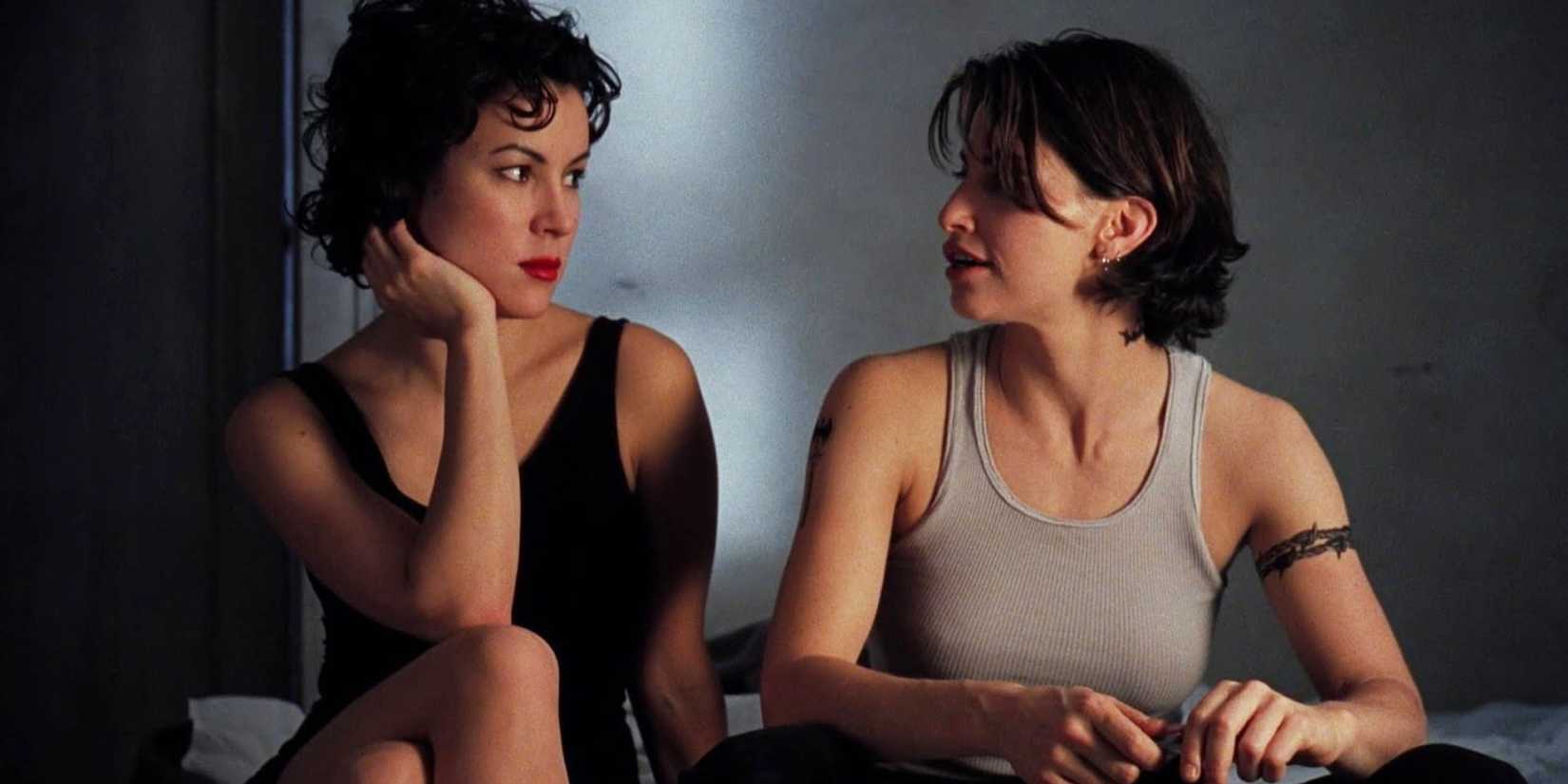
Noir protagonists were historically male, but the ’90s subverted all expectations with the advent of the neo-noir, which turned femme fatales into power players and identifiable heroes. Before changing cinematic language forever with The Matrix, the debut film by Lana and Lilly Wachowski, Bound, was a lean, mean, sturdy crime caper about two female lovers orchestrating a scheme to steal mob money to start their own lives. Starring opposite Gina Gershon, Jennifer Tilly gives an unforgettable performance as Violet, a fed-up girlfriend of a mobster, Caesar (Joe Pantoliano).
While Gershon, who plays the enigmatic ex-con and next-door neighbor, Corky, Tilly’s Violet is much more unassuming. She should be content with her life of luxury, but she yearns for independence and sexual autonomy. The brilliance of Bound is that their scheme to rob Caesar blind, which, in noir fashion, goes awry in the worst possible ways, is driven by their innate romantic drive towards each other. In one of the most sensually romantic turns in the neo-noir genre, Tilly is both deeply sensitive and steely, weary of the precariousness of the plan but remains steadfast in her mission. The Wachowskis’ direction is slick and uber-stylized, but Bound is an actor’s showcase first and foremost, and one that hinges on Violet’s doubts and temptations.
4
Russell Crowe – ‘L.A. Confidential’ (1997)

Adapting an acclaimed novel by James Ellroy, L.A. Confidential had high expectations, but its plan for success seemed compromised by an unproven director, Curtis Hanson, and the casting of relative unknown Australian actors in the pivotal roles of Ed Exley and Bud White. While Guy Pearce became a highly respected dramatic actor, Russell Crowe turned into an overnight mega-star thanks to his magnificent turn as Bud, the brute officer with a repressed heart of gold in this wildly entertaining and immersive neo-noir.
Known for his twisty, grimy thrillers, Hanson constructed a gorgeous and vivid period setting, 1950s Los Angeles, a city where the veneer of Hollywood glamor hides the sleaziness of the criminal underworld, a milieu enabled by the equally corrupt L.A. police department. Even for the straight-laced variety, every cop has their own way of enforcing the law. For Officer Bud White, due process takes a backseat to throwing haymakers at suspects and performing vigilante justice on the local scum. Crowe’s star-making performance set him up as Hollywood’s next great masculine icon, later cemented by Gladiator. He is genuinely menacing, and his abuse of power turns him into a rogue hard-boiled detective crossed with a Western outlaw. Still, Crowe allows Bud to be sympathetic with his rigid moral code and fondness for abused women.
3
Guy Pearce – ‘Memento’ (2000)
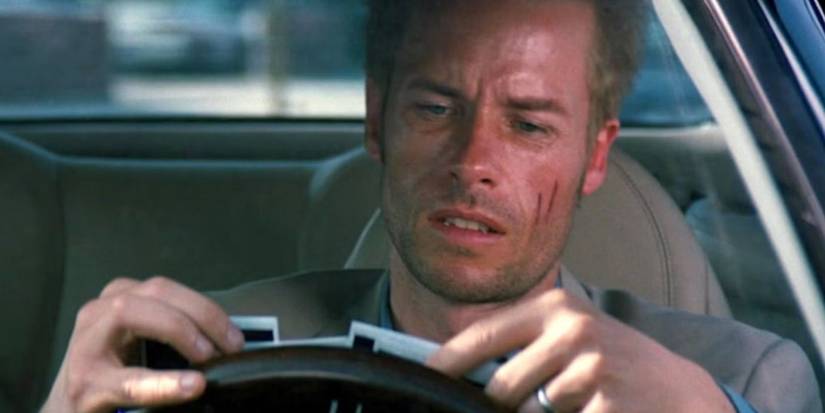
Three years after L.A. Confidential, Guy Pearce continued his reign as a modern master of neo-noirs and helped launch Christopher Nolan as the most commercially successful and recognizable director of his generation. Before helming comic book and historical epics, Nolan proved his chops as an inventive and thrilling writer-director of gritty neo-noirs like Memento, a blueprint outlining his fascination with time manipulation, distorted realities, and protagonists haunted by a troubled past.
Pearce, who played mock private eye Leonard Shelby with short-term memory loss investigating his wife’s murder, made Nolan’s cryptic storytelling emotionally clear. Leonard, whose condition leads him to paths of self-destruction, could combust at any moment, and Pearce perfectly captures the feeling of someone being afraid of his own body and what could unfold if he fails to take a photograph of his latest location. Despite the probing psychological conflict and deep-seated pathos at the center of the story, Memento‘s spurts of levity and charm are akin to Pearce’s exuberant, spontaneous performance that gradually adds new layers of complexity as Nolan meticulously jumps back and forth to the past and present day. Leonard is perhaps an ideal audience avatar for any neo-noir viewer who is baffled by the amount of violence and mayhem portrayed on screen.
2
Kim Hye-ja – ‘Mother’ (2009)

Throughout his remarkable career, Bong Joon Ho never saw an established genre he couldn’t squeeze into a film. Renowned for his ability to blend absurdist comedy, bleak drama, and B-movie thrills into a cohesive narrative, Bong’s most overlooked film, the 2009 revenge neo-noir Mother, is the director’s most stripped-down and punishing experience. If he wanted to, Bong could’ve kept churning out gritty noirs and rich character studies, especially when he was blessed with a gifted performance by Kim Hye-ja, who played the titular mom out for retribution.
After her son, Yoon Do-joon (Won Bin), is framed for the brutal murder of a girl in rural South Korea, the unnamed Mother embarks on a vengeance-fueled quest to find the truth about this scandal. Her protection of Do-joon, a neurodivergent young adult, is a far cry from many classic neo-noirs, which often feature lonely drifters defined by nihilistic tendencies. Not only does this make Mother more relatable, but the tragic implications of her rogue investigation are necessary evils that must be confronted. Throughout her jail visits, the thorny, love/hate relationship between the two is unveiled, and their violent tendencies are both driven by an unshakable co-dependency. With Bong’s formal tricks and heavy-handed commentary reduced, Mother thrives on a staggering lead performance by Kim, subverting our expectations of the loving mom stereotype to explore the precariousness of unconditional love.
1
Jake Gyllenhaal – ‘Nightcrawler’ (2014)
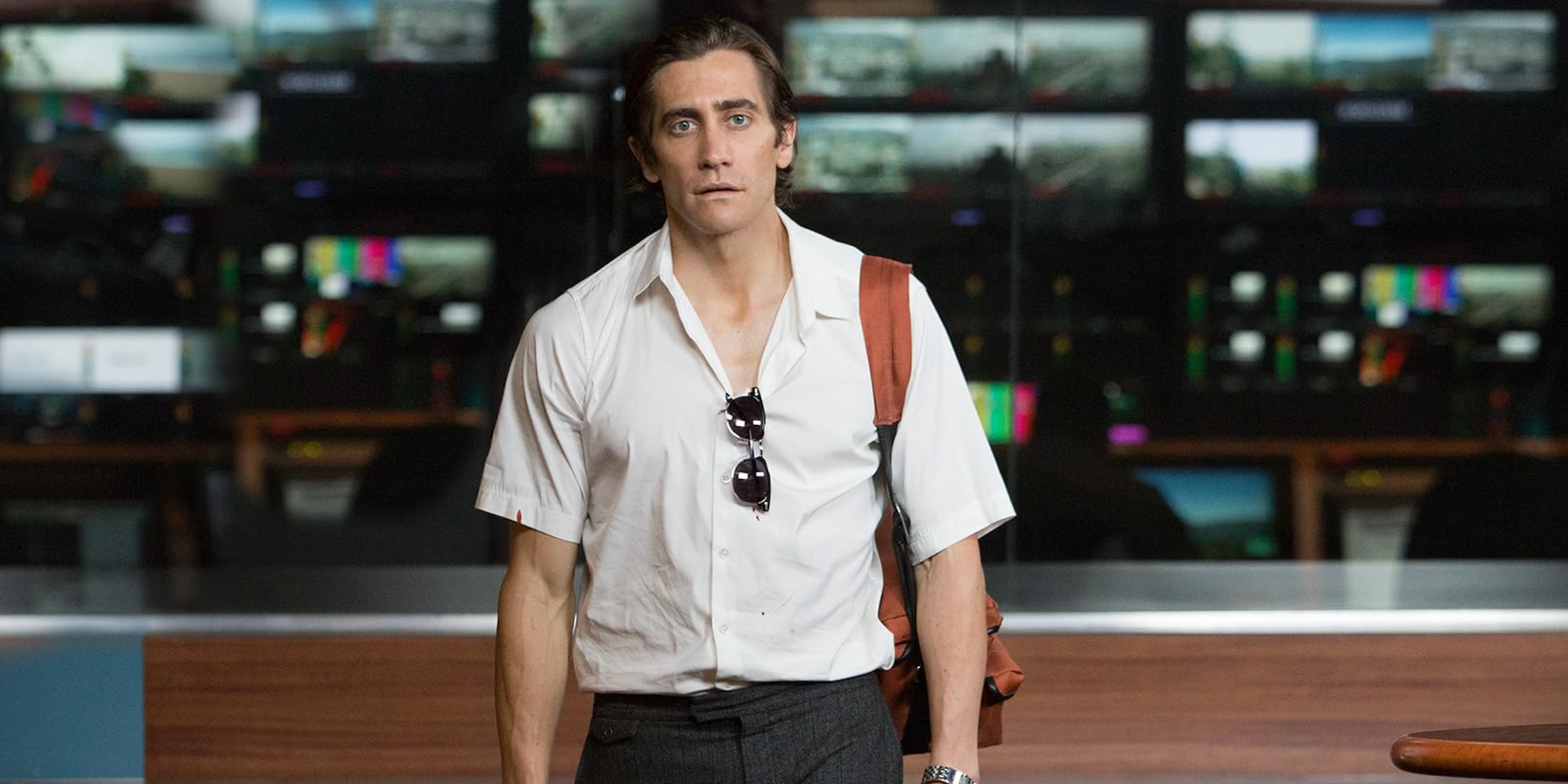
After years of upending his image with dark and twisted roles, Jake Gyllenhaal reached the apex of his stirring dramatic chops in one of the signature neo-noirs of the last 15 years. Doubling as a grim, Los Angeles-set noir with a chilling anti-hero and a biting media satire, Nightcrawler is designed to make you feel uneasy. Writer-director Dan Gilroy pushed the genre into new directions to reflect the economic distress in America and loneliness of man in the modern day, and no one best embodies the chaos and malaise of the 21st century quite like Gyllenhaal as Lou Bloom.
Desperate for work, Lou turns to freelance crime journalism, selling his footage of L.A.’s most horrific murders to news outlets. As he develops a relationship with one news director, Nina (Rene Russo), Lou becomes less of an observer of crimes and more of a participant, and his behavior is enabled by the predatory TV news programs paying big bucks for this footage. Gyllenhaal pours the darkest pockets of his soul on the screen, hardly blinking an eye and remaining eerily still as he leeches on the misery of others. Nightcrawler is a riveting but sobering portrait of the modern digital age, where grifters feel entitled to record anything they please and carry a domineering presence despite lacking the prerequisites. Lou is as sociopathic as any neo-noir anti-hero, but he is legitimized more than any other.


- Release Date
-
October 31, 2014
- Runtime
-
117 Minutes
- Director
-
Dan Gilroy
Source link