
The shadow of The Godfather looms large. In many ways, it’s the apotheosis of the mobster genre, a genuinely Shakespearean crime epic. But mob cinema didn’t stop in 1974, nor did it begin then either. Across decades, directors have returned to the underworld, exploring gangster stories from a variety of different angles; some are romantic and stylized, while others are grim and gritty.
With this in mind, this list discusses the very best non-Godfather gangster movies, from Gomorrah to Goodfellas. The following ten films honor that crime tradition while expanding its emotional and stylistic palette. There’s not a ranking per se here; instead, we’ll talk about movies that live up to The Godfather‘s legacy, revealing that the mob genre is much more than just Don Vito Corleone.
10
‘Once Upon a Time in America’ (1984)
“I slipped.” Sergio Leone’s final film is a somber, time-spanning meditation on friendship, betrayal, and memory. While it falls a little short of its ambitions, the finished product still towers over most crime movies. Following a group of Jewish gangsters in New York across several decades, the plot centers on Noodles (Robert De Niro) and Max (James Woods) as they rise from street thieves to bootlegging power brokers, only to fall victim to greed and fractured loyalty.
The narrative jumps between eras, blurring the line between truth and regret. A portrait emerges of a man revisiting the ruins of his past and wondering whether he ever truly escaped it. Leone’s vision treats crime as a tragic echo chamber, where ambition curdles into obsession and nostalgia turns toxic. It’s grand, mournful, and mythic. Infamously, the studio butchered the theatrical release, but the restored original is powerful and engrossing.
9
‘Casino’ (1995)


“There are three ways of doing things: the right way, the wrong way, and the way I do it.” With Casino, Scorsese turns Las Vegas into a cathedral of greed. De Niro has top billing once again, this time playing Sam “Ace” Rothstein, a meticulous gambling mastermind sent to run a mob-backed casino. Opposite him is Joe Pesci as Nicky Santoro, his childhood friend turned volatile enforcer. Their dynamic has interesting parallels to the main characters of Mean Streets.
At first, the operation thrives: money flows, suits shine, and power feels limitless. But things inevitably spin into chaos as ego, paranoia, and betrayal unravel their empire. In particular, Ace’s doomed romance with Ginger McKenna (Sharon Stone in a career-defining performance) becomes the emotional tinder fueling the collapse. Unlike The Godfather’s solemn elegance, Casino feels electric, dangerous, and relentless. Gone is the mobster code; here, only the logic of profit rules.
8
‘Scarface’ (1983)
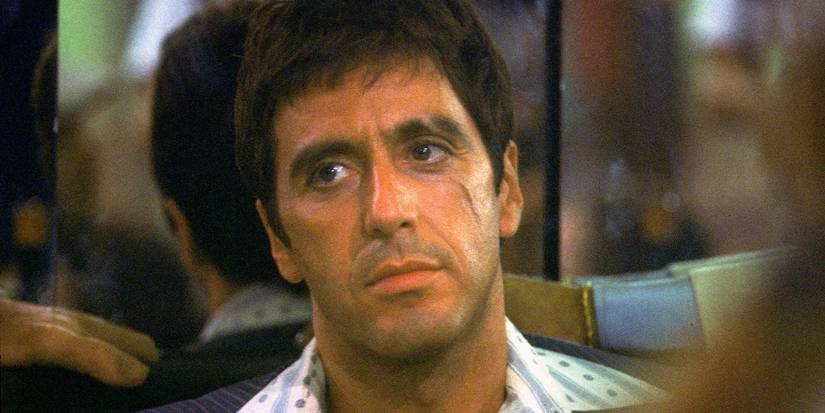
“Say hello to my little friend!” Brian De Palma’s cocaine-drenched gangster opera is all mayhem and excess, the perfect mobster movie for the 1980s. Al Pacino delivers a fiery performance as Tony Montana, a Cuban immigrant who claws his way from small-time thug to Miami drug kingpin. Violence, paranoia, and ego fuel his dizzying ascent, but they also guarantee his brutal downfall. Every scene pulses with a mix of swagger and doom.
Where The Godfather deals in old-world loyalty and tradition, Scarface is new money crime: louder, hungrier, and self-destructive, totally free of guardrails. Tony doesn’t build a dynasty or a business to hand over to his heirs. He builds a monument to himself, and it becomes his tomb. In Scarface, the American dream is a fever dream, and it can swallow even the most hardened person whole. Critics disliked the movie on release, but it has since entered the pantheon of crime films.
7
‘Gomorrah’ (2008)


“Power is telling someone you’re not afraid.” This Italian crime drama strips away the usual romanticism of mob movies, replacing it with realism as harsh as concrete. Set in Naples and inspired by real accounts of the Camorra syndicate, the film weaves together multiple storylines: teenagers seduced by gangster glamour, workers laboring under mob control, a tailor (Salvatore Cantalupo) exploited by fashion counterfeiting rings, and an emissary (Gianfelice Imparato) torn between survival and conscience.
The violence here isn’t stylized. Instead, it’s abrupt, senseless, and suffocating. The effects of it are entirely corrosive, even to those who think they have the power. Many of these scenes are closely based on real incidents, too, and they all feel plausible. Gomorrah also has an interesting self-aware quality at times, like when the young aspiring gangsters watch and quote Scarface. The contrast between the movies and their actual lives is stark and devastating.
6
‘A Bronx Tale’ (1993)

“The saddest thing in life is wasted talent.” Robert De Niro’s directorial debut plays like a kind of parable. Set in 1960s New York, it follows Calogero (played as a kid by Francis Capra and as a teenager (Lillo Brancato Jr.), a boy torn between two father figures: his hardworking bus-driver dad (De Niro) and Sonny, the local mob boss (Chazz Palminteri), who embodies power, danger, and charisma. Through these characters, the movie explores what it means to grow up at the crossroads of morality and temptation. Calogero learns street codes, witnesses tragedy, and slowly decides what kind of man he wants to become.
As a result, A Bronx Tale is really about identity more than anything else. Honor, fear, loyalty, and race all collide in a neighborhood where the specter of violence hangs over everything. A Bronx Tale isn’t a typical rise-and-fall gangster story but a coming-of-age epic set in the shadow of crime, and few movies capture the pull of the streets with such tenderness and clarity.
5
‘The Untouchables’ (1987)
“They pull a knife, you pull a gun.” Another highly ambitious movie whose reach somewhat exceeds its grasp, yet it’s still a cut above the rest in its genre. De Palma’s stylish prohibition-era thriller pits federal agent Eliot Ness (Kevin Costner) against Al Capone (De Niro), assembling a small team to bring down the Chicago mob titan. Though it’s based on a true story, at times The Untouchables feels like a fable, a tale of law battling corruption, old-fashioned idealism up against ruthless cynicism.
It’s romanticized, yes, but thrillingly so, a reminder that mob movies can be heroic without losing grit. It helps that the stars are all so talented and committed. Sean Connery’s world-weary mentor steals nearly every scene (even with the shaky accent), and the movie’s iconic set pieces are all fittingly tense and operatic, the train station shootout most of all.
4
‘Mean Streets’ (1973)

“You don’t make up for your sins in church. You do it in the streets.” Scorsese’s breakthrough film is the blueprint for almost every moral gangster story that followed. Set in Little Italy, it follows Charlie (Harvey Keitel), a small-time hood trying to balance personal faith, ambition, and loyalty to Johnny Boy (De Niro), an impulsive trouble-magnet whose recklessness drags everyone into danger. Their intertwined stories play out against a backdrop of cramped bars, back-room hustles, and neighborhood mafia politics.
It’s all very far removed from the wealth and grandeur of The Godfather. The plot is loose, but the tension is constant: survival vs. loyalty, sin vs. redemption. Indeed, religious themes and iconography run through almost every scene. Here, Scorsese turns the streets into a moral labyrinth, where everyone knows they’re doomed and keeps moving anyway. The director knew these kinds of characters and neighborhoods well, giving Mean Streets a sweaty, chaotic, lived-in realism.
3
‘Carlito’s Way’ (1993)

“The street is watching.” Brian De Palma and Al Pacino reunite for a quieter, more melancholy crime epic than Scarface. Here, Pacino plays Carlito Brigante, a former drug dealer freshly released from prison who vows to go straight and leave his criminal life behind. But the streets don’t forget, and neither do the people still climbing them. From the start, we know his fate is sealed, and the plot becomes a tragic countdown. Every effort Carlito makes to build a better life is threatened by loyalty to old friends, new enemies, and the gravity of reputation.
In addition to Pacino, Sean Penn gives a mesmerizing performance as his corrupt lawyer. All in all, Carlito’s Way is crime as Greek tragedy: a man trying to outrun destiny only to collide with it head-on. It’s De Palma operating in a minor key, a refreshing change of pace compared to his more explosive, kinetic movies.
2
‘The Irishman’ (2019)

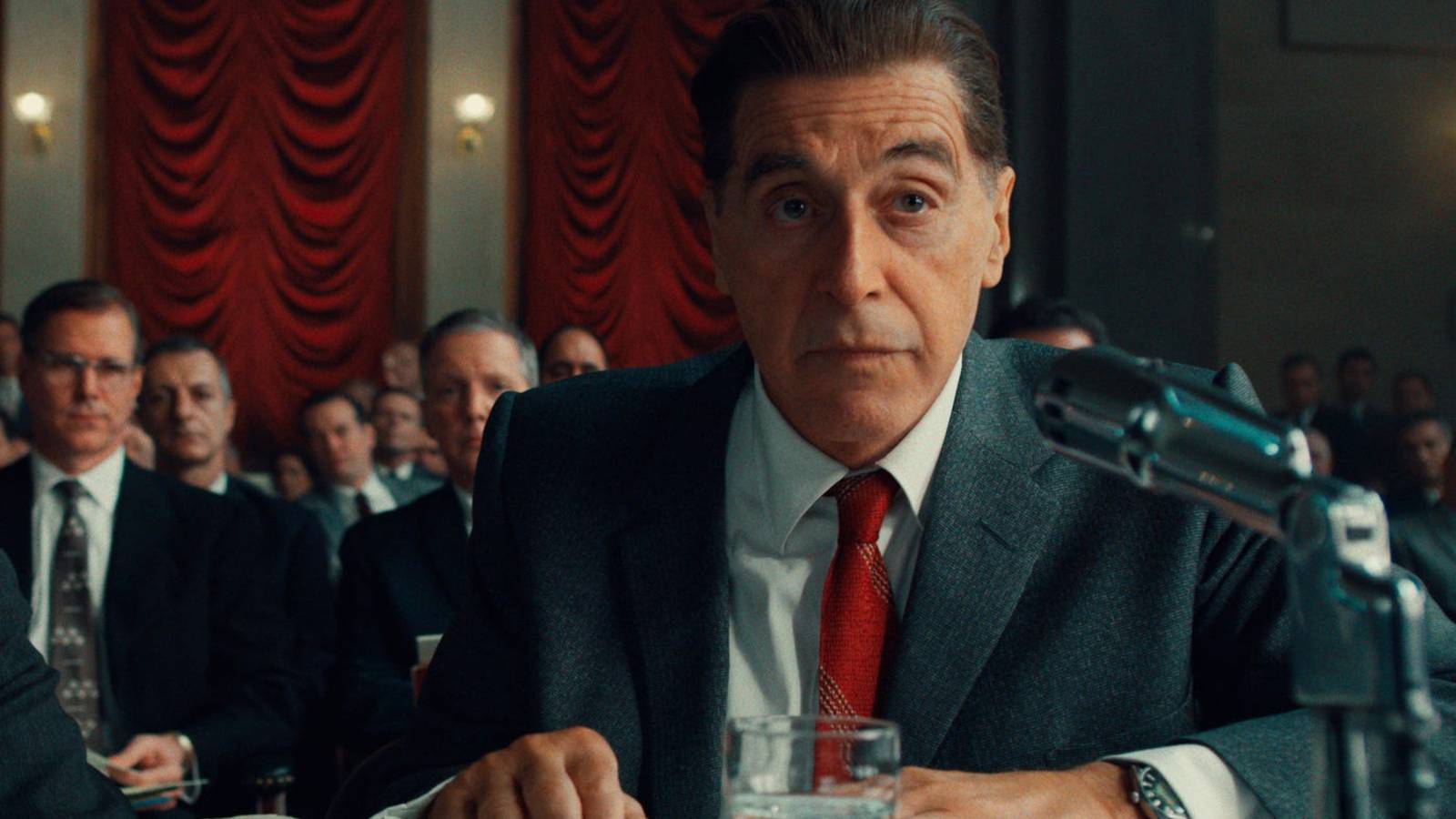
“It is what it is.” Scorsese returns to the mob genre with the wisdom and exhaustion of age, resulting in perhaps the last real crime epic. The Irishman revolves around Frank Sheeran (Robert De Niro), a hitman and Teamster associate, who recounts decades of service to mob boss Russell Bufalino (Joe Pesci) and controversial union leader Jimmy Hoffa (Al Pacino). In a similar vein to Once Upon a Time in America, the plot isn’t driven by gunfights and swagger but by regret, loyalty soured by time, and the quiet horror of realizing you sold your soul and received nothing in return.
The Irishman sports a whopping runtime and somewhat controversial de-aging technology, but what really makes it stand out is the emotional tone. It’s mournful, introspective, and devastating, pretty much feeling like the cinematic equivalent of the end of an era. If Goodfellas is about the thrill of joining the club, The Irishman is about the silence after everyone leaves, and you wonder why you ever cared.
1
‘Goodfellas’ (1990)
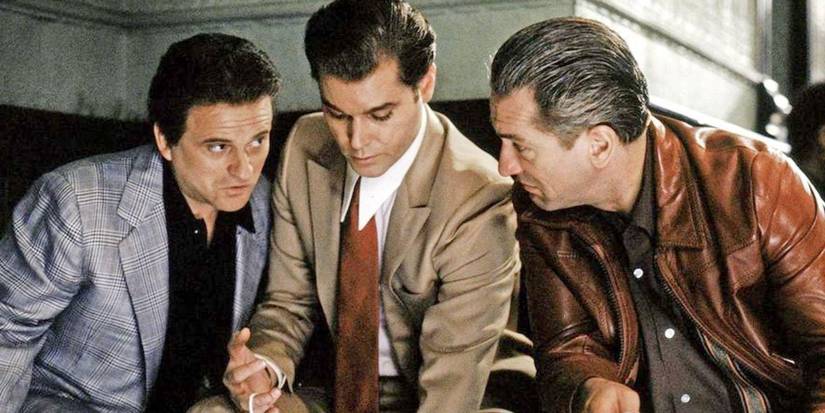
“As far back as I can remember, I always wanted to be a gangster.” Goodfellas is the greatest gangster movie since The Godfather. Scorsese charts the rise and fall of Henry Hill (Ray Liotta), who narrates his journey from wide-eyed neighborhood kid to trusted mob associate intoxicated by power, money, and belonging. His story is a wild mix of dark humor, sudden violence, and cocaine-fueled paranoia. Liotta is great in the part, flanked by Joe Pesci’s volcanic Tommy DeVito and De Niro’s calculating Jimmy Conway.
Goodfellas is energetic and kinetic, both in terms of the aesthetic (dynamic camera moves, elaborate tracking shots, rock needle drops) and the narrative. The plot speeds like a getaway car until it crashes into reality, adrenaline giving way to sheer panic. In the end, Goodfellas is swaggering, electric, and brutally honest, the pinnacle of Marty’s mob movie achievements. No one has topped it yet, and it’s unclear if anyone ever will.
Source link
-

-

-

-

-


