
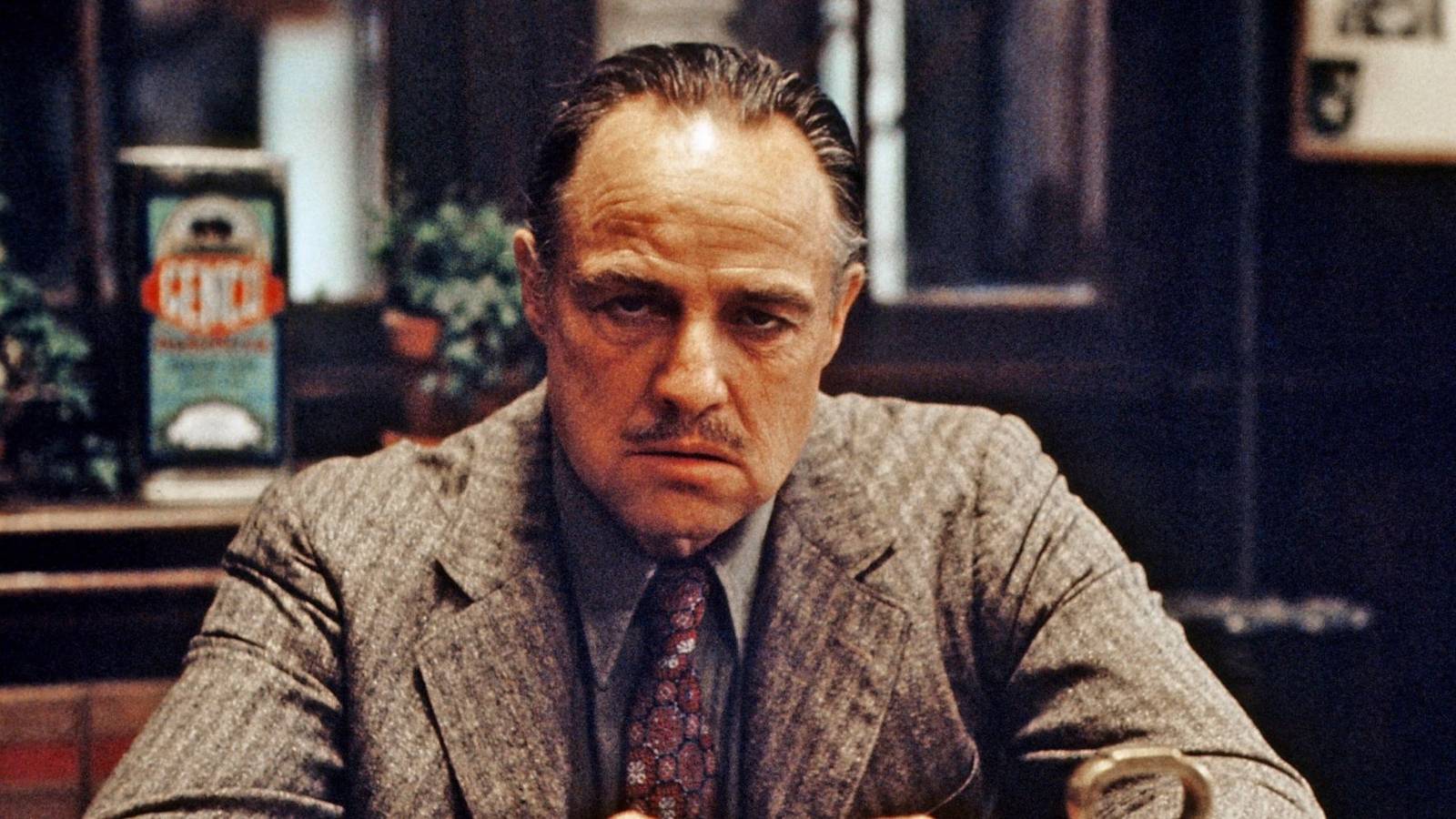
1972 was a high point for the industry in which popular entertainment was also incredibly sound artistically. Although now films that are made for the sake of entertainment are differentiated from those that exist to win awards, 1972 was a time in which they were one in the same. While the fact that the year featured the release of a film considered by many to be the greatest ever made tends to overshadow everything else, there’s a surprisingly deep bench when looking at the year’s underseen gems.
What’s remarkable is how modern many of the best films of 1972 feel, as they connected with larger sociopolitical issues in a way that still speaks to the current moment, showing that truly great cinema can span the test of time. Here are ten of the best films of 1972 that are now considered to be classics.
10
‘The Candidate’ (1972)
The Candidate is one of the most prescient political dramas of the ‘70s that feels even more relevant today than it did upon its release. The Candidate starred Robert Redford in one of his best roles ever as an underdog Democratic candidate who isn’t expected to win his race until he begins speaking his mind, which attracts a following of otherwise indifferent voters.
The Candidate examined the frustrations felt by a population that felt that politics had been dominated by insiders, which may explain why a populist, charismatic figure would be able to so quickly have a degree of influence. Remarkably, The Candidate is a cautionary tale that by no means demeans its protagonist, as Redford does a great job at playing an idealistic character who enters politics with the best of intentions, only to realize that it may be impossible for him to earn office without sacrificing some of his beliefs.
9
‘Jeremiah Johnson’ (1972)

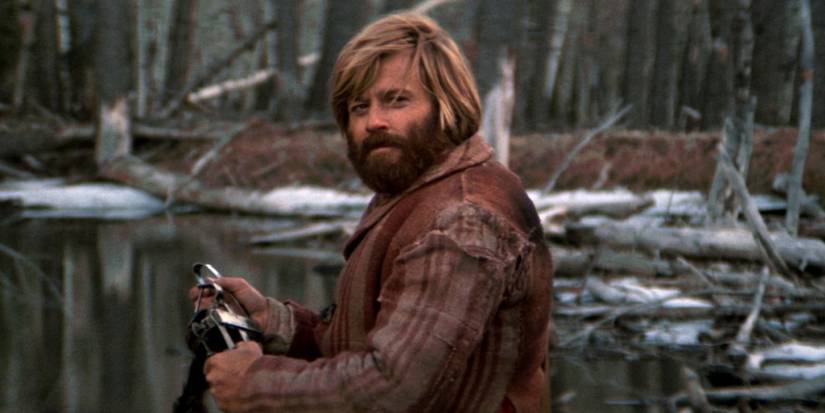
Jeremiah Johnson is another classic Redford drama, and one of the many great films that he made in his terrific collaboration with the director Sydney Pollack. A revisionist western that doubles as a revenge thriller, Jeremiah Johnson stars Redford as a woodsman who has survived alone in the wilderness without any contact with the rest of society.
Jeremiah Johnson worked because of its practicality and Pollack’s ability to shoot on location, making the film’s period details work brilliantly. It also marked a real evolution for Redford as an actor because of what a demanding physical performance it was; while Redford had done a number of romantic comedies and adventure films in which he was able to rely on his inherent charisma, Jeremiah Johnson turned him into a true action star, which is something he’d embrace within his future collaborations with Pollack.
8
‘Fat City’ (1972)


Fat City is one of the last great films by John Huston, the legendary filmmaker who had been making classics since the Golden Age of Hollywood. Even if the ‘70s primarily saw a rise in younger filmmakers who were pulling from a more diverse set of influences, Fat City both felt like an old-fashioned character drama and the type of anti-established, grim work of slice-of-life storytelling that had been popularized in the most recent decade. In the pre-Rocky days, boxing films tended to be a lot less optimistic.
Fat City is an untraditional and quite bleak sports drama that featured a tremendous performance by Jeff Bridges in one of his most impressive physical performances. Bridges would end up doing some of his best work by working with a younger class of directors, but Fat City proved that he was talented enough to work with someone as traditionalist as Huston.
7
‘Last Tango in Paris’ (1972)

Last Tango in Paris was one of the most controversial films of the ‘70s because of how groundbreaking it was as an erotic drama. Intimacy was not something that had been depicted onscreen in oblique ways because of the heavy censorship during the majority of Hollywood’s history, and early films that featured explicit content had to prove themselves as being artistically sound, and not just exploitative.
Last Tango in Paris is a hard film to watch more than once because of how emotionally draining it is, which was something that had a profound effect on Marlon Brando in one of his greatest performances ever. Brando had developed a reputation of being able to push the edges of realism within his performances ever since his collaborations with Elia Kazan in the 1950s, but Last Tango in Paris attained a level of severity that he never topped in the remaining decades of his career.
6
‘Buck and the Preacher’ (1972)

Buck and the Preacher is an underrated western directed and starring Sidney Poitier, who had become the most famous Black actor in history at the time. While the western genre has notoriously had a checkered history when it comes to race, Buck and the Preacher was unabashedly about Black issues, and featured a diverse cast of amazing performers.
Buck and the Preacher felt in many ways like a predecessor to the buddy cop films of the ‘70s because of the terrific chemistry that Poitier shared with Harry Belafonte, whose colorful performance added a lot of great humor to the adventure. While Potier is rightfully known for being an actor of intense gravitas who could play important roles, Buck and the Preacher revealed that he had a great sense of humor, even if the film did end up addressing more serious issues by the time that it concluded.
5
‘Aguirre, the Wrath of God’ (1972)

Aguirre, the Wrath of God is a film that Roger Ebert claimed was one of the ten greatest ever made, and is certainly an essential watch for any fan of war cinema. While it was by no means the first film to explore the plight of conquistadors when they began traveling throughout the American regions, Werner Herzog took an odd approach in which the film was shot with a remarkable degree of detail, which was completely unique when compared to many of the other historical dramas released within the same era.
Aguirre, the Wrath of God is also important as a key collaboration between Herzog and Klaus Kinski, who would go on to star in many of his best films. While Kinski and Herzog had a notoriously troubled relationship that even became the subject of one of the filmmaker’s documentaries, the friction between them ended up contributing to the atmosphere of suspense that made Aguirre, the Wrath of God so effective.
4
‘The Heartbreak Kid’ (1972)

The Heartbreak Kid is one of the darkest and most searing romantic comedies ever made because of the caustic wit that writer/director Elaine May had. In selecting a comedic genius like Charles Grodin to play a self-absorbed, narcissistic character who treated the women in his life atrociously, May was able to make a hilariously cringe-inducing film in which the main character is constantly being lampooned.
The Heartbreak Kid became the rare romantic comedy to break through with serious Academy Award nominations, but May’s talent for rewriting the cliches of the genre proved impossible to ignore. While Peter and Bobby Farrelly directed a remake of the film in 2007 that is much better than its reputation may suggest, it made the fatal mistake of sympathizing with the main character, who in the new The Heartbreak Kid was played by Ben Stiller.
3
‘What’s Up, Doc?’ (1972)

What’s Up, Doc? is one of the quintessential slapstick comedies of the ‘70s and one of the most important films for Peter Bogdanovich, a filmmaker who rewrote industry standards by his enthusiastic, literary approach to writing and directing. Bogdanovich would end up making more serious fare later on in his career, but What’s Up, Doc? is the rare comedy in which every joke hits as well today when the film first debuted.
What’s Up, Doc? is best known for being a breakout role for Barbara Streisand, an undeniable screen presence who was at the height of her abilities. It also featured a notable role from Ryan O’Neal, who was cast against type as a bookish character; while O’Neal developed a rather notorious reputation of being difficult to work with, What’s Up, Doc? featured a performance that couldn’t be more different than his work in Stanley Kubrick’s Barry Lyndon three years later.
2
‘Cabaret’ (1972)

Image via Allied Artists
Cabaret was a groundbreaking achievement in musical filmmaking because it showed that Bob Fosse’s brilliant work on the stage could be translated to the big screen. Fosse’s potential as a director wasn’t fully realized in his directorial debut, Sweet Charity, but Cabaret was an adaptation of the hit Broadway show of the same name that he had already done, and featured a majority of its original stars.
Cabaret did make some changes to the source material that helped it flow better as a narrative feature, but it retained everything that was great about Liza Minnelli’s performance. Although the pure magic of getting to see Minnelli in-person on stage is something that could never fully be recaptured, her performance in Fosse’s film version of Cabaret wasn’t just worthy of the Best Actress trophy that it earned, but perhaps the greatest musical role in cinematic history.
1
‘The Godfather’ (1972)
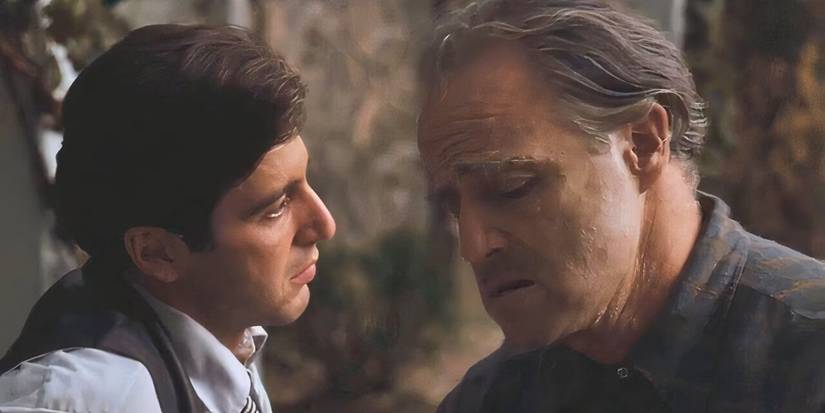
The Godfather is a timeless, quintessential classic that is bound to be referenced by any film professor when talking about the most important moments in cinematic history, and for good reason. Francis Ford Coppola elevated the gangster genre into an epic about the American dream and the prison of family, crafting a multi-generational masterpiece that shed insight on how each of the Corleones had a part to play within the maintenance of a powerful criminal empire.
The Godfather and The Godfather: Part II are combined to be the perfect work of crime storytelling, and watching them together is essential. However, the original classic does have the unparalleled allure of getting to see Brando in his prime as the intimidating patriarch Don Vito Corleone, as well as the unforgettable performance by the late great James Caan as his unpredictable heir, Sonny.
Source link
-

-
-

-

-


