
Some films are remembered less for what appears on the screen and more for everything that happened around them. In some cases, production disasters or unsafe sets overshadow the story entirely. In other cases, the actions or behavior of the people behind the camera have made it impossible to separate the work from its creator.
This list highlights films whose reputations are defined by off-screen factors and events that shaped public perception and caused lasting harm. The stories on screen may remain intact, but history has made it impossible to experience them without the context of everything that happened behind the scenes.
10
‘Ishtar’ (1987)
Ishtar has not aged poorly because of what happens on screen, but because of everything that surrounded it before audiences even sat down in a theater. The film follows two struggling songwriters, Chuck Clarke (Warren Beatty) and Lyle Rogers (Dustin Hoffman), whose trip to Morocco pulls them into an accidental espionage plot. The story itself is light and intentionally awkward, built around bad songs, miscommunication, and the slow realization that these men are far out of their depth.
What damaged the film’s reputation was the production narrative that took over public conversation. Reports of budget overruns, delays, and studio panic became the story, and the film was positioned as a symbol of excess long before release. As a result, audiences approached it expecting disaster rather than comedy. Over time, the jokes and performances have become easier to appreciate, but the off-screen reputation still dominates how the film is discussed. The failure was framed as financial and cultural, not creative, and that framing has proven harder to shake than any flaw within the movie itself.
9
‘Heaven’s Gate’ (1980)

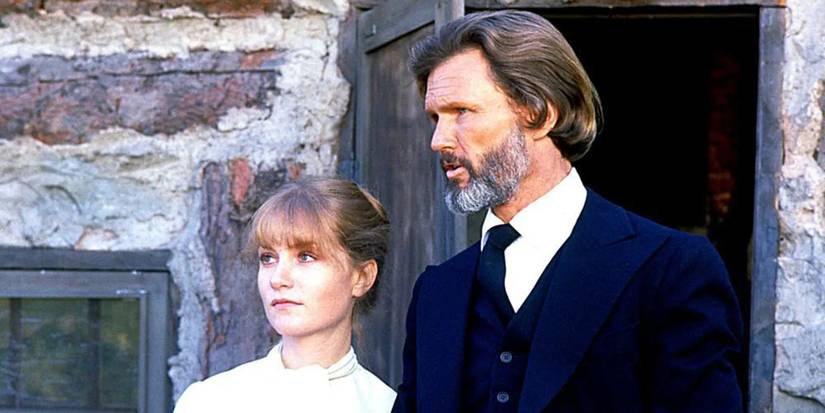
Heaven’s Gate is remembered less for its story than for the damage its production caused to an entire studio. The film follows a Harvard-educated marshal, played by Kris Kristofferson, who becomes involved in a violent land conflict in Wyoming, while Christopher Walken and Isabelle Huppert play figures caught on opposite sides of the struggle. On screen, the movie moves slowly and takes its time with atmosphere, character movement, and long stretches of silence, which was already a difficult sell for mainstream audiences.
What caused the film to age poorly was everything happening around it. Director Michael Cimino was given extraordinary control after the success of The Deer Hunter, and the production spiraled into constant delays, reshoots, and ballooning costs. When the film premiered, early reviews were brutal, and United Artists pulled it from theaters almost immediately. The studio never recovered financially. Even today, discussion of the film is dominated by its role in ending an era of director-driven Hollywood, making it hard to separate the movie itself from the collapse it came to represent.
8
‘Roar’ (1981)

Roar has aged poorly because its production placed real people in real danger, and that history is impossible to ignore while watching the film today. The story itself is simple. A naturalist lives among wild animals in Africa, and his family arrives to visit him. The film was designed to celebrate harmony between humans and nature, but that idea collapses once you know how it was made.
The production involved over one hundred untrained wild animals, including lions and tigers, living on set with the cast. Tippi Hedren, Melanie Griffith, and several crew members suffered serious injuries during filming, and some incidents were severe enough to require surgery. These were not isolated accidents. They happened repeatedly over several years of filming. As a result, the movie now feels less like a family adventure and more like a record of unchecked risk. Its reputation is defined by behind-the-scenes recklessness, which overshadows whatever message the film originally wanted to deliver.
7
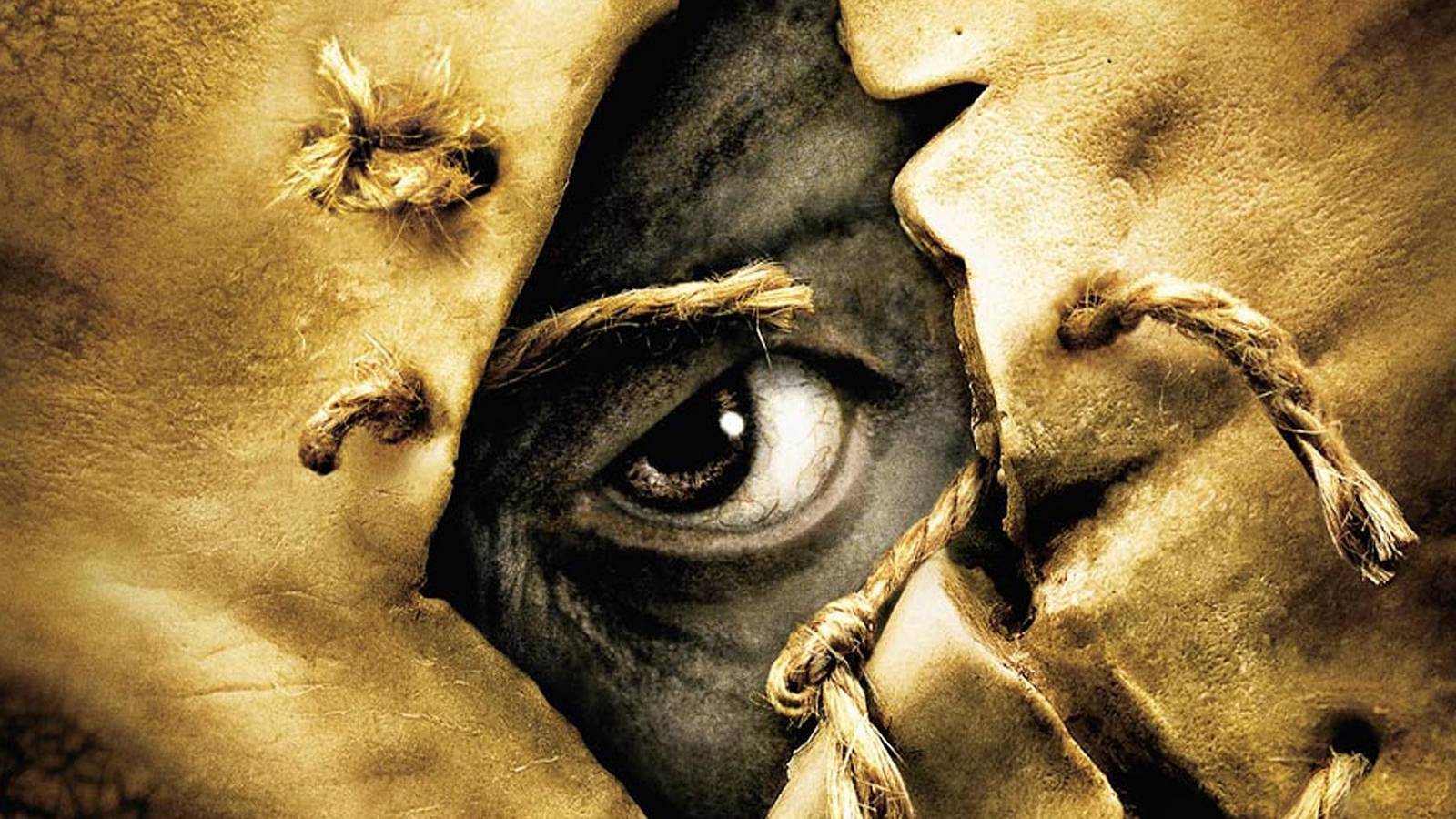
‘Jeepers Creepers’ (2001)

Jeepers Creepers has aged poorly because its director’s criminal history has become inseparable from the film itself. On the surface, the movie is a straightforward horror story about two siblings being stalked by a supernatural creature during a road trip. At the time of release, the focus was on its suspense and creature design. Over the years, however, that focus has shifted completely.
Director Victor Salva was previously convicted of serious sexual crimes, and his continued presence in the industry has changed how audiences view his work. Scenes involving young characters now feel deeply uncomfortable in ways that were not originally intended by the script. For many viewers, it is no longer possible to engage with the film without thinking about who made it and how that history was ignored. As a result, the movie’s legacy is defined less by its scares and more by the ethical questions surrounding its existence and continued promotion.
6
‘Manhattan’ (1979)

Manhattan has aged poorly because of how its romantic storyline reflects the personal controversies of its director. The film follows a middle-aged writer navigating relationships in New York, including a romantic involvement with a seventeen-year-old girl. When the film was released, this relationship was framed as intellectual and tender rather than troubling.
Over time, public knowledge about Woody Allen’s personal life has reshaped how the film is viewed. The age gap at the center of the story now feels impossible to separate from real-world allegations and relationships associated with the filmmaker. What was once presented as introspective or romantic now reads as unsettling. The film’s dialogue and tone no longer soften that discomfort. Instead, they amplify it. As a result, the movie is often discussed not for its visual style or writing, but for how its off-screen context has changed the meaning of what appears on screen.
5
‘Last Tango in Paris’ (1972)

When people talk about Last Tango in Paris today, the conversation rarely begins with its performances or its reputation as a provocative drama. It begins with what actress Maria Schneider later revealed about how one of the film’s most infamous scenes was created. The story follows an intense, anonymous relationship between two strangers in Paris, played by Marlon Brando and Schneider, and it was marketed as daring and emotionally raw.
Years later, Schneider explained that she was not informed about the full nature of a key scene until moments before filming. Her distress in that moment was real. That knowledge fundamentally changes how the film is viewed. What was once defended as artistic risk now raises questions about consent and power on set. Because of this, the movie has aged poorly for reasons that have nothing to do with style or acting. Its legacy is shaped by the harm experienced during production, which overshadows any discussion of its artistic intent.
4
‘The Conqueror’ (1956)

The Conqueror is often remembered for a casting choice that never made sense, but its off-screen legacy is far more disturbing. The film stars John Wayne as Genghis Khan, a decision that was criticized even at the time for its cultural insensitivity and heavy makeup. However, the film’s reputation worsened long after its release, once the details of its production location became widely known.
Large portions of the movie were filmed near a nuclear testing site in Utah, shortly after atomic tests had been conducted in the area. Many cast and crew members were later diagnosed with cancer, including Wayne himself. While a direct scientific link remains debated, the number of illnesses associated with the production has permanently stained the film’s history. Today, The Conqueror is remembered less as a misguided epic and more as a cautionary example of how disregard for safety can have lasting human costs.
3
‘Gigli’ (2003)

Before most people mention a single scene from Gigli, they usually remember what it represented in early-2000s Hollywood. The film paired Ben Affleck and Jennifer Lopez at the height of tabloid obsession, and that attention completely swallowed the movie itself. On paper, the story follows a small-time criminal caught between a kidnapping job and an unexpected romantic connection. In practice, the film became a public event long before release.
Studio marketing leaned heavily on the off-screen relationship between its leads, turning the film into a symbol of celebrity excess rather than a piece of storytelling. When the movie failed critically and commercially, it became shorthand for everything audiences were growing tired of at the time. The performances were judged through the lens of overexposure, and the script never stood a chance to be evaluated on its own. As years passed, Gigli remained frozen as a punchline, its reputation shaped far more by cultural backlash than by its actual content. Though to be fair, it’s a bad film, too.
2
‘Twilight Zone: The Movie’ (1983)

The reputation of Twilight Zone: The Movie changed permanently during production, long before audiences reacted to what appeared on screen. The anthology film was intended as a tribute to the original television series, with multiple directors handling different segments. That structure collapsed after a helicopter accident killed actor Vic Morrow and two child performers during filming.
The incident led to criminal charges, industry-wide safety reforms, and intense public scrutiny. Once the film was released, it was impossible to separate the viewing experience from the tragedy that occurred. Scenes involving authority, danger, and control took on a disturbing weight they were never meant to carry. Today, the movie is rarely discussed as a creative project. It is remembered as a turning point in film safety standards, and its legacy is defined by loss rather than storytelling.
1
‘The Birth of a Nation’ (1915)
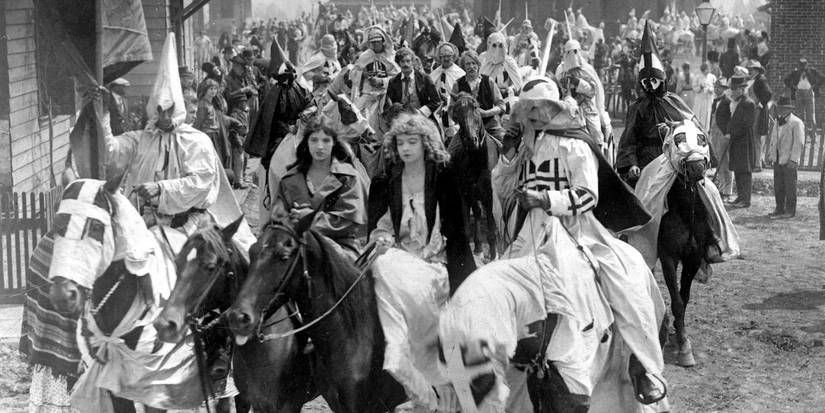
The Birth of a Nation has aged poorly because its influence and its harm cannot be separated. The film tells a Civil War–era story that presents the Ku Klux Klan as heroic and depicts Black characters through racist caricatures, many of them played by white actors in blackface. At the time of its release, the film was praised for its technical innovations, including large-scale battle scenes and cross-cutting techniques that later became standard in filmmaking.
It was actively used to justify racist ideology and contributed to the resurgence of the Klan in the early twentieth century. Screenings were treated as cultural events, and political leaders publicly endorsed it. Because of that legacy, the film is now studied as an example of how cinema can be used as propaganda. Its technical importance is acknowledged, but it exists alongside a history of real-world damage that overshadows any discussion of craft.


The Birth of a Nation
- Release Date
-
March 21, 1915
- Runtime
-
193 Minutes
-

Henry B. Walthall
Col. Ben Cameron
-
Lillian Gish
Stoneman’s Daughter Elsie
-
Miriam Cooper
Margaret Cameron
-



Source link
-

-

-

-

-


