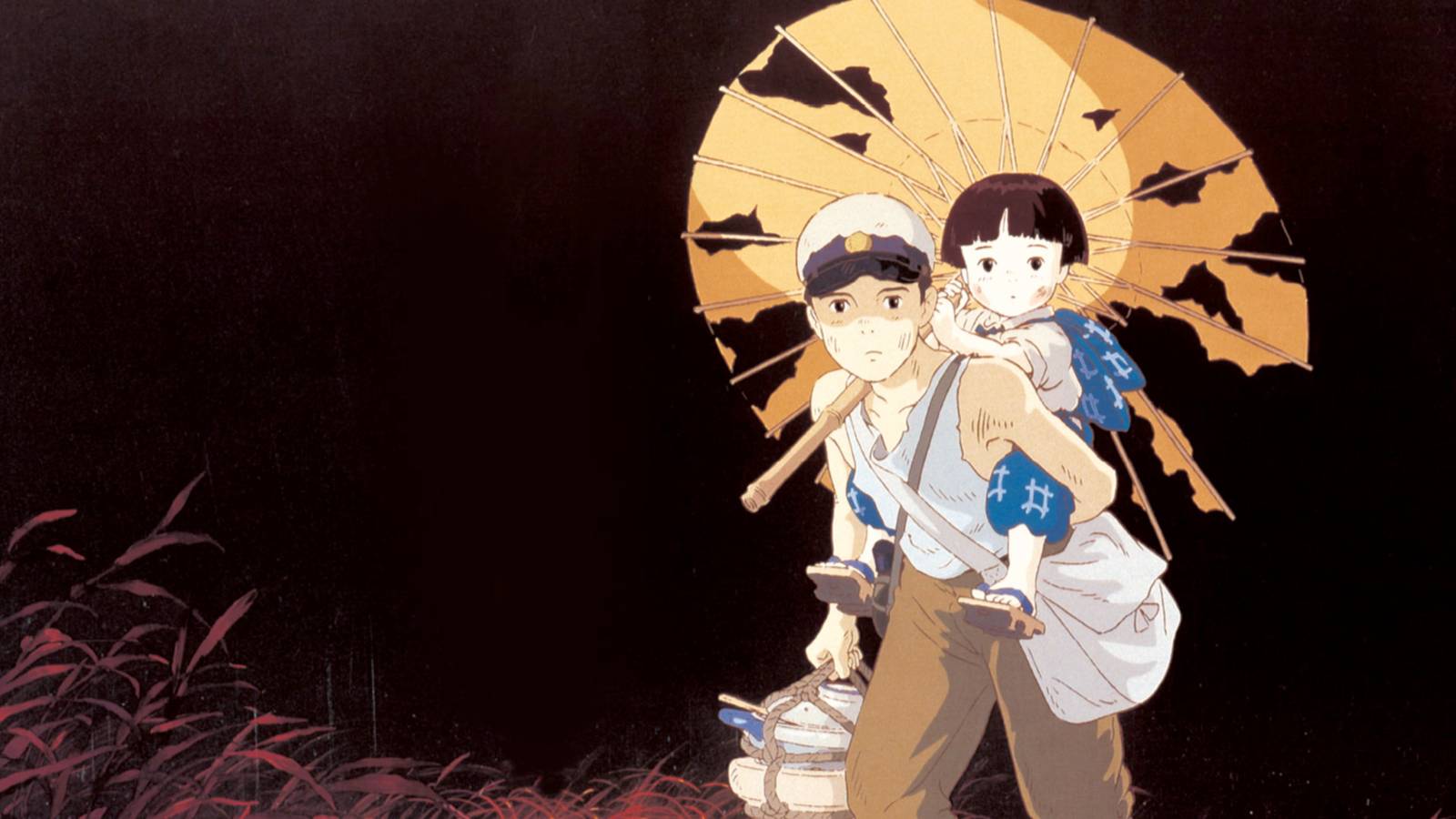
When people talk about animated masterpieces, the conversation almost always circles back to Disney, Pixar, or the latest blockbuster phenomenon. Yet animation history is filled with daring, visually stunning films that rival, and sometimes surpass, the House of Mouse’s biggest hits. These movies took creative risks, explored mature themes, and pushed technical boundaries, only to fade from mainstream conversation.
What makes these films 10/10 isn’t just nostalgia. It’s their ambition, artistry, emotional depth, and willingness to treat animation as more than just family entertainment. From sci-fi epics to biblical dramas and surreal European experiments, these non-Disney animated gems deserve to be rediscovered and celebrated.
Titan A.E. (2000)
Titan A.E. is one of the boldest animated sci-fi films ever made. Sadly, its initial box office failure unfairly overshadowed its brilliance. Produced by 20th Century Fox and directed by Don Bluth, the film blends traditional animation with early CGI to create a gritty, post-apocalyptic space opera.
Set in a future where Earth has been destroyed by alien energy beings, the story follows Cale, a young drifter who may hold the key to humanity’s survival. What makes the film remarkable is its tone. It treats its audience with respect, delivering genuine stakes, sweeping action, and surprisingly mature emotional arcs.


10 Greatest Superhero Movie Masterpieces Of The Last 100 Years, Ranked
Beyond capes and masks, these landmark superhero films transformed pop culture, raised the genre’s bar, and changed blockbuster storytelling forever.
The world-building is dense, the space battles are kinetic, and the soundtrack screams late-’90s edge. Today, its ambitious storytelling feels prophetic. Had Titan A.E. been released in the era of franchise sci-fi dominance, it might have become a cult-defining saga instead of a forgotten gem.
The Prince Of Egypt (1998)

.JPG?q=49&fit=crop&w=825&dpr=2)
The Prince of Egypt remains one of the most visually breathtaking and emotionally powerful animated films ever produced outside Disney’s orbit. Released by DreamWorks Animation during its early years, the film retells the biblical story of Moses with astonishing sincerity and gravitas. The animation is epic in scale.
From the sweeping Egyptian landscapes to the unforgettable parting of the Red Sea sequence, it still looks incredible decades later. More importantly, The Price of Egypt treats its subject matter with maturity. The conflict between Moses and Rameses isn’t simplified into good versus evil.
It’s framed as a tragic clash of brothers bound by love and destiny. The voice cast elevates every scene, and the music (especially “When You Believe”) delivers Broadway-level emotional resonance. It’s a spiritual epic that proves animation can handle deeply serious material without losing spectacle.
The Secret Of NIMH (1982)

Few animated films are as haunting and artistically uncompromising as The Secret of NIMH. Directed by Don Bluth after his departure from Disney, the film feels like a rebellion against sanitized family storytelling. Adapted from the novel Mrs. Frisby and the Rats of NIMH, the movie follows a widowed field mouse trying to save her children from a farmer’s plow.
What unfolds is a surprisingly dark tale involving genetic experiments, secret societies of hyper-intelligent rats, and mystical undertones that feel almost operatic. The hand-drawn animation is gorgeously detailed. It’s filled with dramatic lighting and painterly backgrounds that create a palpable sense of danger.
Unlike many animated features of its era, it refuses to soften its tension. The stakes feel real, the villains are frightening, and the emotional beats land with startling intensity. The Secret Of NIMH is a masterclass in atmospheric storytelling.
The Triplets Of Belleville (2003)


The Triplets of Belleville is a surreal, near-silent animated masterpiece that defies almost every mainstream storytelling convention. Directed by Sylvain Chomet, it relies less on dialogue and more on visual exaggeration, sound design, and mood to tell its bizarre yet deeply heartfelt story. The plot follows an elderly woman and her loyal dog as they search for her kidnapped grandson.
That premise alone sounds strange, but the execution is unforgettable. The film’s grotesquely stylized character designs, muted color palette, and jazz-infused soundtrack create a dreamlike atmosphere that feels entirely unique. What truly makes The Triplets of Belleville a 10/10 is its confidence.
It never panders or explains itself. Instead, it trusts viewers to interpret its humor, melancholy, and social satire. It’s a reminder that animation can be avant-garde art, not just conventional narrative entertainment.
The Road To El Dorado (2000)

The Road to El Dorado arrived during a transitional period for DreamWorks Animation. While it didn’t dominate the box office, it has quietly earned a devoted following. This swashbuckling adventure follows con artists Tulio and Miguel as they stumble upon the legendary city of gold and are mistaken for gods.
10 Greatest Romance Movie Masterpieces Of The Last 100 Years, Ranked
From timeless classics to modern heartbreakers, these romance masterpieces defined love on screen and changed the cinematic genre forever.
What makes the film a 10/10 isn’t just its sharp humor or vibrant animation, but its chemistry-driven storytelling. The central friendship feels effortless, filled with rapid-fire banter that rivals the best live-action buddy comedies. Visually, the film bursts with warm color schemes and fluid character animation, particularly in its musical sequences.
The Road to Eldorado is also refreshingly irreverent. It blends satire with genuine adventure movie stakes. Overshadowed by bigger animated hits of its era, The Road to El Dorado remains one of the most purely entertaining animated comedies of the 2000s.
Song Of The Sea (2014)

Song of the Sea is a breathtaking Irish folktale brought to life by Cartoon Saloon. Directed by Tomm Moore, the film tells the story of a young boy and his sister, who is revealed to be a selkie – a mythical being who can transform between seal and human form. From its first frame, the movie establishes a distinct visual identity.
Inspired by Celtic art and storybook illustration, every scene feels handcrafted, layered with swirling patterns and luminous colors. But beyond its aesthetic beauty, the emotional core is devastatingly sincere. Song of the Sea explores grief, sibling tension, and healing with quiet maturity.
The stunning score enhances its ethereal tone, blending traditional Irish sounds with sweeping orchestration. Song of the Sea proves that animation can preserve cultural mythology while delivering universal emotional resonance. It’s delicate, heartfelt, and criminally under-discussed.
9 (2009)

9 stands out as one of the darkest mainstream animated features ever released. Produced by Tim Burton and directed by Shane Acker, the film imagines a post-human world where ragdoll-like creations must survive against terrifying mechanical beasts. The premise alone is striking: humanity is gone, wiped out by its own technological arrogance.
The remaining “stitchpunk” beings represent fragments of a scientist’s soul, each embodying different aspects of intellect and emotion. The film’s steampunk aesthetic, desaturated palette, and haunting score create an oppressive atmosphere rarely seen in animation. While its narrative is lean and sometimes cryptic, its ambition is undeniable.
9 refuses to dilute its apocalyptic themes for younger audiences. It’s bleak, imaginative, and visually daring. It’s a reminder that animated films can explore existential horror without losing artistic elegance.
Grave Of The Fireflies (1988)
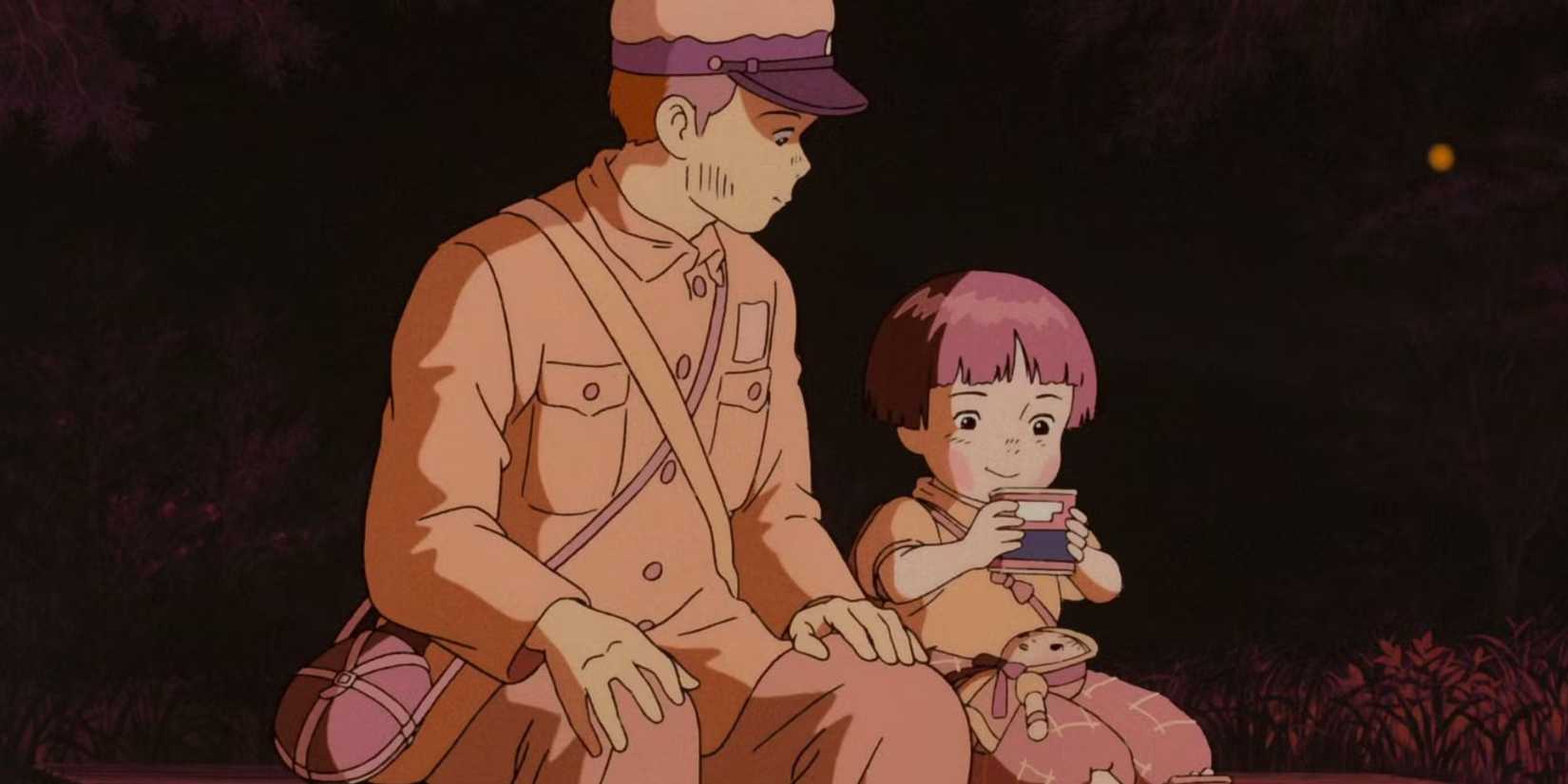
Few animated films have the emotional weight of Grave of the Fireflies. It was directed by Isao Takahata and was the second movie produced by Studio Ghibli. Set during the final months of World War II, the film follows two siblings struggling to survive in war-torn Japan after losing their home and family.
Calling it heartbreaking barely scratches the surface. The film’s power lies in its restraint. There are no exaggerated villains or dramatic battle sequences – only the quiet devastation of hunger, pride, and societal collapse.
The animation is gentle and naturalistic, which makes the tragedy feel even more real. Unlike many war films, it focuses not on soldiers, but on children caught in the crossfire of adult decisions. Grave of the Fireflies isn’t just a masterpiece of animation; it’s one of cinema’s most devastating anti-war statements.
Tokyo Godfathers (2003)

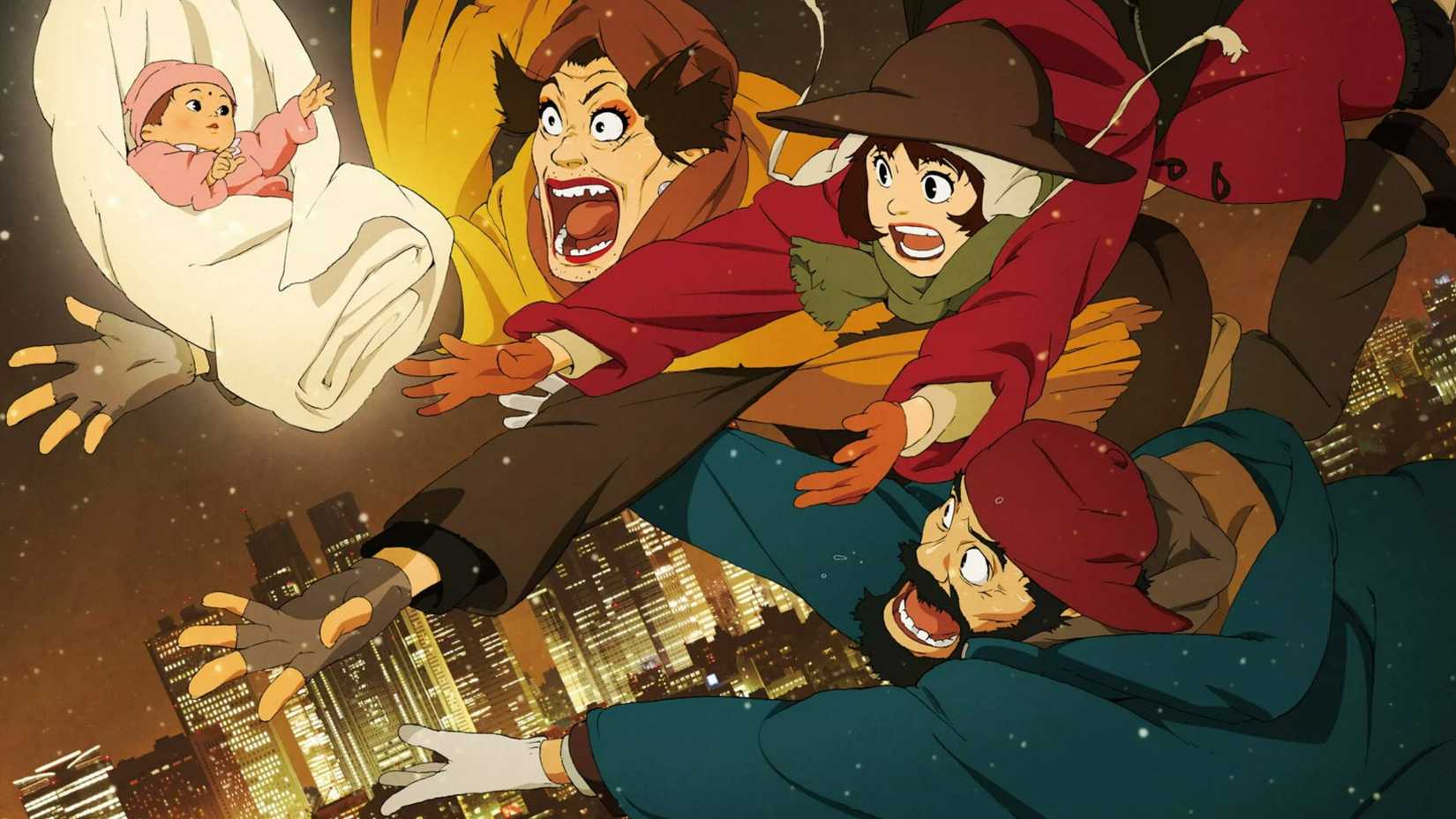
Tokyo Godfathers, directed by Satoshi Kon, is a holiday film unlike any other. Produced by Madhouse, it follows three homeless individuals who discover an abandoned baby on Christmas Eve and set out to find her parents. What makes it so extraordinary is its grounded humanity.
Unlike Kon’s more surreal works, Tokyo Godfathers leans into realism while still embracing coincidence and thematic symbolism. Each character carries emotional baggage: addiction, estrangement, regret. Their subsequent journey forces them to confront their pasts.
The film balances humor and heartbreak with remarkable ease. Its depiction of marginalized people is compassionate without being sentimental, and its urban setting feels lived-in and authentic. In a medium often associated with fantasy, Tokyo Godfathers proves that small, intimate stories can be just as powerful.
When The Wind Blows (1986)

When the Wind Blows is one of the most unsettling animated films ever made. Based on the graphic novel by Raymond Briggs, the story follows an elderly British couple attempting to survive a nuclear attack using outdated government pamphlets. At first glance, the film’s soft, almost cozy animation style feels comforting.
That contrast is deliberate. As the couple naïvely trusts official instructions and clings to wartime optimism, the grim reality of radiation sickness slowly unfolds. The horror isn’t explosive – it’s gradual, quiet, and painfully inevitable.
The film critiques blind faith in authority and Cold War propaganda without ever becoming preachy. Its emotional devastation builds through understatement rather than spectacle. When the Wind Blows is a sobering reminder that animation can confront political terror and existential dread with devastating effectiveness.
-

Titan A.E.
- Release Date
-
June 16, 2000
- Runtime
-
94 Minutes
- Director
-
Don Bluth, Gary Goldman
-

9
- Release Date
-
September 9, 2009
- Runtime
-
79 minutes
-

Tokyo Godfathers
- Release Date
-
December 5, 2003
- Runtime
-
92 minutes
- Director
-
Satoshi Kon
- Writers
-
Keiko Nobumoto, Satoshi Kon
-

When the Wind Blows
- Release Date
-
October 24, 1986
- Runtime
-
81 minutes
- Director
-
Jimmy T. Murakami
- Writers
-
Raymond Briggs
-

John Mills
Jim Bloggs (voice)
-
Peggy Ashcroft
Hilda Bloggs (voice)
-
Robin Houston
Radio Announcer (voice)
-







Source link
-
-
-
-

-