
Science fiction is one of the defining genres of cinema and has stood as such as far back as the silent era. While its otherworldly wonder, rich visual display, technical innovations, and penchant for thematically-loaded and socially aware storytelling have all contributed to this longevity, so too has its broadness. Indeed, everything from action blockbuster classics to grueling and cerebral horrors makes up the genre’s greatest triumphs over the decades.
Within this narrative variety, sci-fi has become renowned for producing not only mesmerizing spectacles that enrapture the masses but also for presenting cult gems that cater to niche interests. Ranging from enduring hits from the genre’s 1950s B-movie boom to underappreciated ’80s blockbusters rich with bombast, and even to modern dramas that have struggled to get the widespread acclaim they deserve, these cult classics are just as perfect today as they were when they first released.
‘Forbidden Planet’ (1956)
When it comes to cult classic movies of the 1950s, there is hardly a title from any genre as iconic as the essential sci-fi masterpiece Forbidden Planet. Loosely based on William Shakespeare’s The Tempest, it unfolds as a starship crew travels to a distant planet to investigate why the colony based there has gone silent. When they arrive, they discover a father-daughter duo as the only survivors, and unearth a horrific secret pertaining to alien technology that could annihilate mankind.
While much of its display and storytelling is somewhat outdated today, Forbidden Planet commands admiration for its innovation. It was the first sci-fi movie ever to be set entirely on a different planet—a feat that remains an outstanding triumph of elaborate set design and production awe—and features the first all-electronic score in cinematic history (composed by Bebe and Louis Barron). Forbidden Planet is timeless because of its impact on science-fiction cinema, heralded by many today as the ultimate cult movie in cinematic history.
‘Re-Animator’ (1985)


The marriage of science fiction and horror has produced some of the most famous and beloved movies of both genres, from classics like Alien and The Thing to more modern hits like Annihilation and Get Out. The peculiar genre-blend has also offered fans some of the most memorable cult classics as well, with 1985’s notoriously gory and bitingly comedic spin on H. P. Lovecraft’s short story “Herbert West-Reanimator” being chief among them.
Transpiring around a college student who creates a drug that can bring the dead back to life, Re-Animator is defined by its shocking practical effects and its borderline-absurd abundance of fake blood, qualities that have given the movie a lasting sense of horror purity. Often exciting and disgusting in equal measure, Re-Animator has become an emblematic icon of sci-fi/horror crossovers and the excess of the 1980s, making it a cherished cult gem for genre enthusiasts the world over.
‘They Live’ (1988)

Another magnificent marvel of ’80s sci-fi that flaunts a low-budget charm as it mixes in ideas of horror, action, comedy, and piercing social criticism, They Live epitomizes John Carpenter at his thought-provoking and theatrical best. Wrestler Roddy Piper stars as John Nada, an aimless drifter who arrives in L.A. and discovers a pair of sunglasses that show him the true nature of the world. Upon learning that humanity is being ruled by skull-faced alien elites through subliminal messaging and capitalism, Nada sets out with his shotgun to bring freedom to the people.
Perhaps even more relevant today than it was in 1988, They Live boasts an aggressive commentary on issues of consumerism, media manipulation, and societal control that stands as an assault on modern American culture. It just so happens to be one of the most infectiously entertaining movies ever made as well, combining its thematic wrath with action bombast and moments of inspired absurdity to conjure what is a frenetic and relentlessly gleeful sci-fi spectacle.
‘Dredd’ (2012)


While it ended its theatrical run as a major box office flop, Dredd garnered popularity through word-of-mouth praise almost immediately. Set in a dystopian future where all of humanity lives in one crime-riddled megacity, it follows a cop with executive powers to work as judge and executioner as he and a rookie find themselves fighting through a grimy high-rise complex to get to a ruthless drug lord.
Lean, mean, and absolutely relentless in its appetite for carnage and chaos, Dredd stands tall among titles like Terminator 2: Judgment Day and Aliens as glowing examples of how effective the combination of propulsive action and sci-fi spectacle can be. Also serving as a faithful adaptation of the Judge Dredd comic book series created by Josh Wagner and Carlos Ezquerra, Dredd thrives on all fronts as a wonderfully stylized foray into action excess that has become one of the more adored cult hits of modern cinema.
‘Silent Running’ (1972)
Silent Running is a largely forgotten sci-fi gem from 1972 that soars with its ability to merge groundbreaking practical effects and emotionally-charged storytelling with an interest in environmentalism and humanity’s damaging effect on the planet. Set in a future where flora on Earth has gone extinct and what’s left is preserved on space stations in orbit, it follows ecologist Freeman Lowell (Bruce Dern) as he fights against corporate orders to destroy his greenhouse to make room for more cargo.
Complemented by a stunning visual display that holds up to this day andremarkably prescient in its thematic ideas, Silent Running is an underappreciated masterpiece of science-fiction cinema. It not only offers considered meditations on humanity’s relationship with nature but also features an arresting tale of loneliness and connection. It inspired everything from the story of WALL-E to the design of characters like R2-D2 in Star Wars, and it remains a powerful, pathos-filled gem of the genre that is perfect for modern viewers.
‘Idiocracy’ (2006)

A crude and juvenile comedy laced with a sci-fi premise, Idiocracy was initially dismissed when it premiered in 2006. However, in more recent years, its story of humanity’s diminishing intelligence and intensifying cultural extremes has become increasingly resonant, giving way to a bleak resurgence. It follows two ordinary Americans who are sent 500 years into the future, where they discover that, as society has devolved over the centuries, they are now the two most intelligent people on the planet.
The social satire that once seemed ridiculous and forced is now eerily relevant, especially as its themes of anti-intellectualism, commercialism, and the process of social change have an impact on everything from everyday life to national values and political leaders. It is far funnier now than it was in 2006, but also more concerning, a testament to Mike Judge’s comedic genius and a glaring reflection on how much society has changed in just 20 years.
‘Moon’ (2009)
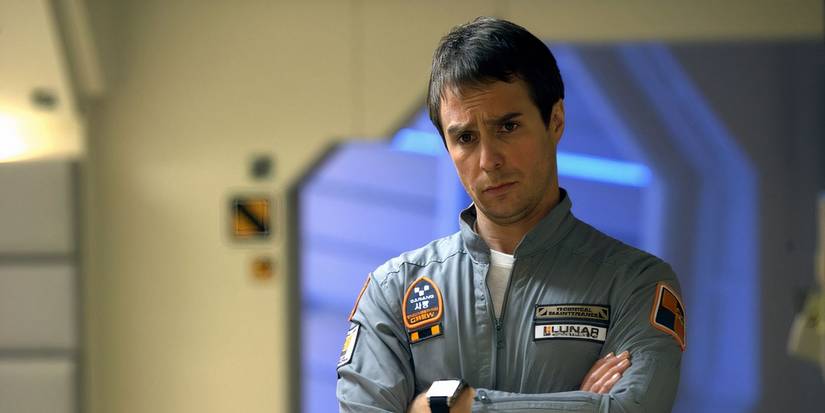
One of the most stunning directorial debuts movie lovers have been treated to in recent decades, Moon is an intriguing and heart-wrenching drama about identity, corporate morality, and purpose. In the near future, humanity has discovered a fuel reserve on the dark side of the moon, leading to the creation of a lunar station that needs to be manned at all times. Sam Bell (Sam Rockwell) is nearing the end of his three-year contract and is eager to return to his family, but he makes a shocking discovery that jeopardizes his chances of going home.
Celebrated for its brilliant use of practical effects and miniatures to make the setting feel real and immersive, Moon endears itself to genre lovers with its narrative intelligence, philosophical themes, and outstanding visual display. It soars with a typically magnificent performance from Rockwell, while Duncan Jones’s direction and screenplay ensure it strays away from genre clichés. Instead, Moon delivers a fresh and original sci-fi story that has become a much-loved cult classic.
‘The Day the Earth Stood Still’ (1951)

While the aforementioned Forbidden Planet is probably the best known of the ’50s sci-fi movies, The Day the Earth Stood Still is the most timeless. Imbued with an anti-war edge that warns against mankind’s appetite for destruction, it unfolds as an alien lands on Earth with a message for world leaders pertaining to humanity’s eradication if they persist with their warmongering ways. While politicians are quick to escalate the situation, a mother and her young son form a bond with the alien as he seeks to live among humans to learn about the species.
An early step for sci-fi away from the monster movie monotony towards intellectually-stimulating storytelling, its message of political anxieties, human paranoia, and the urgency of peace is as palpable today as it was in the budding Cold War-hysteria of the 1950s. Overcoming its sometimes-dated visual display with smart direction, captivating writing, and solid performances, The Day the Earth Stood Still is an ageless cult classic that stands tall among sci-fi’s greatest ever movies.
‘Akira’ (1988)
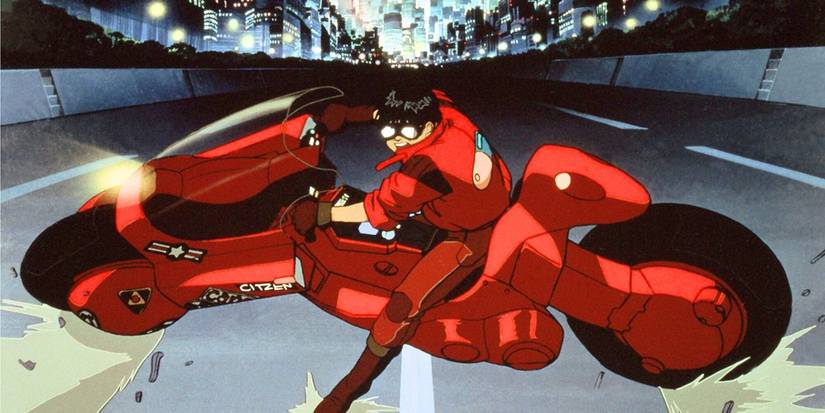
Timeless with its visual majesty, Akira is a groundbreaking masterpiece of animated cinema and a defining cult classic sci-fi. The Japanese film famously features astonishing hand-drawn animation to bring the neon-infused dystopia of a futuristic Tokyo to life with sublime artistry. Set in the aftermath of a third world war that has seen the city become a cesspit of corruption, terrorism, and gang violence, it follows a biker as he combats everything from greedy politicians and military leaders to anti-government demonstrators while striving to rescue his friend from a secret government project.
Its spectacle is one of vibrant colors, grueling aesthetics, and bloody violence. However, Akira isn’t merely a stylish showpiece of the divine visual grandeur of animation; it is a pulsating and thematically rich tale of friendship amid a world of social decay. Further enhanced by its innovative approach to blending audio and visual elements together, and its lasting cultural impact, Akira is not only a mesmerizing cult hit of sci-fi cinema, but a landmark achievement in animation and anime’s migration to a mainstream global audience.
‘Brazil’ (1985)

A rare example of a movie that is even more relevant today, Brazil sees director Terry Gilliam funnel all his offbeat quirks and thematic conviction into a criminally underrated picture of individualism in a world of conformity, commercialization, and corporate greed. Sam Lowry (Jonathan Pryce) is a low-level bureaucrat working for the ministry who is tasked with going into the field to amend a clerical error. However, when he sees the woman of his dreams on the job, he decides to pursue his love and becomes an enemy of the state in the process.
A skewering satire of workplace monotony and the imbalance many people face as they juggle their professional responsibilities with their private lives, Brazil is a cathartic though tragic tale of freedom, or rather the lack thereof. With its cult status also supported by its captivating retro-future aesthetic and eerie, dreamlike atmosphere, Brazil is a masterpiece of science-fiction cinema that will only see its cult following continue to grow in the coming years as its message becomes more resonant.
Source link