
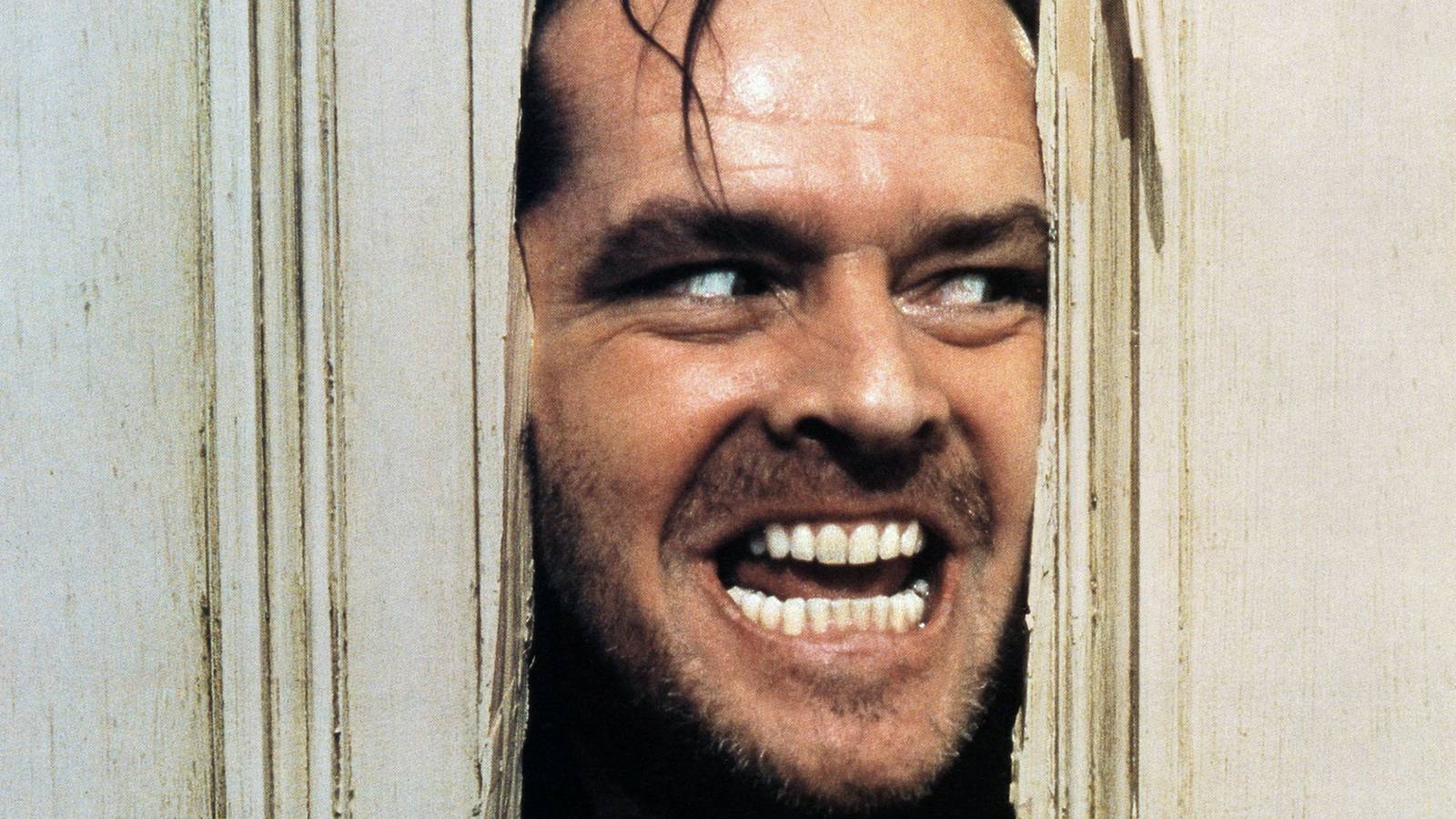
If there is any genre open to reinvention by pushing boundaries, it has to be horror. Throughout the genre’s history, many movies have had such a substantial impact on fans and cinemagoers at large that they have resulted in entire shifts in the industry. These changes are sometimes evident immediately, while others weave their influence into broader movements and are not always appreciated until much later.
There is a long history of horror, dating back well over 100 years, with the release of Le Manoir du Diable (1896), often considered the first in the genre. Internationally, many countries had their own films that would redefine the genre in that area; films like At Midnight I’ll Take Your Soul in Brazil or Alucarda in Mexico. Still, these 12 films have an undeniable direct influence on horror in the West, having terrified audiences and shifted the industry’s focus to catch up with their brilliance or audacity.
12
‘Psycho’ (1960)
Both the final reveal in Psycho and the shower murder scene are iconic, yet with time, people often tend to forget just how impactful those moments were in cinema. Psycho was so far ahead of its time in many ways; even the suggested sexuality of a non-married couple sharing a bed was taboo, let alone killing off the “safe” protagonist.
It is in breaking so many taboos and genre conventions that the movie allowed the entire genre to move forward and touch on more dark subject matter. The movie marketing behind Psycho in itself also set the tone for film promotion for the genre, turning the genre into more of an event; an approach that has continued to ensure the genre remained a dominant force at the box office.
11
‘Onibaba’ (1964)


Set during the civil war in medieval Japan, Onibaba follows a mother-and-daughter-in-law duo who scrape by robbing fallen soldiers and selling their armor. Yet when a young man tries to swoop in and take the young woman away, the matriarch becomes determined to keep her. She takes a demon mask from a soldier to scare her into staying, but when it comes permanently attached through a curse, she falls into madness.
Kaneto Shindō’s Onibaba would set the tone for Japanese horror for decades to come, a masterfully crafted, atmospheric piece of horror that leans heavily into psychological terror. An expert blend of atmospheric dread and socially conscious horror, the movie remains quintessential viewing for understanding the modern landscape of Japanese horror and beyond as its influence slowly reached a global audience.
10
‘Night of the Living Dead’ (1968)
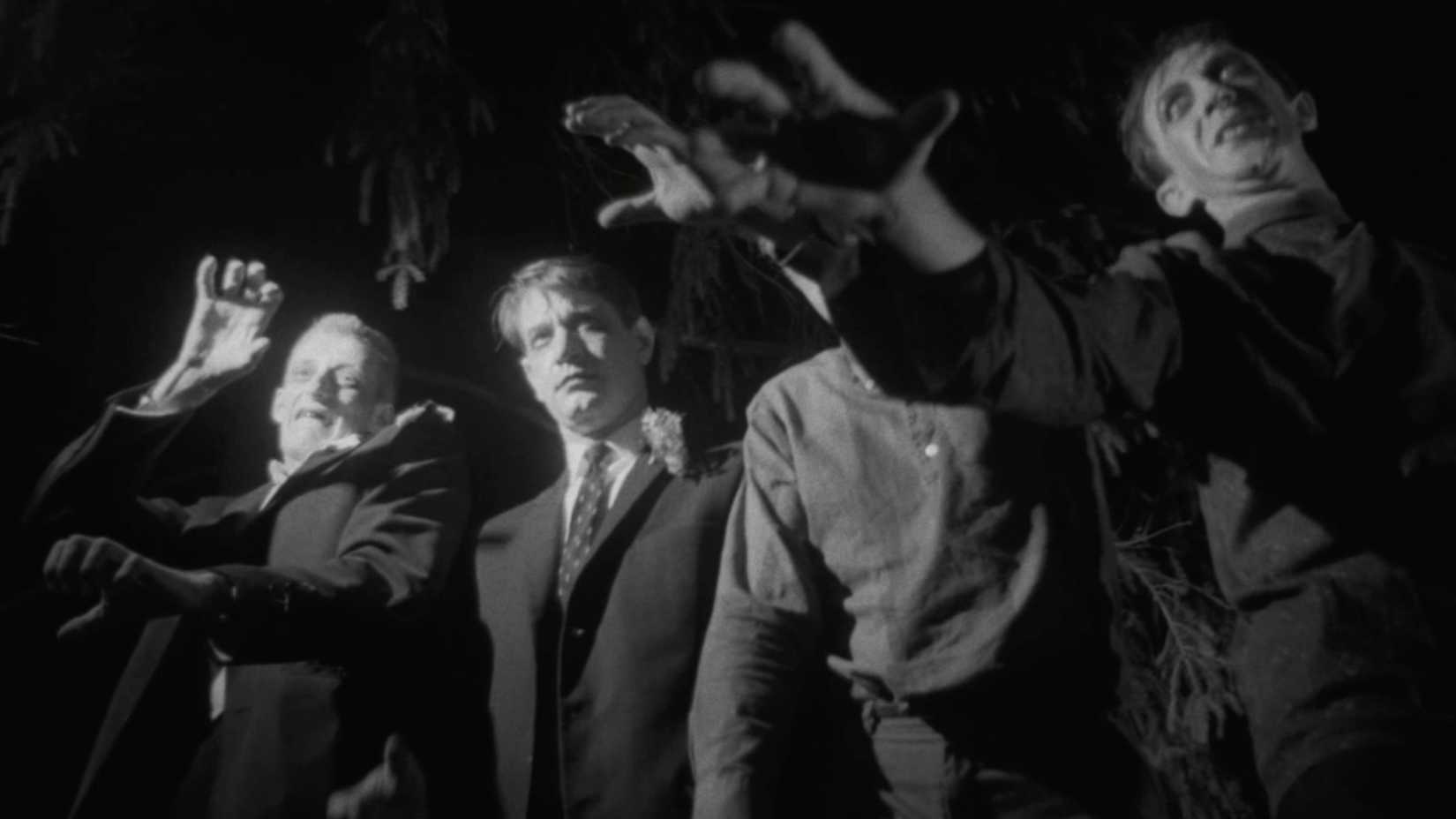
Night of the Living Dead is one of the best-known horror films, in part due to a mistake on release that put it instantly in the public domain. Still, the story that would follow a group of survivors who first encountered the zombie apocalypse was way ahead of its time, terrifying audiences with its vision of the dead walking the earth.
Even aside from the social commentary, which has become key to the film’s enduring success, director George Romero created the modern vision of the zombie. Any zombie movie you love, you owe some of it to George Romero, who turned the voodoo-inspired creatures into the unrelenting flesh-eaters we know today.
9
‘The Exorcist’ (1973)
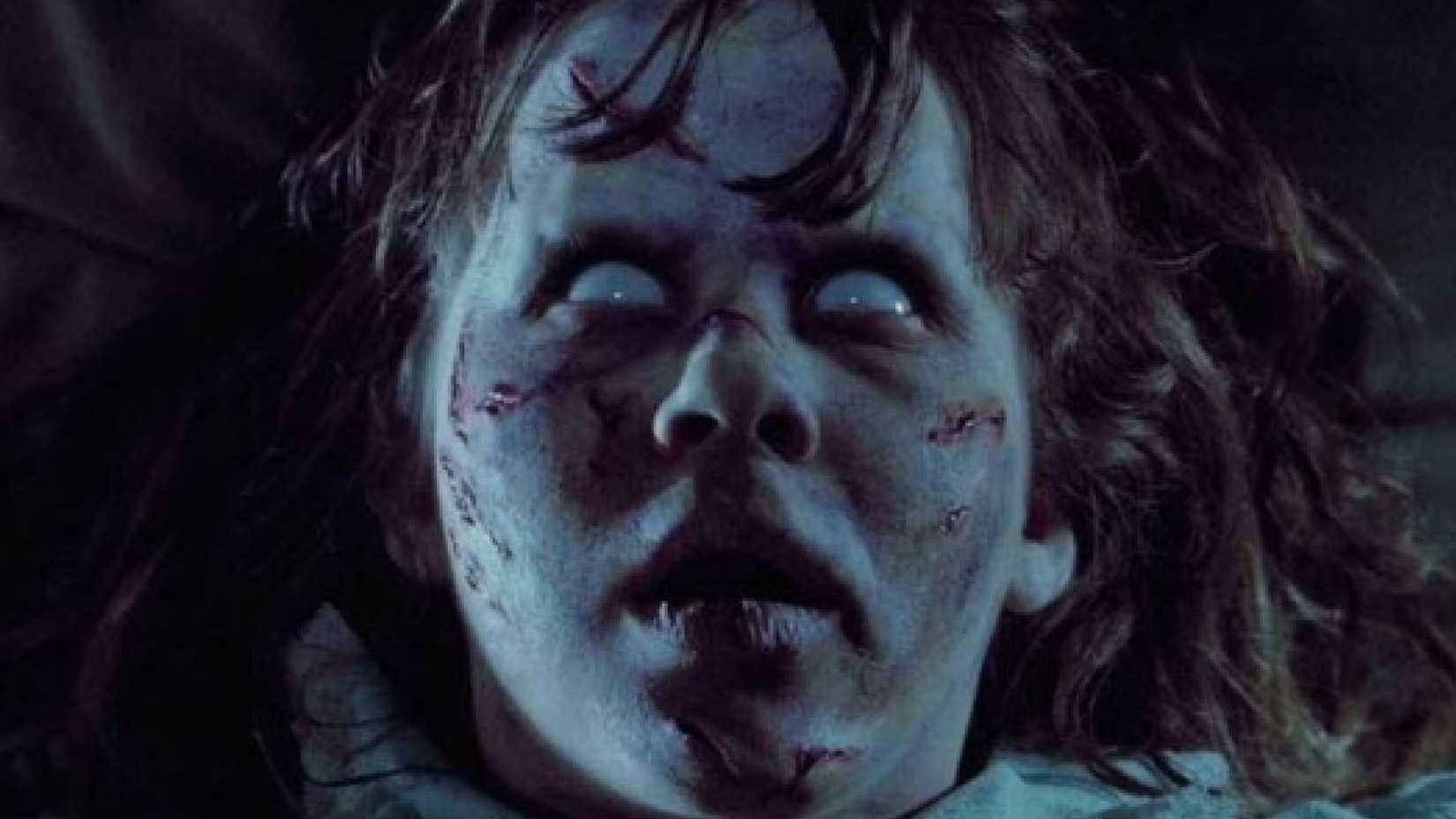
For over 50 years, The Exorcist has retained its title as one of the scariest horror movies ever made, and for good reason. Packed with shocking imagery that had censors and many others up in arms, the movie’s absolute terror, which has made it timeless, comes from its use of themes like belief, realism, and psychological dread, unlike anything that had come before it.
It is this blend that has made The Exorcist one of the most influential films on the modern horror landscape. Additionally, the confrontational nature of its release from various groups also helped push the genre past mere placation toward a sense of ‘morality’ and ‘rules’. It showed how touching on taboos could translate into box office success.
8
‘Suspiria’ (1977)
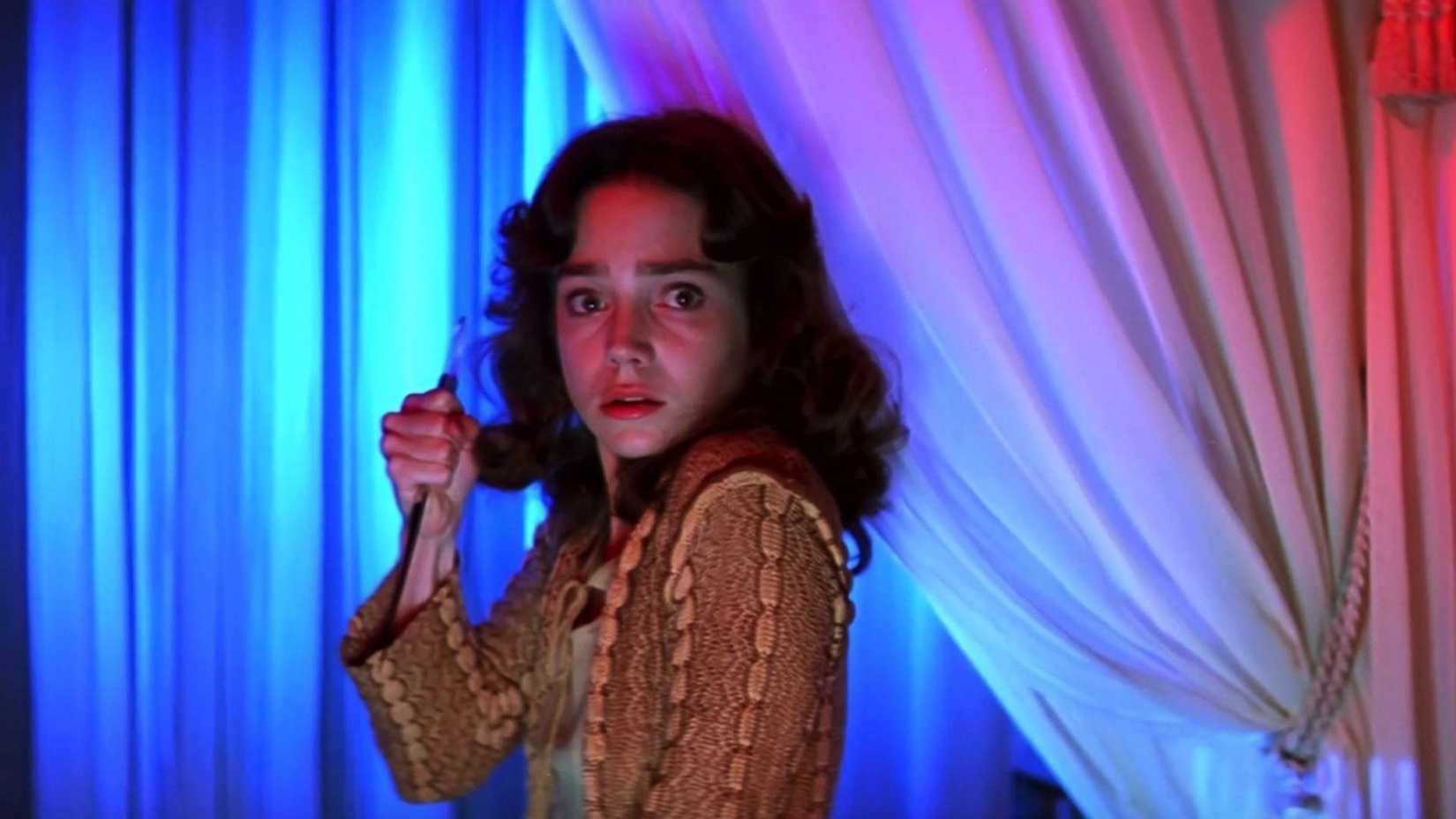
The plot of Suspiria, a young American ballerina joining a dance school only to uncover that a coven of witches runs it, is far less important than the experience of watching the film. Notably, the film oozes style, from the primal, trippy score to the flush of colors that accompany each stylized kill.
The movie is a full-on assault on the senses, and the Italian horror film by Dario Argento blew the minds of many fans and aspiring filmmakers. The aesthetic and energy of Suspiria propelled it to a global audience, showing that non-English, non-Hollywood horror could also dominate.
7
‘Halloween’ (1978)
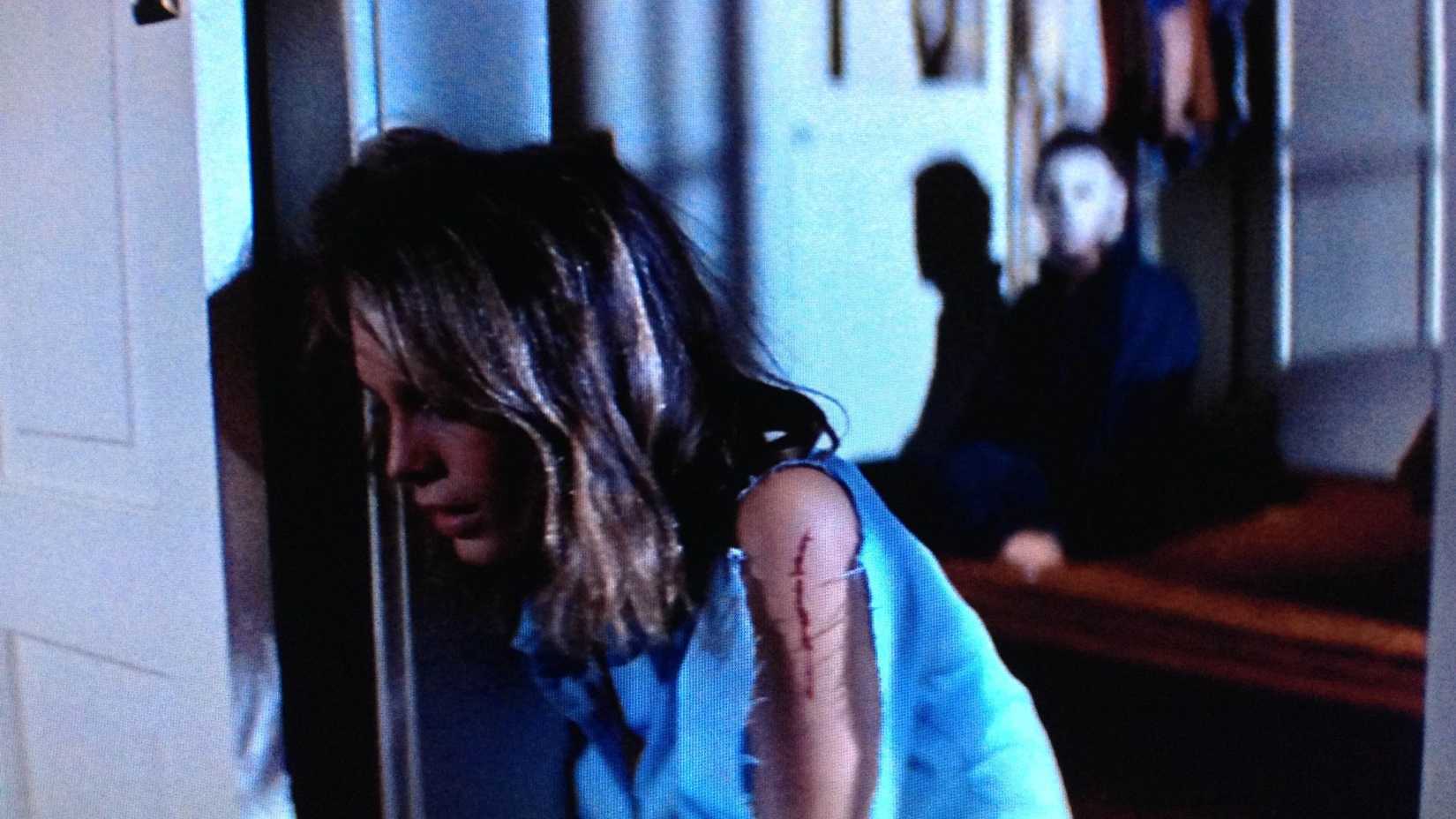
What were horror fans even flocking to the theaters for before Halloween? The slasher genre has become the quintessential theatergoing experience for so many horror hounds that it is hard to picture a time when the sub-genre did not dominate the box office. John Carpenter, one of the greatest directors ever in the horror genre, touched a nerve with Halloween, bringing terror to Suburbia, but it also set the groundwork for so many films to come.
Halloween is not necessarily the first slasher, but when looking at its impact on the genre’s development, it essentially created it. Giving birth to what remains one of the biggest sub-genres, there is no denying that Michael Myers stands as the definitive slasher. Carpenter, who is no stranger to creating iconic characters, also brought the first real ‘final girl’ to mainstream recognition with Jamie Lee Curtis’s Laurie Strode.
6
‘The Shining’ (1980)
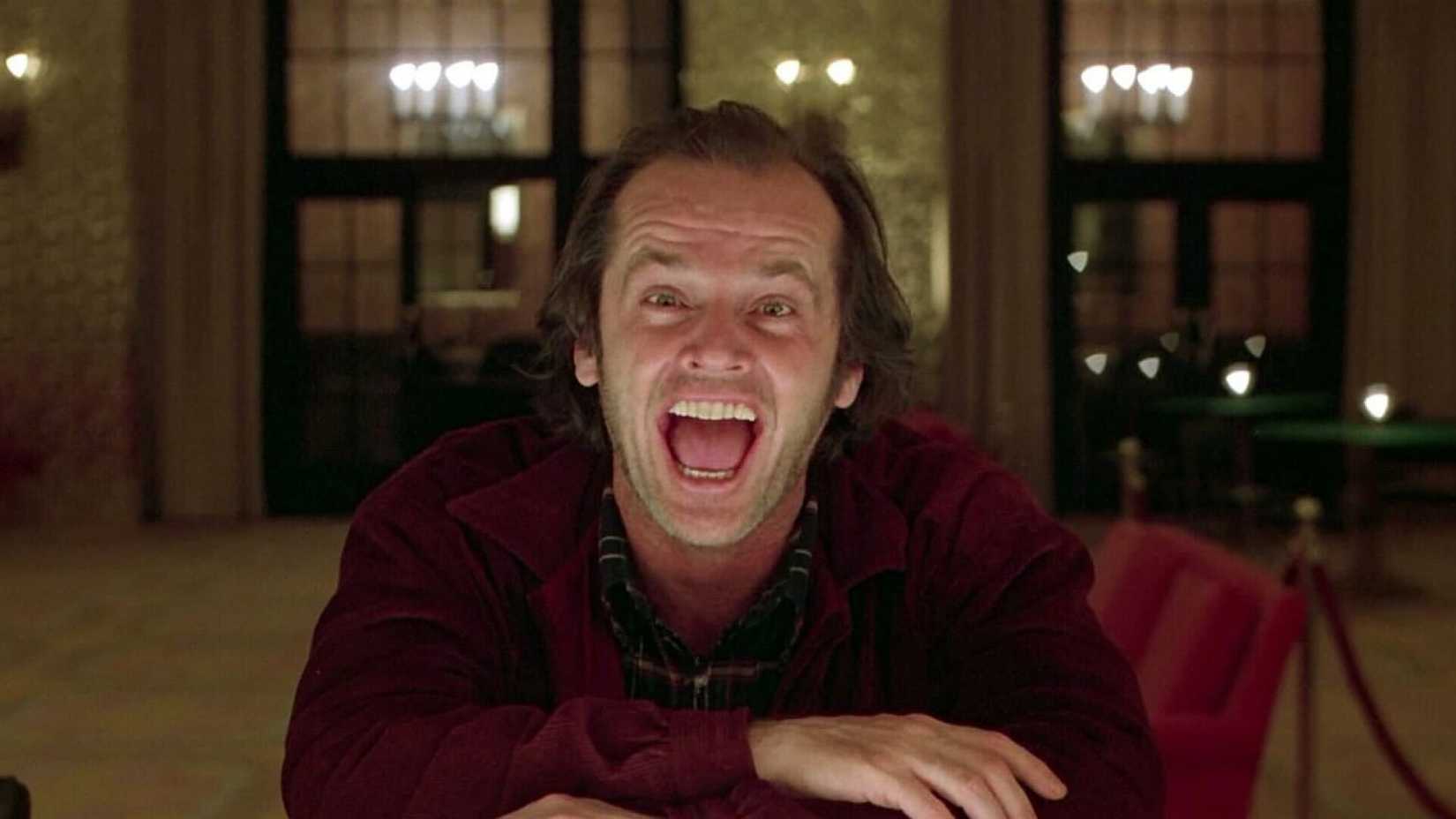
It is somewhat baffling to realize that The Shining was a box-office disappointment, underperforming for a Stanley Kubrick film, as it is now a revered classic of the genre. A deeply engaging tale of madness unlike any other, led by Jack Nicholson in arguably his best performance, The Shining remains terrifying decades after its release. Moreover, it offered a wholly original vision of horror.
Shucking the typical jump scares and monsters, Kubrick turned Overlook Hotel itself into an antagonist through stunning cinematography that remains the golden standard. The Shining is often credited with bolstering the slow-burn approach to horror that would become a staple style within the genre.
5
‘Angst’ (1983)
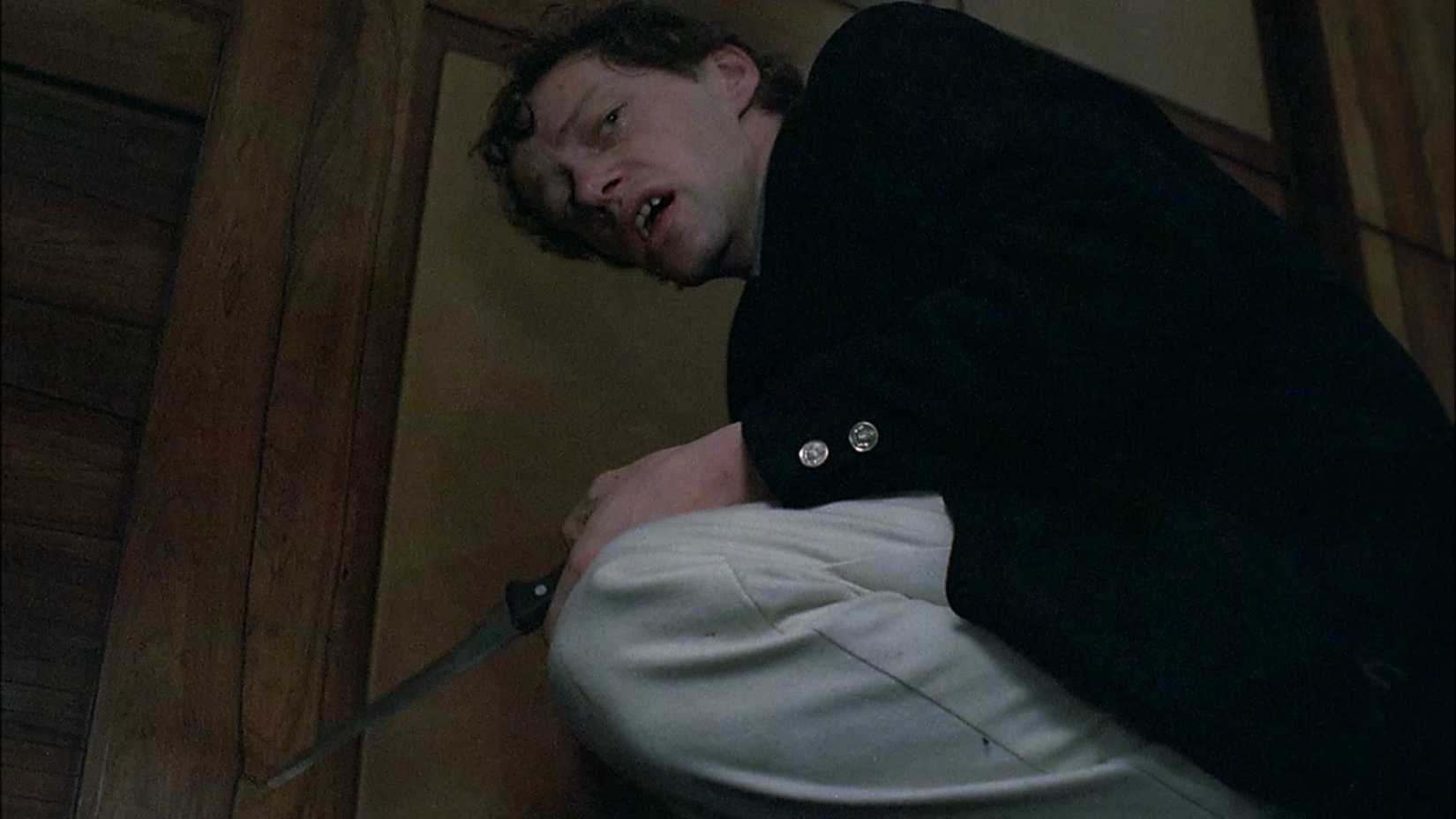
Newly released from prison after killing an elderly woman, an unnamed psychopath decides that the first thing he is going to do on release is to kill again. This brings him to a remote home where a mother, her disabled son, and her daughter live together. Through the course of a day, he turns the three’s lives into a waking nightmare as he tortures and kills each.
Angst may not necessarily have the name value of some other entries on this list. Still, its nearly narrative-free approach and unflinching depiction of violence not only broke all the rules but also came to be highly influential in the realm of extreme horror. Notably, Gaspar Noé (Irreversible, Climax) has sung its praises. It is a brutal watch, but it was so far ahead of its time in presenting a nihilistic vision of human suffering, which would come to define certain filmmakers and subgenres of horror.
4
‘Blair Witch Project’ (1999)
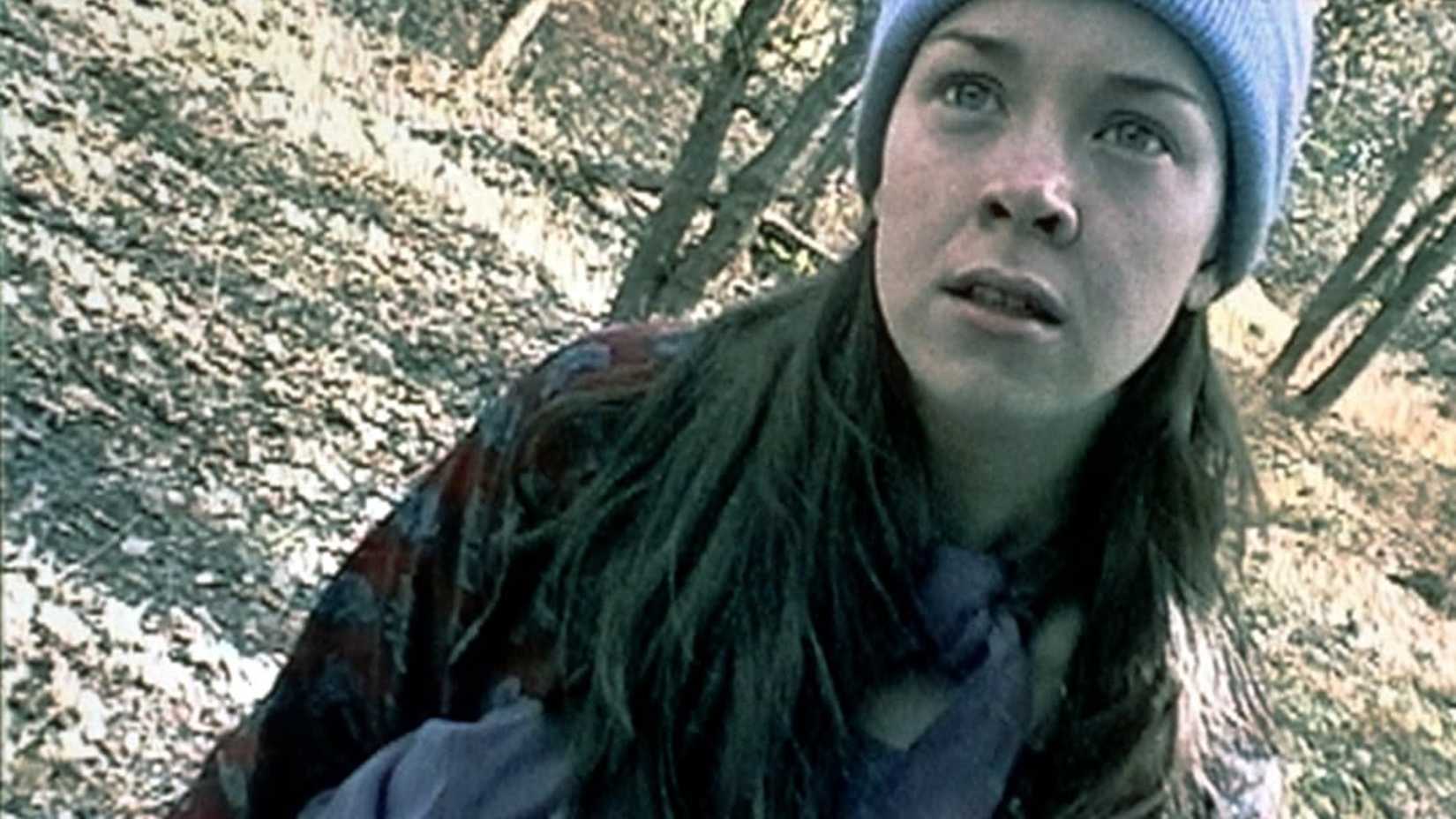
For a long time, the golden standard for box-office success was Hollywood, but a small indie film would change all of that in 1999, when The Blair Witch Project became a hit, earning more than 400× its budget. The movie would present the found footage of a group exploring an urban legend in the woods, only to become the victims of an evil force.
The Blair Witch Project was not the first found-footage horror film; those honors go to another film that could have made this list: Cannibal Holocaust. Still, the movie would popularize the found-footage genre and make it a staple among many horror fans. Now, the genre has countless gems and classics, as it has become the medium for many budding creatives, all of whom owe some degree of their success to The Blair Witch Project.
3
‘Ringu’ (1998)
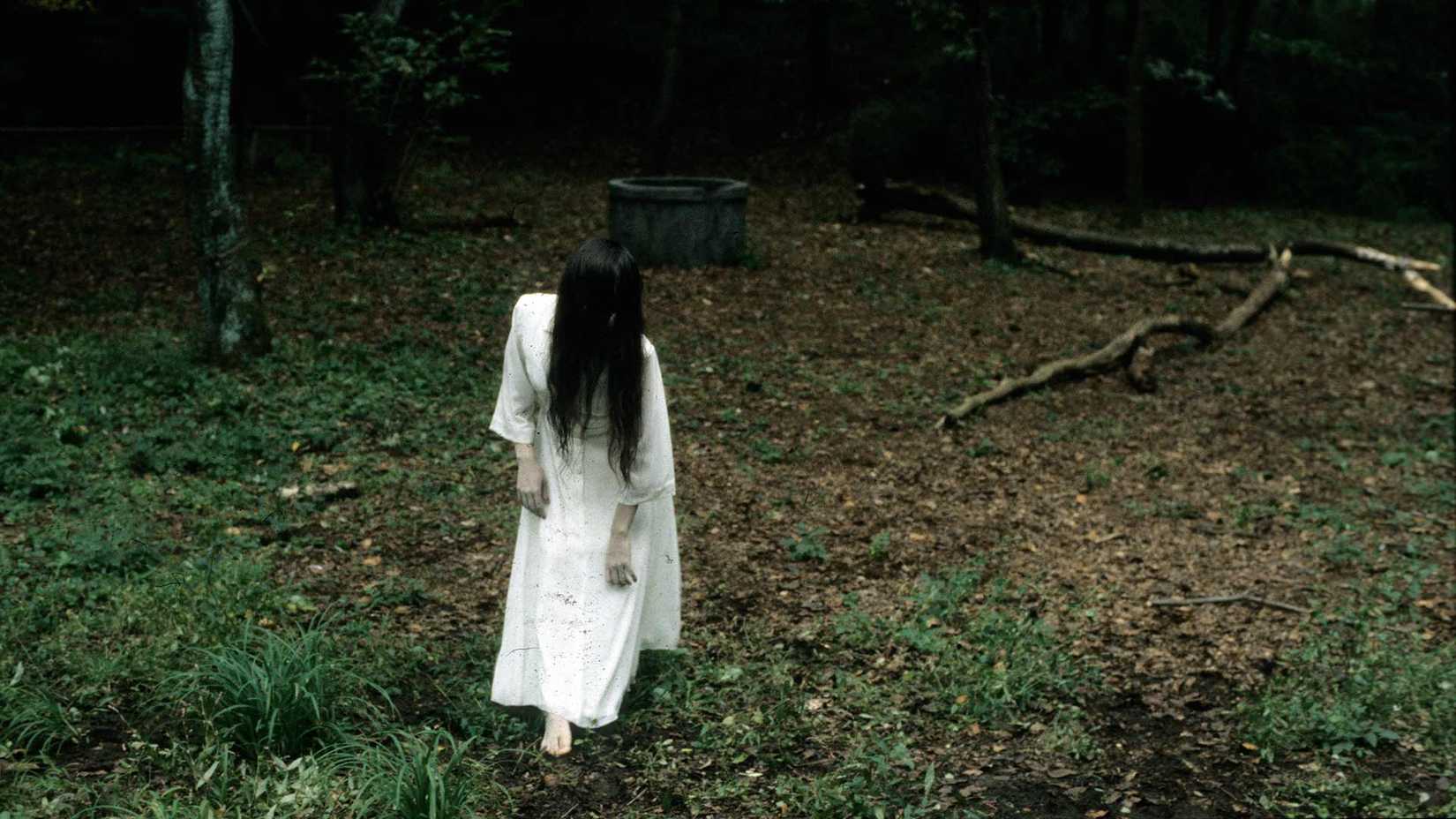
The image of the ghostly figure of Sadako emerging from the well is ingrained in the minds of almost every horror fan who grew up in the 90s; it still terrifies to this day. The film’s plot, a cursed videotape that causes its viewers to be cursed to die, while simple, delivered shocking jump scares and kick-started a string of ‘long-haired’ ghost movies globally.
When it comes to the Japanese wave of horror, Ringu may not necessarily have garnered the same long-term praise as movies like Cure or Pulse, both of which were influential in their own right. Still, it is hard to argue Ringu’s influence on Western horror, with the film and its remake setting the tone for so many late 90s and early 2000s productions, sometimes for the better, sometimes for the worse.
Source link
-

-

-
-
-


