Throughout the Golden Age of the Western genre, there are several decades of note for their impressive display of iconic horse operas that have continued to endure all these years later. The 1950s and ’60s feature perhaps the greatest collection of Westerns on film, with classics like The Searchers, The Dollars Trilogy, High Noon, and The Man Who Shot Liberty Valance all as grand now as they ever were. But on occasion, a single year gives birth to a plethora of fine features that raise the bar for the entire genre, and that was certainly the case with 1969.
If 2008 was a landmark year for superhero films and 1999 made its mark for action flicks, 1969 is arguably one of the most memorable years for horse operas of all shapes and sizes. Whether you love traditional Westerns, revisionist takes, Spaghetti Western varieties, or even musicals, this year had it all. Everyone from John Wayne and Clint Eastwood to Robert Redford and Lee Van Cleef is well-represented here, with some of the genre’s top stars producing multiple features that all hit theaters the same year. So, without further ado, these are the movies that continue to remind us why 1969 was a record year for the Western.
10
‘True Grit’
Arguably one of the finest Westerns ever made, True Grit was the first on-screen adaptation of Charles Portis‘ novel of the same name, which had only been published a year prior. Directed by longtime John Wayne collaborator Henry Hathaway, the 1969 Western introduced the world to Rooster Cogburn, one of the Duke’s finest (albeit flawed) heroes. Rooster agrees to help young Mattie Ross (Kim Darby) in her pursuit of the man who killed her father, and the pair is soon joined by a Texas Ranger (Glen Campbell) who desires to nab the same man.
Not only did Wayne win the Oscar for Best Actor, but Rooster marked one of the few instances where the Duke reprised a role. Only six years later, in one of his final films, he revisited the part in the 1975 film Rooster Cogburn, which was nowhere near as good as the original. True Grit is a powerhouse of Western cinema that has often been overshadowed by the 2010 adaption by the Coen Brothers, though the original ’69 feature still deserves high praise.
9
‘Butch Cassidy and the Sundance Kid’

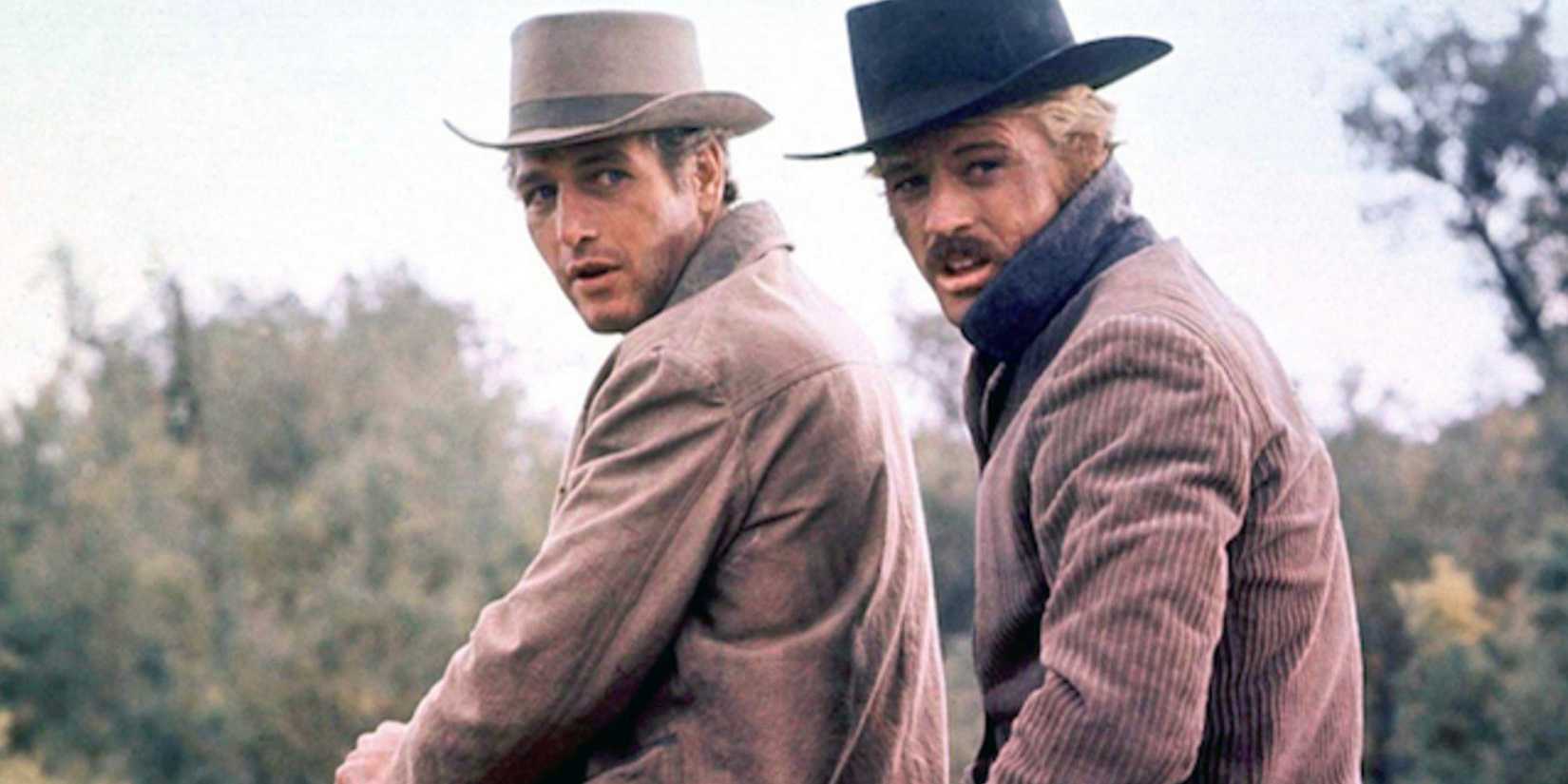
What more could be said about Butch Cassidy and the Sundance Kid that hasn’t already been said? A remarkable motion picture in the New Hollywood style that redefined the genre while simultaneously becoming a classic, there are few Westerns that make us feel so deeply for a pair of outlaws as this one. Paul Newman and Robert Redford play the respective gun-toting duo as they escape the law and plan to get rich elsewhere. Unsurprisingly, it doesn’t go quite as planned.
Newman and Redford have an insane chemistry here that was unfounded in most Westerns at the time. While there had certainly been two leading men who bounced off each other with charisma and ease before, this pair proved that more could be done in the construction of such deviant (yet polite) characters. Butch Cassidy and the Sundance Kid remains an unparalleled feature that ignores most of the genre’s more obvious tropes and instead challenges the mythic notion of the West as the genre fades into the sunset — although the same couldn’t be said for the titular outlaws.
8
‘The Wild Bunch’
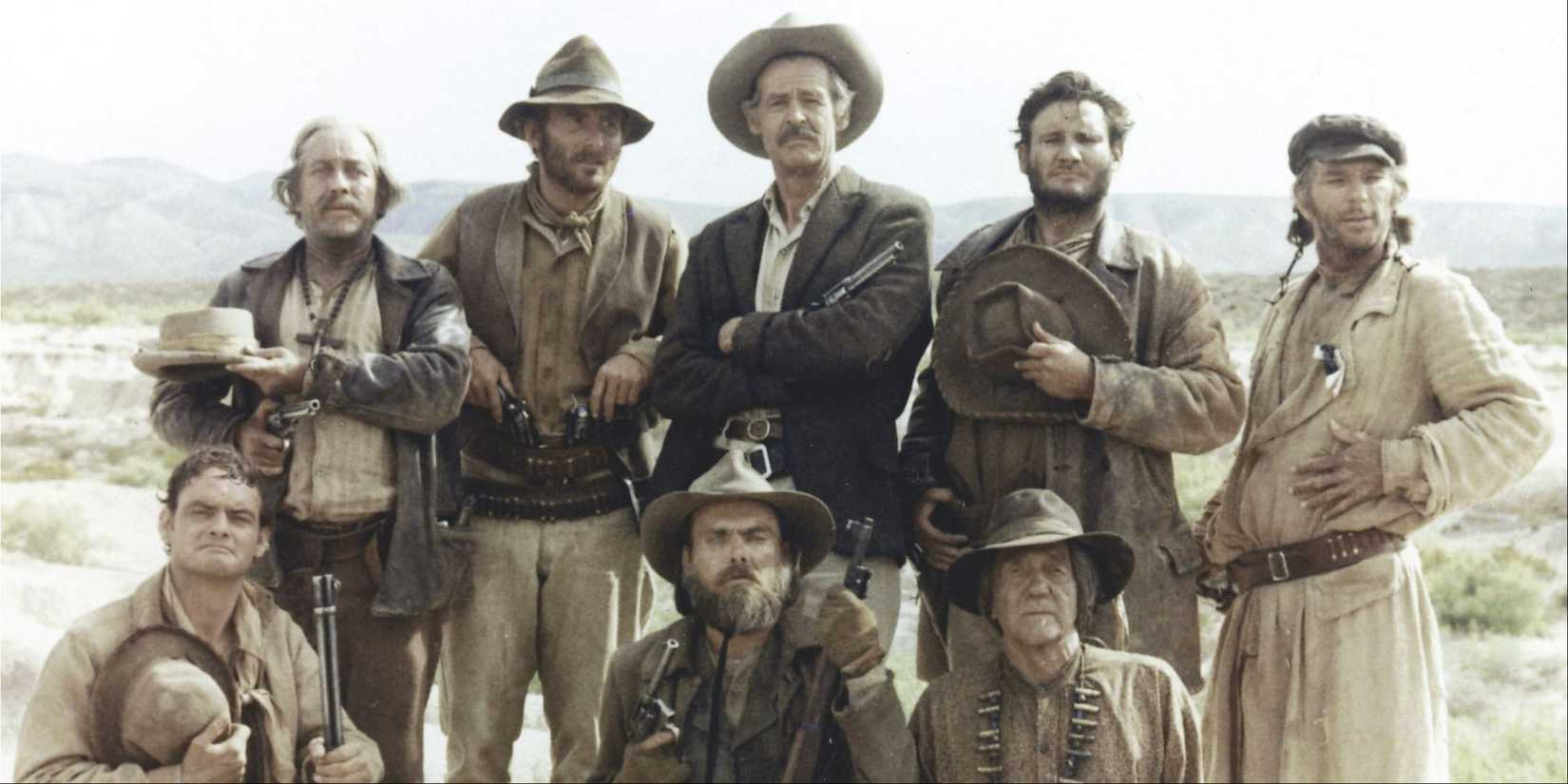
Speaking of outlaws, there was not a more violent, exploitative, and explosive Western released in 1969 than The Wild Bunch. In fact, this Sam Peckinpah epic was so bloody that John Wayne publicly denounced the film. When the general face of the entire genre negatively responds to your picture, there’s something there that’s, at the very least, quite provocative. Of course, a film about a gang of violent outlaws in the fading American West could only turn so cruel, especially as they aim to find their place in a world that would sooner see them eradicated.
Led by William Holden‘s Pike Bishop, the outfit finds themselves on the wrong side of the Mexican Army after selling stolen U.S. Army firearms. The whole thing erupts into an explosion of blood and guts as Peckinpah’s examination of the weighted cost of violence turns into a massacre not for the faint of heart. It’s no wonder that The Wild Bunch was not enjoyed by every fan of the genre, though it has become something of a revisionist classic in hindsight.
7
‘Guns of the Magnificent Seven’

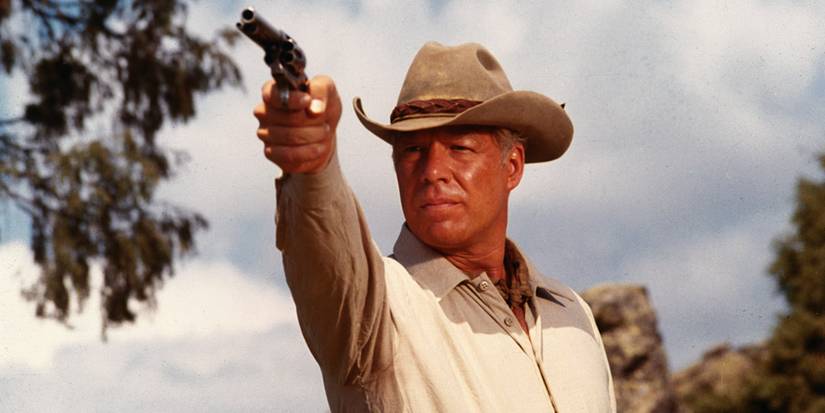
The second sequel to 1960’s The Magnificent Seven, this third entry in the original franchise was noticeably different than the first two. For one thing, Yul Brynner did not reprise his role as Chris Adams this time around, with George Kennedy taking it on as the character assembles a new group of seven gunfighters to free a Mexican revolutionary from the clutches of a corrupt government official. Guns of the Magnificent Seven may not be the original, but it remains a solid horse opera on its own that improves upon the last installment.
Unfortunately, Guns of the Magnificent Seven suffered most due to it being released the same summer that The Wild Bunch hit theaters. Because the films shared some plot similarities (and Peckinpah’s epic was far more intense), it was overshadowed by the revisionist hit. Still, the fact that the Magnificent Seven films were still going strong in 1969 is significant, as there were few iconic Westerns that spawned as many solid sequels.
6
‘The Specialists’
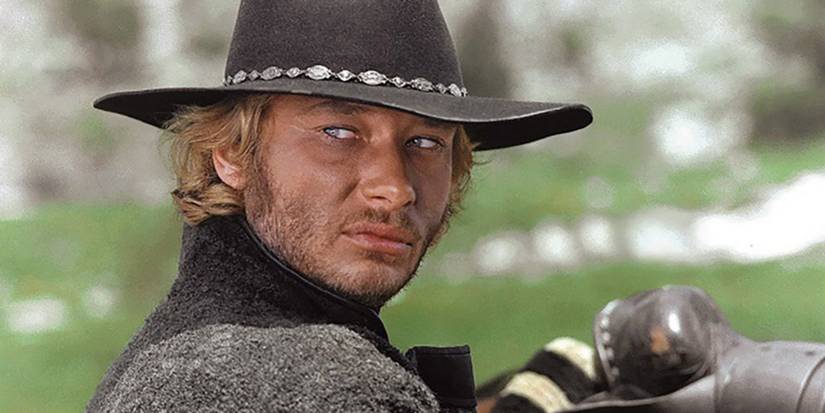
The third and final entry in Sergio Corbucci‘s unofficial “Mud and Blood” trilogy, following Django and The Great Silence, The Specialists follows gunfighter Hud Dixon (Johnny Hallyday) as he seeks the man who killed his brother — only to learn a dark secret about the small Nevada town. Full of striking mountainous visuals and a solid performance from its leading man, this Spaghetti Western has often been slept on in favor of Corbucci’s previous pictures. Nevertheless, it’s quite entertaining as a standalone shoot-’em-up.
Sometimes called Drop Them or I’ll Shoot, The Specialists is notable largely for its third act, which challenges our general perceptions of a climactic Western shootout. Corbucci’s anti-hippie stance is also apparent here, though the whole film stands tall against more authoritarian ideas and themes. A classic revenge-style action flick, The Specialists is a reminder that following Sergio Leone and Clint Eastwood‘s Dollars Trilogy, the genre had been changed forever, now aiming to paint a grittier picture of the West than before.
5
‘Sabata’
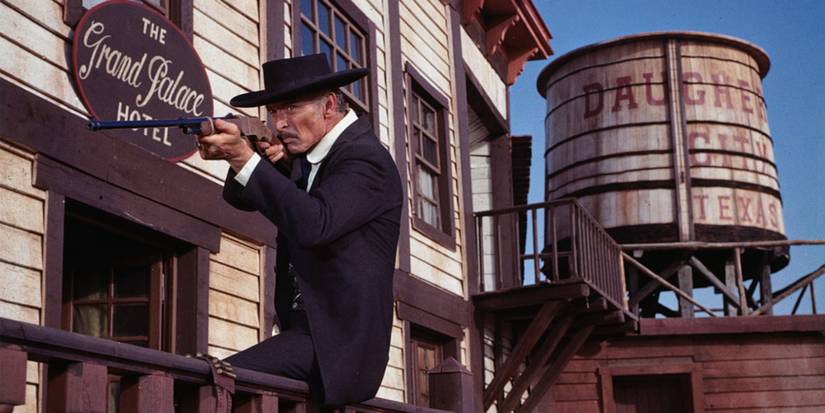
If gritty Spaghetti Westerns are your style, then the good news is that 1969 also saw the release of the Lee Van Cleef picture Sabata. Following his work in the Dollars Trilogy, Van Cleef starred in two of the three-part Spaghetti Western epics that began here with the director Gianfranco Parolini‘s first visionary take on the American West. Following the titular gunslinger who finds himself between a rancher, a judge, and a saloon keeper, which sounds like the start of a bad joke but quickly becomes far more violent than that.
Sabata is a dangerous gunman who offers that trademark Van Cleef stare to anyone who gets in his way. Like the Western star’s other pictures, Sabata is a no-holds-barred action flick stylized in classical Western garb, complete with enough firepower to surprise even Eastwood’s “Man With No Name.” Although it produced two sequels (the first of which featured Yul Brynner in the title role before Van Cleef returned), the original is still generally considered the best of the (wild) bunch for a reason.
4
‘The Undefeated’
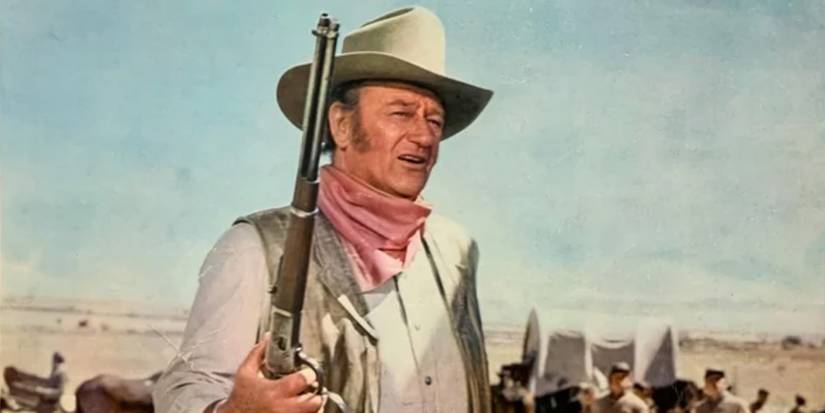
Another John Wayne flick, The Undefeated is not the most popular horse opera the Duke ever starred in, but given the subject matter, that’s maybe not too surprising. The film itself focused on ex-Union and ex-Confederate heroes who head to Mexico to start anew during the Second Franco-Mexican War, a conflict that bookended the American Civil War but was far less popular. Nevertheless, Wayne delivers as Colonel John Henry Thomas of the North, who, alongside Rock Hudson‘s Colonel James Langdon of the South, battles the Mexican revolutionaries, stirring up trouble south of the border.
If you’re not too familiar with The Undefeated, it’s a solid Western all on its own. Though outshined by True Grit the same year, it reminded longtime audiences that the Duke still had what it took to headline the genre, even when it wasn’t at its strongest. Still, it’s a good film, and one that pushed Wayne’s career into its final leg in the 1970s, proving that he was not about to slow down.
3
‘Paint Your Wagon’
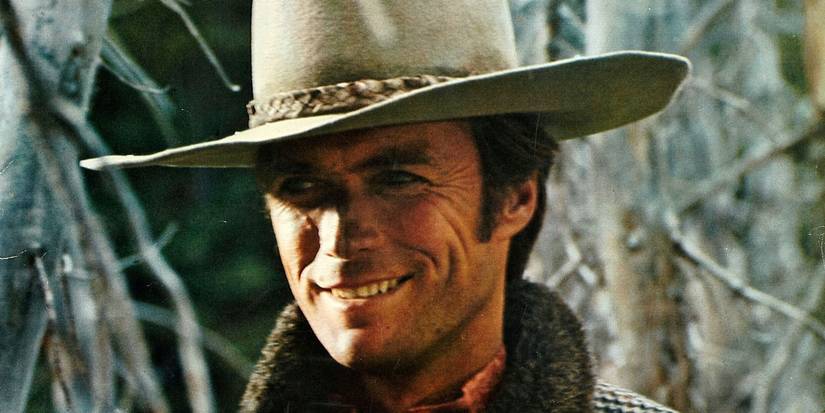
Not your typical Clint Eastwood fare, the Western star still made an Old West appearance in 1969 with Paint Your Wagon, a musical take on the genre that featured Eastwood as a gold prospector known usually as “Pardner” opposite Lee Marvin‘s Ben Rumson and Jean Seberg‘s Elizabeth. Back in his Rawhide days in the early ’60s, Eastwood had proven his musical talents over and again, and Paint Your Wagon was the time for him to shine on the big screen. It may not be the best the genre had to offer, but it proved that it could still be more creative than it was often given credit for.
Even stranger, Paint Your Wagon is essentially about two men who attempt to share the same wife while dealing with the tent city problems of Gold Rush-era California. Talk about an out-of-the-box idea, and yet, Paint Your Wagon is a slapstick take with some catchy musical numbers and some great stars to boot. Even if it’s not your favorite Eastwood film, there’s likely something about this one that will have you thrilled to the end.
2
‘Mackenna’s Gold’
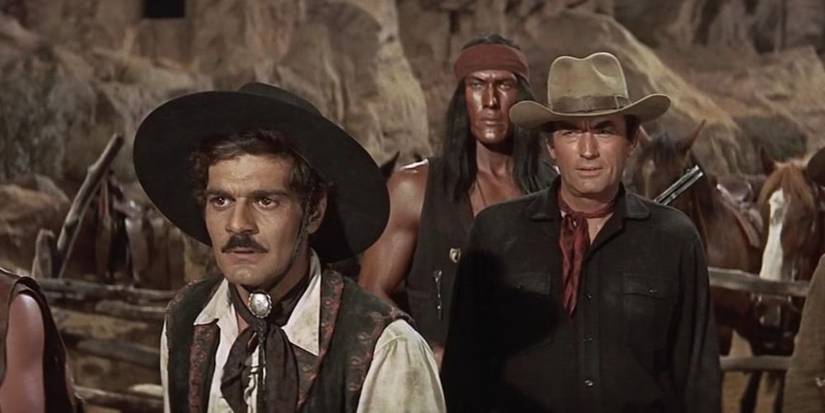
Although his best Western role is undoubtedly as Jimmy Ringo in The Gunfighter, Gregory Peck returns to the genre here for Mackenna’s Gold. Based on the novel of the same name by Heck Allen, the film follows the kidnapped Marshal Sam Mackenna (Peck), as he is taken by Mexican outlaw John Colorado (Omar Sharif), who believes he holds the map to a lost treasure. As Colorado and Mackenna travel the West in search of this gold, other groups do the same, pitting them all against the Apaches trying to conceal the prize. With a large cast that also includes Julie Newmar, Ted Cassidy, and Telly Savalas, the suspense is terrible.
Mackenna’s Gold may not have been the box-office hit that Columbia Pictures aimed for it to be, but it turned out well enough on its own. From a screenplay by High Noon scribe Carl Foreman, the film was an engaging mixture of traditional Western fare and classical pulp adventure fiction with the growing revisionist tendencies of the late ’60s. Of course, with Peck in the lead as Marshal Mackenna, you can’t expect anything but the best.
1
‘Once Upon a Time in the West’
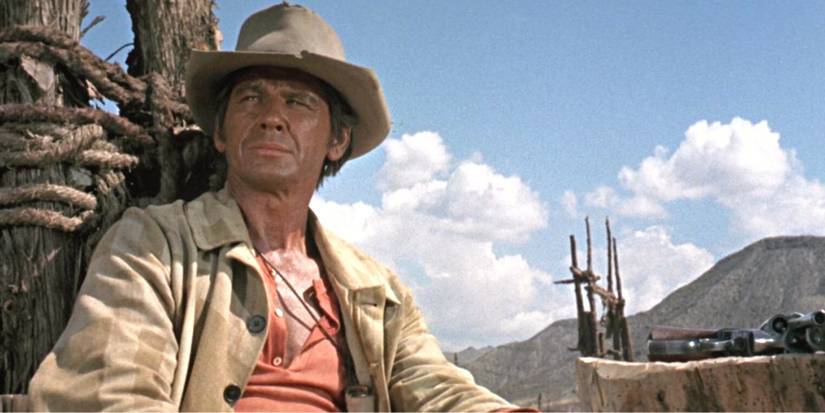
Okay, this one is a bit of a cheat, but if the argument is that 1969 was one of the best years (if not the best year) for Western movies, then Once Upon a Time in the West just has to be on the list. Although the film first premiered in Rome in December 1968, it didn’t debut in the U.S. until well into the new year. Thus, for us Americans, Once Upon a Time in the West is another stellar product of 1969 as director Sergio Leone outdoes himself in his first major horse opera after parting ways with Clint Eastwood.
Once Upon a Time in the West is pretty traditional as far as its plot is concerned, but it’s an epic Spaghetti Western that pits two major American stars — Charles Bronson and Henry Fonda — against one another in a climactic duel that has been years in the making. Between its stellar cinematography and score, the iconic Bronson one-liner that is just as cool now as it was in the ’60s, and plenty of action-packed material, Once Upon a Time in the West is one Western that, for some, could be considered the culmination of the genre. We’d be remiss not to include it here.
Source link