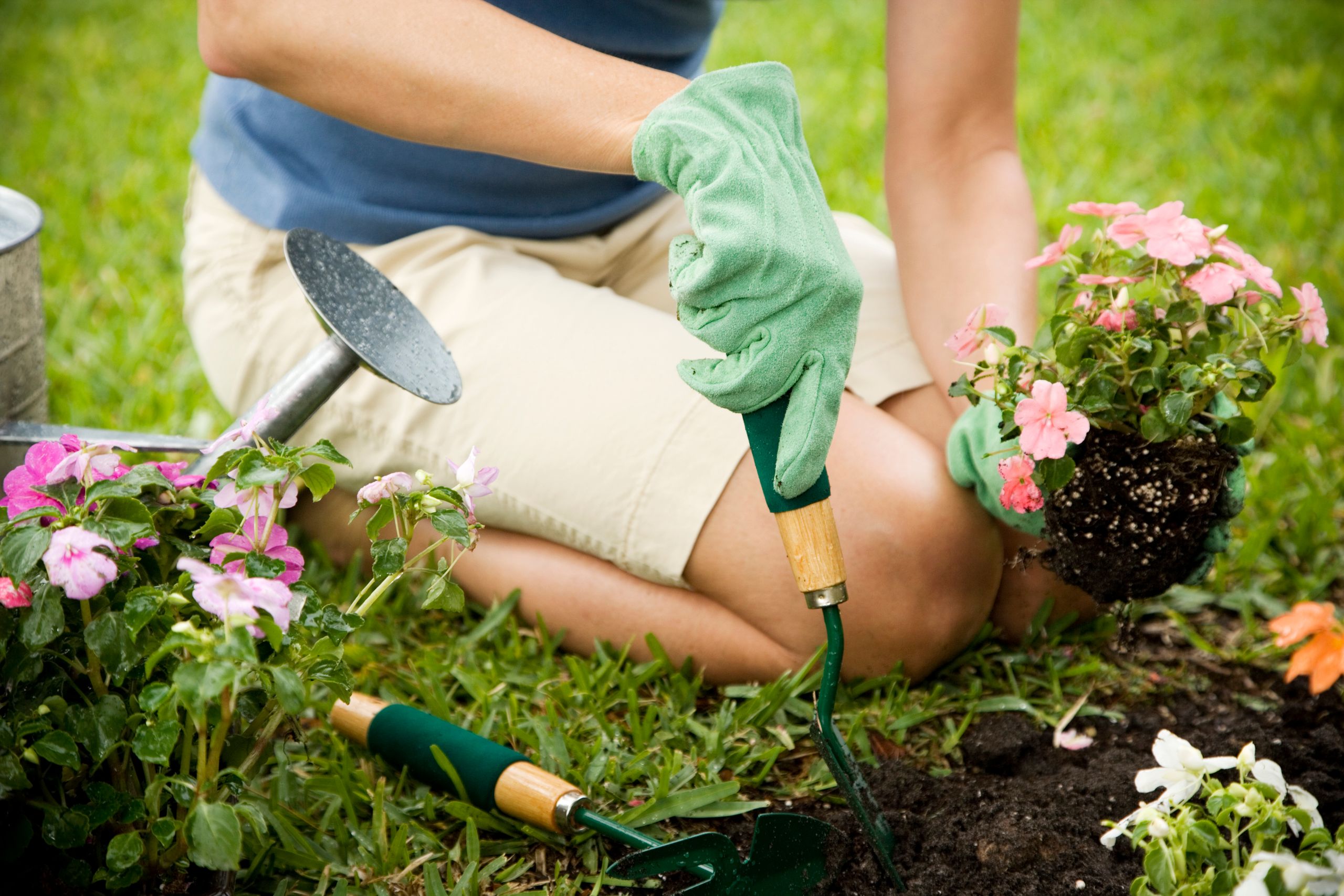
April is one of the busiest – and most critical – months in the gardening calendar. As temperatures rise and daylight hours increase, last year’s plants begin to grow more actively, lawns start to recover, and beds quickly fill with new shoots.
It’s a month of rapid change, which can feel overwhelming after a quiet winter. But this explosion of growth also means that a little effort now can set your garden up for success in the months ahead.
Article continues below
If you’re not sure where to start, this simple April gardening checklist covers seven essential tasks to focus on right now.
1. Prepare and improve your soil
Before you put seeds in the soil, make sure you are well-versed in the tomato’s specific growing conditions. This will ensure that any plants will be suitably nourished and able to grow a bounty of tomatoes. A happy plant is a productive one!
Healthy soil is the foundation of any successful garden, and April is the perfect time to get it ready for the growing season. After the repeated freezing and melting of water throughout the winter months, soil is often compacted by the time spring arrives. It may also be depleted of nutrients following last year’s growth. All in all, it’s a poor environment for vegetation – but one you can fix. Improving soil quality now will help new plants establish strong roots and grow more vigorously, so you can enjoy them throughout the late spring and summer.
Start by clearing away debris, weeds, and stones from beds and borders. Then dig organic matter, such as compost or well-rotted manure, into the soil to improve its structure and fertility. Finally, rake the surface to create a fine, level finish before planting; this step makes it easier for seeds to germinate and ensures young plants can establish quickly.
2. Start sowing hardy seeds outdoors
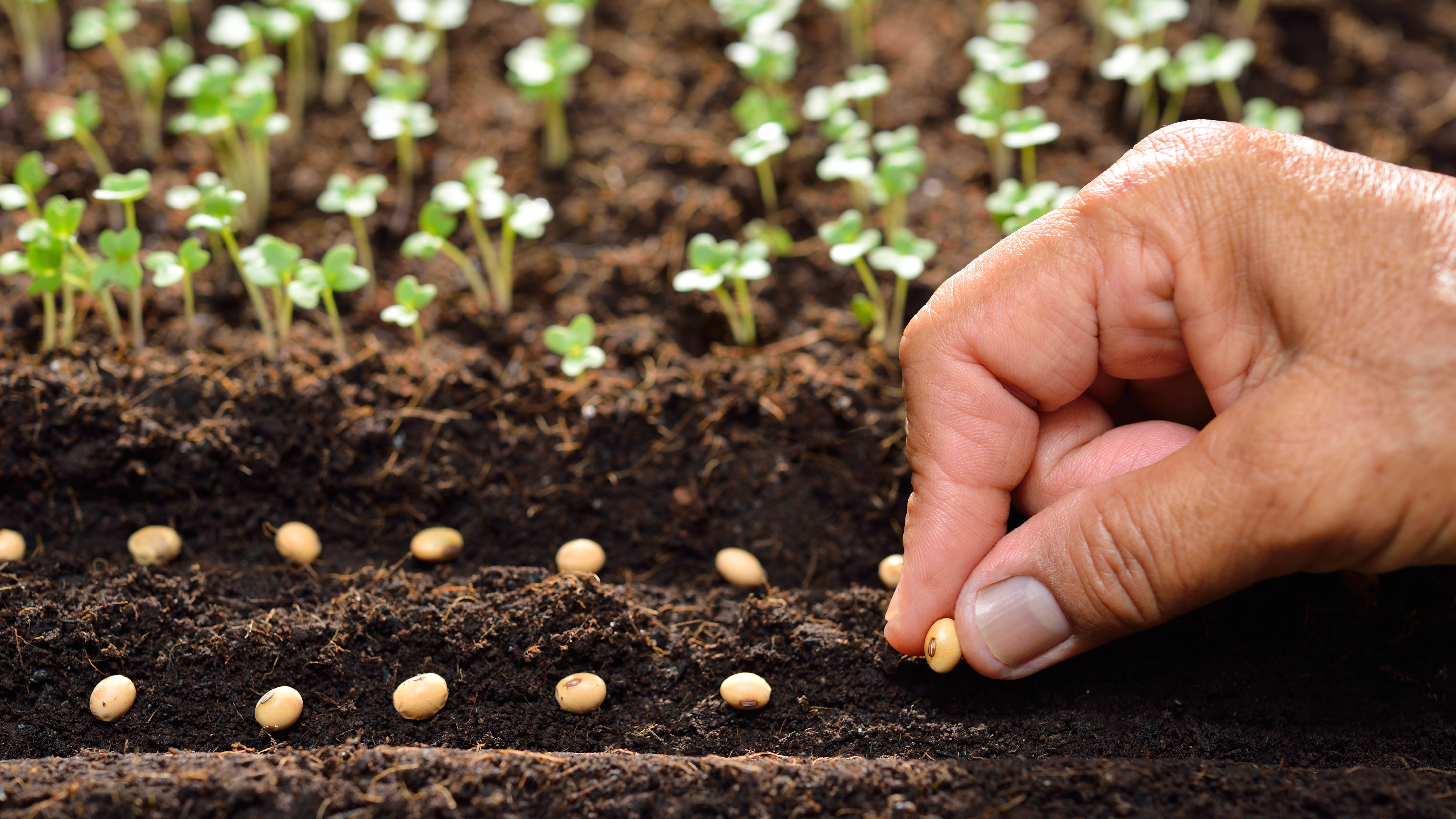

As the soil begins to warm, April is a great time to start sowing a range of hardy seeds directly outdoors. Cool-season crops and flowers can tolerate lower temperatures and will benefit from getting established early.
Sowing now gives them a longer growing period, which often leads to better yields or more abundant blooms. It is often recommended to wait until the last frost has passed, so keep an eye on that expected date for your region and time your planting accordingly. For most of the US, this will fall within the month of April.
Sowing now gives them a longer growing period, which often leads to better yields or more abundant blooms
Sow seeds in prepared soil, following the spacing and depth instructions on the packet. Water gently after planting and keep the soil consistently moist while seeds germinate.
3. Stay on top of weeds
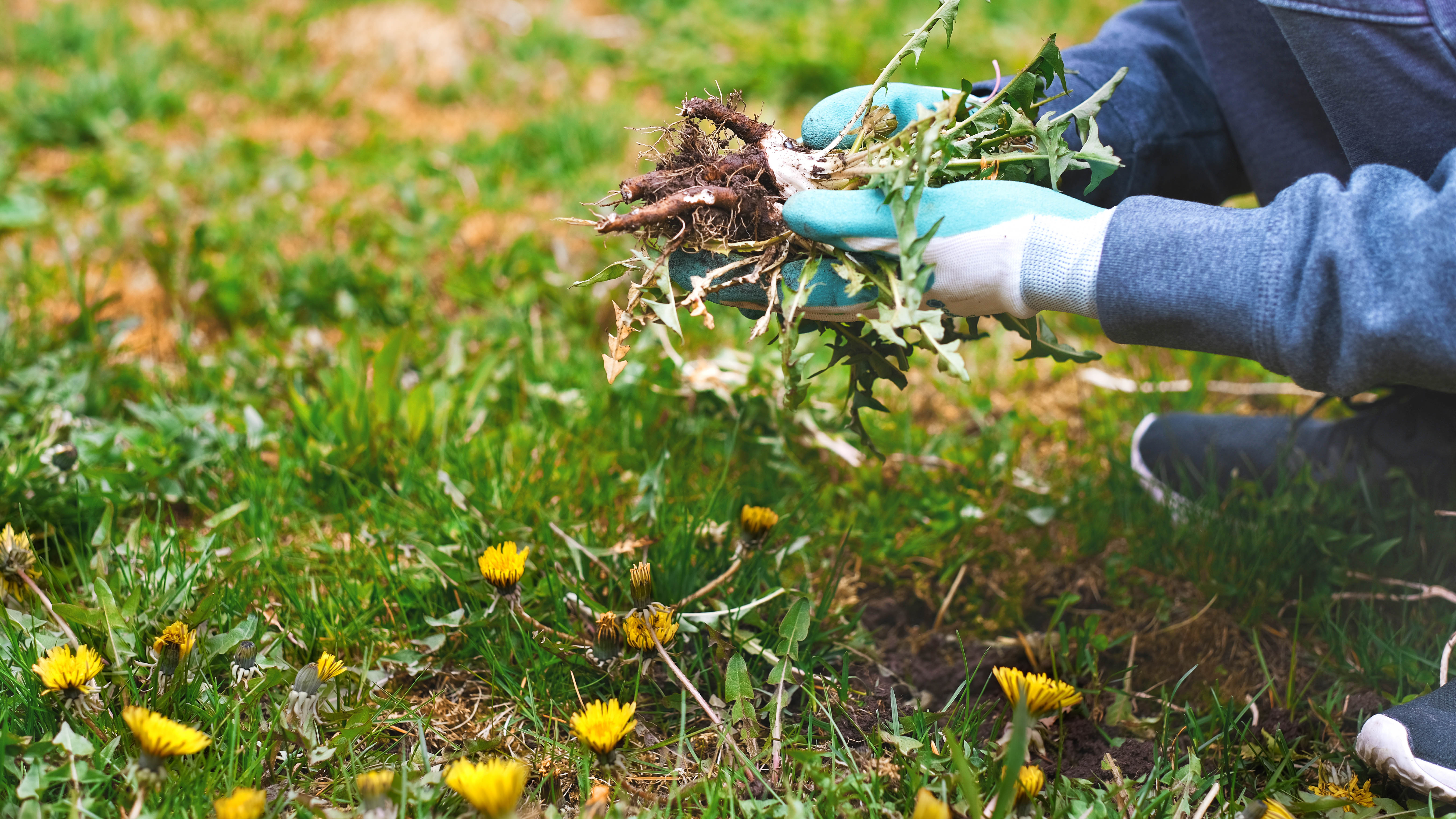

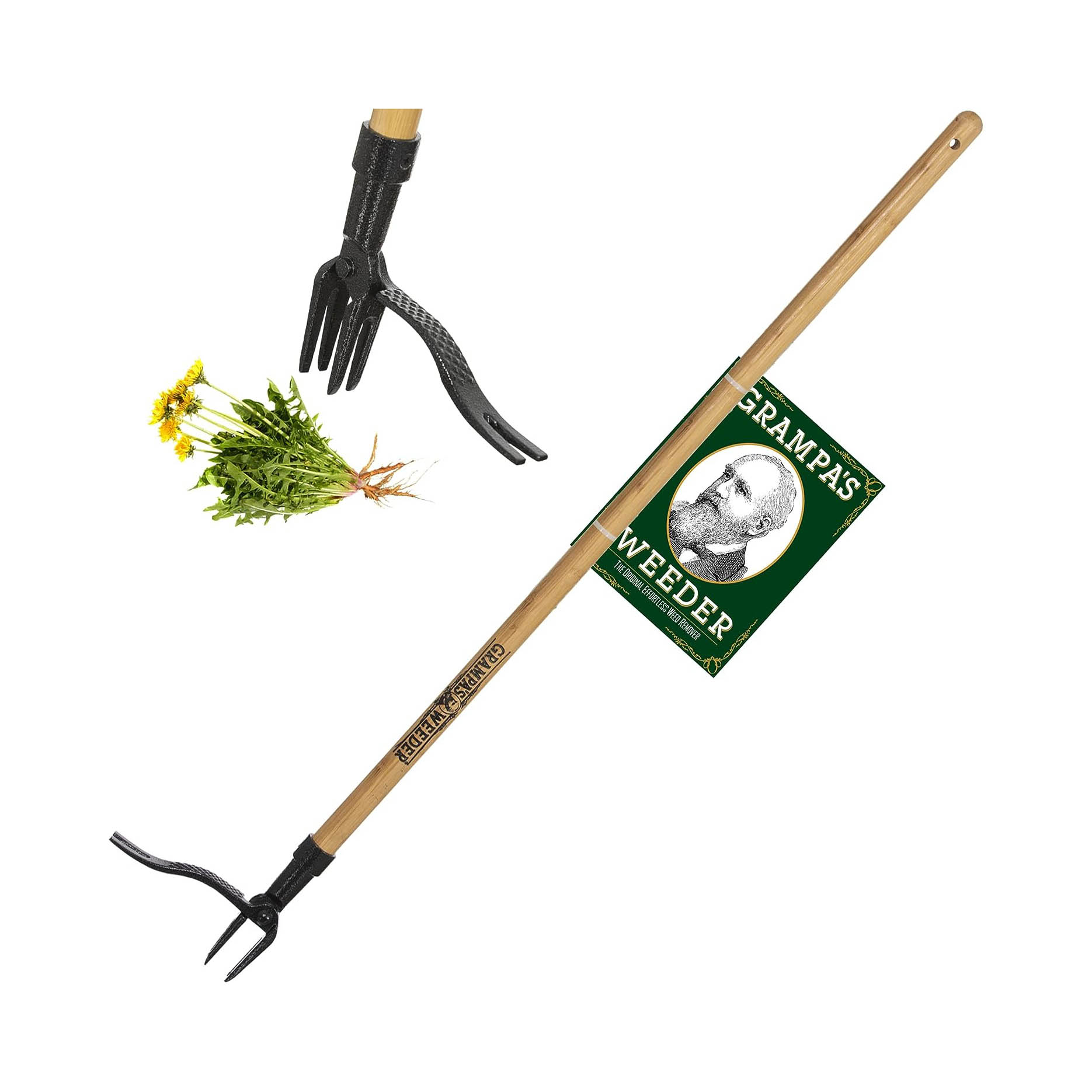
Improved growing conditions for your favorite plants are, unfortunately, also an improvement for your least favorite, weeds. Weeds begin to grow quickly in April, so it’s important to act early before they get out of hand. While this is no gardener’s preferred activity, dealing with them early will save you time later in the season as young weeds are much easier to remove than established ones.
Pulling them before they mature and set seed also prevents them from spreading throughout your garden. If you need a final incentive, regular weeding also reduces competition for water, light, and nutrients, giving your plants a better chance to thrive.
It’s important to be comprehensive but deft, since you don’t want to cause damage to any nearby plants. Use a hand fork or hoe to remove weeds from beds and borders, making sure to pull out the roots. Applying a layer of mulch afterward can help suppress further weed growth.
4. Prune spring-flowering shrubs (after blooming)


Once early spring shrubs finish flowering, it’s time to prune them to keep them healthy and well-shaped. In many regions, this will occur in late April. These early-blooming plants typically flower on growth from the previous year, so pruning immediately after blooming gives them time to produce the new shoots that will carry next year’s flowers. Leaving pruning too late can reduce future blooms, so it’s definitely not a task to put off.
For best results, use clean and sharp shears that will make clear cuts and minimize damage. Remove spent flowers and trim back overgrown or unruly branches to maintain a neat shape.
You can also thin out crowded growth to improve airflow and encourage stronger development, but be careful not to overprune as this can put the plant into stress.
5. Feed plants and lawns
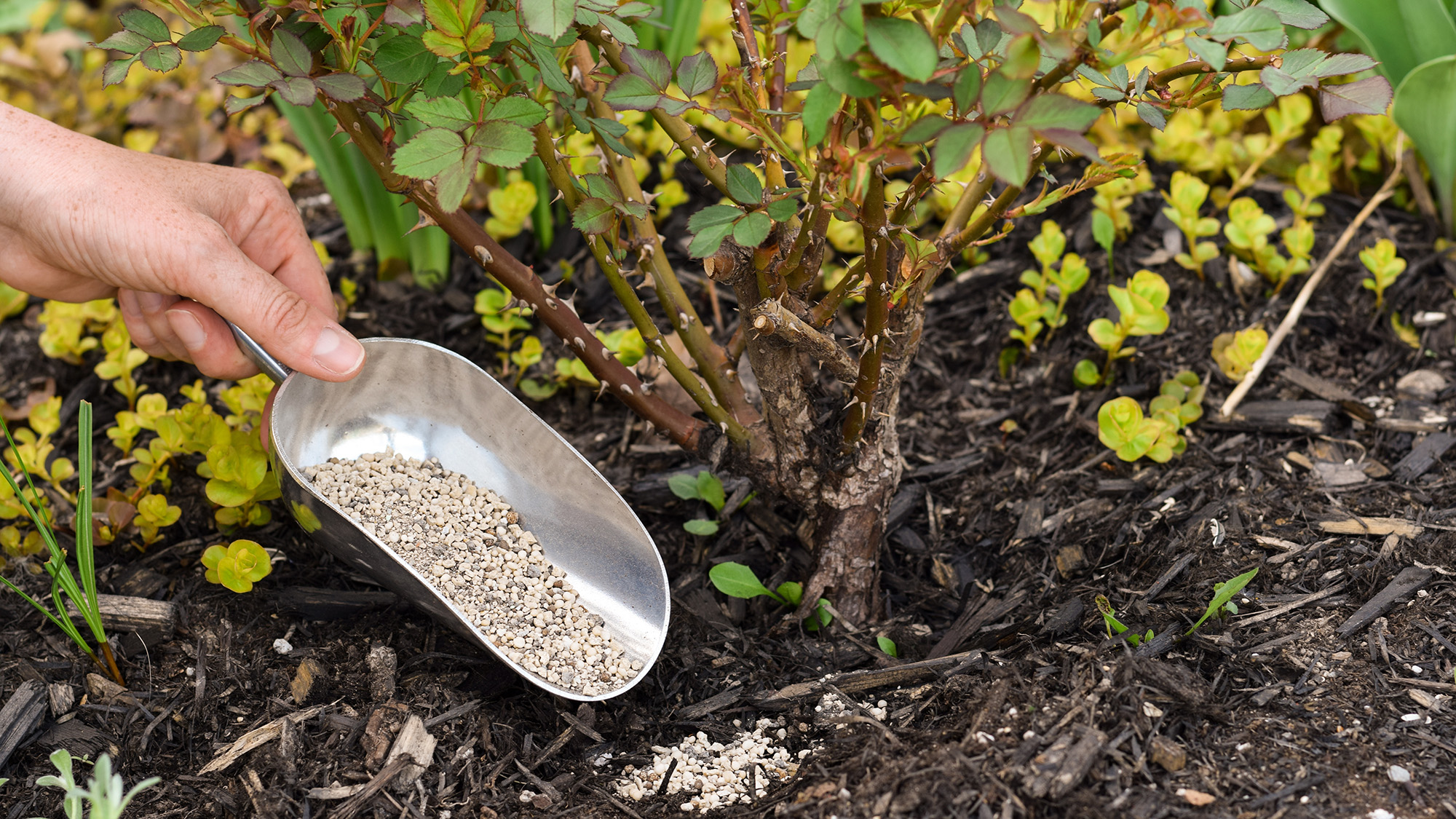

As growth speeds up, plants and lawns need more nutrients to support healthy development. While this is true throughout spring and summer, feeding in April specifically also helps to replenish nutrients lost over winter and gives plants the boost they need for strong early growth. Lawns, in particular, benefit from a spring feed to encourage lush, green grass.
Use a balanced fertilizer for borders and a lawn-specific feed for grass. Apply according to the instructions and then water well to help nutrients reach the roots.
6. Plant summer-flowering bulbs
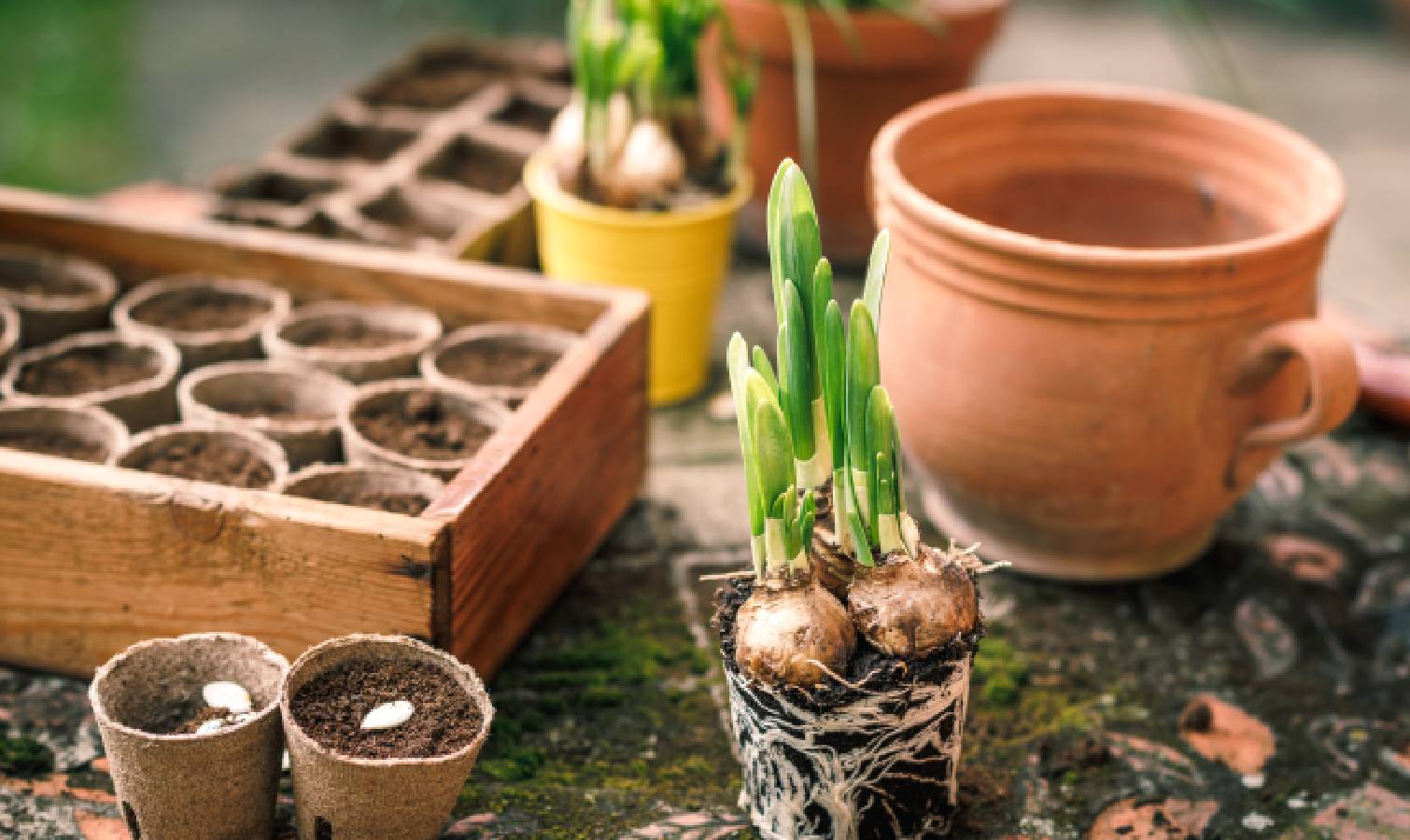

Not all chores this month are for maintenance – April is also the ideal time to plant bulbs that will flower later in summer. Planting now gives bulbs time to establish roots before the growing season really takes off, which leads to stronger plants and more reliable blooms when warmer weather arrives.
Choose a sunny spot with well-draining soil and make sure to plant bulbs at the recommended depth, which is typically two to three times the height of the bulb. Water after planting to help settle the soil.
7. Harden off indoor seedlings
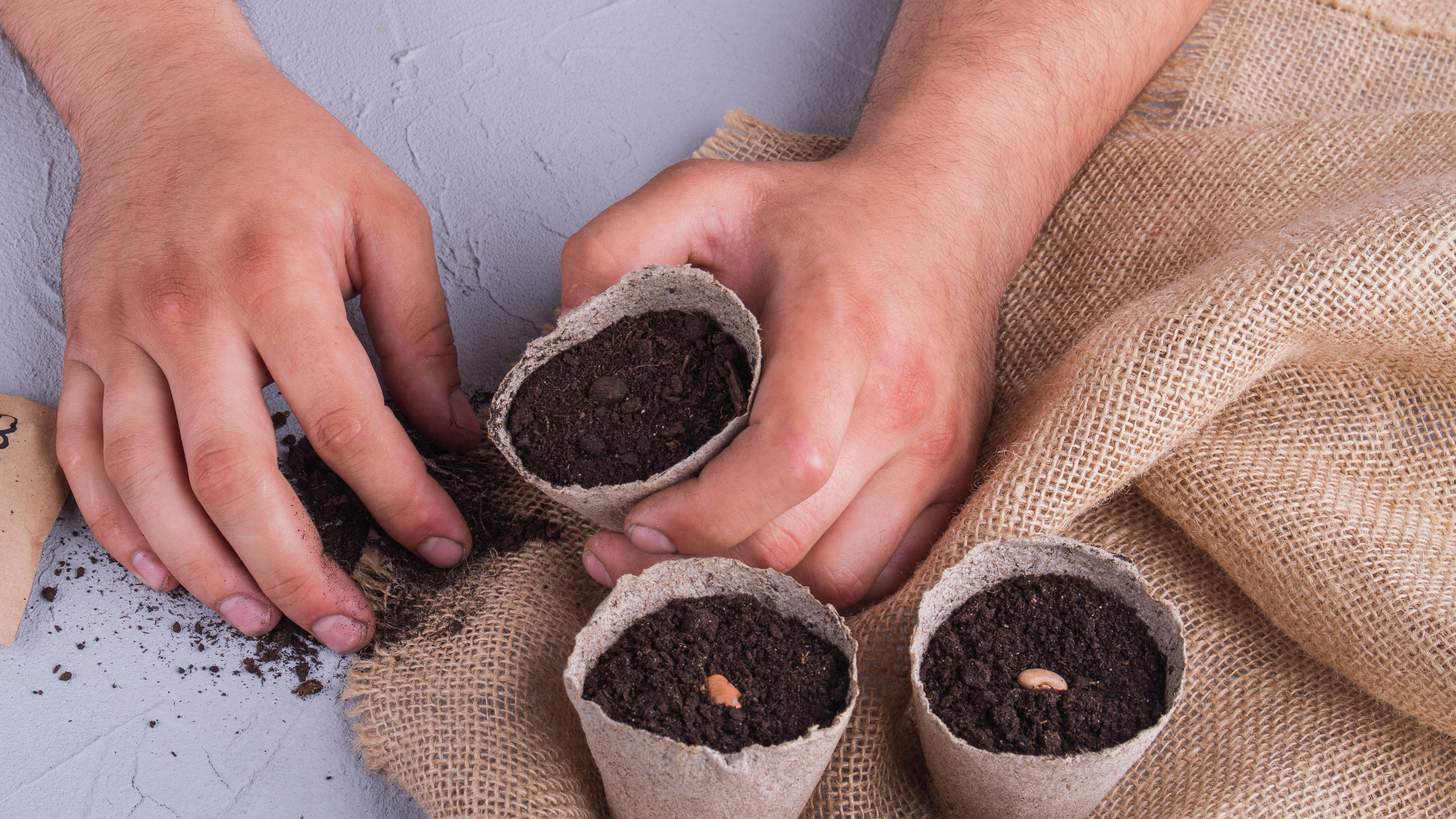

If you’ve started seeds indoors, April is when you should begin preparing them for life outside. Seedlings grown indoors need time to adjust to outdoor conditions, which often feature cooler temperatures, as well as wind and direct sunlight. Hardening them off gradually helps prevent shock and reduces the risk of damage, so that they can thrive when relocated into their new home in the garden.
Start by placing seedlings outside in a sheltered spot for a few hours each day, bringing them back inside at night. Gradually increase the time they spend outdoors over one to two weeks before planting them out permanently.
Gardening essentials we love
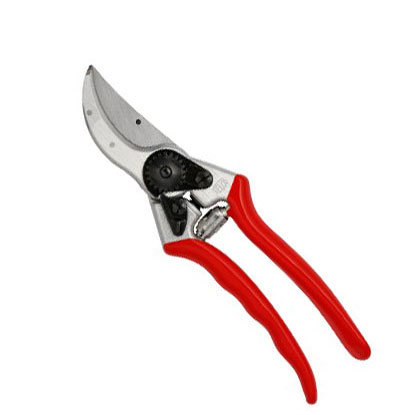



Amazing Stuff
Garden Gloves
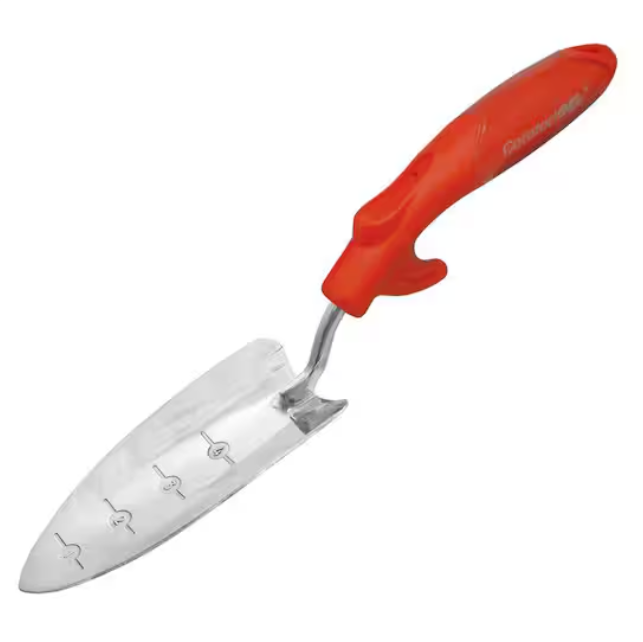

Corona
ComfortGEL 6.5 inch Stainless Steel Hand Trowel:



Follow Digitpatrox on Google News and add us as a preferred source to get our up-to-date news, analysis, and reviews in your feeds.
More from Digitpatrox
Source link
-

-

-

-

-