

Osmania University researchers secure patent for marine-derived anti-hypertensive peptide
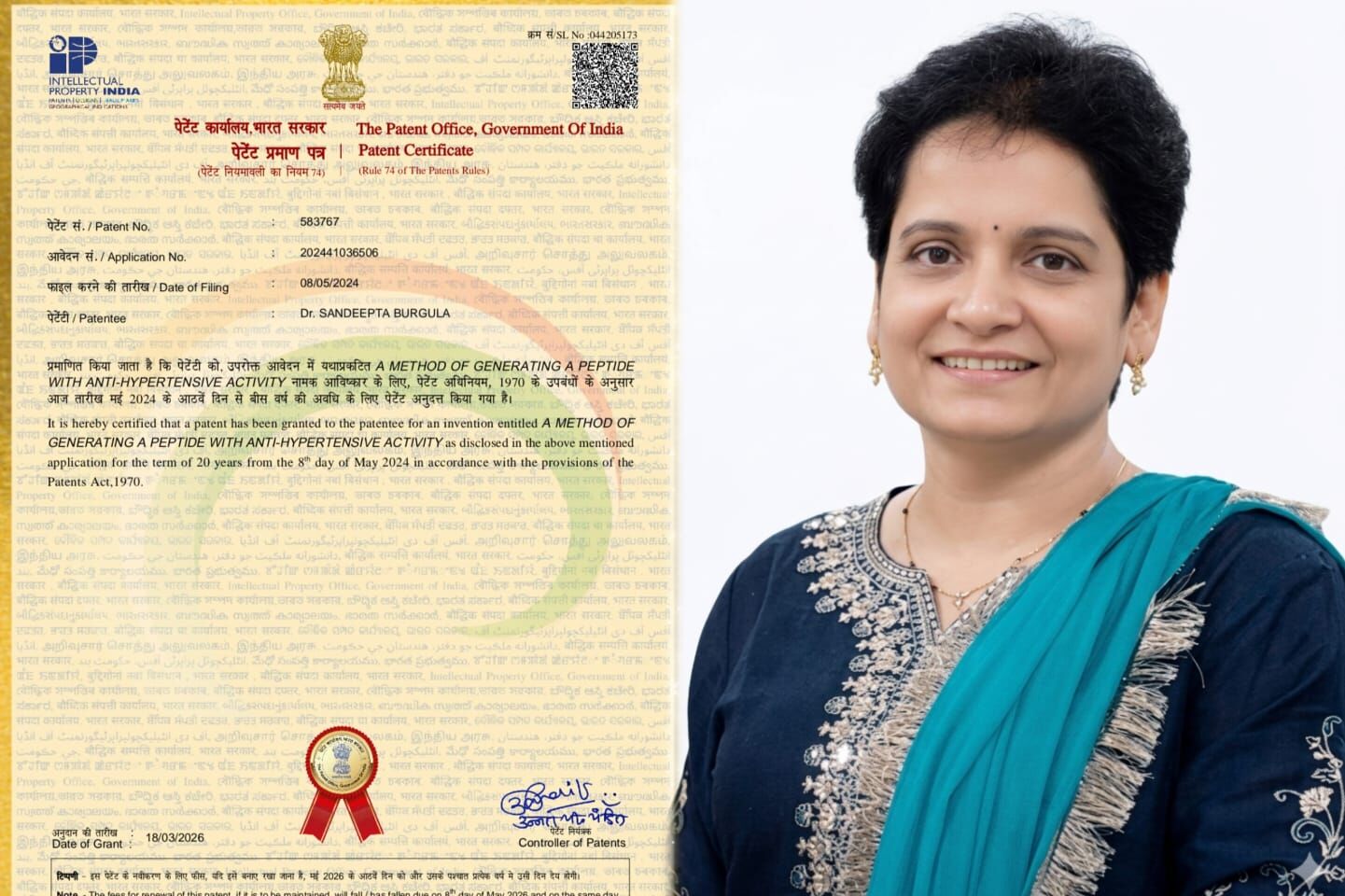
Hyderabad: Researchers at Osmania University (OU) have been granted an Indian patent for a novel anti-hypertensive peptide derived from anchovies. This breakthrough offers a promising, safer alternative to synthetic drugs for managing high blood pressure, a leading driver of cardiovascular disease worldwide.
The patent was awarded this month to a research team led by Prof. Sandeepta Burgula from OU’s Department of Microbiology. The team includes PhD scholar Usharani Keshapaga, Dr. Gulam Hussain (National Research Institute of Unani Medicine for Skin Disorders), and Dr. Raghu Gogada (NIPER, Hyderabad).
A Natural Answer to a Global Crisis
For over twenty years, heart disease has remained the primary cause of mortality globally. Hypertension is the most critical risk factor in this crisis, yet many patients struggle with the side effects of conventional pharmaceutical interventions.
“Due to the various side effects associated with current anti-hypertensive drugs, it is vital to pursue safer, natural alternatives,” the research team noted.
The team’s discovery centers on a specific peptide extracted from anchovies. In rigorous testing, this bioactive compound demonstrated:
High Efficacy: The peptide showed “on-par” activity when compared to standard generic anti-hypertensive medications.
Proven Results: The treatment successfully lowered blood pressure levels in hypertensive rat models during the experimental phase.
From Lab to Life-Saving Medicine
The granting of this Indian patent marks a milestone for Osmania University’s research ecosystem. By utilizing a marine source, the team has tapped into a sustainable biological resource that could eventually be developed into a nutraceutical or a specialized pharmaceutical product.
What’s Next?
With the patent secured, Prof. Burgula and her team are now looking toward the future. The group aims to transition the research into the preclinical stage shortly. This phase will be crucial for determining the peptide’s safety and metabolic profile before it moves toward human clinical trials.
This achievement underscores Osmania University’s growing ecosystem for collaborative research with other premier institutes.
Source link
