
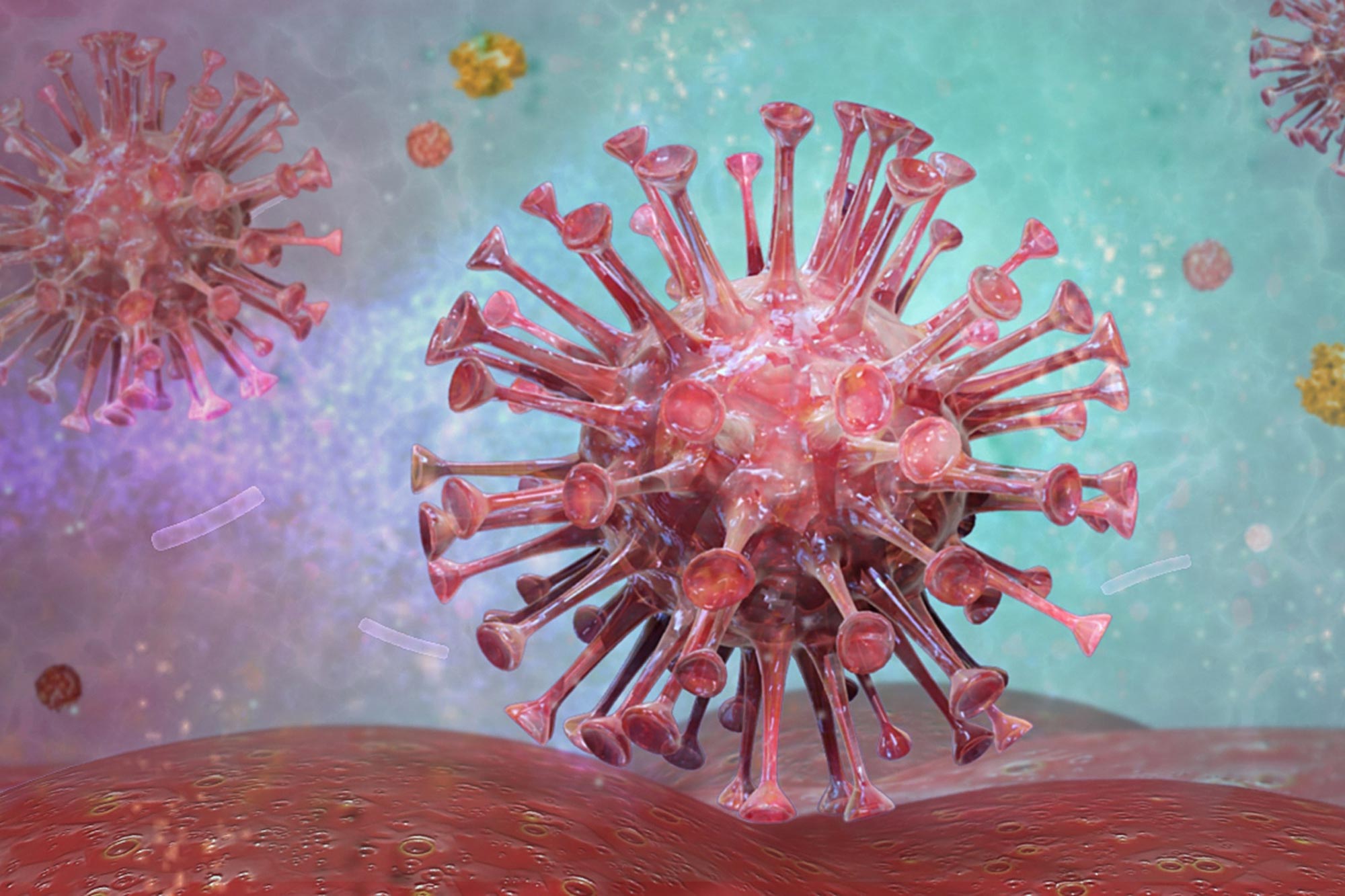
Researchers found that certain immune cells, genes, and the drug metformin may help keep HIV dormant after treatment stops, offering new paths toward long-term control.
For millions of people living with HIV, taking daily medication is essential for life. If treatment stops, the virus typically returns within weeks.
However, some rare individuals can control the virus for months or even years after stopping therapy, a phenomenon that has puzzled scientists.
“Strikingly, a small number of people rebound much more slowly and take multiple months or even longer to rebound,” says Nadia Roan, PhD, senior investigator at Gladstone Institutes.

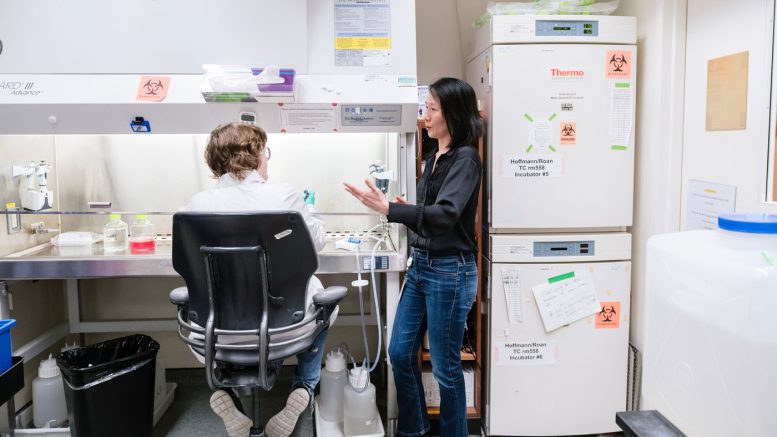
New Clues to Long-Term HIV Control
In research published in Immunity, Roan and her colleagues offer new insights into this effect and highlight possible ways to maintain long-term health without ongoing antiretroviral therapy.
One key discovery is that two genes inside infected cells act like protective locks that keep HIV inactive. The team also found that metformin, a widely used diabetes drug, can activate one of these mechanisms to help maintain the virus in a dormant state.
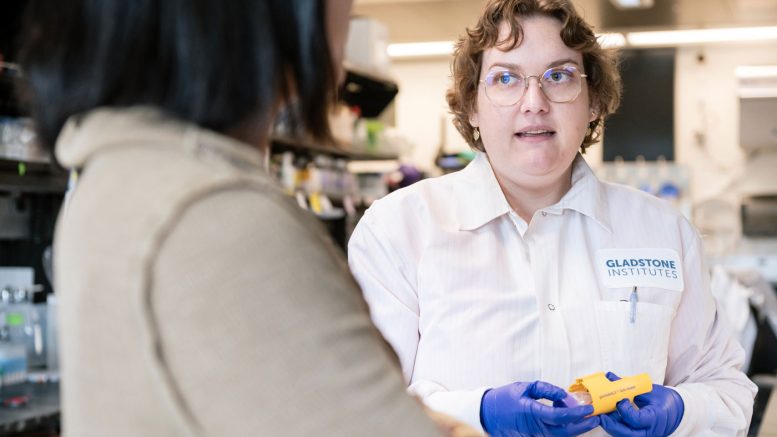
“Our data suggest metformin might be able to delay, or possibly even prevent HIV rebound in some individuals, which is exciting because it’s a very safe and affordable drug,” says Roan, senior author on the study. “We are now very interested in pushing forward with preclinical and eventually clinical studies to directly test these potential benefits.”
Hidden HIV Reservoirs and Rebound Risk
Although antiretroviral therapy can suppress HIV, it does not eliminate it. The virus remains hidden in “reservoir” immune cells that contain its genetic material. If treatment is interrupted, these reservoirs can produce active virus again, leading to renewed symptoms and potentially acquired immunodeficiency syndrome (AIDS).
To better understand how some individuals keep the virus under control, the researchers examined people who maintained suppression after stopping treatment.
They analyzed four clinical trials in which participants paused therapy under close medical supervision, often as part of efforts to test potential HIV cures.
Immune Cell Analysis Reveals Key Patterns
The team studied blood samples from 75 participants collected just before treatment stopped, measuring gene and protein activity across different immune cell types to identify patterns linked to delayed viral rebound.
Their analysis revealed several important findings. In two trials, individuals with higher levels of stem cell memory CD8+ T cells experienced slower viral return. The two participants with the longest delays, more than 22 weeks and over 33 weeks, had the highest levels of these cells.
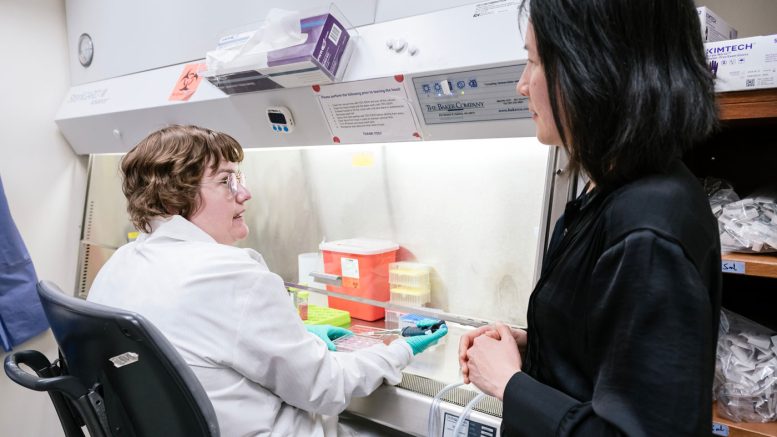
“These CD8+ T cells appear to have ‘stem-like’ features and might be able to stick around to continue replenishing themselves for prolonged periods of time, which may help them contribute to long periods of ART-free HIV control,” Roan says.
Role of Natural Killer Cells in HIV Control
In another trial, people with an unusual form of natural killer cells also showed delayed rebound compared to those with the typical type. While these cells are known for destroying infected cells, they can also influence how other immune cells function, which may affect how quickly HIV returns.
“Altogether, our findings suggest there’s probably not just one solution for suppressing HIV,” says Ashley George, PhD, research scientist at Gladstone and co-first author on the study. “By leveraging different features of immune cells that can help fight infection, we likely have multiple opportunities to control HIV without the need for ART.”
The researchers also identified important changes in CD4+ T cells, the main type of cell that serves as an HIV reservoir.
Genes That Help Keep HIV Dormant
Higher levels of two genes, DDIT4 and ZNF254, were linked to longer delays before the virus rebounded. Laboratory experiments confirmed that both genes can suppress HIV activity.
“Both genes represent possible new targets for a promising ‘block and lock’ strategy for curing HIV, in which drugs would first be used to block HIV activation, followed by ways to make this block permanent,” George says.
This strategy is central to the work of the HIV Obstruction by Programmed Epigenetics (HOPE) Collaboratory, a research group focused on finding a cure.
Further analysis of existing data supported these findings. Individuals with higher levels of the two genes showed reduced viral activity, and “elite controllers,” people who naturally suppress HIV without treatment, had especially high levels of ZNF254 in their CD4+ T cells.
“One possibility we’re imagining for the future is that we could somehow deliver ZNF254 to infected cells in order to turn people into elite controllers,” George says. “We could also try to engineer an even stronger version of this gene.”
Among all the findings, the link between DDIT4 and delayed viral return may have the most immediate clinical relevance. Levels of this gene can be increased by metformin, something previously observed in other cell types and now confirmed in T cells by this study.
Metformin’s Potential to Suppress HIV
This led researchers to test whether metformin could directly suppress HIV. In one experiment, the drug prevented the virus from reactivating in cells taken from people with HIV, suggesting it could support the “block and lock” approach.
The team plans to continue testing metformin and similar compounds in pre-clinical models to see if they can stop HIV from re-emerging when treatment is paused.
Drugs that keep HIV inactive could also benefit people who remain on therapy by reducing exposure to viral gene products that contribute to chronic inflammation.
“We are excited to pursue HIV silencing strategies both as a way to achieve block and lock, but also as a strategy to improve the overall health of people with HIV by lessening chronic inflammation,” Roan says.
Reference: “Multiomic analysis of ART-interruption cohorts identifies cell-extrinsic and -intrinsic mechanisms driving lymphocyte-mediated control of HIV rebound” by Tongcui Ma, Ashley F. George, Zichong Li, Reuben Thomas, Kailin Yin, Min-Gyoung Shin, Mauricio Montano, Yusuke Matsui, Manickam Ashokkumar, Kyrlia Young, Julia Prigann, Julie Frouard, Sabrina Leddy, Maisha Adiba, Christina Herrde, Ulrike C. Lange, Cedric Feschotte, Douglas F. Nixon, Edward P. Browne, Nancie M. Archin, Jonathan Z. Li, Davey Smith, Steven Deeks, Ole S. Søgaard, Martin Tolstrup, Sulggi Lee, Satish K. Pillai, Mohamed Abdel-Mohsen, Katherine S. Pollard, Robert Siliciano, Melanie Ott, Warner C. Greene and Nadia R. Roan, 20 March 2026, Immunity.
DOI: 10.1016/j.immuni.2026.01.029
The work was supported by the James B. Pendleton Charitable Trust, the National Institutes of Health (R01-AI183286, R01-DK131526, R01-AI147777, R01-AG092241, P01-AI169606, P01-AI131374, P01-AI169768, R21-AI172060, UM1-AI164559, UM1-AI164567, UM1-AI068636, UM1-AI068634, UM1-AI106701, S10-RR028962, P30-AI027763, P30-DK063720, and S10-OD018040), and the Gates Foundation (NV-033977).
Never miss a breakthrough: Join the SciTechDaily newsletter.
Follow us on Google and Google News.
Source link
-

-

-
-

-


