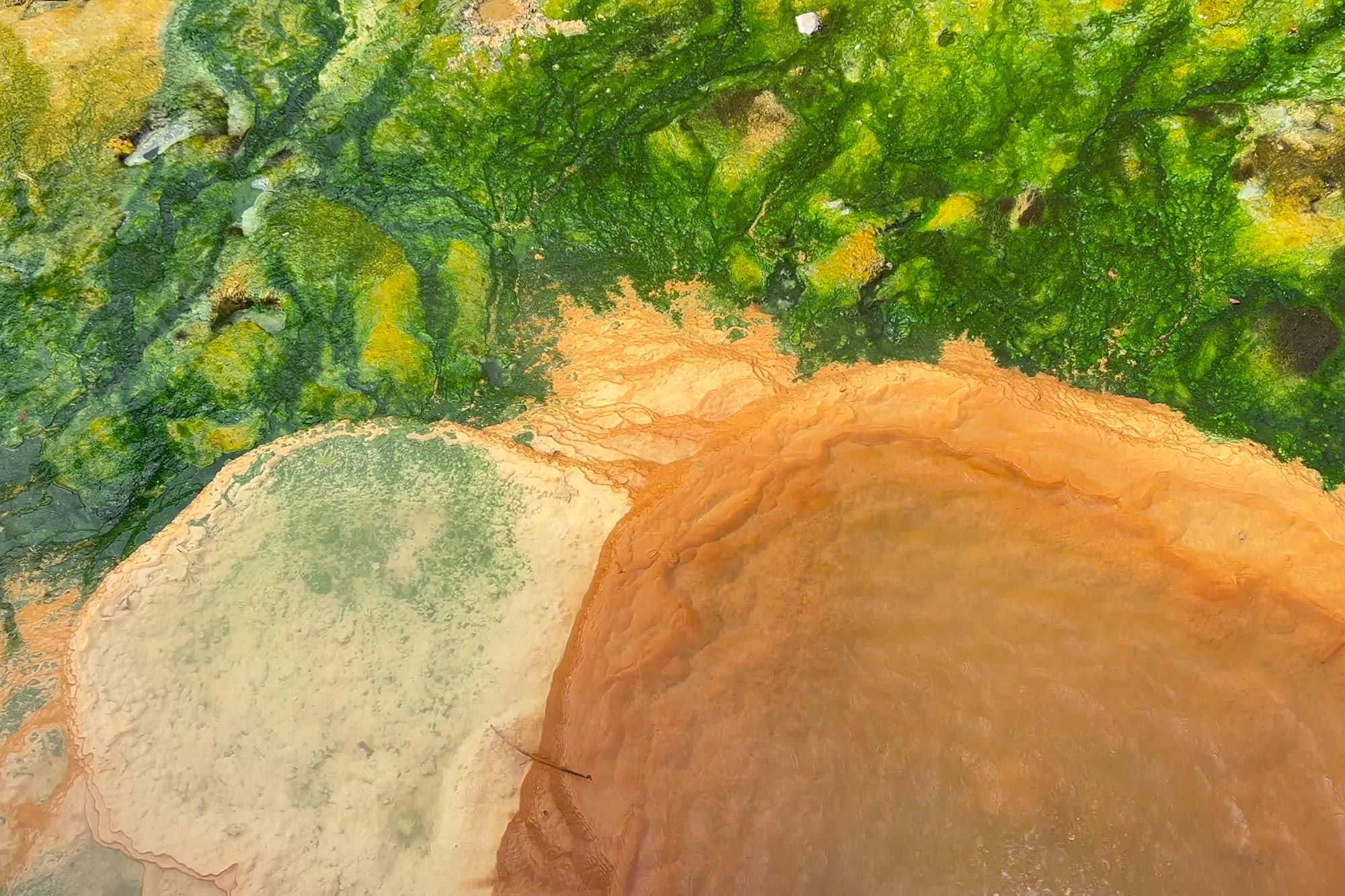
Iron-fueled microbes helped life survive Earth’s toxic, oxygen-free beginnings.
Our planet did not always resemble the blue and green world we know today. In its distant past, atmospheric oxygen levels were roughly a million times lower than they are now. There were no forests, no animals, and none of the familiar life forms that depend on oxygen to survive. In fact, for early organisms, oxygen was poisonous.
So what did life look like in that hostile environment? A recent study led by Fatima Li-Hau (graduate student at ELSI at the time of the research) and supervised by Associate Professor Shawn McGlynn (at the time of research) at the Earth-Life Science Institute (ELSI), Institute of Science Tokyo, Japan, set out to investigate this question. The team turned to iron-rich hot springs that resemble the chemistry of ancient oceans during one of Earth’s most dramatic transitions: the rise of atmospheric oxygen.
Their results suggest that early microbial communities gained energy by combining iron with small amounts of oxygen produced by photosynthetic microbes. This points to a transitional ecosystem in which life repurposed what had once been a harmful byproduct into a new energy source, before photosynthesis became widespread and dominant.

The Great Oxygenation Event and Atmospheric Change
Around 2.3 billion years ago, the Great Oxygenation Event (GOE) marked a major turning point in Earth’s history. The increase in atmospheric oxygen was likely driven by green Cyanobacteria that used sunlight to split water molecules and convert carbon dioxide into oxygen through photosynthesis.
Today, Earth’s atmosphere consists of roughly 78 percent nitrogen and 21 percent oxygen, with only small amounts of gases such as methane and carbon dioxide, which likely played a larger role before oxygen became abundant. The GOE permanently altered the trajectory of life. Oxygen made complex life possible, including animals that rely on it to breathe. However, it also posed a serious challenge to earlier life forms that had evolved in an oxygen-poor world and had little exposure to the O2 molecule. How these ancient microbes managed to survive the spread of oxygen remains a central scientific question.
Iron-Rich Hot Springs as Ancient Ocean Analogues
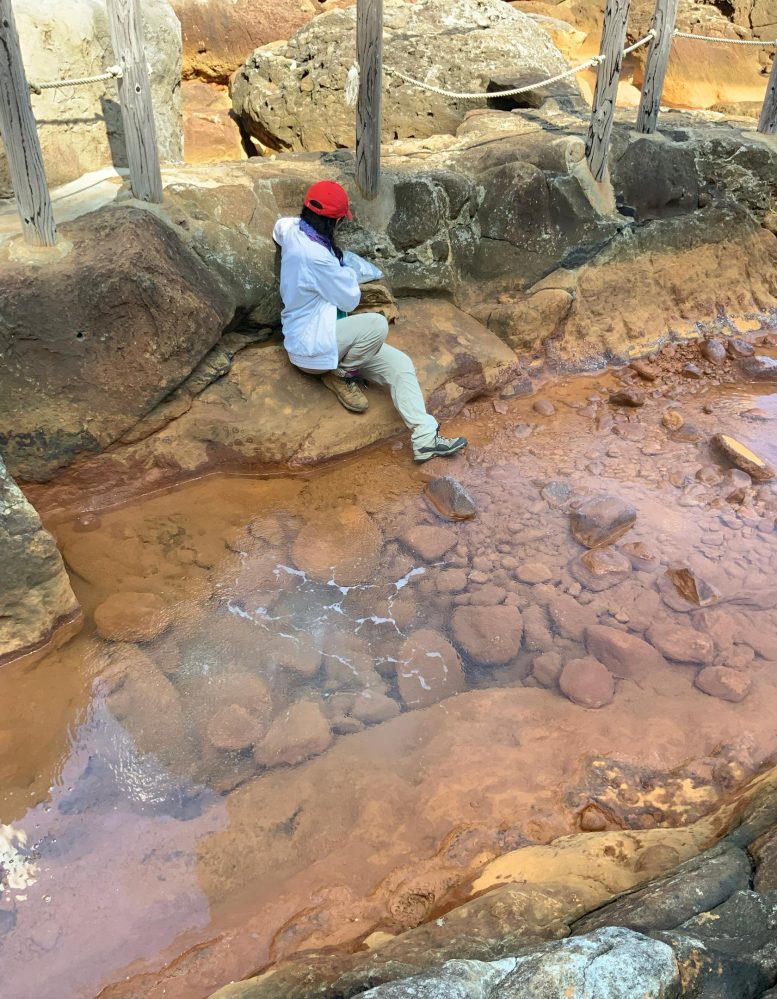
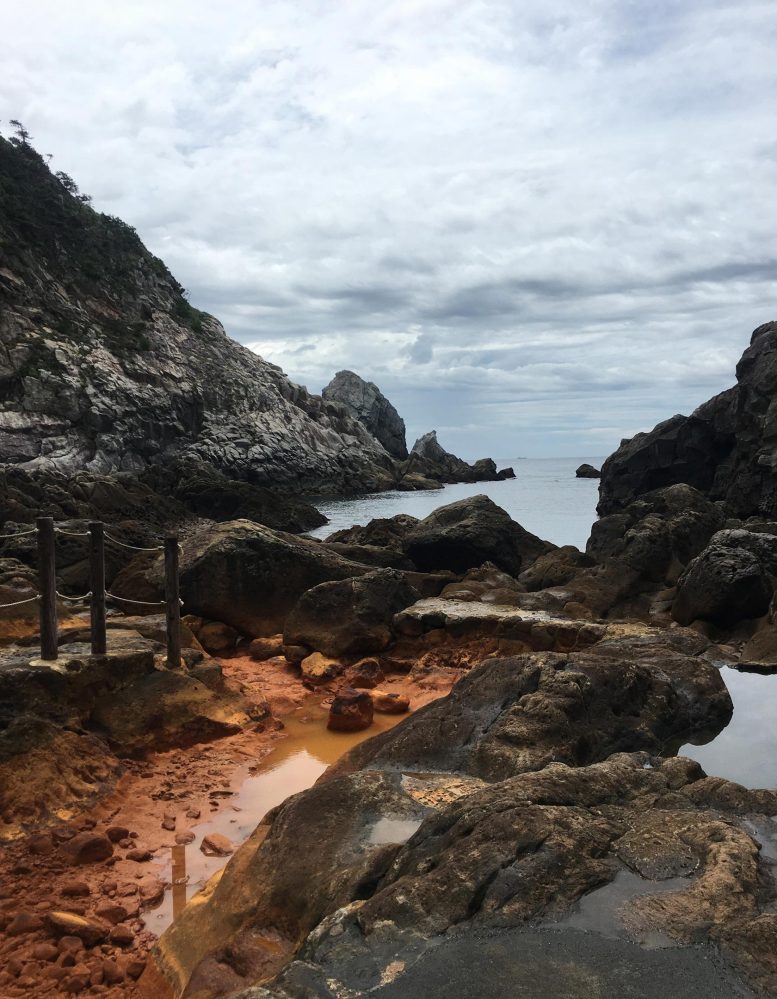
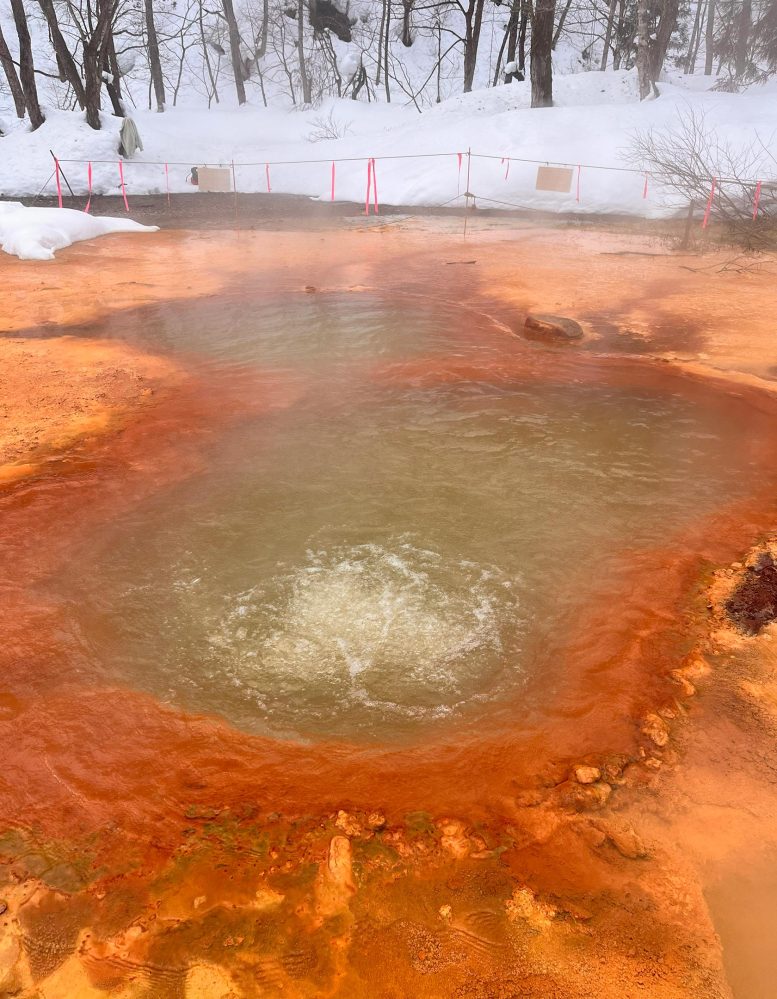
To explore how microbes adapted, the researchers examined five Japanese hot springs with distinct chemical properties. These sites included one in Tokyo and two each in Akita and Aomori prefectures. All are naturally rich in ferrous iron (Fe2+), a dissolved form of iron that was once common in early oceans.
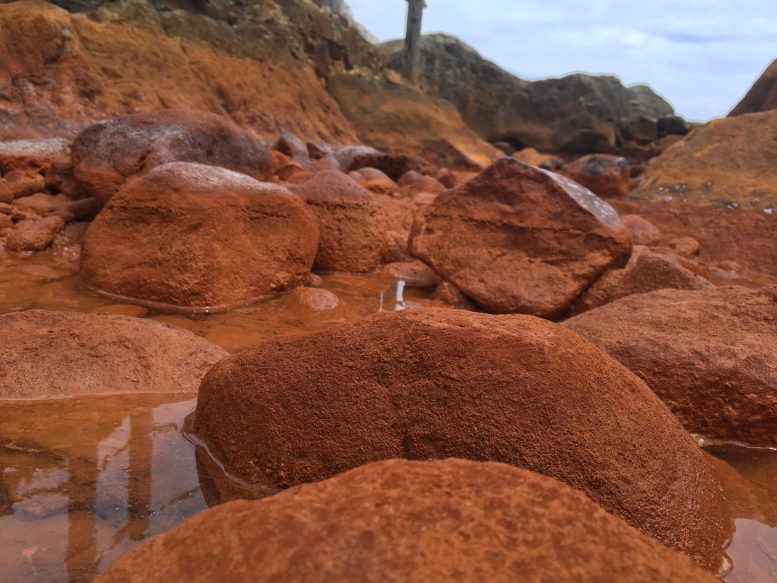
Such springs are rare today because in oxygen-rich conditions, ferrous iron reacts quickly with oxygen and transforms into ferric iron (Fe3+), which is insoluble. Yet in these particular springs, the water still contains abundant ferrous iron, limited oxygen, and near-neutral pH levels. These conditions are thought to resemble parts of the early Earth’s oceans.
“These iron-rich hot springs provide a unique natural laboratory to study microbial metabolism under early Earth-like conditions during the late Archean to early Proterozoic transition, marked by the Great Oxidation Event. They help us understand how primitive microbial ecosystems may have been structured before the rise of plants, animals, or significant atmospheric oxygen,” says Shawn McGlynn, who supervised Li-Hau during her dissertation work.

Iron-Oxidizing Bacteria and Microbial Survival
In four of the five springs, microaerophilic iron-oxidising bacteria were the dominant organisms. These microbes thrive in environments with very little oxygen and obtain energy by converting ferrous iron into ferric iron. Cyanobacteria, which generate oxygen through photosynthesis, were also present, though in smaller numbers.
One spring in Akita stood out. There, microbes relying on non-iron-based metabolisms were more common, showing that not all sites followed the same pattern.
Metagenomics Reveals Hidden Biogeochemical Cycles
Using metagenomic techniques, the researchers reconstructed more than 200 high-quality microbial genomes to better understand how these communities function. They discovered that microbes linking iron and oxygen metabolism were able to turn a toxic compound into an energy source while maintaining conditions that allowed oxygen-sensitive anaerobes to survive.
These microbial communities also supported essential processes such as carbon and nitrogen cycling. In addition, the team detected genetic evidence of a partial sulfur cycle, including genes involved in sulfide oxidation and sulfate assimilation. This finding was unexpected because the springs contain very little sulfur. The researchers suggest this could reflect a “cryptic” sulfur cycle, in which microbes recycle sulfur through complex pathways that are not yet fully understood.
“Despite differences in geochemistry and microbial composition across sites, our results show that in the presence of ferrous iron and limited oxygen, communities of microaerophilic iron oxidisers, oxygenic phototrophs, and anaerobes consistently coexist and sustain remarkably similar and complete biogeochemical cycles,” says Li-Hau.
Rethinking Early Earth Ecosystems
The findings challenge and refine current ideas about early ecosystems. They suggest that primitive microbes may have relied on both iron oxidation and small amounts of oxygen produced by early phototrophs to power their metabolism.
The study proposes that early Earth, much like these modern hot springs, likely supported diverse microbial communities. Iron-oxidising bacteria, anaerobes, and Cyanobacteria may have lived together, influencing local oxygen levels and shaping emerging ecosystems.
“This paper expands our understanding of microbial ecosystem function during a crucial period in Earth’s history, the transition from an anoxic, iron-rich ocean to an oxygenated biosphere at the onset of the GOE. By understanding modern analogue environments, we provide a detailed view of metabolic potentials and community composition relevant to early Earth’s conditions,” says Li-Hau.
Together, these discoveries enhance our understanding of how life evolved during one of Earth’s most transformative periods. They also provide valuable insights for scientists searching for life on other planets with chemical environments similar to early Earth.
Reference: “Metabolic Potential and Microbial Diversity of Late Archean to Early Proterozoic Ocean Analog Hot Springs of Japan” by Fatima Li-Hau, Mayuko Nakagawa, Takeshi Kakegawa, L.M. Ward, Yuichiro Ueno and Shawn Erin McGlynn, 23 July 2025, Microbes and Environments.
DOI: 10.1264/jsme2.ME24067
Never miss a breakthrough: Join the SciTechDaily newsletter.
Follow us on Google and Google News.
Source link
-

-

-

-
-