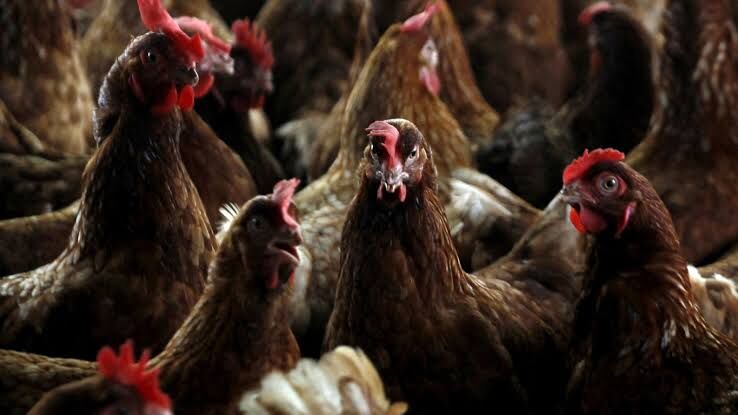
Hyderabad: Health surveillance has been intensified after cases of avian influenza, commonly known as bird flu, were reported from parts of Andhra Pradesh.
Animal health teams have activated containment protocols in affected zones, including flock culling, farm disinfection, and movement controls on birds and poultry products.
Officials say the immediate risk to the general public remains low, but awareness and precaution are necessary, especially for those in close contact with poultry.
Medical experts clarify that bird flu is primarily a disease of birds, but certain strains can infect humans through direct exposure.
Here is a detailed explainer on how the virus spreads, when to seek medical care, and whether people should avoid eating chicken and eggs.
What Is Bird Flu and How Does It Spread
Bird flu is caused by influenza A viruses that naturally circulate among wild birds and can spread to domestic poultry. Some strains lead to severe outbreaks in farms, resulting in high bird mortality.
The virus spreads among birds through:
• Saliva and nasal secretions
• Bird droppings
• Contaminated feed and water
• Shared cages and transport equipment
• Contact between farmed and migratory birds
Human infection happens rarely and usually requires close, repeated exposure to infected birds or contaminated farm environments.
“Avian influenza is not easily transmitted from birds to humans under normal circumstances. Most documented human infections globally have involved prolonged, unprotected exposure to infected poultry or heavily contaminated farm settings,” explains Dr. Raghuveer Menon, infectious disease consultant.
Current Public Health Response Measures
Standard outbreak response steps typically include:
• Culling of infected and exposed poultry
• Creation of surveillance and buffer zones
• Restrictions on poultry movement
• Farm sanitation drives
• Monitoring of exposed workers
• Sample testing from surrounding areas
Authorities also track respiratory illness among farm workers and culling teams as a precaution.
Dr. Niharika Rao, public health surveillance specialist, says, “Rapid containment at the animal level is the most effective way to prevent spillover risk. Farm biosecurity and early reporting are critical control tools.”
Should People Stop Eating Chicken?
Doctors and food safety experts say there is no need to stop eating chicken or eggs if they are properly cooked.
The avian influenza virus is heat-sensitive and is destroyed at standard cooking temperatures.
“There is no evidence that people get bird flu from eating well-cooked poultry. The risk comes from handling infected live birds or raw contaminated material, not from properly prepared food,” Dr. Menon says.
Safe Poultry Handling and Cooking Practices
Consumers are advised to follow strict kitchen hygiene:
• Cook chicken fully until the internal temperature reaches at least 75°C
• Avoid partially cooked or smoked poultry during outbreak alerts
• Eat only hard-boiled or fully cooked eggs
• Do not wash raw chicken in sinks used for other foods
• Use separate cutting boards for meat and vegetables
• Wash hands with soap after handling raw poultry
• Clean knives and surfaces immediately after use
“Cross-contamination in kitchens is a bigger risk than the virus surviving cooking. Clean handling practices matter as much as heat,” says Dr. Neha Reddy, clinical microbiologist.
Who Faces Higher Exposure Risk
Experts identify certain groups as higher risk due to occupational exposure:
• Poultry farm workers
• Bird transport handlers
• Slaughterhouse staff
• Veterinarians
• Culling teams
• Workers in live bird markets
People living near outbreak farms may also face environmental exposure if biosecurity is weak.
“Protective gear, masks, gloves, and hand hygiene significantly reduce risk for frontline poultry workers. Most infections occur where protection is ignored,” said Dr. Menon
Symptoms of Bird Flu in Humans
Human bird flu symptoms often resemble seasonal influenza but may include additional features. Symptoms usually appear within 2 to 7 days after exposure.
Common Symptoms
• Fever
• Dry cough
• Sore throat
• Body pain
• Fatigue
• Headache
Additional Possible Symptoms
• Eye redness or irritation
• Nausea or vomiting
• Loose motions
• Nasal congestion
Severe Warning Signs
• Breathlessness
• Chest tightness
• Persistent high fever
• Severe weakness
• Confusion
• Reduced oxygen levels
Dr. Reddy explains, “The red flag is respiratory distress following poultry exposure. If flu-like illness is paired with recent contact with sick birds, evaluation should not be delayed.”
How Doctors Diagnose Bird Flu
Diagnosis requires laboratory testing because symptoms overlap with regular flu and other viral infections.
Doctors assess:
• Recent exposure to birds or farms
• Travel or residence in outbreak zones
• Respiratory symptoms
• Fever pattern
Testing may include:
• Nasal and throat swabs
• PCR virus detection tests
• Blood markers in severe cases
Early testing allows quicker treatment decisions and isolation if needed.
Treatment Approach
Antiviral medicines may be used in suspected or confirmed cases, especially when started early. Supportive treatment includes fever control, hydration, and respiratory support when required.
“Antiviral therapy works best when started early in the course of illness. That is why exposure history is important, it helps doctors decide quickly,” says Dr. Reddy
Self-medication with leftover antivirals is discouraged.
When To Seek Medical Care
Consult a doctor urgently if you have:
• Flu symptoms plus poultry exposure
• Contact with sick or dead birds
• Visit to an outbreak farm area
• Breathing difficulty with fever
Wear a mask while visiting healthcare facilities if symptomatic.
What the Public Should Do Now
Experts recommend calm, informed precautions rather than panic.
“People should avoid handling dead birds, follow safe cooking practices, and report unusual bird deaths. Awareness is more useful than fear in these situations,” Dr Menon summarizes.
Source link
-
-

-

-

-