

Anxious about tomorrow? 7 expert-approved ways to stop worrying and actually fall asleep

Whenever I experience a bout of insomnia, more often than not it’s down to feeling worried about the next day. It can be incredibly hard to know how to sleep when my mind is racing with this anticipatory anxiety. But what is it and is there a way around this sleep stumbling block?
“Anticipatory anxiety is when we have anxiety about the next day, so we sleep poorly as we don’t feel safe and relaxed,” explains James Wilson, a sleep practitioner at Bensons for Beds. According to the sleep expert, embracing things that help me unwind can combat this gnawing worry I sometimes feel about the next day, which has a detrimental impact on my sleep.
Key takeaways: At a glance
- Anticipatory anxiety is the anxiety you feel when worried about the next day, and it can affect sleep due to stress releasing wake-inducing hormones such as cortisol.
- Whether it’s a job interview or the prospect of tackling a difficult task, comfort watching your favorite TV shows can help foster a feeling of safety and help you fall asleep.
- Listening to a relaxing podcast, re-reading a favorite book, making a to-do list and practicing mediation or deep breathing can help you unwind.
- Practice good sleep hygiene by avoiding overthinking about sleep, not consuming caffeine six hours before bedtime, and eating earlier in the evening.
How anticipatory anxiety affects my sleep
For as long as I can remember, I’ve had trouble sleeping whenever I was worried about the following day.
Whether I had an exam the next morning or a flight to catch, my insomnia always resurfaced when tomorrow’s schedule deviated from the norm.
Knowing that I had to wake up hours earlier than usual meant that I would stare at my clock and try to calculate how sleep I could get if I fell asleep right there and then.
Whenever I had a big day ahead that required a lot of energy and mental sharpness, I would convince myself that everything would fall apart if I didn’t get enough sleep — but scolding myself into sleeping only made my insomnia worse.
“Our bodies are coded to link stress and anxiety to not sleeping, and this goes back many years to when we as humans had predators,” explains Wilson.
The sleep practitioner said that stress-induced insomnia is an “inherent survival instinct” that has remained with us.
“Anticipatory anxiety is a sign of potential threat so we remain switched on,” the sleep practitioner explains.
How to sleep when you’re worried about the next day
Okay, so how exactly am I supposed to sleep when my brain mistakes my anticipatory anxiety over a Monday morning meeting for the threat of a saber-toothed tiger hunting me down?
Plenty, apparently. Here are the seven expert-approved tips that helped me turn off my racing thoughts and fall asleep fast…
1. Don’t stress about sleep
I decided to put the best advice first: remember that the next day won’t be a complete and utter disaster if you don’t get enough sleep tonight. Sleep isn’t that important.
Yes, it goes against every single rule that I (along with every single doctor and sleep expert) have been preaching, but if you already know sleep underpins your overall health and wellbeing, you can afford to break it.
If we change the conversation with ourselves to ‘Yes, I might struggle to sleep tonight, but I am brilliant at being tired’, we start to relax more about tomorrow.
James Wilson, sleep practitioner
“If we change the conversation with ourselves to ‘Yes, I might struggle to sleep tonight, but I am brilliant at being tired. I am world-class at being tired and I’ve done some amazing things whilst exhausted’, then we start to relax more about tomorrow,” says Wilson.
Wilson explains that this sleep mantra works by addressing the underlying anxiety more than trying quick fixes and prescriptive advice.
“One of the most powerful tools I have as a sleep coach for overcoming this anxiety is working with people on changing their mindset around who they are as a sleeper,” he shares.
2. Switch off racing thoughts
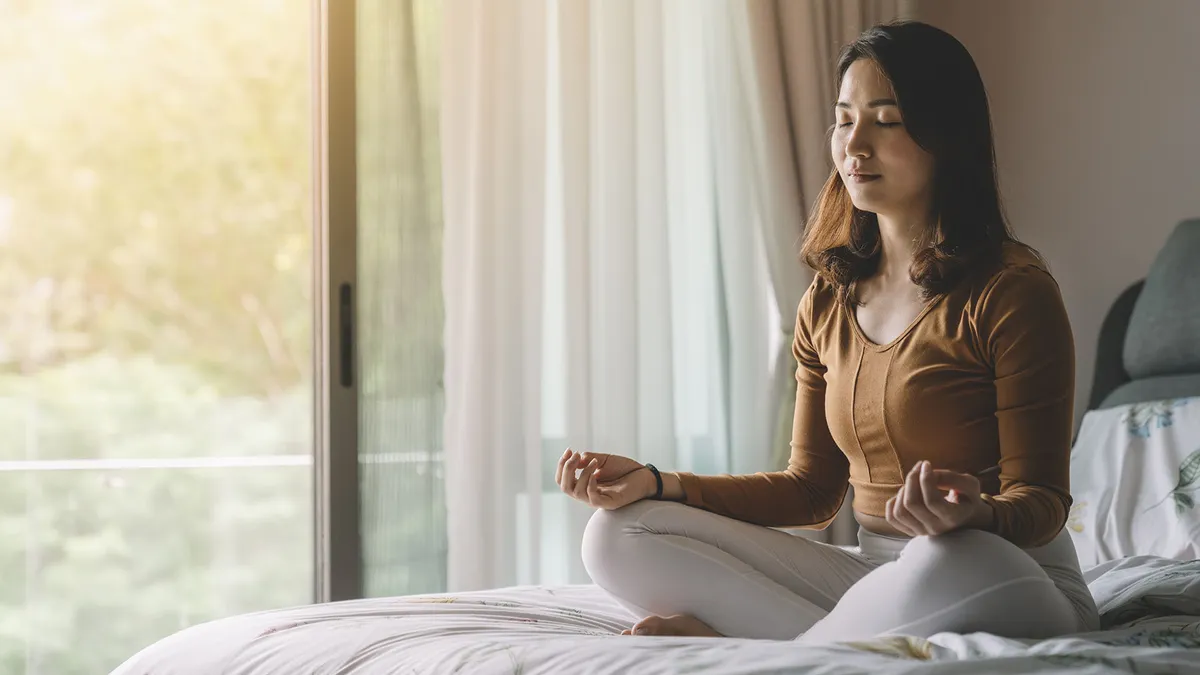
If you can’t convince yourself that getting enough sleep is no big deal, then Shore suggests you may want to take a shot at mindfulness practices.
“You need to find a way for your brain to ‘switch off’ those thoughts, which is easier said than done, but for some people, meditation and even cognitive shuffling can help,” she suggests.
Personally, I struggle with mediation practices when left to my own devices, so I always use one of the many guided sleep meditations available on YouTube. My go-to is the Sleep Talk Down Guided Meditation by Jason Stephenson.
3. Comfort watch your favorite TV shows

While I’ve always been told that watching TV before bed can cause insomnia, there’s nothing wrong with some light, comforting entertainment to help you unwind and quieten anxious thoughts. In fact, research has found watching familiar shows can help ease nighttime anxiety.
“Some may find they need the help of the TV, a podcast, or music to help them stop thinking about the following day,” reveals Shore.
Wilson agrees and says that “listening to something that makes you feel safe” can promote sleep.
“A good example would be an audio novel you have read before, this way you know what’s going to happen so you don’t need to focus on it too much, but the familiar story is comforting, therefore helping to drop your heart rate,” he suggests.
4. Make a to-do list

Science has proven that writing a to-do list for the next day can help you fall asleep an average of nine minutes faster than writing about the day you’ve already had. And this habit of highly organized people could help ease anticipatory anxiety.
According to Shore, a to-do list helps empty “a head full of things that we didn’t do today, that you must try to remember to do tomorrow”.
“By keeping a list, you can ensure you don’t forget these things, as they often pop into your head in the middle of the night and keep you awake,” she recommends.
She also suggest keeping the list on your nightstand, so you can jot anything that comes to you in the middle of the night.
5. Breathe in, breathe out

Breathwork is one of the most popular techniques for reducing, but you can also use breathing exercises for sleep. Methods such as box breathing have been found to improve sleep quality, while the 4-7-8 technique is a scientifically-backed method to reduce anxiety.
Wilson even says that a simple breathe-in, breathe out exercise can calm your anxieties.
“Inhale deeply and exhale slowly, you’ll find your heart rate slows and you’ll starting to yawn quicker than you think,” says the sleep practitioner.
6. Go to bed only when you feel tired
Once, I tried forcing myself to go to bed at 10pm to try to clock up some extra sleep, and you know what happened? It actually made it harder to fall asleep. Studies have shown that going to bed at a time that conflicts with your predominant sleep-wake schedule (known as your chronotype) can actually increase insomnia symptoms.
“Have a targeted sleep time that’s in line with your body’s natural rhythm, so for example, don’t go to bed early if you’ve got an early start as this just gives you more time to worry and only go to bed when you feel sleepy,” says Wilson.

7. Take a warm bath or shower
And last but not least: make a warm relaxing bath or two-minute shower an integral step in your nighttime routine. (Lucky for me, as I hate morning showers.)
Research even suggests that a warm shower or two before bedtime can help you unwind and fall asleep faster, with a water temperature of 104 °F and 108 °F shown to be optimal for sleep.
“Focus on doing things that are going to drop your heart rate and drop your core temperature; try a warm bath or shower, as when we step out of the bath shower, our core temperature drops,” suggest Wilson.
5 things that can make anticipatory anxiety worse
1. Caffeine

When I got my first coffee machine, I went a little too overboard and guzzling cappuccinos to help me gain energy during a difficult week. That night, not only was I stressed about a deadline but I was also up all night with an increased heart rate that just wouldn’t let me sleep.
Anything that makes you feel more anxious will increase the impact of next day anxiety and for some people, it could be caffeine,” Wilson warns.
He adds that you can drink your morning coffee, but skip your evening java.
“Ensure your last caffeinated drink is at a time that isn’t going to make you struggle to get to sleep later, ” advises the sleep coach.
While everyone’s caffeine sensitivity is different, research recommends ditching caffeine at least six hours before bed to limit its effects on sleep.
2. Watching or reading something new

Have you ever said to you’d watch just one episode to help you relax before bed, only to find yourself in the midst of an all-night Netflix marathon?
“Consuming new content makes us more alert, whether it’s looking at work emails or watching something engrossing on TV,” warns Wilson.
The sleep practitioner warns to stay away from thrillers or horror movies or anything that’s “likely to raise our heart rate or keep us thinking.”
3. Clock watching
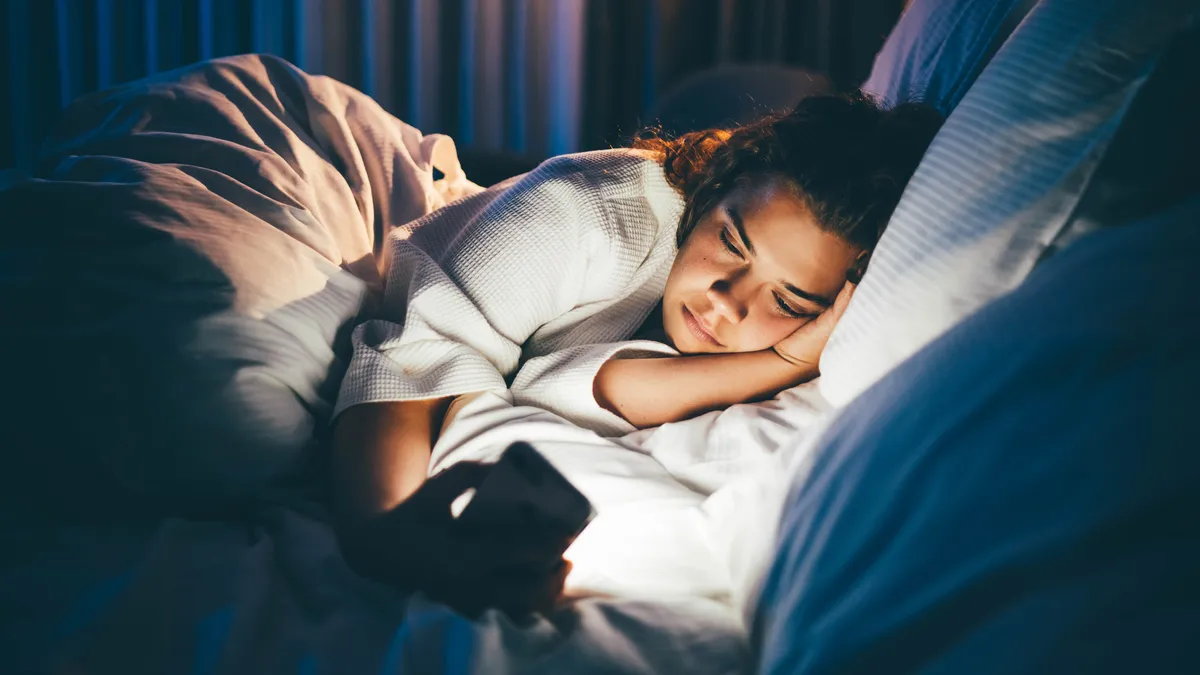
One major factor of insomnia that I’m definitely guilty of whenever I’m nervous about the big day ahead is clock watching.
Slipping and out of sleep is a normal part of our sleep architecture; it’s so common that we barely remember it. So, when we do wake up and check our phone or alarm clock for the time, it just alerts us to how little time we have to get enough rest.
“If we’re constantly clock watching to see how many hours sleep we’ll get before our alarm goes off, we’ll never drop off,” warns Wilson.
4. Eating too close to bedtime
My sleep was transformed when I tried intermittent fasting. This blue-zone approved method of front-loading calories helped me fall asleep faster and showed me how much sleep is influenced by the time of our dinner.
In fact, one study found that those who ate meals later in the day were more likely to take longer to fall asleep.
“Anything that elevates your core body temperature, such as eating large meals late at night, can reduce sleep quality and increase stress and anxiety,” says Shore.
5. Working late at night
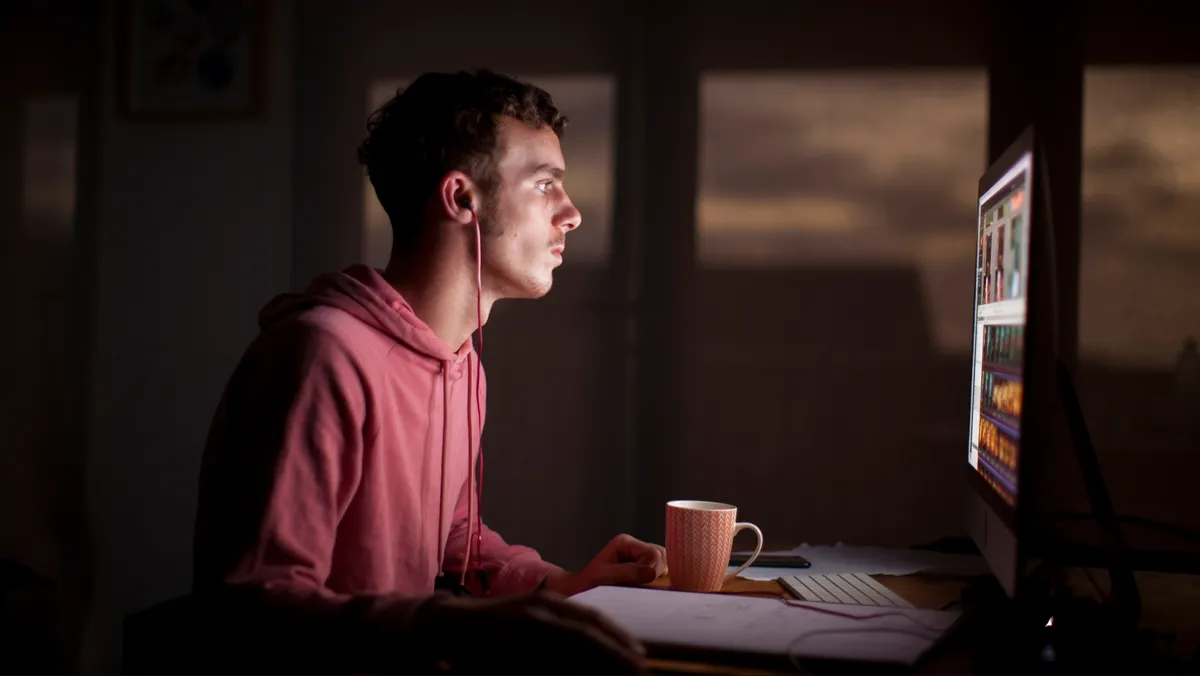
It can be tempting to check your email before bed, but working too late into the night can make us feel more alert.
“Increased stressors like extra work affects the production of hormones,”says Shore.
According to the sleep scientist, this causes “wake-promoting” hormones such as cortisol to be released, and “sleep-promoting” hormones like melatonin to be suppressed.
“Melatonin cannot work properly, leaving you wide awake,” she explains.
To limit the stress of work affecting your sleep latency and quality, follow to the 10-3-2-1-0 rule and ditch work emails two hours before bed.
The bottom line…
“To fall asleep and stay asleep when we have anticipatory anxiety, we need to get our bodies to calm down and relax so the right chemicals can be produced,” advises Shore.
To help us relax in the evenings, don’t set a strict goal for how much sleep you need. and try low-energy, calming activities such as watching or listening to something comforting or familiar, try sleep techniques such as mediation or deep breathing, or take a warm shower or bath.
Standard sleep hygiene practices also apply, such as not eating too close to bed, ditching caffeine six hours before bedtime, and avoiding overthinking or consuming exciting or stressful content in the evening.

Follow Digitpatrox on Google News and add us as a preferred source to get our up-to-date news, analysis, and reviews in your feeds.
Source link
