

For centuries, people have collected propolis, a gummy resin that bees use to fill in the cracks of their beehives and keep predators at bay. These days, propolis is sold in capsules (pills) or as a liquid extract — and modern-day fans claim that it has all types of health benefits.
Advertisement
Cleveland Clinic is a non-profit academic medical center. Advertising on our site helps support our mission. We do not endorse non-Cleveland Clinic products or services. Policy
But not so fast.
Wellness and preventive medicine specialist Robert Saper, MD, MPH, says science doesn’t support most claims about propolis’s medicinal properties.
Dr. Saper explains what propolis is and what the research says.
What is propolis?
Propolis (aka bee glue, bee putty or hive dross) is a substance that bees collect and use to build and repair their hives. It’s made up of beeswax, resin and oils. It’s not the same thing as honey, beeswax or bee pollen, though they all fall into the category of “bee byproducts,” aka products made by bees.
Since ancient times, propolis has been used for everything from varnishing Italian violins to making Greek perfume. Historically, it was thought to help heal wounds, prevent infections and even ease the symptoms of cancer treatments.
Today’s proponents say propolis has antibacterial, antifungal and anti-inflammatory properties that make it a worthwhile supplement. But Dr. Saper reiterates that modern science doesn’t support most claims about propolis’s medicinal properties.
It’s true that propolis is a natural substance that contains more than 500 compounds, including polyphenols, which are plant-based nutrients that help your body manage inflammation and fight oxidative stress.
But here’s the thing: Nearly all natural foods contain antioxidants, vitamins, minerals and other various good stuff — and propolis isn’t the best way to get them.
“The best way to get those benefits is to eat abundant amounts of fruits and vegetables, rather than by adding on supplements,” Dr. Saper says.
Possible propolis benefits
There are three areas where propolis may have some uses, though Dr. Saper reminds us that more research is needed on all of them.
1. May help with diabetes management
Propolis could have a positive effect on people with Type 2 diabetes.
In 2019, a meta-analysis examined six studies on the effects of propolis in under 400 people with diabetes. In the grand scheme of things, that’s a small number of study participants — but still, the data showed some promise.
Participants’ hemoglobin A1C reduced by about half a percent, and their fasting blood sugar went down by 25 milligrams.
That said, Dr. Saper points out that there are other, more scientifically proven ways to manage diabetes.
“There are many existing treatments that are known to be very effective for this condition,” he says. “There is great scientific evidence that reducing refined carbohydrates can improve diabetes, as can exercise, better sleep and a number of different medications.”
In other words, there’s no real need for propolis when there are so many other evidence-based ways to effectively manage diabetes.
2. May help heal cold sores
Propolis may be able to speed up the healing of cold sores from oral herpes, aka herpes labialis or HSV-1. This infection, caused by the herpes simplex virus, causes fluid-filled blisters around the mouth.
“Some small, placebo-controlled studies show that using an ointment that contains propolis on cold sores seems to reduce the length of time it takes for them to heal,” Dr. Saper explains.
One study, for example, found that applying propolis to cold sores three times a day helped them heal faster than no treatment at all. But that doesn’t mean propolis is your best option.
“There are stronger, more evidence-based treatments, like antiviral pills and ointments, that are very effective for the same purpose,” he says.
3. May relieve some side effects of chemotherapy
Propolis may be able to help lessen the effects of oral mucositis, a common and painful side effect of chemotherapy.
“This is a common condition that, in the context of a serious illness like cancer, can be incredibly disturbing,” Dr. Saper says. “And there aren’t many good treatments for it.”
Oral mucositis occurs when the mucous membranes of your mouth become inflamed, making the inside of your mouth red, shiny, swollen and raw. It can also cause sores or white patches of pus to form inside your mouth.
Oral mucositis is a temporary condition that will eventually heal — but in the meantime, it can be very painful. Studies show that people sometimes even stop or scale back on their chemo treatments because the condition becomes so unbearable.
“There are certain treatments we try for oral mucositis that can be helpful,” he continues. “If you’re dealing with this condition, it may be reasonable to try propolis, but you should only do so under the guidance of your physician.”
What else can propolis do?
You might’ve heard that propolis can cure all kinds of ailments, including:
- Sore throats
- Acne
- Allergies
But again, Dr. Saper says there isn’t evidence that propolis can effectively treat any of these conditions — and in fact, it could make them worse. For example, he says the belief that propolis can treat allergies comes from just a few small studies.
“On the other hand, propolis has also been found to be a risk factor for causing allergic reactions,” he cautions, “and that can make asthma worse, too.”
Is it safe to take propolis?
Just because propolis is a natural substance doesn’t mean it’s risk-free. Dr. Saper explains who should avoid propolis and what negative effects it may have.
May be unsafe for people with certain health conditions
Allergic reactions to propolis are rare and unlikely. But speak with your healthcare provider before trying propolis if you have allergic conditions like:
- Asthma
- Eczema
- Seasonal allergies
Propolis may also pose an increased risk to people with:
- Bleeding disorders
- Pregnancy
A healthcare provider can help you determine whether propolis is safe for you.
Can interact with some medications
Like other vitamins and supplements, propolis can interact with other medications, making them less effective and even raising your risk for certain conditions. Avoid propolis if you take:
- Blood thinners: Because propolis can slow the blood clotting process, it may interfere with anticoagulants (including warfarin) that you take to prevent and treat blood clots.
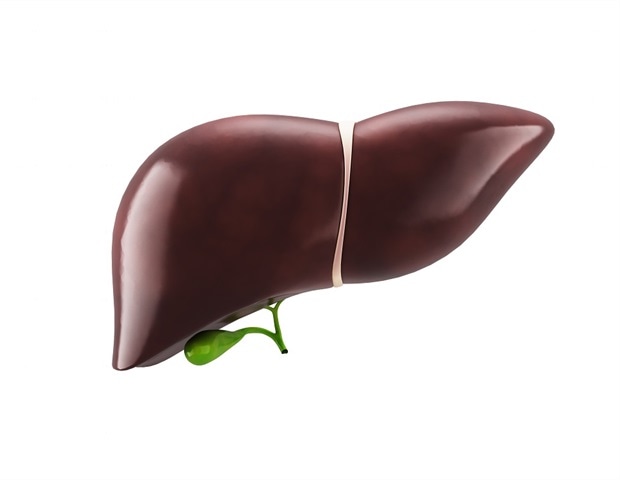
- CYP450 substrates: Propolis can affect your liver’s ability to break down certain medications, including many types of statins, immunosuppressants, antidepressants and beta-blockers.
- Other supplements: Taking propolis with other supplements that slow blood clotting, like garlic, ginger and ginkgo, can further raise your risk of bleeding.
Because propolis can make it harder for your blood to clot, it’s not safe to take before surgery. If you’ve been taking propolis and have a surgery coming up, stop taking it at least two weeks beforehand.
No guarantee of product quality
The U.S. Food and Drug Administration (FDA) doesn’t regulate supplements the way they do with medications, so there’s no real way to be sure what you’re getting — with propolis or any other supplement. A study of 42 samples of raw propolis found varying levels of:
Another study showed that propolis extracts harvested from small farms often included insect fragments, mites and rodent hair.
“You want to be sure anything you’re taking is safe from contamination and doesn’t contain, for example, any heavy metals,” Dr. Saper advises. “But the way the supplement industry is regulated and enforced, you can’t be sure that isn’t the case.”
Products that contain propolis
Beyond supplements, you should also be aware that propolis is sometimes used as an ingredient in certain types of products. It may be found in:
- Chewing gum
- Cosmetics, like concealer, lip liner and lipstick
- Cough syrup
- Lip balm
- Lotions and ointments
- Throat lozenges and sprays
- Toothpaste
Products that include propolis are often branded as “natural” and may come in packaging that specifically advertises that they contain propolis — but not always.
“It’s always a good idea to get in the habit of reading ingredient labels, especially if you have allergies or a skin condition,” Dr. Saper also advises.
Final thoughts: Skip the propolis supplements
Unless your healthcare provider has specifically advised you to try propolis for a condition like oral mucositis, Dr. Saper urges you to avoid it.
“The vast majority of supplements I don’t recommend,” he says. “When it comes to propolis, we don’t see compelling scientific evidence for its effectiveness. And in nearly all cases, there are other medications and therapies that we know to be much more effective.”
He continues: “If someone really wants to try propolis, even against my recommendation, I encourage them to identify products made by reputable manufacturers that have been tested and verified by an independent third-party lab.”
The bottom line is this: With plenty of reasons not to try propolis — including negative side effects and possible interactions with medications — this is one trend better left behind.
Source link
-
-

-

-

-


