In an evolving health landscape, emerging research continues to highlight concerns that could impact everyday wellbeing. Here’s the key update you should know about:
Tracking diets for more than a decade, researchers found that certain widely used preservatives were linked to higher cancer rates, raising questions about everyday food choices and current safety thresholds.
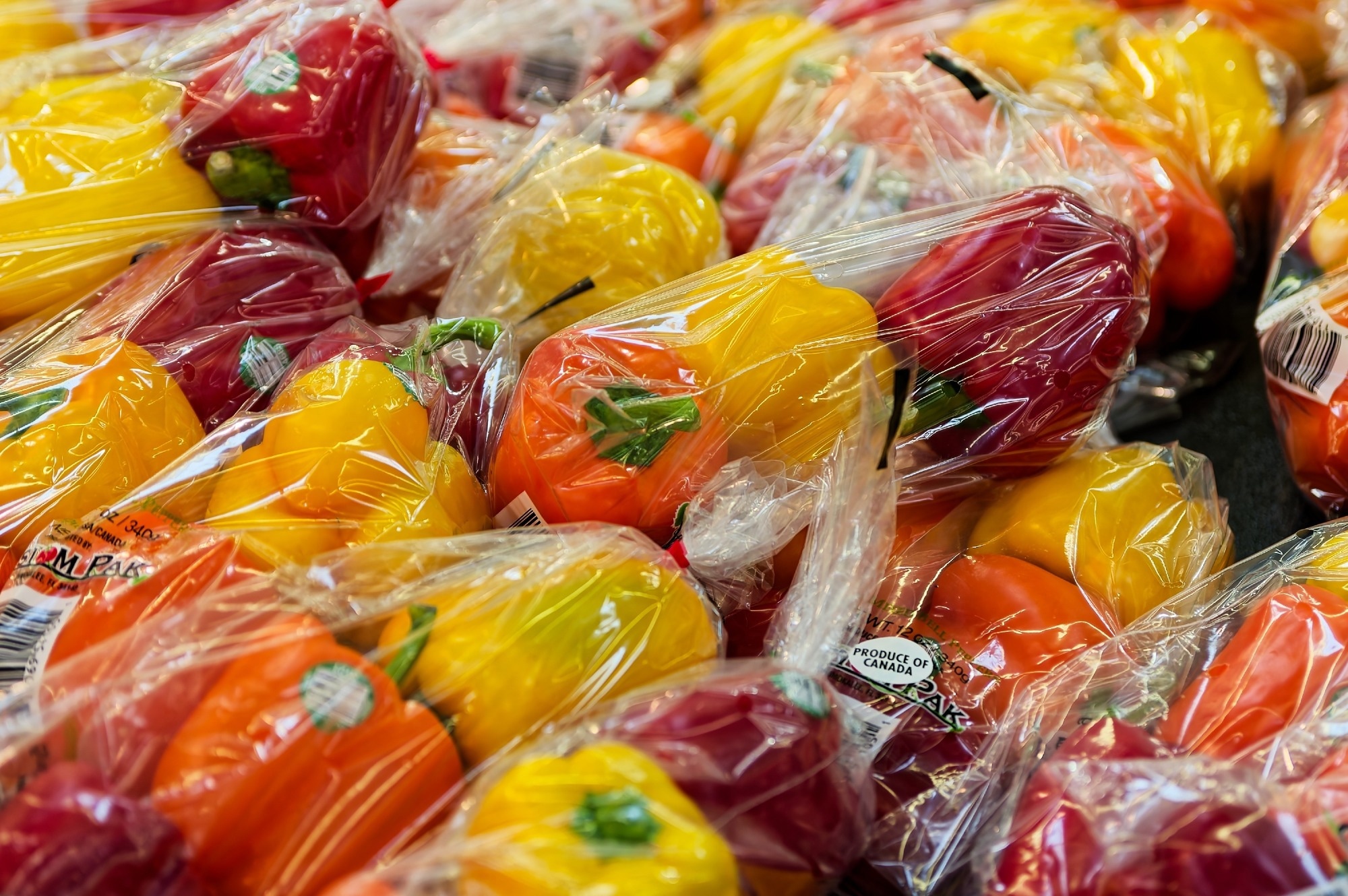
Study: Intake of food additive preservatives and incidence of cancer: results from the NutriNet-Santé prospective cohort. Image credit: stock-enjoy/Shutterstock.com
In a recent study published in the British Medical Journal, a group of researchers evaluated whether higher intakes of food additive preservatives are associated with an increased risk of new cancer cases.
Why common food preservatives raise long-standing cancer concerns
In 2024, more than 20 % of items in the Open Food Facts World database had at least one preservative additive. Preservatives help prevent spoilage from bacteria and oxidation. However, experimental research has connected some preservatives to harmful products, genetic changes, and other pathways related to cancer, including the formation of carcinogenic compounds such as nitrosamines from certain nitrites under specific conditions.
Regulatory bodies like the European Food Safety Authority (EFSA) set limits on daily intake, and in this cohort, only a small minority of participants exceeded these limits for certain preservatives, highlighting that observed associations occurred mostly at intake levels below regulatory thresholds. More research is needed to identify the riskiest compounds and their actual thresholds.
Repeated food records allowed detailed exposure over time
The present study analyzed data from the French NutriNet-Santé web-based cohort from 2009 to 2023, following the Strengthening the Reporting of Observational Studies in Epidemiology, Nutritional Epidemiology (STROBE-NUT) guidelines. Adults aged 15 and older, without cancer (excluding basal cell carcinoma of the skin) at baseline, were included if they completed at least two 24-hour dietary records within the first two years.
Participants recorded their food intake over three non-consecutive 24-hour periods every six months, covering two weekdays and one weekend day. Researchers estimated preservative exposure at the brand level by linking reported products to ingredient databases. They matched records over time to account for reformulations and conducted laboratory tests for common additives, food pairs, with additional dose data sourced from the EFSA.
Preservatives, including some antioxidants, were grouped by chemical family, such as sorbates, sulfites, nitrites, nitrates, acetates, and erythorbates. New cancer cases were confirmed through participant reports, medical record reviews, insurance data, and death registries, then coded using the International Classification of Diseases, 10th Revision (ICD-10).
Time-dependent Cox proportional hazards models used age as the time scale, updated intakes every two years, and adjusted for education, body mass index (BMI), smoking, physical activity, family history, sex, height, smoking pack-years, energy intake (with and without alcohol), and multiple dietary factors, with added reproductive factors for breast cancer.
Breast and prostate cancers drove most observed associations
The cohort had 105,260 participants, with a mean baseline age of 42 years (standard deviation (SD) = 14.5), of whom 78.7 % were women. Medians (interquartile range (IQR)) were reported, and participants completed an average of 21 dietary records. In the first two years, 99.7 % of participants consumed at least one preservative. Out of 58 preservatives, 17 were eaten by 10 % or more of participants and assessed individually.
The most common were total sulfites, citric acid, lecithins, ascorbic acid, sodium nitrite, sodium erythorbate, potassium metabisulfite, potassium sorbate, and potassium nitrate. Most sulfite intake came from alcoholic drinks, while nitrites, nitrates, and erythorbates primarily came from processed meats. Overall, 34.6 % of preservative intake came from ultra-processed foods classified by the NOVA system, which groups foods by degree of processing. No participant exceeded EFSA limits for sorbates, erythorbates, or nitrates, but 90 exceeded sulfite limits, and 54 exceeded nitrite limits.
During an average follow-up of about 7.5 years, 4,226 participants developed cancer, including 1,208 breast, 508 prostate, and 352 colorectal cancers. Higher intake of total non-antioxidant preservatives was associated with a higher risk of overall cancer and breast cancer in the study’s main analyses.
Several specific non-antioxidant preservatives showed similar associations. Higher intakes of potassium sorbate, total sulfites, potassium metabisulfite, potassium nitrate, and acetates were linked to increased rates of overall cancer, with many also associated with breast cancer. Acetic acid alone was also linked to a higher overall cancer risk.
For prostate cancer, higher sodium nitrite intake was associated with increased incidence. Total nitrites and sodium nitrite were also linked to higher rates of overall and breast cancer. Among antioxidant preservatives, sodium erythorbate was associated with higher risks of overall and breast cancer. Overall, most preservatives studied, 11 of the 17 assessed individually, were not associated with cancer incidence. Dose–response patterns were generally linear, and findings were consistent across sensitivity analyses.
At age 60, the estimated risk of developing any cancer was 13.3 % among people with higher intakes of non-antioxidant preservatives, compared with 12.1 % among those with lower intakes. For breast cancer, corresponding risks were 5.7 % versus 4.8 %. For sodium nitrite, the estimated prostate cancer risk at age 60 was 4.2 %, compared with 3.4 % at lower intake levels. Analyses of colorectal cancer were limited by smaller case numbers and showed no consistent association.
Re-examining additive safety with better evidence
In this large cohort with detailed dietary records, higher intake of several commonly used preservatives was linked to increased rates of overall cancer, mainly breast and prostate cancers. The strongest links were found for non-antioxidant preservatives such as sorbates, sulfites, nitrites, nitrates, and acetates, while most other preservatives did not show clear associations.
Although this observational study cannot establish causality and residual confounding remains possible, the findings suggest choosing fresh, minimally processed foods and limiting packaged items high in preservatives. The authors note that if confirmed, these results could support a reevaluation of current regulations governing preservative use. More biomarker-based and experimental studies are required to validate mechanisms and inform policy.
Journal reference:
- Hasenböhler, A., Javaux, G., Payen de la Garanderie, M., Szabo de Edelenyi, F., Yvroud-Hoyos, P., Agaësse, C., De Sa, A., Huybrechts, I., Pierre, F., Audebert, M., Coumoul, X., Julia, C., Kesse-Guyot, E., Allès, B., Deschamps, V., Hercberg, S., Chassaing, B., Srour, B., Deschasaux-Tanguy, M., & Touvier, M. (2026). Intake of food additive preservatives and incidence of cancer: results from the NutriNet-Santé prospective cohort. BMJ. DOI:10.1136/bmj-2025-084917. https://www.bmj.com/content/392/bmj-2025-084917
-

-

-

-

-