In an evolving health landscape, emerging research continues to highlight concerns that could impact everyday wellbeing. Here’s the key update you should know about:
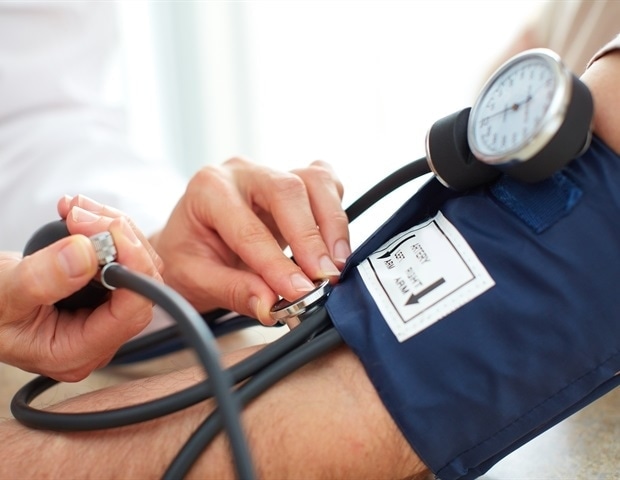
Cuffless devices to measure blood pressure, such as smartwatches, rings, patches and fingertip monitors, show great promise as alternatives to traditional arm-cuff monitors, however, they are not yet proven accurate enough to diagnose high blood pressure or guide treatment decisions, according to a new scientific statement published today in the American Heart Association’s journal Hypertension.
A new scientific statement from the American Heart Association, Cuffless Devices for the Measurement of Blood Pressure, details more information that supports the recommendations in the recently published 2025 AHA/ACC High Blood Pressure Guideline, which recommended against using cuffless blood pressure devices for diagnosis or treatment until they demonstrate greater precision and reliability. This scientific statement provides an overview of available cuffless technologies and their potential future applications, while highlighting the notable limitations that need to be addressed before these devices can be used safely in clinical practice or as home monitoring devices.
According to the American Heart Association, nearly half of U.S. adults, about 122 million people, have high blood pressure (≥130/80 mm Hg), also known as hypertension. High blood pressure is the #1 modifiable risk factor for cardiovascular disease, including heart attack, stroke and heart failure, as well as kidney disease, cognitive decline and dementia. High blood pressure is a leading cause of death in the U.S. and around the world, affecting an estimated 1.4 billion adults, two-thirds of whom live in low- and middle-income countries.
Cuffless blood pressure devices are easy to use, convenient and capable of frequent or continuous monitoring, potentially providing insights into blood pressure changes during daily life and sleep. However, the speed of commercialization has outpaced the science.”
Jordana Cohen, M.D., M.S.C.E., FAHA, Chair of the scientific statement writing group, associate professor of medicine and epidemiology, Perelman School of Medicine at the University of Pennsylvania
“We developed this scientific statement to address growing confusion among clinicians and patients about how these devices work, what their readings mean and whether they can be trusted for medical decision-making,” Cohen said.
Variety of cuffless blood pressure devices available
The number and type of new wireless, personal devices available that state they are capable of measuring blood pressure have increased significantly over the past decade. These technologies include smartwatches, rings, patches and smartphone-based sensors that use light or force signals to estimate blood pressure. The devices differ by how they detect cardiovascular signals, such as photoplethysmography (using a sensor to estimate blood pressure by how much light is absorbed) or tonometry (a sensor that measures arterial force waves), how those signals are processed, and whether they require calibration with a conventional arm cuff blood pressure monitor. Some cuffless devices also incorporate demographic information such as the user’s age, sex, height or weight.
Although some devices are cleared by the Food and Drug Administration (FDA), careful consideration and continual monitoring of the measurement device’s validation status is still essential before clinical use. FDA clearance for a blood pressure device does not require formal accuracy testing under a standardized protocol. Therefore, regulatory clearance does not guarantee measurement accuracy. Up to 80% of all blood pressure devices sold globally have never undergone formal validation testing for accuracy, with cuffless devices showing even lower rates of validation.
Limitations of cuffless blood pressure devices
With these rapid technologic advances, device developers, clinicians and the public have struggled to keep up with methods of testing device accuracy, understanding the nuances of how different devices operate and what they are designed to estimate (blood pressure or change in blood pressure), and interpretation of the massive amount of data. Cuffless devices often produce a high volume of readings, many obtained in settings where blood pressure measurements were not previously performed, such as during sleep and physical activity. The clinical relevance of this data remains uncertain.
Future research is needed to determine how cuffless device readings correlate with cardiovascular outcomes, such as heart attack or stroke, before these tools are used in health care settings. Without established thresholds or outcome-linked validation, frequent measurements may lead to confusion, false reassurance or unnecessary alarm for both the public and health care professionals.
The statement writing group emphasizes that cuffless blood pressure devices should not be used at this time to diagnose, track or treat high blood pressure. Many personal wearable devices have not been validated (proven to be accurate and reliable) for real world use, such as during exercise, sleep, daily activity or after taking medication that affects blood pressure. In addition, variables like arm position, skin color and how recently the device was calibrated, can also affect the results and contribute to inaccurate blood pressure measurements.
“Without proper validation, readings from cuffless blood pressure device are not reliable sources to inform treatment decisions or evaluate interventions. Patients may receive incorrect diagnoses or inappropriate medication adjustments based on inaccurate data,” Cohen said.
Considerations for integrating cuffless devices into care
- Standardized validation needed for clinical use: More research and evaluation are needed to prove these devices to be accurate and meet the same criteria as cuffed blood pressure devices. The testing standards will also need to reflect how these devices are used, particularly after taking medications that affect blood pressure, while exercising, sleeping or going about daily life. More research is needed to assess accuracy, long-term performance and real world utility.
- Accuracy, access and affordability must be prioritized: If validated, cuffless technologies could expand hypertension screening, diagnosis and treatment among people in under-resourced communities. Developers of these devices must address potential inaccuracies related to skin color as well as issues related to connectivity and affordability.
- Transparency and privacy protections are critical: Manufacturers must disclose how algorithms generate readings, calibration frequency and how patient data are stored, shared and protected. Devices must clearly indicate whether readings reflect absolute blood pressure or change relative to calibration to avoid misinterpretation.
“Cuffless blood pressure devices have the potential to transform hypertension care when their accuracy and reliability improve. Clear standards and coordinated efforts in research, regulation and public education are essential to help ensure that innovation enhances, rather than compromises, cardiovascular care,” Cohen said.
“If you currently have a smart watch, ring or other cuffless technology you are using to monitor your blood pressure, make sure your doctor is aware that any home readings you share are from this type of device and talk to them about using a validated device instead for any readings that may be used for hypertension diagnosis or treatment management,” she added. A list of validated blood pressure devices is available at validatebp.org.
This scientific statement was prepared by the volunteer writing group on behalf of the American Heart Association’s Council on Hypertension; the Council on Cardiovascular and Stroke Nursing; the Council on Cardiovascular Surgery and Anesthesia; and the Council on Clinical Cardiology. American Heart Association scientific statements promote greater awareness about cardiovascular diseases and stroke issues and help facilitate informed health care decisions. Scientific statements outline what is currently known about a topic and what areas need additional research. While scientific statements inform the development of guidelines, they do not make treatment recommendations. American Heart Association guidelines provide the Association’s official clinical practice recommendations.
Source:
Journal reference:
Cohen, J. B., et al. (2025). Cuffless Devices for the Measurement of Blood Pressure: A Scientific Statement From the American Heart Association. Hypertension. doi:10.1161/hyp.0000000000000254. https://www.ahajournals.org/doi/10.1161/HYP.0000000000000254
-

-

-

-

-