New research reveals these medications impact everything from heart health to restaurant menus.
CLEVELAND — Weight-loss medications like Wegovy and Ozempic are making headlines for dramatic results, but research from UC Davis Health reveals these drugs affect far more than just the number on the scale.
GLP-1 agonists, a class of medications originally approved for type 2 diabetes in 2005, are now showing wide-ranging effects throughout the body. UC Davis researchers recently convened leading scientists and clinical experts to examine how these therapies impact multiple organ systems.
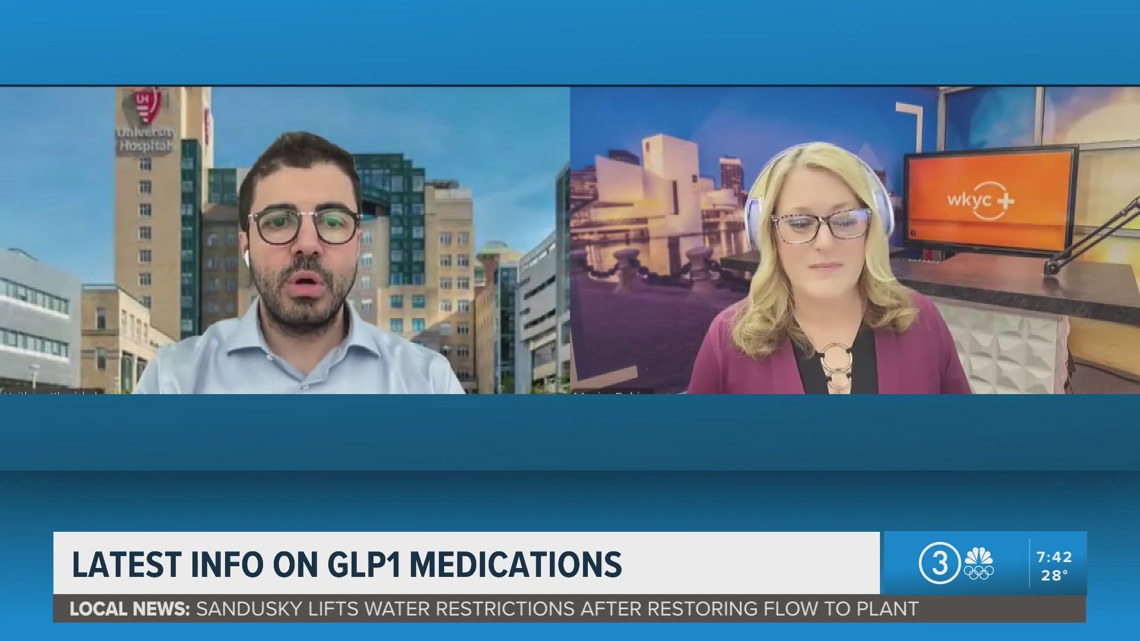
“We really think of them now as a cardio metabolic medications rather than just weight loss medications,” said Dr. Haitham Khraishah, a preventive cardiologist at University Hospitals Harrington Heart and Vascular Institute.
Research shows these medications are transforming the treatment landscape, dramatically improving the amount of weight loss achievable through medication alone or in combination with lifestyle interventions.
In early clinical trials, patients on GLP-1 agonists have achieved weight loss of 15–20%, compared to the 5–10% typically seen with previous medications.
According to a November poll from the Kaiser Family Foundation, one in eight Americans reported taking a GLP-1 drug, which doubled from the previous May. The surge in use has prompted major restaurant chains to quietly redesign their menus, offering scaled-down portions and higher-protein options at lower prices.
Beyond weight reduction, studies show these drugs reduce major cardiovascular events, combat fatty liver disease, and alleviate obesity-related complications including knee pain, sleep apnea, and acid reflux. “There’s also early evidence that they reduce cravings for alcohol, nicotine, and other substances because they work on the reward system of the brain,” Khraishah said.
Patients taking GLP-1 medications report that the constant thinking about food becomes quieter.
The medications work by mimicking a hormone produced in the gut called glucagon-like peptide. After eating, the stomach stretches and produces GLP, which signals the brain to stop eating. “With GLP medications, they are the same molecules, stable over time,” Khraishah explained. “So they kind of work on the brain to tell the brain, hey, you are full, but also work on the gut to slow down the gut motility.”
However, these same mechanisms can cause gastrointestinal side effects. GI intolerance is a significant issue, with patients experiencing nausea, vomiting and diarrhea. “The most common side effects of those medications are gut-related symptoms, and that goes back to how those medications work,” Khraishah said. The symptoms are especially common when starting the medications or when the dose changes. The majority of these symptoms are effects of the drugs on the GI tract and the delay in gastric emptying.
The medications also affect muscle and bone health. Researchers explain that while patients lose approximately 20% of muscle mass during treatment, this isn’t significantly different from traditional calorie-restricted diets. Much of the reported lean mass loss comes from the liver rather than skeletal muscle. “Some studies even reported 45% of muscle mass loss of the total weight lost, and that’s a very substantial amount,” Khraishah said.
It remains important for patients taking GLP-1 medication to limit muscle wasting through exercise and high-quality protein.
“In order to build muscle, you need at least 1 gram per kilogram per day, and that is a lot of protein to eat per day,” Khraishah said. He recommends supplementing the diet with protein shakes or protein drinks. “For resistance exercise, in order to build muscle and make muscles stronger, you need to supplement the diet with resistance exercise, especially for the bigger muscles.”
RELATED: What you need to know about GLP-1 medications, from weight loss to long-term use
The Trump administration recently released updated U.S. dietary guidelines recommending that Americans consume 1.2 to 1.6 grams of protein per kilogram of body weight daily, up from the previous recommendation of 0.8 grams per kilogram.
Recent World Health Organization guidelines recommend using GLP-1 drugs for long-term obesity treatment, paired with lifestyle interventions. Experts suggest consuming 1.0–1.5 grams of protein per kilogram of body weight daily, with 20-30 grams per meal, to prevent muscle loss.
For those taking GLP-1 medications, eating higher-protein foods goes hand in hand with eating smaller portions. The medications severely curb appetite, so when patients do eat, they need nutrient-rich foods to ensure they’re still eating a balanced meal. Protein also keeps people fuller for longer, helping with weight loss by reducing meal frequency and portion sizes.
High-fiber intake, adequate hydration, and nutrient-dense foods are crucial since reduced appetite can lead to vitamin deficiencies. Registered dietitians note that people on GLP-1 medications prioritize protein because it’s the macronutrient needed to preserve muscle mass.
The medications alter the gut microbiome by changing how food moves through the digestive system and its fermentation patterns. A healthier microbiome supports GLP-1 activity and improves insulin sensitivity. Fiber-rich diets and probiotics may enhance these effects, reinforcing gut health during therapy.
GLP-1 signals also affect brain reward pathways, potentially influencing taste perception. Appetite suppression helps with weight loss and can change food preferences. Patients often report reduced desire for sweets and fatty foods, creating an opportunity to adopt healthier habits.
Major restaurant chains have responded to these shifts. Olive Garden added a “lighter portion” section to its menu in December, offering seven dishes with smaller portions at lower prices.
Chipotle now offers a high-protein menu, including a serving of cubed chicken with 32 grams of protein. Shake Shack introduced a “Good Fit Menu” featuring lettuce-wrapped versions of its burgers. This month, Subway added “Protein Pockets,” small snack wraps with more than 20 grams of protein.
However, nutrition experts caution that simply adding more protein isn’t automatically healthier. Each person needs variety in their diet, including carbohydrates, fats, and other micronutrients. Not everyone needs 50 grams of protein in one sitting, and the word “healthy” means something different to everyone based on individual nutritional needs.
Bone health also requires attention. Bone is metabolically active and responds to incretin hormones like GLP-1 and GIP. While some evidence suggests protective effects, rapid weight loss and reduced nutrient intake can compromise bone density. Older adults and postmenopausal women face higher risk and need adequate calcium, vitamin D, and magnesium through diet. Weight-bearing exercise strengthens bones, making them denser and stronger.
GLP-1 receptor agonists also protect the heart. Clinical trials have shown these medications reduce the risk of major cardiovascular events, including heart attack and stroke. GLP-1 receptors are found in the heart and blood vessels, influencing blood pressure, lipid profiles, and inflammation.
The reality of these medications is they typically require long-term commitment. “We know that obesity now is a metabolic disorder. I would think about obesity like hypertension, heart disease,” Khraishah said. “Those medications work on the hormonal system of the body, and they suppress appetite. And once their effects is off, then the body goes back or reverts back to its prior habits of hormonal imbalance and food cravings.”
Research shows that discontinuing the drugs usually results in weight regain. Data indicates most Americans quit within a year of starting treatment, often due to cost, side effects like fatigue and nausea, or reluctance to rely on medication indefinitely. However, Khraishah noted that medications still work when restarted. “Sometimes the weight loss feels slower the second time because we have to restart at a lower dose,” he said. “There is no strong evidence that these medications permanently lose effectiveness just because someone stopped them.”
A new oral formulation of Wegovy became available in January 2026, offering a daily pill alternative to weekly injections. “Injectables remain the gold standard for the time being, but pills are a very good alternative for people who do not want to inject themselves,” Khraishah said.
The pills must be taken on an empty stomach with a small amount of water, with no food or other medications for almost 30 minutes. “If that routine isn’t followed closely, then the effectiveness can drop,” Khraishah explained. “Injectables can bypass our gut, so the drug levels are more reliable.”
Injectable GLP-1 medications now range between $299 to $450 out of pocket without insurance, depending on formulation. The Wegovy pill ranges between $140 to $300. Additional oral medications are in development, including orforglipron by Eli Lilly, expected to receive FDA consideration in 2026. Competition is expected to drive prices down further.
The FDA continues to advise caution with compounded versions, urging patients to use approved, pharmacy-filled prescriptions.
Looking ahead, researchers are developing medications that may target fat loss more than muscle mass loss. “The next steps are medications that maybe trigger weight loss in a different way,” Khraishah said. “Companies are developing this secret sauce of how can we break the obesity cycle in a healthy way while make people feel great about themselves and live healthier, longer lives.”
For patients considering or currently taking these medications, experts emphasize the importance of comprehensive care including resistance training, weight-bearing exercise for bone health, and precision nutrition strategies to ensure weight loss translates into lasting health benefits.
Source link
-

-

-

-
-