Introduction
What is mamey sapote?
Nutrient composition
Antioxidant and anti-inflammatory properties
Potential metabolic health benefits
Effects on digestive health
Traditional uses and cultural context
Emerging research from plant science
Future research considerations
References
Further reading
From traditional Mesoamerican staple to emerging functional food, mamey sapote offers compelling nutritional promise while science works to define the boundaries of its proven health benefits.
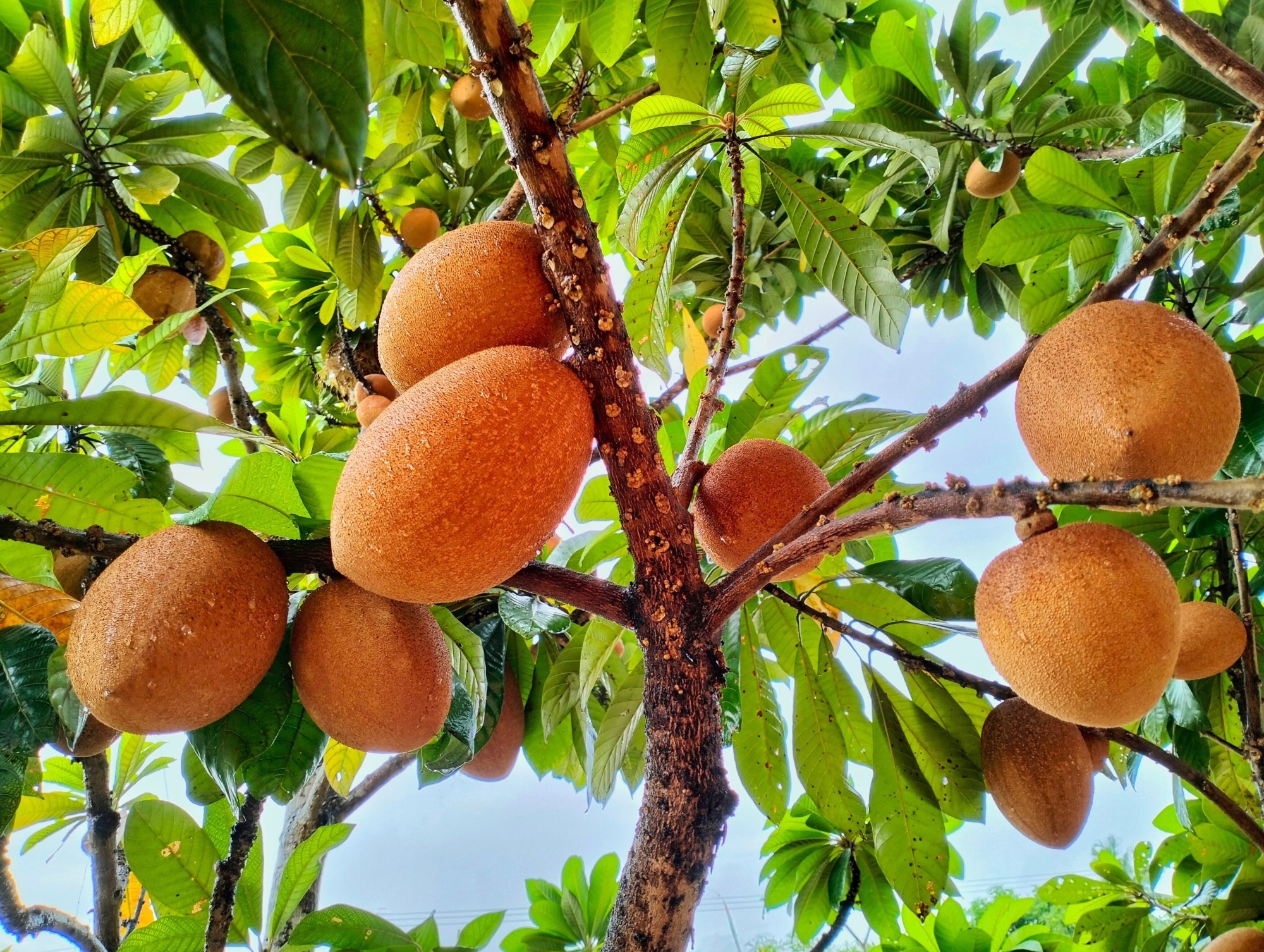
news-medical.net/images/Article_Images/ImageForArticle_27169_17693569773298232.jpg” srcset=”https://www.news-medical.net/image-handler/ts/20260125110302/ri/2000/src/images/Article_Images/ImageForArticle_27169_17693569773298232.jpg 2000w, https://www.news-medical.net/image-handler/ts/20260125110302/ri/1950/src/images/Article_Images/ImageForArticle_27169_17693569773298232.jpg 1950w, https://www.news-medical.net/image-handler/ts/20260125110302/ri/1750/src/images/Article_Images/ImageForArticle_27169_17693569773298232.jpg 1750w, https://www.news-medical.net/image-handler/ts/20260125110302/ri/1550/src/images/Article_Images/ImageForArticle_27169_17693569773298232.jpg 1550w, https://www.news-medical.net/image-handler/ts/20260125110302/ri/1350/src/images/Article_Images/ImageForArticle_27169_17693569773298232.jpg 1350w, https://www.news-medical.net/image-handler/ts/20260125110302/ri/1150/src/images/Article_Images/ImageForArticle_27169_17693569773298232.jpg 1150w, https://www.news-medical.net/image-handler/ts/20260125110302/ri/950/src/images/Article_Images/ImageForArticle_27169_17693569773298232.jpg 950w, https://www.news-medical.net/image-handler/ts/20260125110302/ri/750/src/images/Article_Images/ImageForArticle_27169_17693569773298232.jpg 750w, https://www.news-medical.net/image-handler/ts/20260125110302/ri/550/src/images/Article_Images/ImageForArticle_27169_17693569773298232.jpg 550w, https://www.news-medical.net/image-handler/ts/20260125110302/ri/450/src/images/Article_Images/ImageForArticle_27169_17693569773298232.jpg 450w” sizes=”(min-width: 1200px) 673px, (min-width: 1090px) 667px, (min-width: 992px) calc(66.6vw – 60px), (min-width: 480px) calc(100vw – 40px), calc(100vw – 30px)” width=”2000px” height=”1506px”/>news-medical.net/images/Article_Images/ImageForArticle_27169_17693569773298232.jpg”/>news-medical.net/image-handler/ts/20260125110302/ri/200/src/images/Article_Images/ImageForArticle_27169_17693569773298232.jpg”/> Image Credit: AgusSupriyanto115 / Shutterstock.com
Introduction
The global search for functional foods is increasingly focusing its attention on the Neotropics, a region characterized by immense botanical diversity.1 Among these, Pouteria sapota, which is more commonly known as mamey sapote, has historically been consumed throughout Mexico and Central America.1
Recent phytochemical and nutraceutical evidence indicates that mamey sapote pulp and by-products contain carotenoids, phenolic compounds, and dietary fiber that are associated with antioxidant and anti-inflammatory potential, primarily based on compositional analyses and preclinical models.1,7
What is mamey sapote?
P. sapota is a large, evergreen tree native to the lowlands of southern Mexico and Central America. These climacteric plants thrive in warm and humid climates, wherein they undergo a rapid increase in respiration and ethylene production during ripening.1-3
Mamey sapote is an ovoid berry between eight and 20 centimeters (cm) in length that is encapsulated within a rough, brown pericarp. Upon maturity, the fruit contains salmon-red pulp with a creamy, finely granular texture and flavor profile reminiscent of almond and sweet potato.1
Mamey sapote pulp remains a staple food in the Neotropic region for centuries, as it is widely used in beverages and desserts, as well as a garnishing for local diet. While seeds are incorporated into some traditional preparations, seed-derived products require controlled processing and safety evaluation because cyanogenic potential has been reported for certain Sapotaceae seeds and preparations.1,3
Nutrient composition
Biochemical studies of P. sapota demonstrate that this fruit is an exceptional source of dietary fiber, with quantitative analyses indicating contents ranging from 5.4-6 g/100 g of edible portion.1,3 This fiber matrix includes both soluble fractions and insoluble fractions like pectins and cellulose, respectively, which have been established to significantly contribute to satiety and digestive health.1
P. sapota is rich in vitamins C and E, as well as potassium, magnesium, and iron.1 As compared to carrots, which are dominated by β-carotene, mamey sapote also accumulates rare keto-carotenoids with a κ-ring structure, primarily sapotexanthin and cryptocapsin.4,5 Human intervention data support the dietary relevance of these carotenoids as contributors to vitamin A status, despite reduced bioavailability from the intact fruit matrix.5
Antioxidant and anti-inflammatory properties
Hydrophilic extracts of mamey sapote, which contain concentrated phenolic acids and flavonoids, exhibit superior in vitro radical scavenging activity as compared to lipophilic fractions.1,4 Targeted LC-MS profiling has identified multiple polyphenolic antioxidants in Pouteria fruits, including gallic acid and catechin derivatives, which correspond with measured antioxidant capacity.6
Evidence summarized in recent reviews suggests that carotenoids and phenolic compounds in lesser-consumed tropical fruits, including mamey sapote, may influence inflammatory pathways; however, for mamey specifically, most mechanistic insights derive from preclinical or in vitro studies rather than human clinical trials.7
Mamey Sapote, Pouteria sapota. A striking, tropical fruit tree that produces delicious, sweet fruits
Nutriomics and metabolomics research suggest that P. sapota may present a compelling biochemical profile for dietary interventions against these conditions.1-3,5 In humans, postprandial studies demonstrate absorption of sapotexanthin and formation of retinyl esters following mamey sapote intake, supporting its relevance as a dietary source of provitamin A rather than as a demonstrated modulator of long-term metabolic disease risk.5 Experimental evidence from model organisms indicates improved resistance to oxidative stress following exposure to mamey carotenoid extracts, but these findings cannot be directly extrapolated to chronic human health outcomes.4
Effects on digestive health
The high concentration of insoluble fiber in mamey sapote increases stool bulk, thereby stimulating intestinal peristalsis.1 Concurrently, soluble fiber and polyphenols act as substrates for colonic bacteria, which subsequently ferment these substrates to produce short-chain fatty acids (SCFAs) like butyrate, which are crucial for maintaining gut barrier integrity.1,2
These digestive effects reflect well-established physiological roles of dietary fiber and polyphenols in general; however, direct clinical trials evaluating gut microbiome composition, SCFA production, or gastrointestinal outcomes following mamey sapote consumption are currently lacking.1,7
Traditional uses and cultural context
In Mesoamerica, P. sapota pulp is consumed fresh or processed into sorbets and smoothies.1 Culturally, P. sapota differs from Manilkara zapota (chicozapote), which was historically used to manufacture chewing gum.
Ethnobotanical practices also utilize the large seeds (pixtle), which ancient Mesoamerican documents reveal are roasted and ground for traditional beverages like tejate. Mamey sapote seed oil, which is regionally known as sapuyul, also promotes hair health.3,5,6 Analytical studies report that the seed contains high lipid levels and a fatty-acid profile dominated by oleic, stearic, palmitic, and linoleic acids, supporting its traditional and contemporary use in cosmetic and fat-blend applications rather than direct nutritional supplementation.3
news-medical.net/images/Article_Images/ImageForArticle_27169_17693577344247117.jpg” srcset=”https://www.news-medical.net/image-handler/ts/20260125111535/ri/2000/src/images/Article_Images/ImageForArticle_27169_17693577344247117.jpg 2000w, https://www.news-medical.net/image-handler/ts/20260125111535/ri/1950/src/images/Article_Images/ImageForArticle_27169_17693577344247117.jpg 1950w, https://www.news-medical.net/image-handler/ts/20260125111535/ri/1750/src/images/Article_Images/ImageForArticle_27169_17693577344247117.jpg 1750w, https://www.news-medical.net/image-handler/ts/20260125111535/ri/1550/src/images/Article_Images/ImageForArticle_27169_17693577344247117.jpg 1550w, https://www.news-medical.net/image-handler/ts/20260125111535/ri/1350/src/images/Article_Images/ImageForArticle_27169_17693577344247117.jpg 1350w, https://www.news-medical.net/image-handler/ts/20260125111535/ri/1150/src/images/Article_Images/ImageForArticle_27169_17693577344247117.jpg 1150w, https://www.news-medical.net/image-handler/ts/20260125111535/ri/950/src/images/Article_Images/ImageForArticle_27169_17693577344247117.jpg 950w, https://www.news-medical.net/image-handler/ts/20260125111535/ri/750/src/images/Article_Images/ImageForArticle_27169_17693577344247117.jpg 750w, https://www.news-medical.net/image-handler/ts/20260125111535/ri/550/src/images/Article_Images/ImageForArticle_27169_17693577344247117.jpg 550w, https://www.news-medical.net/image-handler/ts/20260125111535/ri/450/src/images/Article_Images/ImageForArticle_27169_17693577344247117.jpg 450w” sizes=”(min-width: 1200px) 673px, (min-width: 1090px) 667px, (min-width: 992px) calc(66.6vw – 60px), (min-width: 480px) calc(100vw – 40px), calc(100vw – 30px)” width=”2000px” height=”1333px”/> Image Credit: Guajillo studio/ Shutterstock.com
Emerging research from plant science
Recent scientific research has largely focused on enhancing the bioavailability of the unique compounds present in mamey sapote through the optimization of its acquisition and processing.7 In this context, studies on drying, sensing, and postharvest monitoring of tropical fruits contribute methodological insight relevant to mamey sapote processing, even when not directly evaluating its nutritional effects.2,7
Future research considerations
Although the bioavailability of mamey sapote components is established, there remains a lack of clinical data on their long-term metabolic effects using markers like hemoglobin A1c (HbA1c) and lipid profiles.1 Current human evidence is strongest for postprandial carotenoid absorption and vitamin A contribution rather than sustained cardiometabolic or anti-inflammatory outcomes.5 Important toxicological concerns are due to the presence of cyanogenic glycosides within mamey sapote seeds that release hydrogen cyanide upon hydrolysis, which necessitates additional research to establish standardized safety limits for seed-derived products.1,3,6
References
- Ibarra-Manzanares, Z. G., Ibarra-Manzanares, A. G., Soriano-Melgar, L. A., et al. (2025). Sapotaceae Family Fruits from Central America: Botanical, Phytochemical and Nutraceutical Insights – A Review. Plants 14(21); 3297. DOI: 10.3390/plants14213297. https://www.mdpi.com/2223-7747/14/21/3297.
- López-Morales, G., Espinosa-Sánchez, Y. M., Flores-Rosas, A., & Vilchis, H. (2025). Moisture Content Detection in Mango (Mangifera indica L., cv. Ataulfo) and Papaya (Carica papaya) Slices During Drying Using an MMI-Based Sensor. Sensors 25(22), 6902. DOI: 10.3390/s25226902. https://www.mdpi.com/1424-8220/25/22/6902
- Solís-Fuentes, J. A., Ayala-Tirado, R. C., Fernández-Suárez, A. D., & Durán-de-Bazúa, M. C. (2015). Mamey sapote seed oil (Pouteria sapota). Potential, composition, fractionation and thermal behavior. Grasas y Aceites 66(1); e056. DOI: 10.3989/gya.0691141. https://grasasyaceites.revistas.csic.es/index.php/grasasyaceites/article/view/1521
- González-Peña, M. A., Lozada-Ramírez, J. D., & Ortega-Regules, A. E. (2021). Carotenoids from mamey (Pouteria sapota) and carrot (Daucus carota) increase the oxidative stress resistance of Caenorhabditis elegans. Biochemistry and Biophysics Reports 26; 100989. DOI: 10.1016/j.bbrep.2021.100989. https://www.sciencedirect.com/science/article/pii/S2405580821000832
- Chacón-Ordóñez, T., Esquivel, P., Quesada, S., et al. (2019). Mamey sapote fruit and carotenoid formulations derived there of are dietary sources of vitamin A – A comparative randomized cross-over study. Food Research International 122; 340-347. DOI: 10.1016/j.foodres.2019.04.009. https://www.sciencedirect.com/science/article/abs/pii/S0963996919302327
- Ma, J., Yang, H., Basile, M. J., & Kennelly, E. J. (2004). Analysis of Polyphenolic Antioxidants from the Fruits of Three Pouteria Species by Selected Ion Monitoring Liquid Chromatography−Mass Spectrometry. Journal of Agricultural and Food Chemistry 52(19); 5873-5878. DOI: 10.1021/jf049950k. https://pubs.acs.org/doi/10.1021/jf049950k
- Belmonte-Herrera, B. H., Domínguez-Avila, J. A., Wall-Medrano, A., et al. (2022). Lesser-Consumed Tropical Fruits and Their by-Products: Phytochemical Content and Their Antioxidant and Anti-Inflammatory Potential. Nutrients 14(17); 3663. DOI: 10.3390/nu14173663. https://www.mdpi.com/2072-6643/14/17/3663
Further Reading
Last Updated: Jan 25, 2026
news-medical.net/health/Health-Benefits-and-Nutritional-Value-of-Mamey-Sapote.aspx”>Source link
-

-

-

-

-