

A growing body of research reveals how a single gut microbe may protect against infections and influence pregnancy outcomes, while also cautioning that its effects can vary widely depending on diet, disease, and host biology.
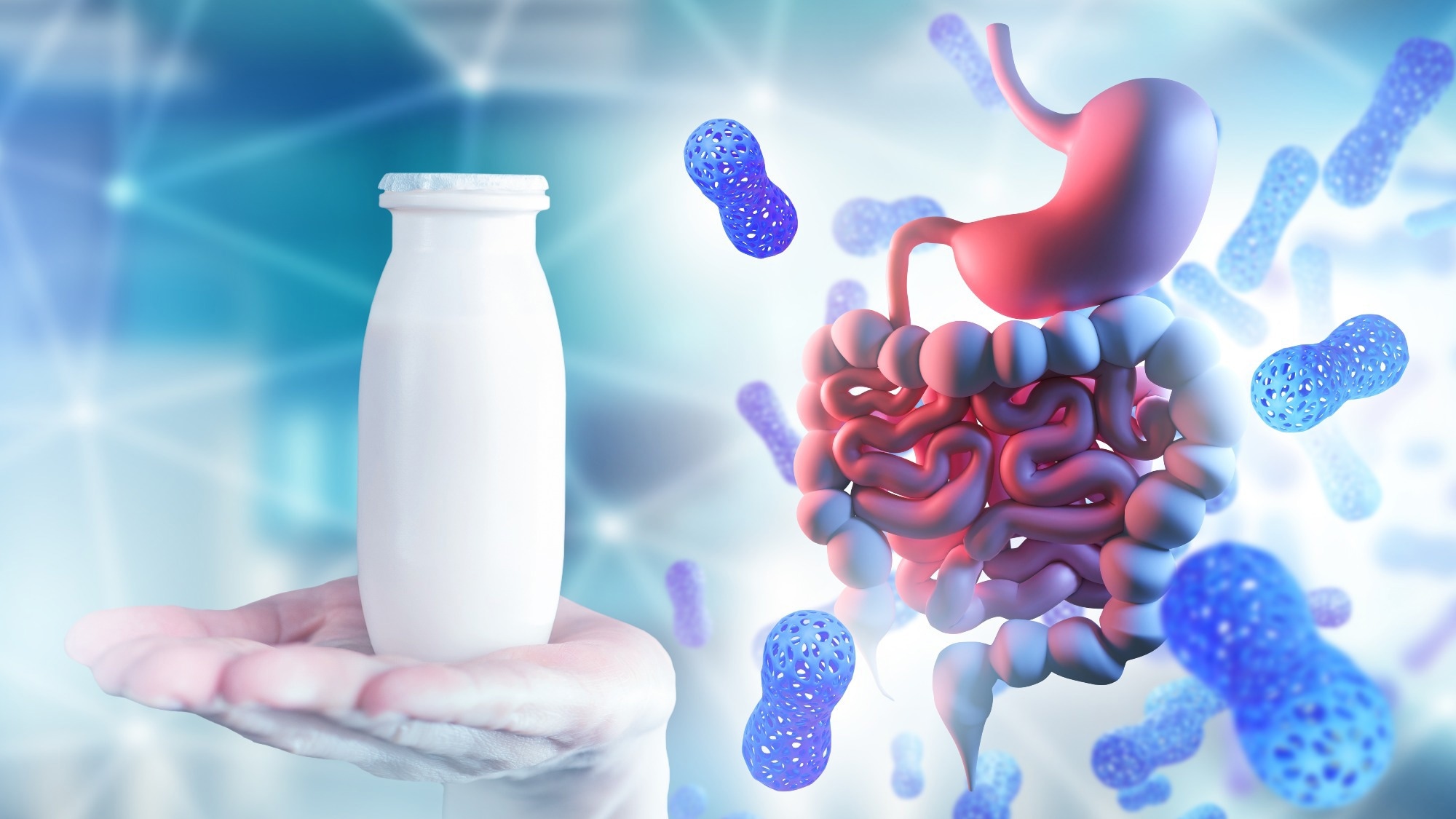
news-medical.net/images/news/ImageForNews_836723_17778991530041403.jpg” srcset=”https://www.news-medical.net/image-handler/ts/20260504085234/ri/2000/src/images/news/ImageForNews_836723_17778991530041403.jpg 2000w, https://www.news-medical.net/image-handler/ts/20260504085234/ri/1950/src/images/news/ImageForNews_836723_17778991530041403.jpg 1950w, https://www.news-medical.net/image-handler/ts/20260504085234/ri/1750/src/images/news/ImageForNews_836723_17778991530041403.jpg 1750w, https://www.news-medical.net/image-handler/ts/20260504085234/ri/1550/src/images/news/ImageForNews_836723_17778991530041403.jpg 1550w, https://www.news-medical.net/image-handler/ts/20260504085234/ri/1350/src/images/news/ImageForNews_836723_17778991530041403.jpg 1350w, https://www.news-medical.net/image-handler/ts/20260504085234/ri/1150/src/images/news/ImageForNews_836723_17778991530041403.jpg 1150w, https://www.news-medical.net/image-handler/ts/20260504085234/ri/950/src/images/news/ImageForNews_836723_17778991530041403.jpg 950w, https://www.news-medical.net/image-handler/ts/20260504085234/ri/750/src/images/news/ImageForNews_836723_17778991530041403.jpg 750w, https://www.news-medical.net/image-handler/ts/20260504085234/ri/550/src/images/news/ImageForNews_836723_17778991530041403.jpg 550w, https://www.news-medical.net/image-handler/ts/20260504085234/ri/450/src/images/news/ImageForNews_836723_17778991530041403.jpg 450w” sizes=”(min-width: 1200px) 673px, (min-width: 1090px) 667px, (min-width: 992px) calc(66.6vw – 60px), (min-width: 480px) calc(100vw – 40px), calc(100vw – 30px)” width=”2000px” height=”1125px”/>news-medical.net/images/news/ImageForNews_836723_17778991530041403.jpg”/>news-medical.net/image-handler/ts/20260504085234/ri/200/src/images/news/ImageForNews_836723_17778991530041403.jpg”/>Study: Microbe on the move: Akkermansia in infectious diseases and emerging roles in gynecological health. Image credit: FOTOGRIN/Shutterstock.com
In a recent minireview published in the Journal of Bacteriology, a group of authors summarized existing evidence on the role of Akkermansia muciniphila in infectious diseases and its emerging implications in gynecological health.
A gut bacterium links metabolism, immunity, and pregnancy outcomes
Akkermansia muciniphila is a common, mucin-degrading bacterium found in the gastrointestinal (GI) tract, and makes up to 1-3 % of the gut flora. It has gained attention for its health benefits, including improving metabolism, strengthening the intestinal barrier, and decreasing inflammation.
Emerging preclinical and observational evidence suggests that Akkermansia muciniphila also affects how well we respond to a variety of infectious diseases and gynecological health, including pregnancy-related conditions. Its effects are complex and context-dependent, so further research is needed to clarify its therapeutic potential.
Overview of Akkermansia muciniphila
Akkermansia muciniphila is a Gram-negative, anaerobic bacterium that colonizes the GI tract and uses mucin as its major nutrient source. This bacterium has attracted interest since its discovery in 2004; it has been shown to regulate metabolism and immune response in its host. It also has a role in maintaining the gut barrier, preventing harmful substances from entering the bloodstream, and ensuring balance within the gut microbiome.
The relevance of this bacterium’s functions is greatly increased in today’s society, characterized by an abundance of unhealthy foods, stress, and excessive antibiotic use, which create imbalances in the GI tract.
Role in GI infections
The role of Akkermansia muciniphila in GI infections shows both protective and context-dependent effects. In infections caused by pathogens such as Clostridium difficile, Salmonella typhimurium, and enterotoxigenic Escherichia coli (ETEC), supplementation with Akkermansia muciniphila has been associated with reduced inflammation, improved intestinal barrier function, and, in some models, reduced disease severity and pathogen burden.
However, in other experimental models, it has been shown to worsen infections by disrupting mucus layers and increasing pathogen invasion. The different ways in which Akkermansia muciniphila interacts with organisms highlight how factors such as diet, microbiota composition, and host immune status can play a critical role in the outcome of its supplementation regarding GI infections.
Role in systemic and viral infections
Beyond the gut, Akkermansia muciniphila influences systemic infections, including sepsis, viral infections, and parasitic diseases. Specifically, septic individuals have lower levels of Akkermansia species, which is associated with poorer outcomes. Higher Akkermansia abundance and fecal microbiota transfer from enriched donors have been associated with improved survival in animal models, and administration of live bacteria or derived molecules (e.g., peptides) has shown protective effects in preclinical studies through anti-inflammatory mediators.
Higher levels are associated with various immune response profiles, suggesting that Akkermansia is involved in disease severity. Furthermore, several studies of individuals infected with parasites (malaria and helminths) indicate that Akkermansia levels correlate with disease progression, suggesting a potential role as a biomarker for these diseases.
Role in respiratory and oral infections
Emerging evidence suggests a link between gut microbiota and respiratory health through the gut–lung axis. Akkermansia muciniphila protects against lung infections such as influenza A (H7N9) and tuberculosis (TB). It also improves immune response, reduces inflammation, and increases survival in infected animal models.
In periodontitis (inflammation of periodontal tissues), the bacterium has been shown to reduce inflammation and tissue damage. These findings highlight its potential role in managing chronic inflammatory conditions beyond the gut, making it relevant in everyday health issues like gum disease.
Emerging role in gynecological health
One of the most exciting developments is the role of Akkermansia muciniphila in gynecological and pregnancy-related conditions. Low levels of Akkermansia are found in preeclampsia (PE), an important complication during pregnancy involving high blood pressure. In animal studies, supplementation improved placental health and reduced fetal inflammation.
Akkermansia levels in the gut microbiome are lower in women with gestational diabetes mellitus (GDM), and administration may improve insulin sensitivity and decrease inflammatory markers. Akkermansia is also associated with women’s health and the female genital tract and may play a role in bacterial vaginosis (BV), preterm birth (PTB), and human papillomavirus (HPV) infection. However, these relationships are largely observational and correlative, with limited direct intervention evidence outside of PE and GDM models.
Mechanisms of action and context-dependent effects
The beneficial effects of Akkermansia muciniphila are primarily driven by its ability to strengthen the intestinal barrier, regulate immune responses, and produce bioactive molecules. These include proteins such as Amuc_1100, extracellular vesicles (EVs), and metabolites that modulate inflammation and host signaling pathways.
However, this is not always beneficial; many factors may alter the usefulness of Akkermansia muciniphila. For example, in low-fiber conditions, excessive mucin degradation may weaken the intestinal barrier, increasing susceptibility to infection. This dual nature underscores the importance of personalized approaches in microbiome-based therapies.
Clinical and therapeutic potential
Given its wide-ranging effects, Akkermansia muciniphila is being explored as a next-generation probiotic. Benefit has been shown for both the live and pasteurized forms, with pasteurized bacteria often demonstrating comparable or even enhanced effects.
From a real-world perspective, this research may also enable the development of probiotics that promote pregnancy success and improve immune responses to infection. These microbiome-based health interventions could inform future strategies to combat ineffective antibiotic treatments as well as the alarming increase in chronic diseases worldwide, especially with antibiotic resistance becoming one of the most pressing global public health concerns.
Akkermansia influences immunity, infection, and pregnancy-related outcomes
This review highlights that Akkermansia muciniphila plays a significant role in regulating host immunity, maintaining intestinal integrity, and influencing disease outcomes across infectious and gynecological conditions.
Based on experimental and observational studies, Akkermansia muciniphila is considered to have promising, but early-stage therapeutic potential (particularly as a probiotic). More clinical research is needed to provide additional evidence for clinical practice, given that most of the studies used animal models.
In addition, researchers must gain a more in-depth understanding of the mechanisms so that findings can be translated into viable, personalized healthcare solutions. Importantly, many studies identify Akkermansia at the genus level, and species-specific effects (including A. muciniphila) may vary due to resolution limitations.
Download your PDF copy by clicking here.
Journal reference:
-
Marroquin, S. M., & Doran, K. S. (2026). Microbe on the move: Akkermansia in infectious diseases and emerging roles in gynecological health. Journal of Bacteriology. DOI: 10.1128/jb.00491-25. https://journals.asm.org/doi/10.1128/jb.00491-25
news-medical.net/news/20260504/How-a-common-gut-bacterium-may-protect-health.aspx”>Source link
