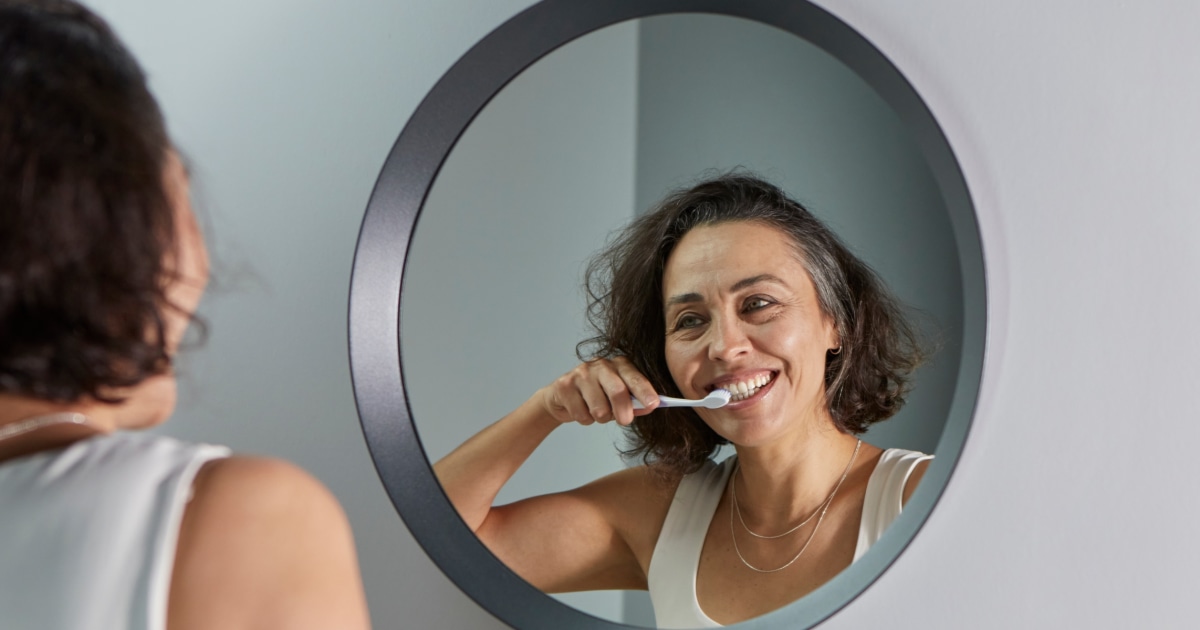
Whether or not you’ve experienced it yourself, many people are well-aware of how common things like hot flashes, mood changes and brain fog are for those going through menopause. However, there are some symptoms that aren’t talked about quite as often, including the effects on your oral health.
According to experts, the dry mouth that people may experience during menopause can actually lead to bigger issues, such as gum inflammation and tooth sensitivity. We spoke to dentists about how exactly menopause impacts your oral health, and what you can do about it.
How does menopause affect your oral health?
The most common change to oral health during menopause is dry mouth, explains Lior Tamir, a cosmetic dentist in San Mateo, California. “Salivary flow plays a big role in preventing cavities and preventing bacterial biofilm from building up on the teeth,” he says. Basically, less flow equals a higher risk for cavities.
But it’s not just that. Dr. Michael J. Wei, a cosmetic dentist based in New York City, shares that decreased saliva production can also cause tooth sensitivity and gum disease.
“There’s also a greater susceptibility to periodontal disease and bone loss around the teeth, which can ultimately affect tooth stability,” says Dr. Richard Lipari, a board-certified cosmetic dentist at Lipari & Mangiameli Dentistry in New York.
Because of these changes, the doctors recommend staying on top of your oral care routine (more on that later), as well as using products specifically to target dry mouth. We’re sharing their top product picks and more of their insights on how to navigate the oral health changes that come with menopause, below.
The best oral health products to use during menopause, according to dentists
Wei recommends this toothpaste, “because it helps protect and strengthen enamel, which can be more vulnerable during menopause due to hormonal changes.” He adds, “It also helps with tooth sensitivity, providing relief from discomfort caused by dry mouth, which is commonly experienced during menopause.”

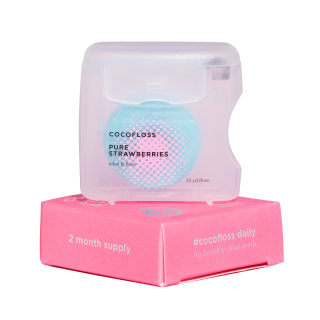
According to Tamir, daily flossing is a great way to optimize your oral health at home between appointments.
Multiple dentists previously recommended Cocofloss’s floss to us as a good option overall. It’s nourished with coconut oil, which the brand says helps the strands slide more easily between your teeth.


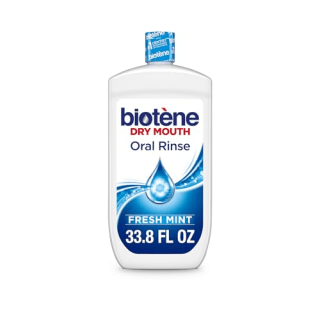
For those experiencing dry mouth, Tamir recommends using a mouthwash designed specifically to tackle the issue, like this one from Biotene. Not only does this wash promise to freshen breath with its minty flavor, but the brand says that it helps to soothe and lubricate your mouth to reduce dryness.
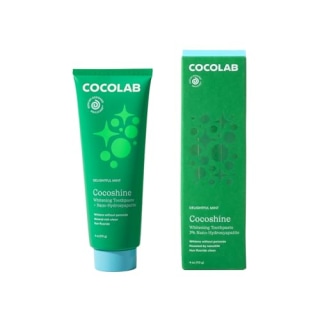
Because of the risk of cavities, Tamir says that he will sometimes prescribe higher-risk patients a medicated toothpaste or an “over-the-counter toothpaste that remineralizes like Cocolab’s Cocoshine toothpaste.”
This toothpaste features 15.5% nano-hydroxyapatite (nHA), which is the same mineral found in your enamel, so the brand says that it leaves your teeth looking and feeling brighter.
Dr. Brett Loeser, a dentist in New Jersey, previously told us that he recommends Glide’s wax floss for those with tight teeth. It’s microtextured to capture plaque and particles and features PTFE to glide between teeth more easily, the brand says.
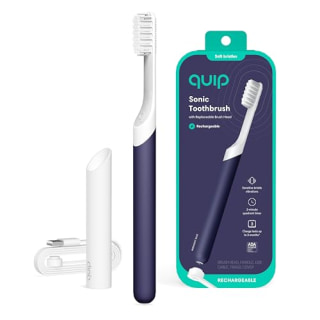
To help counteract some of the changes someone going through menopause may be experiencing, Lipari recommends using an electric toothbrush “for more consistent plaque removal.”
This one from Quip was previously recommended by cosmetic dentist Dr. Brian Kantor. “Quip is simple to use and effectively cleans teeth — it also offers a subscription service where a new head is sent every few weeks, which makes it easy for people to keep up with a healthy oral care routine.”

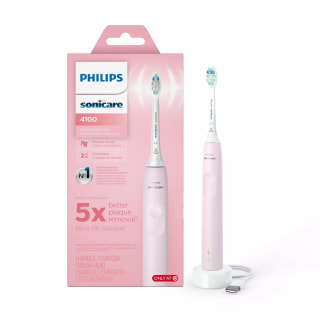
“The amazing configuration of bristles on this electric toothbrush makes you actually feel like the bristles are getting in between the teeth and the vibrating power of the brush leaves your mouth feeling like your teeth have been thoroughly cleaned, as if they had been done in a dental office,” Kantor previously told us.

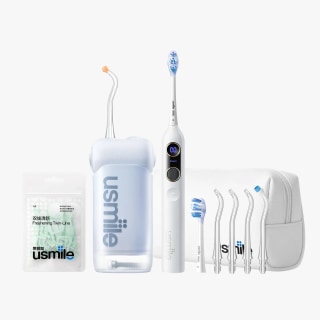
Daily flossing is also an important step to keep your oral health in check, whether you’re going through menopause or not. Lipari recommends water flossers, as he says they can be “especially helpful for patients with recession, sensitivity, or restorative work.”
He previously recommended this option to us, saying, “The usmile has different tips for different uses, and for patients in braces, their orthodontic-specific tips are great.” He explained, “I think that the water in a water flosser should be changed regularly, and the small reservoir for water helps guarantee that the water is changed regularly.”
What causes changes to your oral health during menopause?
“The primary driver is the drop in estrogen (and to a lesser extent progesterone),” says Lipari. “Estrogen plays a key role in maintaining healthy gum tissue, supporting bone density, and regulating saliva production. When levels decline, saliva flow decreases, the oral microbiome shifts, and the inflammatory response becomes more pronounced, making gum tissue more vulnerable.”
What is a good oral care routine for menopause?
The best course of action is “prevention, prevention, prevention,” says Tamir. You should see your dentist for cleanings every three to four months instead of the typically recommended six months.
“This is a stage where being proactive really matters because with the right habits and early intervention, most of these changes are very manageable,” says Lipari. Along with regular dentist visits, he recommends prioritizing daily flossing, proper brushing technique, hydrating frequently to help dry mouth symptoms and limiting alcohol, caffeine and acidic foods, as they “can worsen dryness and sensitivity.”
Frequently asked questions
“These changes don’t necessarily start the day menopause begins as they often show up during perimenopause, when hormone levels are fluctuating,” says Lipari. “Many women start to notice symptoms like dry mouth, gum sensitivity, or increased bleeding in their 40s, before menopause is officially reached. The severity and timing vary, but it’s more of a gradual progression than a sudden shift.”
While most experts typically recommend going to the dentist every six months, Tamir suggests upping it to every three to four months during this time.
How we chose
All of the products included in this article were recommended to us by the dentists we spoke with about this topic or were recommended to us by experts we consulted in the past.
Meet the experts
At Shop TODAY, our reporters interview a range of qualified sources and experts to capture a wide scope of perspectives on a given topic. We also ensure that all expert guidance and recommendations are provided independently and without any undisclosed financial conflicts of interest.
- Lior Tamir, DDS, is a cosmetic dentist at Bloom Dental Group in San Mateo, California. His focus is providing minimally invasive dentistry and personalized care for patients.
- Michael J. Wei, DDS, is a cosmetic dentist based in New York City. He specializes in general, cosmetic and restorative dentistry.
- Dr. Richard Lipari, DDS, is a board-certified cosmetic dentist at Lipari & Mangiameli Dentistry. He practices exclusively in Chappaqua, NY, focusing on cosmetic, restorative, and implant dentistry.
- Dr. Brian Kantor, DDS, is a cosmetic dentist at Lowenberg, Lituchy & Kantor in New York City.
-

-

-

-

-