
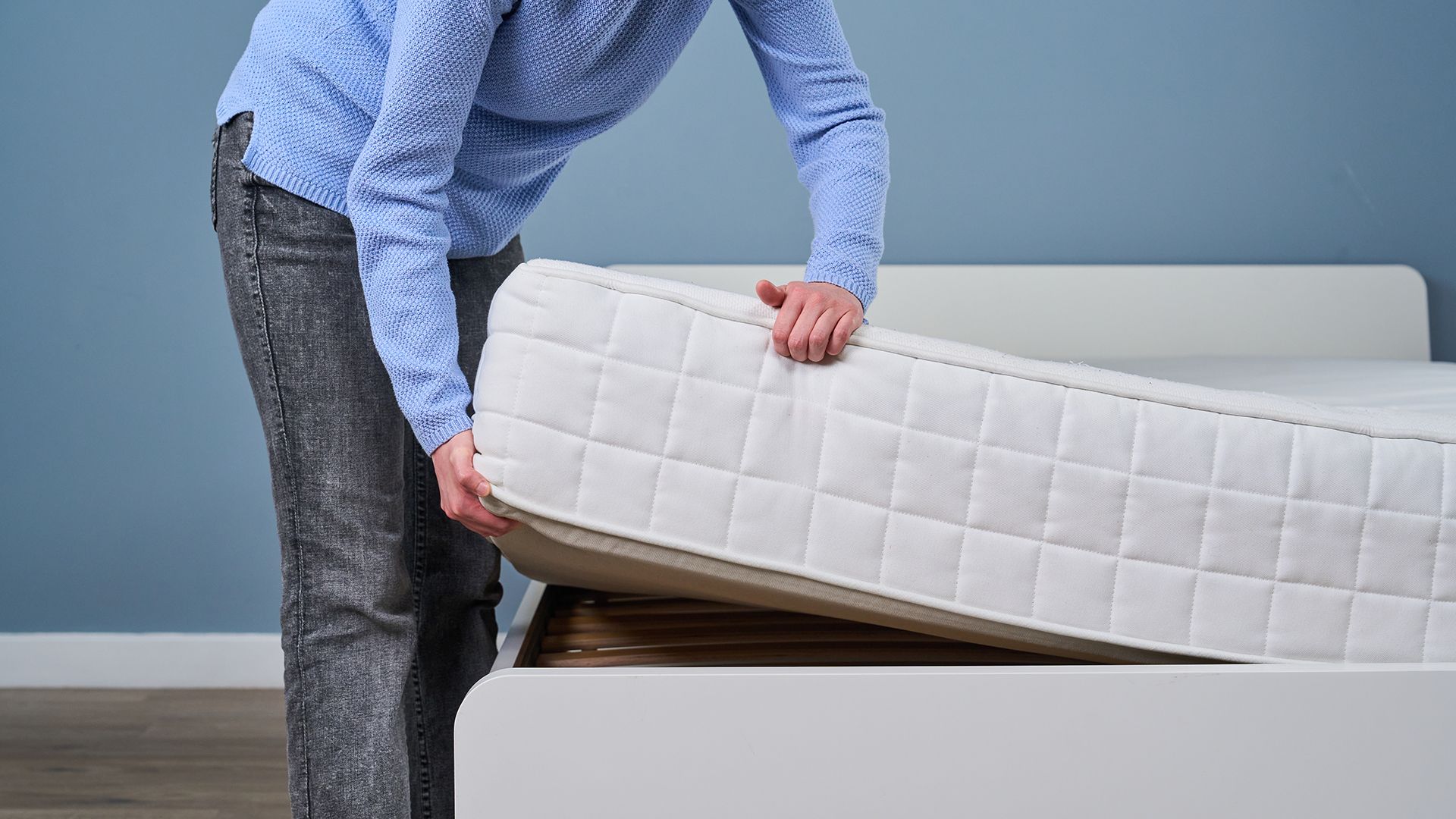
A mattress is quite the investment, but your purchase can really pay off if the mattress you choose is built to last. However, as beds come in a variety of designs and prices, it can be tricky to figure out how long a mattress should last.
That’s why we’ve created this comprehensive guide to mattress lifespans, exploring how long you can expect your mattress to last based on its type and price tier. In this breakdown, you’ll find the life expectancies of the best mattresses and most popular designs – including memory foam, hybrids, and the classic innerspring – and how their price tags can influence their durability.
Key takeaways: at a glance
|
Mattress |
Lifespan |
Why? |
|---|---|---|
|
Innerspring |
5-7 years |
Springs and thin comfort layer wear out easily, causing sagging, discomfort, and creaking. |
|
Memory foam |
8-10 years |
The lack of springs means that most can last up to a decade, but cheaper picks need replacing more frequently |
|
Hybrid |
7-10 years |
Hybrid mattresses have innovative, quality designs, but the addition of springs can reduce lifespan. |
|
Latex |
15-20 years |
Latex is naturally durable, with all-latex beds lasting up to 20 years. A latex hybrid mattress lasts around 15 years due to its springs. |
|
Budget (under $400 for a queen) |
7 years |
Expect to replace more often due to cheaper, less durable materials |
|
Mid-range (under $999 for a queen) |
up to 10 years |
Usually last a decade thanks to good-quality materials |
|
Luxury (over $1,000 for a queen) |
10 – 20 years |
Built to last thanks to premium, durable materials, such as organic latex. |
How long a mattress lasts by type
1. Innerspring
However, an innerspring is the mattress type with the shortest lifespan. Its materials, particularly its springs and relatively thin comfort layer, can wear out easily. Worn-out springs can diminish support through sagging and cause that annoying mattress creak. Meanwhile, a thin padded layer can make the feel of the coils more noticeable.
The quick-to-deteriorate materials reduce life expectancy of an innerspring mattress to five to eight years.
2. Memory foam
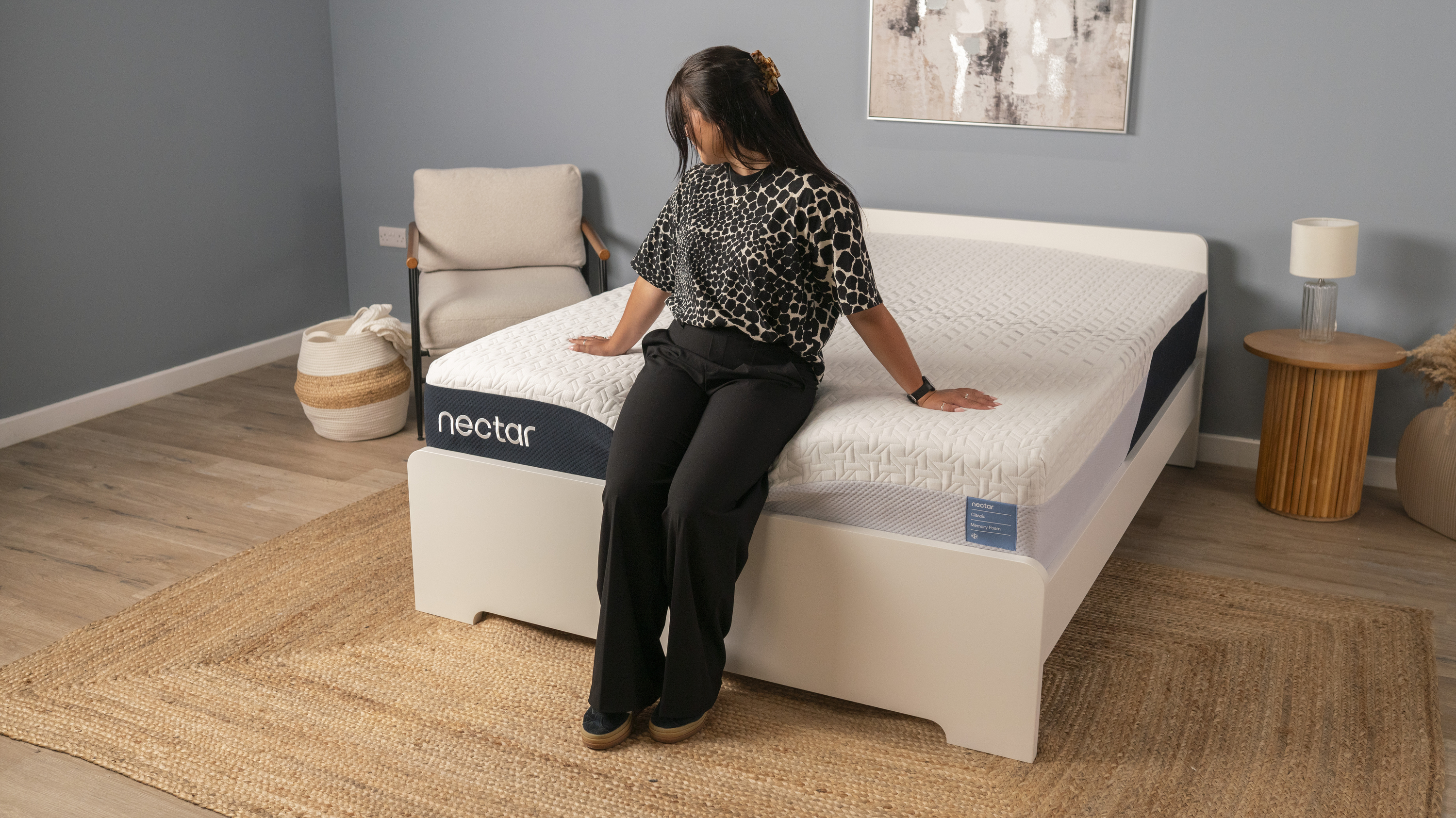

Memory foam was invented by NASA in the 1960’s, but memory foam beds didn’t become popular until the 21st century. Thanks to its body-cradling pressure relief, memory foam is found in most mattresses, with the best memory foam mattresses usurping classic innerspring as the best cheap mattress.
While an all-foam bed lacks easily-worn-out springs, memory foam can slowly lose its elasticity (the ability to spring back after pressing down on it) and start to sag after repeated use. However, you should aim to upgrade your all-foam bed every 10 years, and you may even have to replace your memory foam mattress after eight years if it came with a budget price tag.
Overall, a memory foam mattresses should be replaced every eight to 10 years, with most memory foam beds lasting for a decade before deterioration.
3. Hybrid
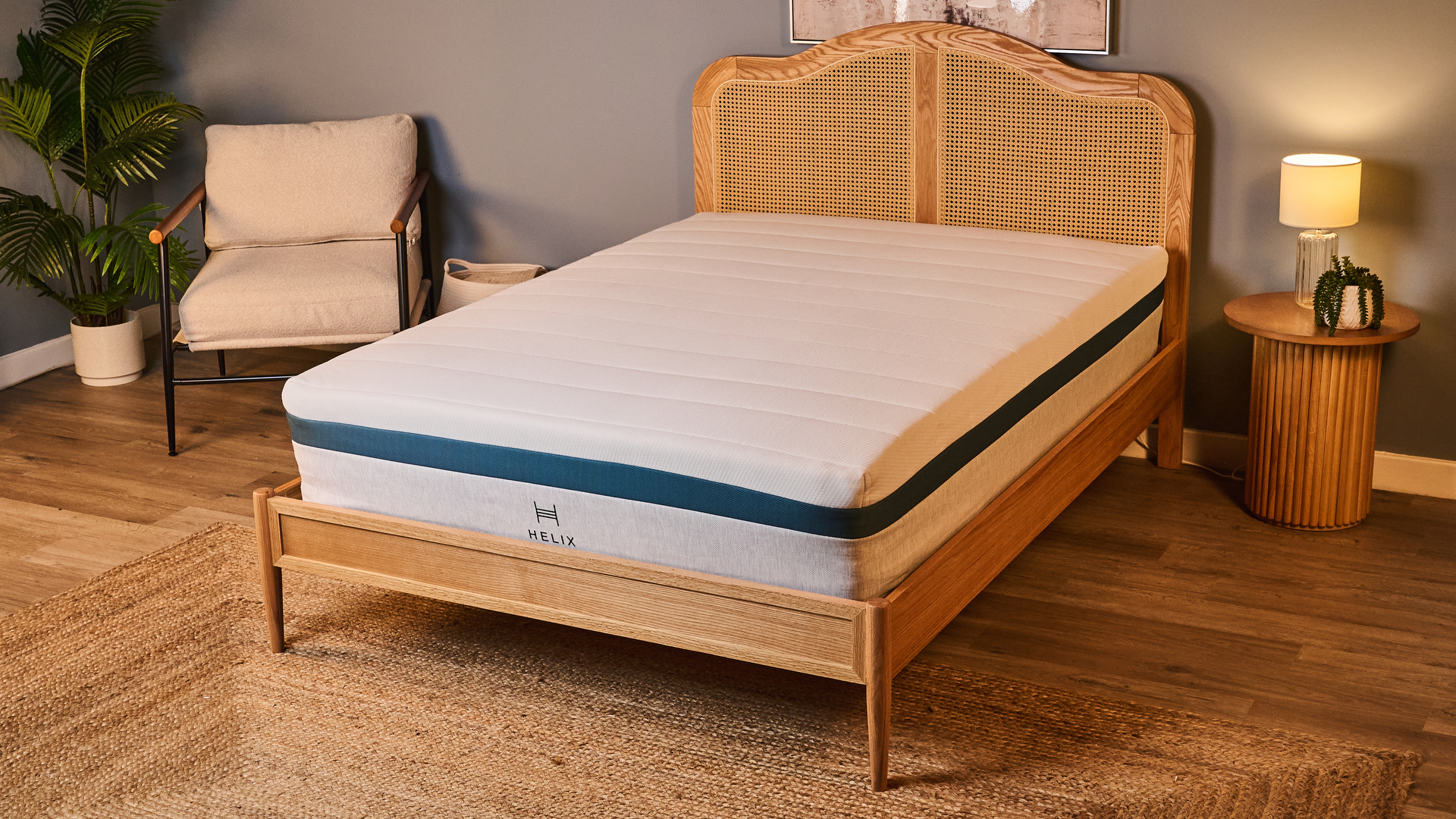
While memory foam mattresses offer body-molding comfort, innerspring beds offer support, breathability, and a responsive bounce. That’s why, over the past decade, we’ve seen the emergence of hybrid mattresses: a bed that combines foam and spring layers.
Because they offer “the best of both worlds”, hybrid mattresses tend to cost more than their innerspring and all-foam counterparts. However, that doesn’t mean they last forever – in fact, you can expect even the best hybrid mattresses (luxury ones included) to last no more than 10 years – as their springs can lose tension, just like the ones found in your classic innerspring.
The lifespan of your hybrid depends heavily on the quality of the springs or coils it uses, but most will last around seven to 10 years.
4. Latex
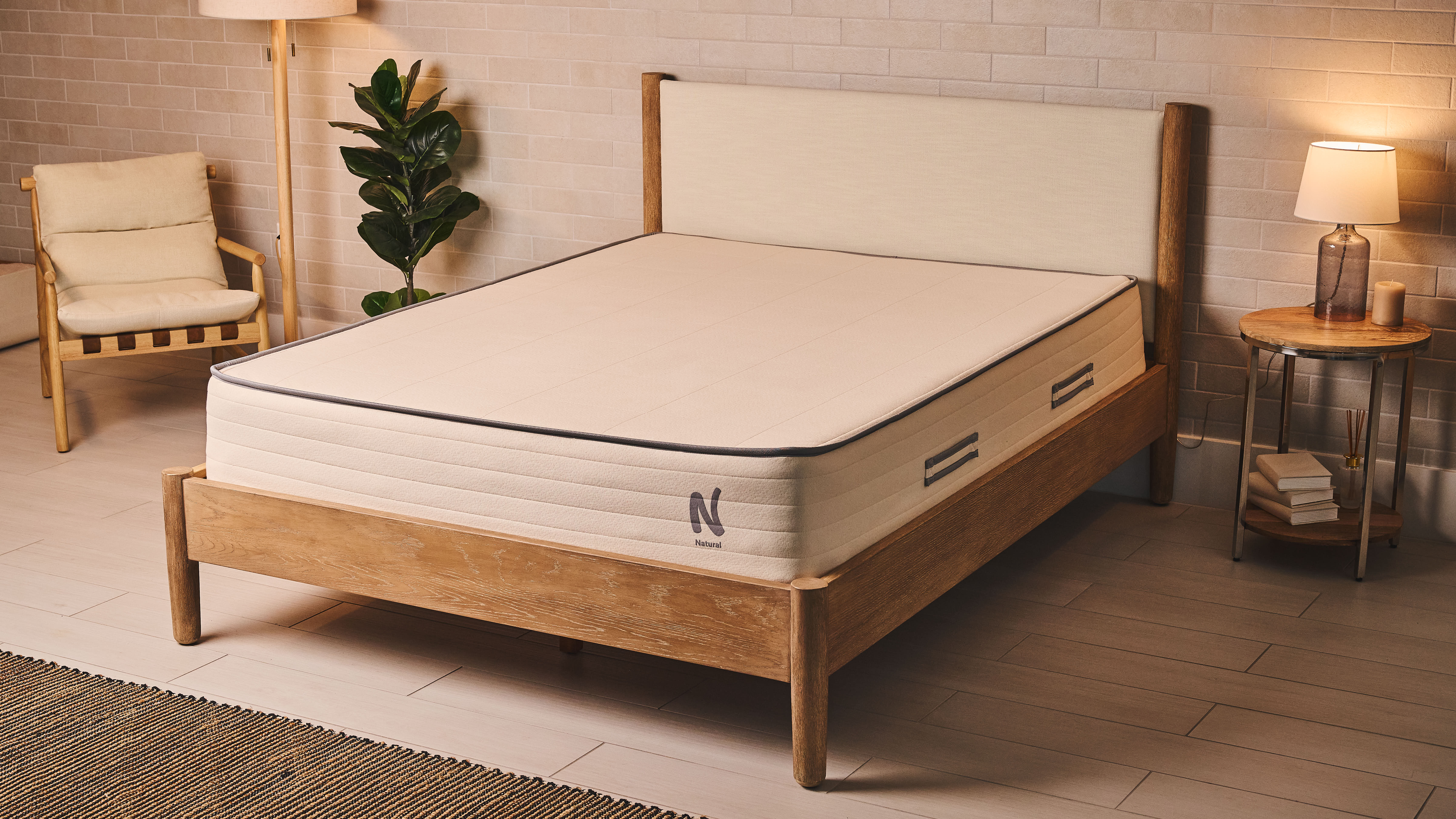

While the 10-year rule applies to most mattress types, latex mattresses are outliers. Latex is found in the best organic mattresses on the market, which tend to be luxury buys as latex is more expensive than standard foams. However it has a lot of natural benefits: it’s cooling, supportive, hypoallergenic, sustainable and (most importantly) durable.
The premium, long-lasting quality of latex means organic mattresses tend to last around 15 years on average. However, if the latex mattress is made entirely of latex foam and no springs, it can last up to 20 years (yep, it’s that durable).
How long a mattress lasts by price
1. Budget
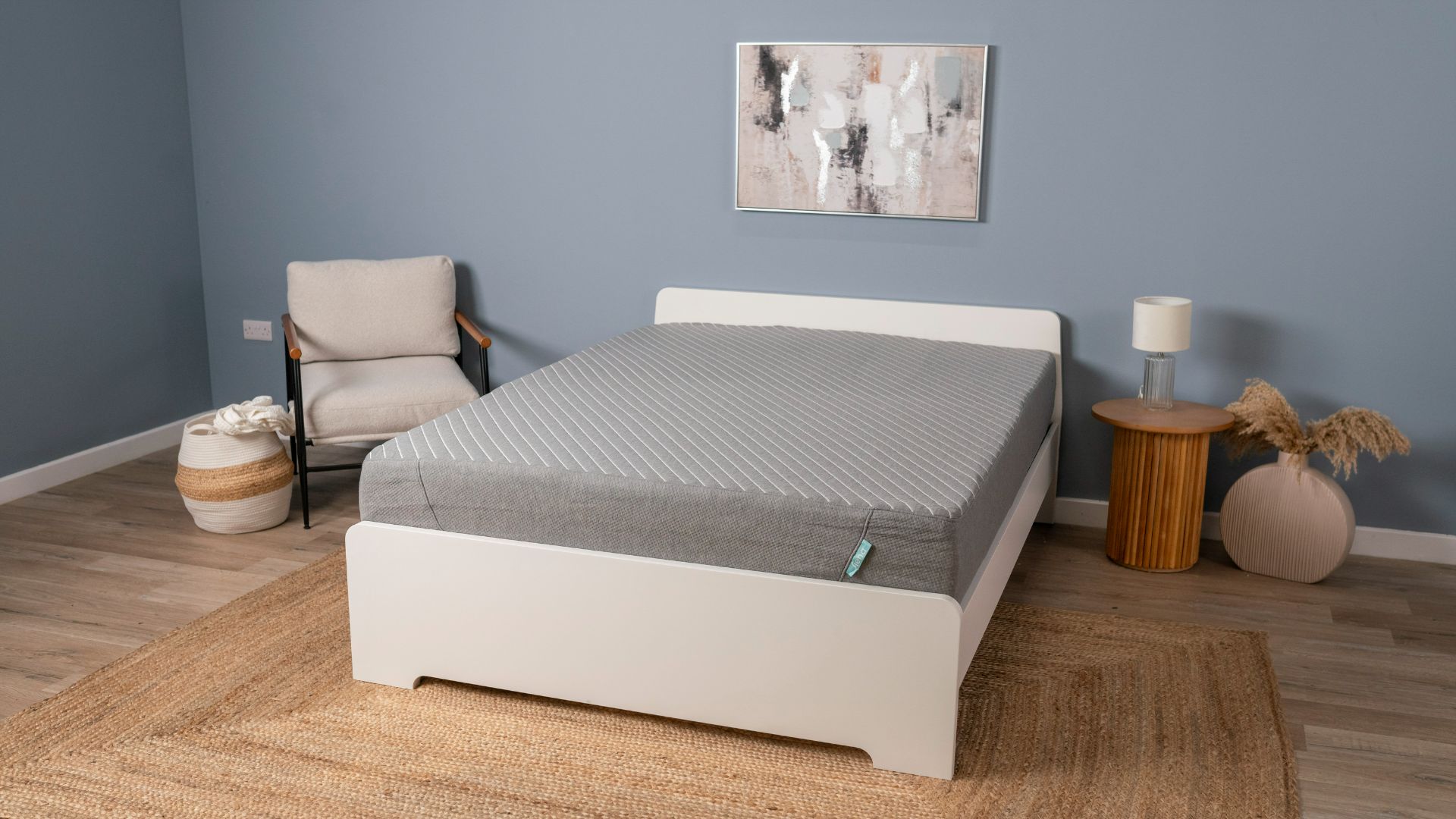
For instance, a budget memory foam mattress may not hit the 10-year mark if its foam layers aren’t as dense as higher-priced models. They also lack the level of temperature regulation found in mid-range and luxury memory foam beds, leading to heat and moisture build-up over time.
Budget hybrid mattresses are also more likely to fall at the lower end of the 7-10 year life expectancy range, as their coils and springs are less likely to withstand a decade’s worth of concentrated body weight.
2. Mid-range
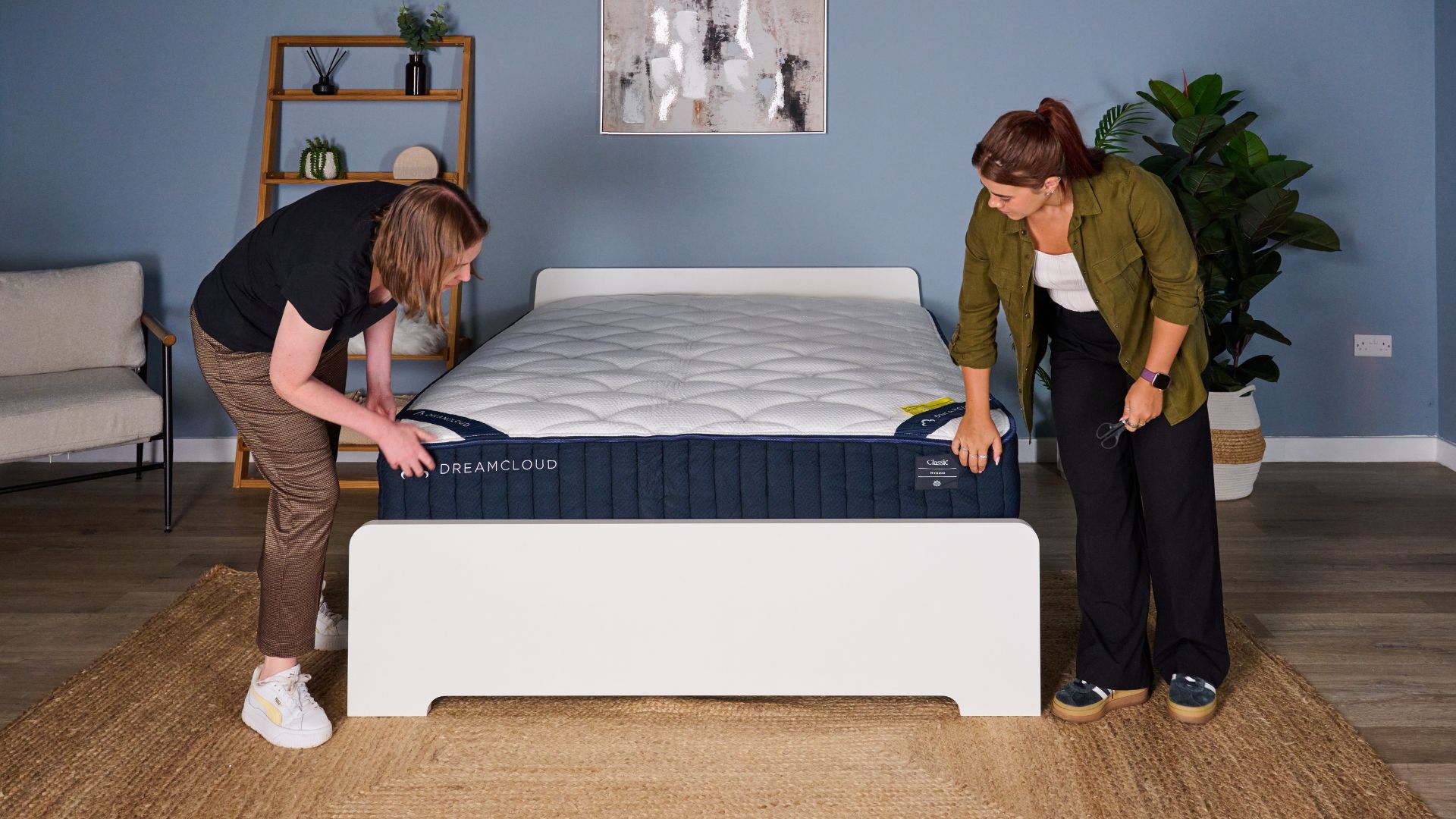
As for durability, mid-range mattresses can differ from model to model, so it’s best to check the materials. For instance, we found that the hybrid-designed DreamCloud Classic Mattress outperformed its mid-range price tag and offered luxury-level quality, mostly due to its coils being individually-wrapped in fabric to prevent coils from rubbing against each other.
Of course, if you spot any red flags that tell you to replace your mattress, then you should immediately do so. Otherwise, if you have a mid-range bed, it’s best to follow the 10-year replacement rule.
3. Luxury
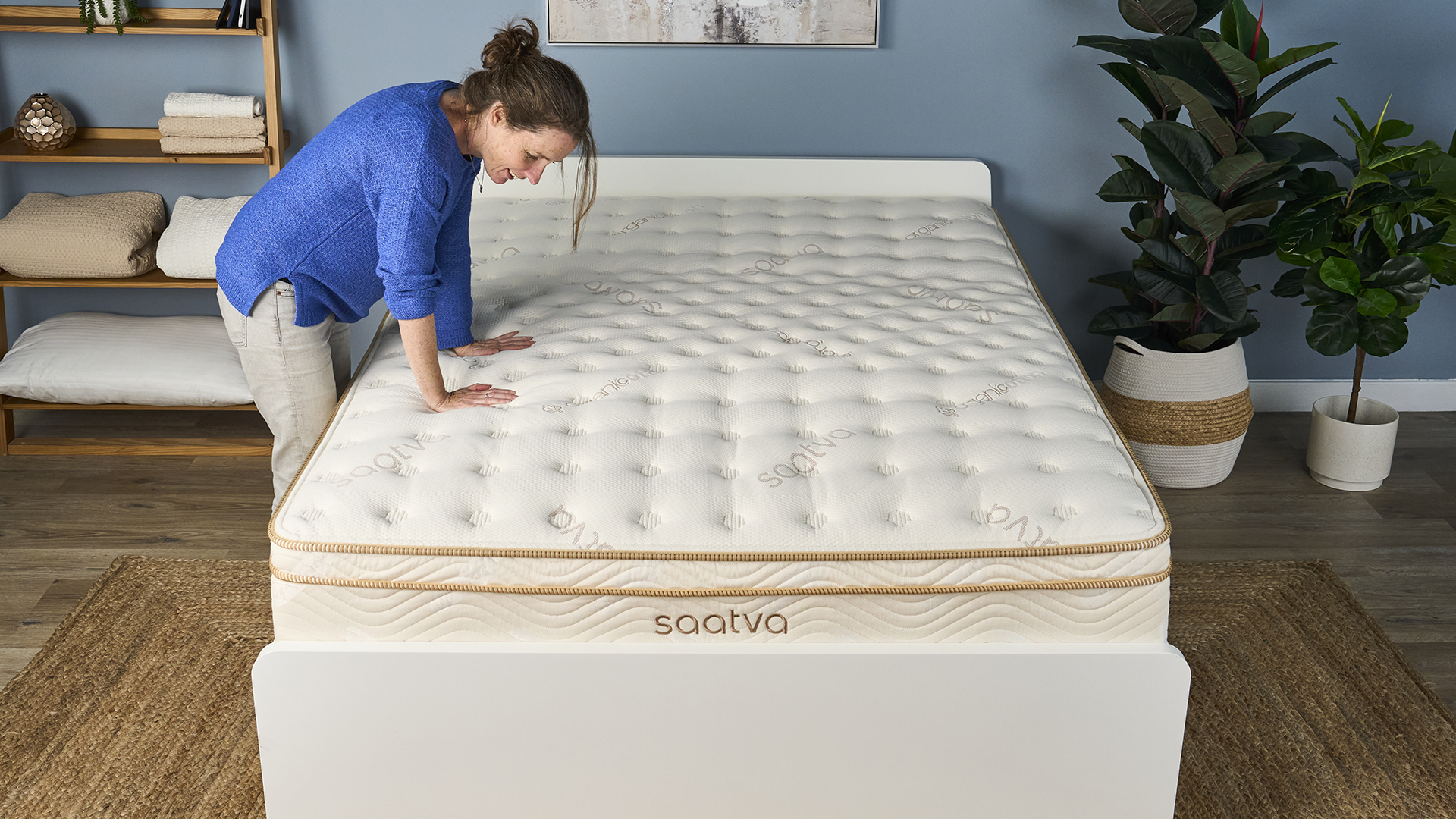
Despite being a hybrid mattress, its coils are more resistant to wear and tear as they’re made from industrial-strength 13-gauge tempered steel for “maximum durability” meaning it can most likely last a decade’s worth of repeated use.
Plus, the majority of latex mattresses are luxury, so if you’re put off by the high prices of an organic mattresses, you should know that they pay for themselves with their natural durability.
Most luxury mattresses should last at least 10 years, with some organic mattresses lasting up to 20 years.
The one sign that your mattress is built to last


Most mattresses today come with mattress warranties, which guarantee that a bed will be replaced, refunded, or repaired if there’s a manufacturing issue. Not only do warranties cover a wide range of problems (from loose seams to broken coils), they also provide a pretty good indicator of how long a mattress will last.
For example, a standard warranty lasts 10 years, and this length is found in both luxury and budget mattresses. However, many reputable and premium brands, such as DreamCloud and Saatva, offer lifetime warranties. While a mattress of any quality is unlikely to last a lifetime, a long warranty (anything over 20 years) is clear sign that a mattress is built to last.
Source link
-
-
-

-
-


