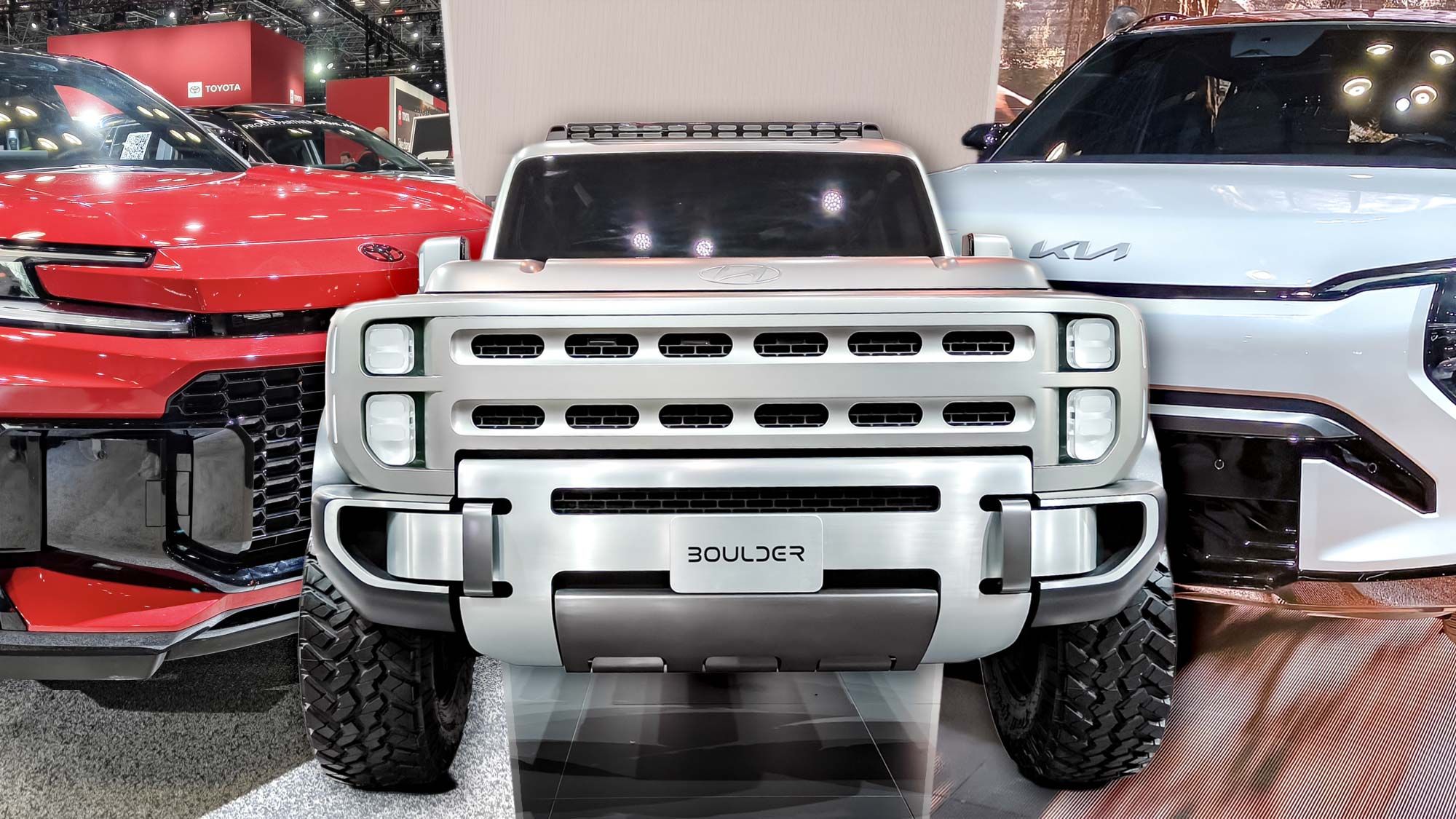
The 2026 New York Auto Show is a showcase for carmakers to tease and hype up their lineups, but this year’s show proves why EVs aren’t going anywhere, anytime soon.
Electric vehicles don’t just have fancy new tech that makes them feel like the future is here, they actually present a practical solution for the current volatility of global gas prices.
Believe me, the $4+ per gallon of regular unleaded gasoline I’m seeing now is a gut punch over the $3 I’ve been seeing for the past year. That’s important because just about every manufacturer at the show had some kind of electric vehicle at their booth, including hybrid cars that I think car buyers should, at the very least, consider.
Article continues below
Kia EV3
Image 1 of 3
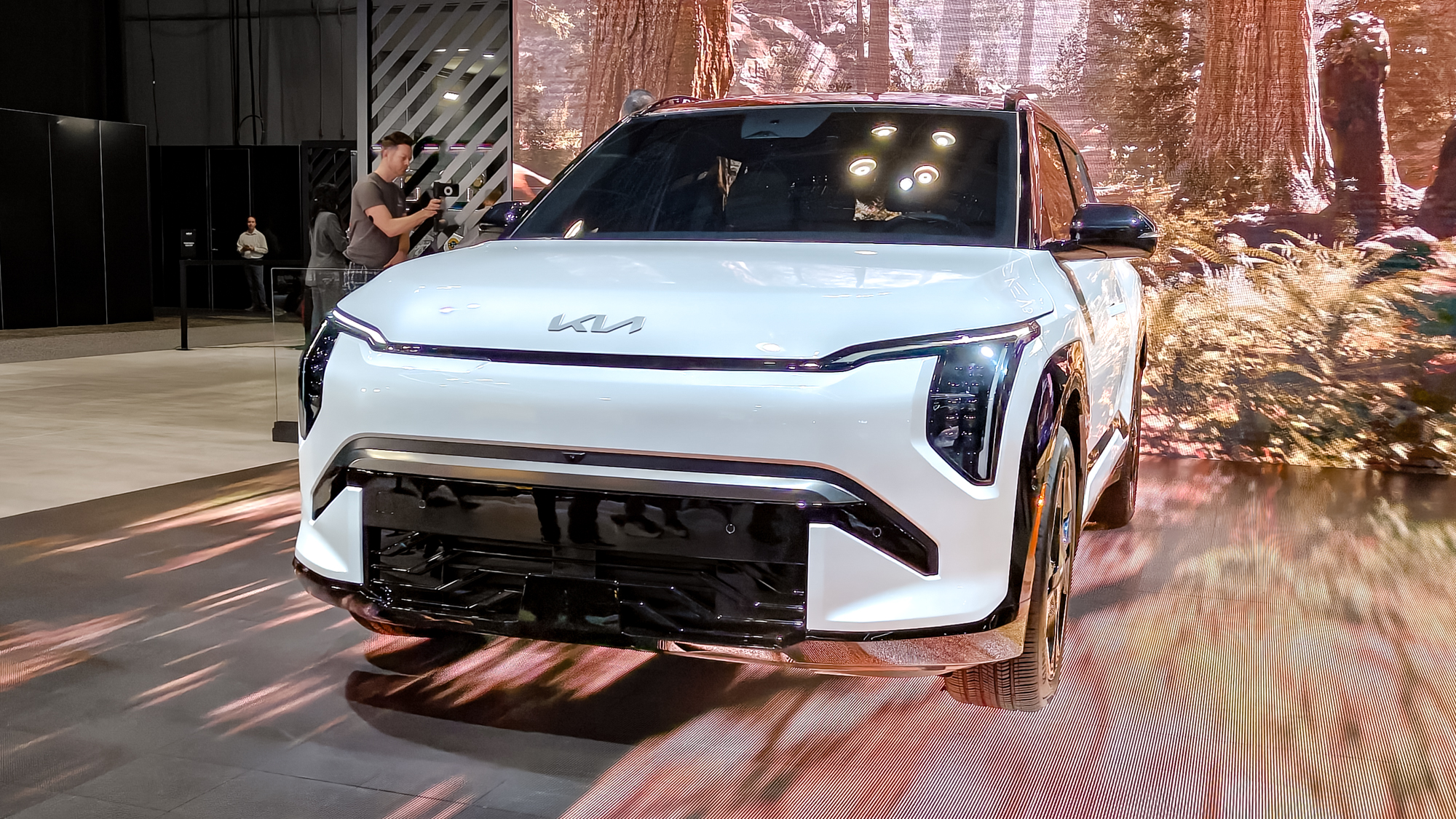
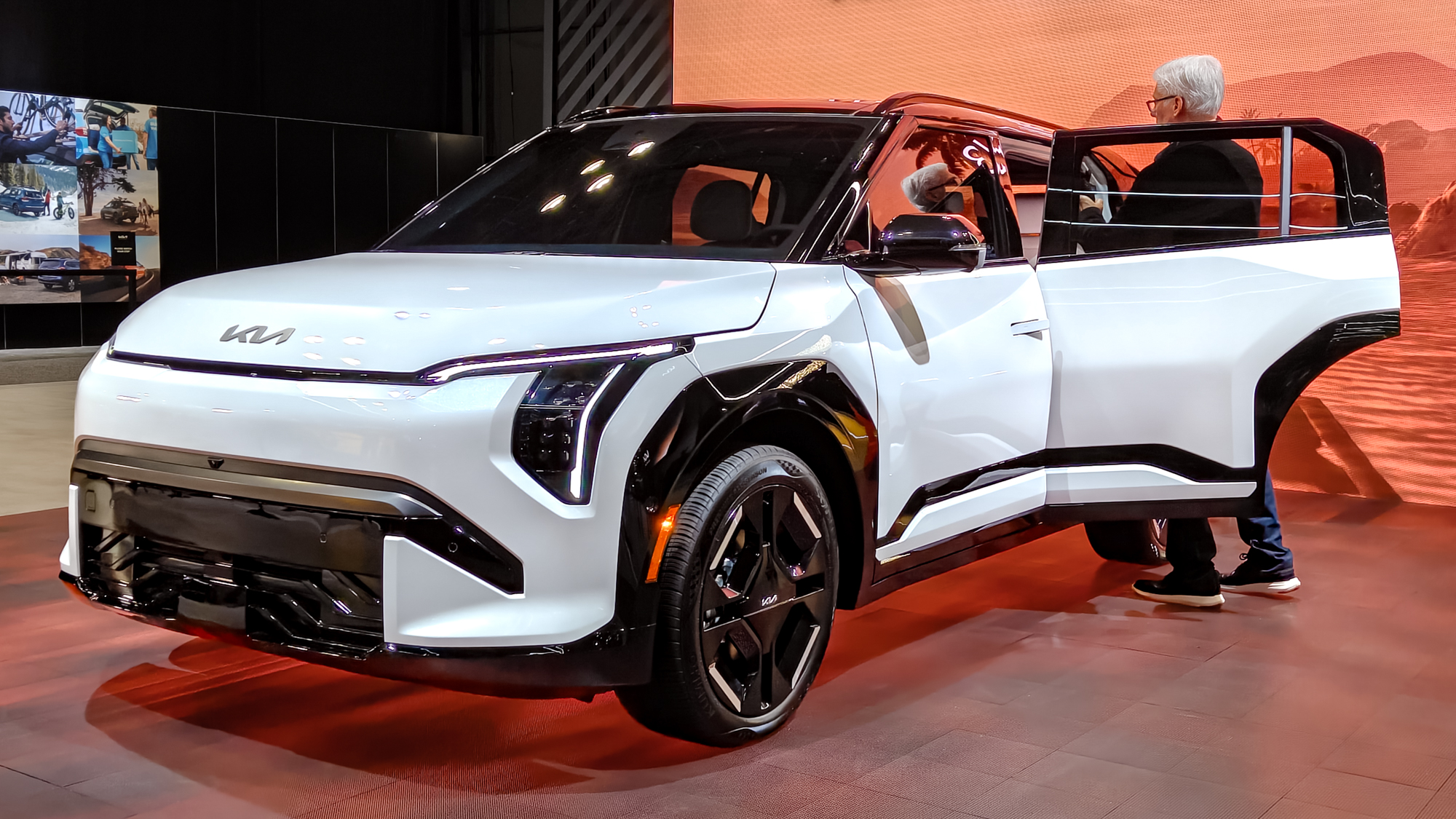
Stepping inside, the layout immediately reminded me of the Kia Sportage Hybrid I tested earlier this year. For most people, it offers the utility to comfortably seat five while providing a spacious trunk for hauling gear. Another impressive stat is its range, which is reportedly going to deliver up to 320 miles with the Wind FWD trim. That should definitely give other budget-friendly options, like the next-gen Nissan Leaf, a run for their money
That’s saying a lot, especially since EVs have a notorious reputation for being ultra-expensive — one of the primary reasons critics argue the EV revolution has stalled. By starting at under $40,000, the Kia EV3 gains a massive advantage; when you factor in the lower cost of recharging, it’s clear this SUV will save owners significantly more money in the long term.
Hyundai ‘Boulder’
Image 1 of 8
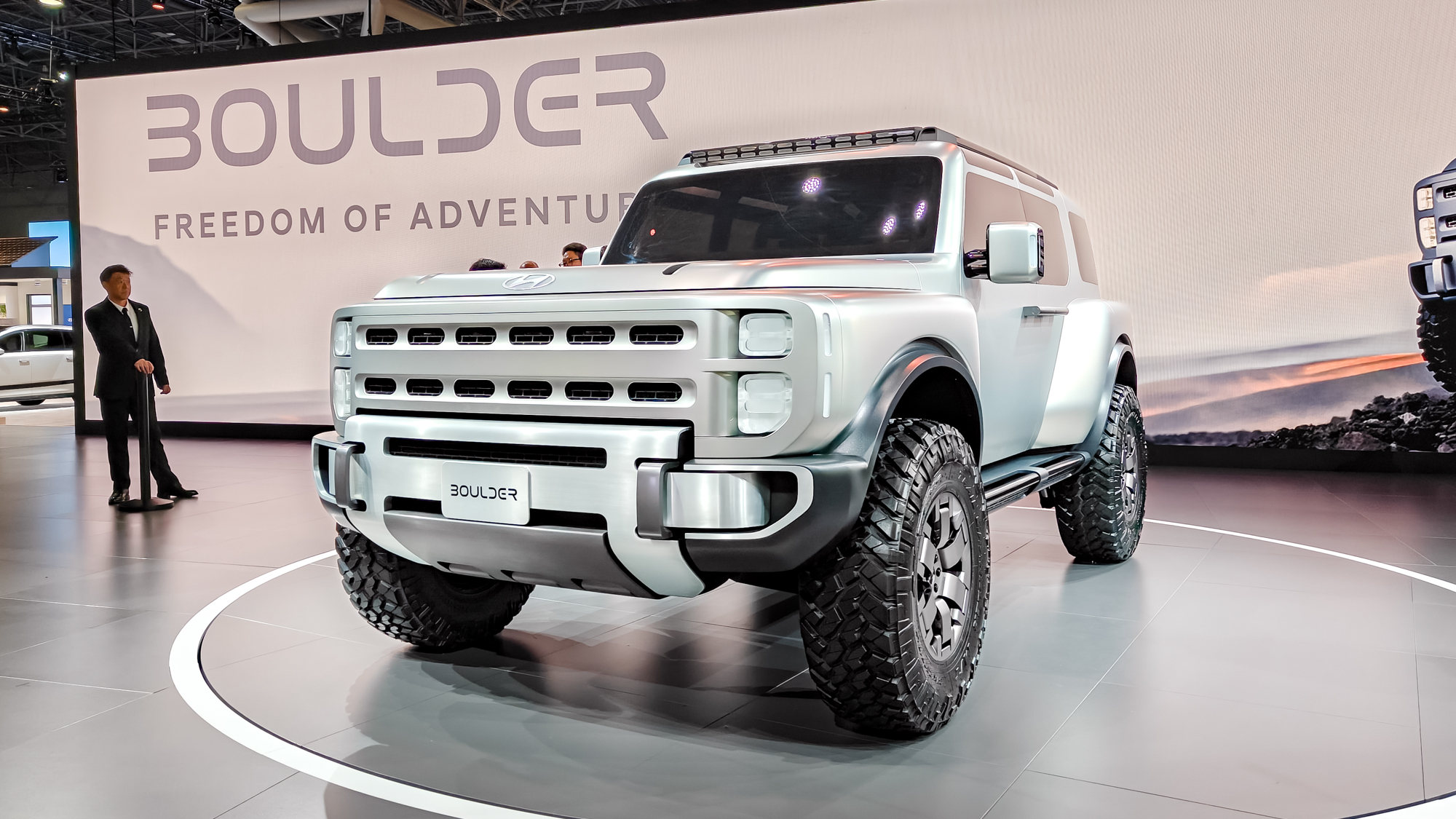
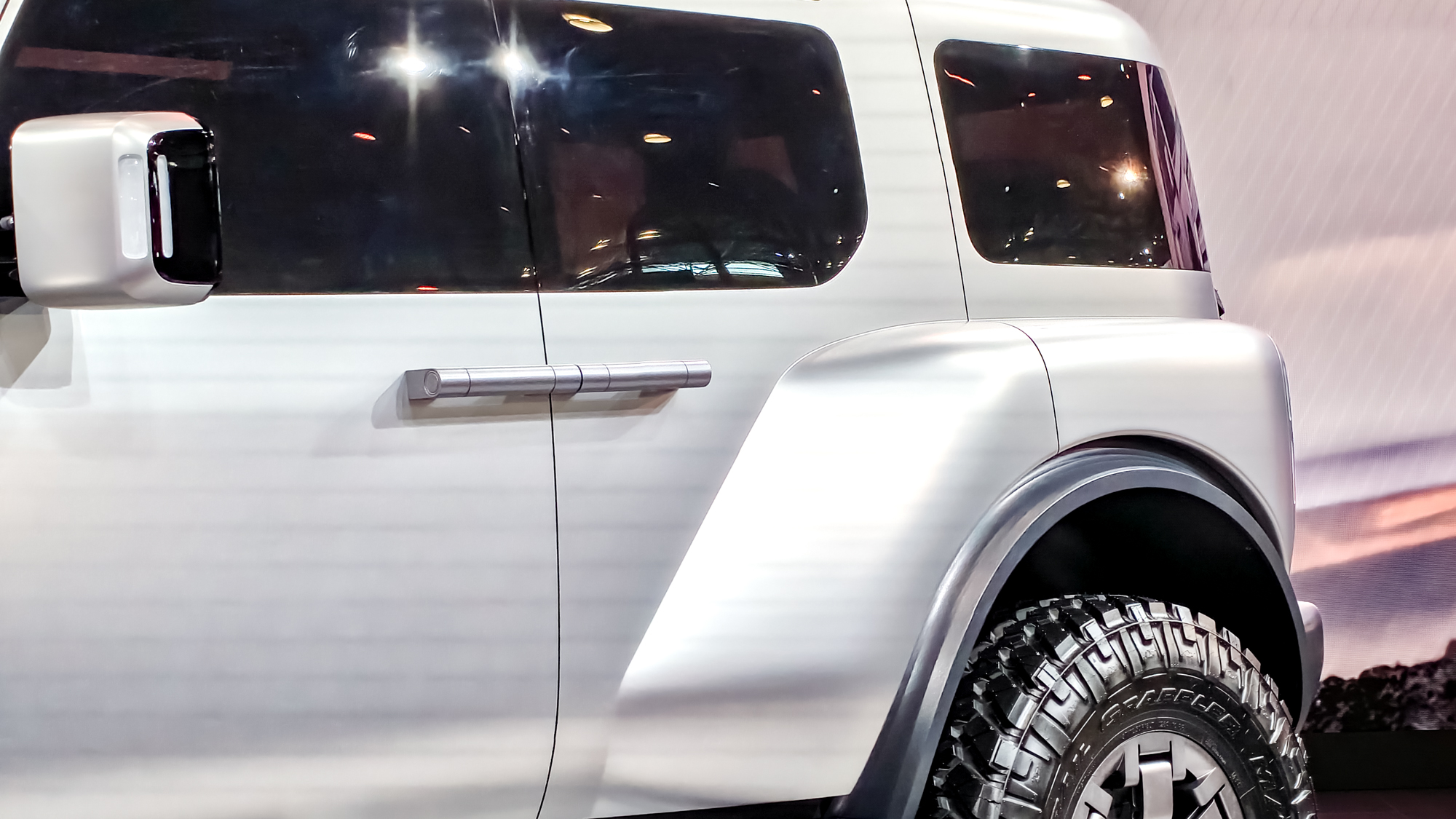
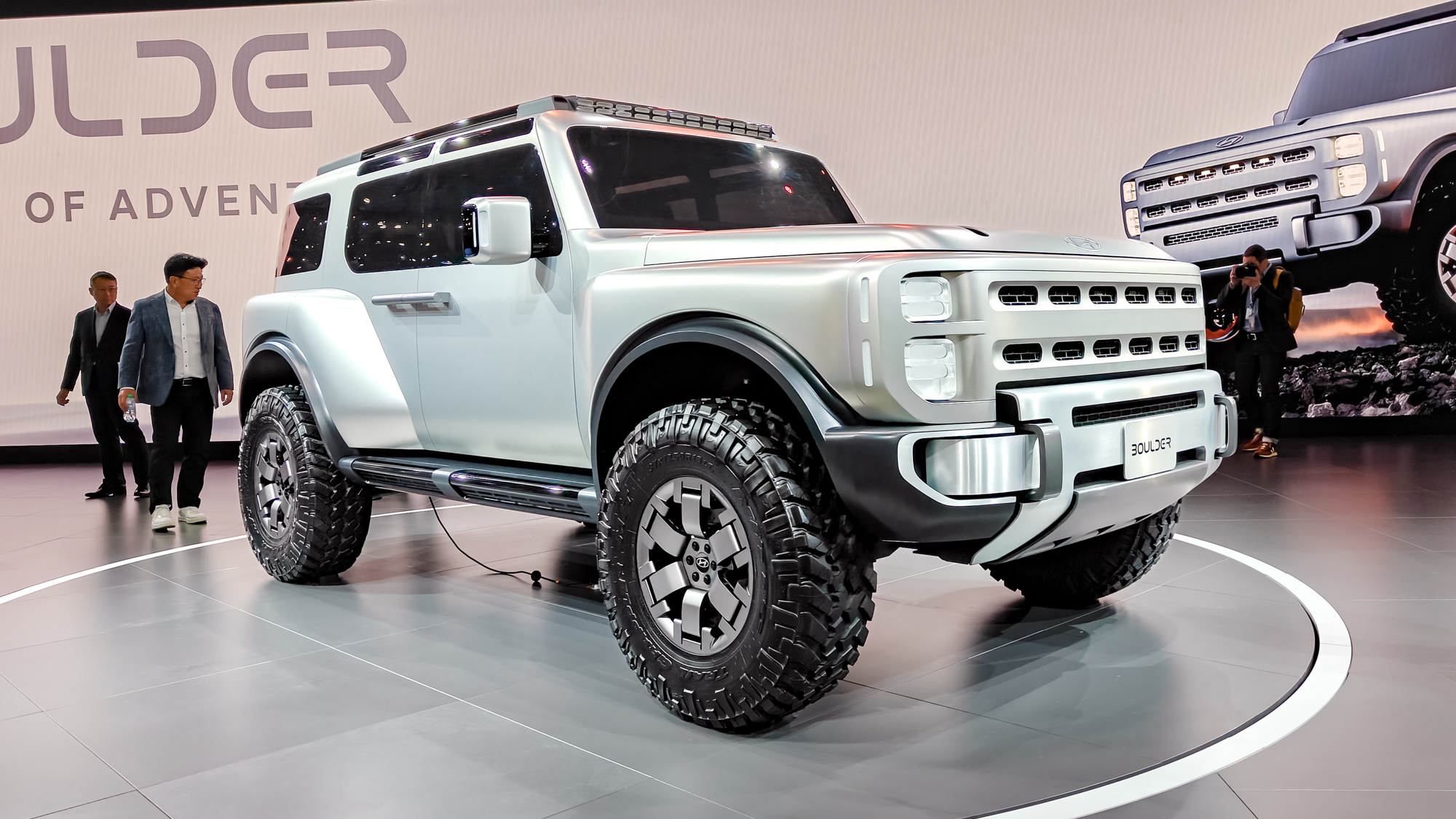
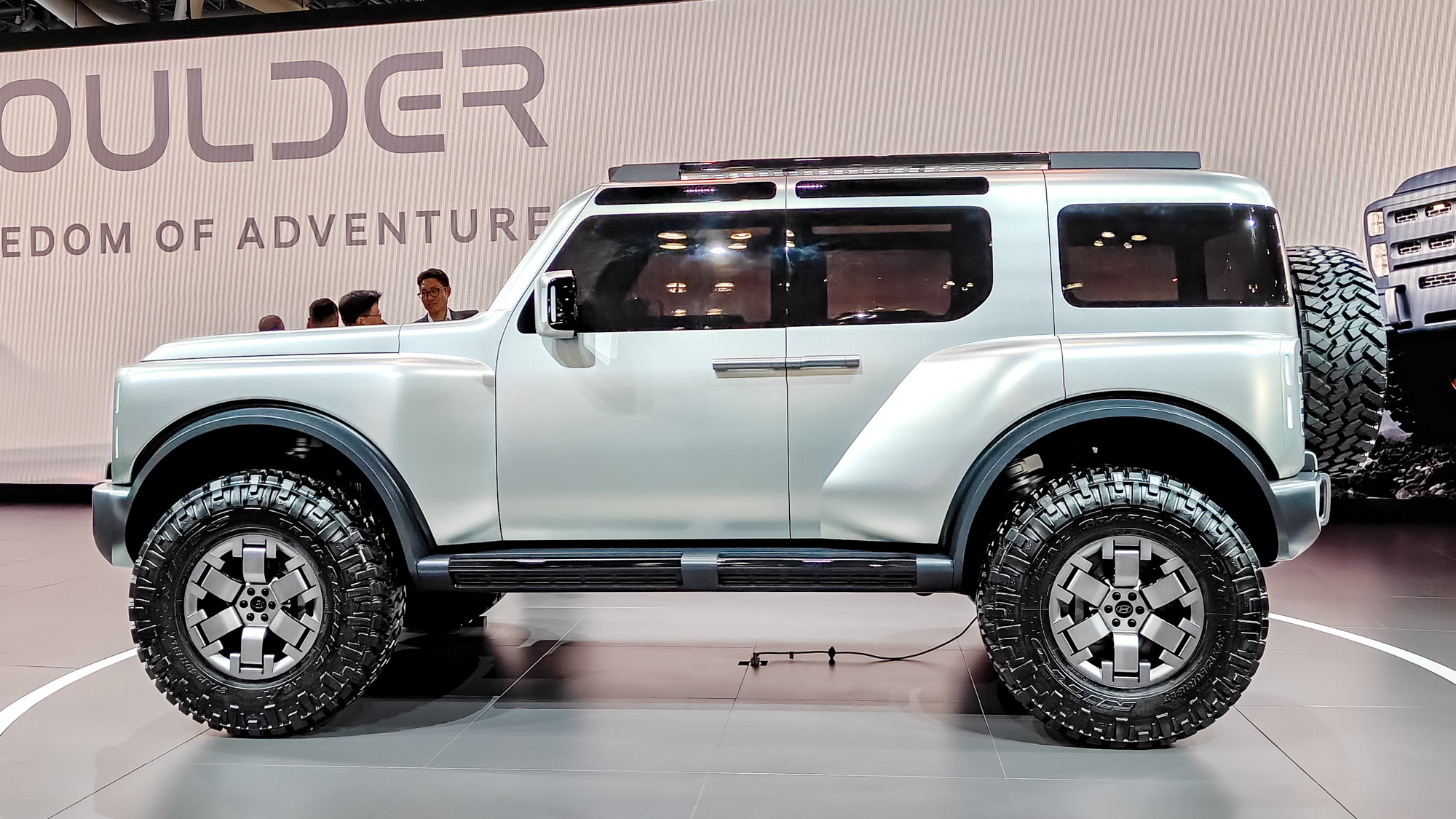
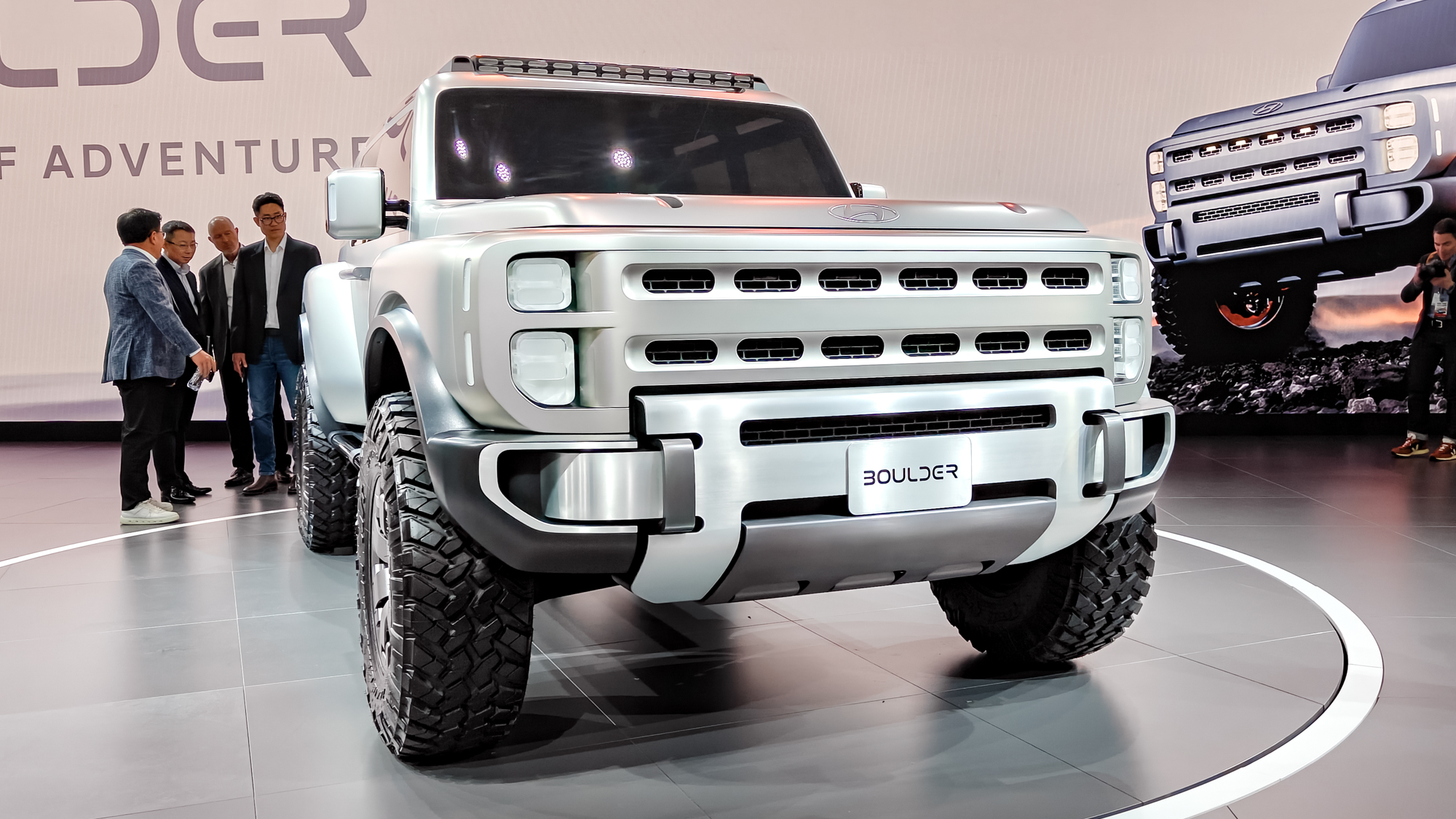
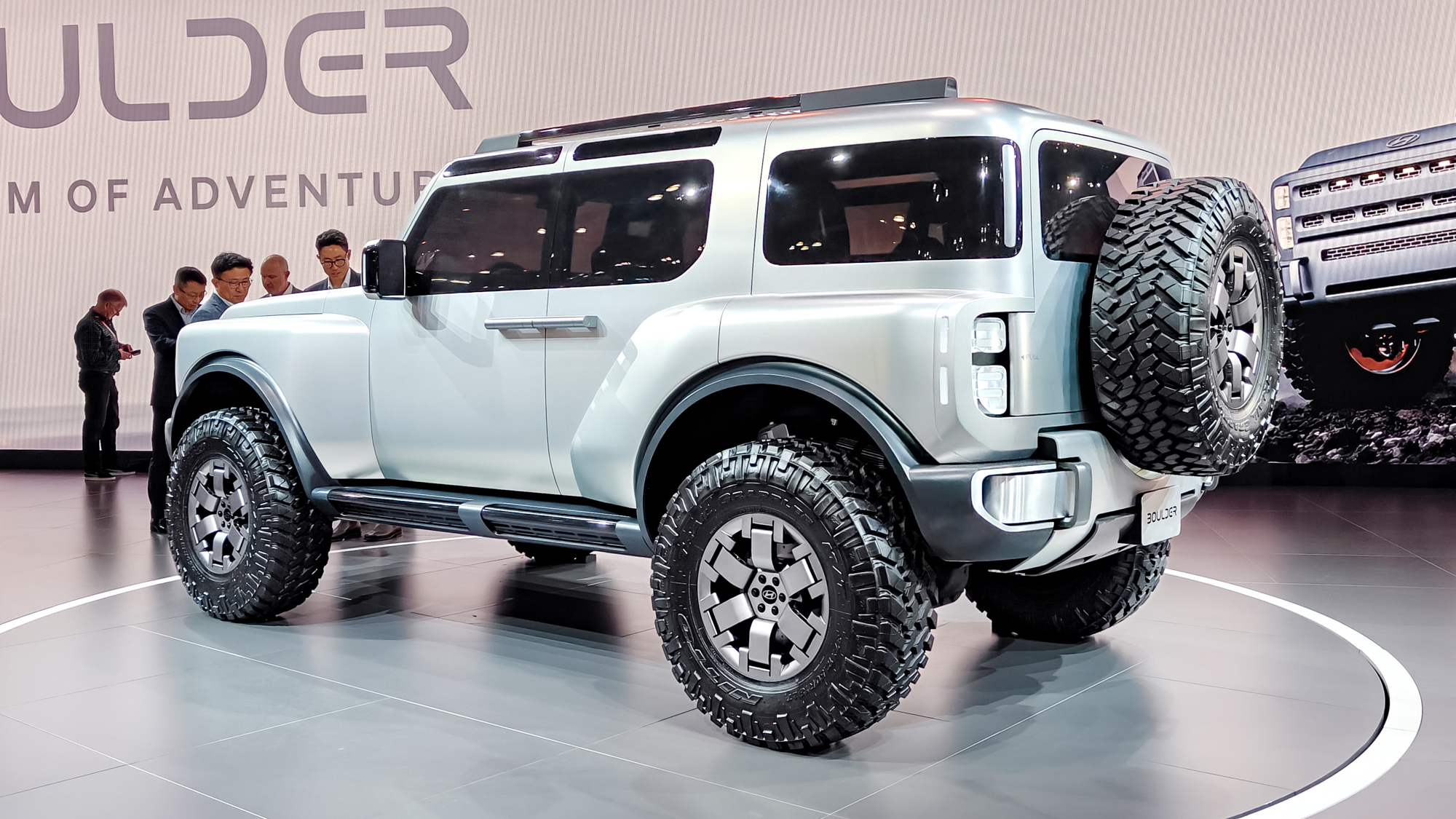
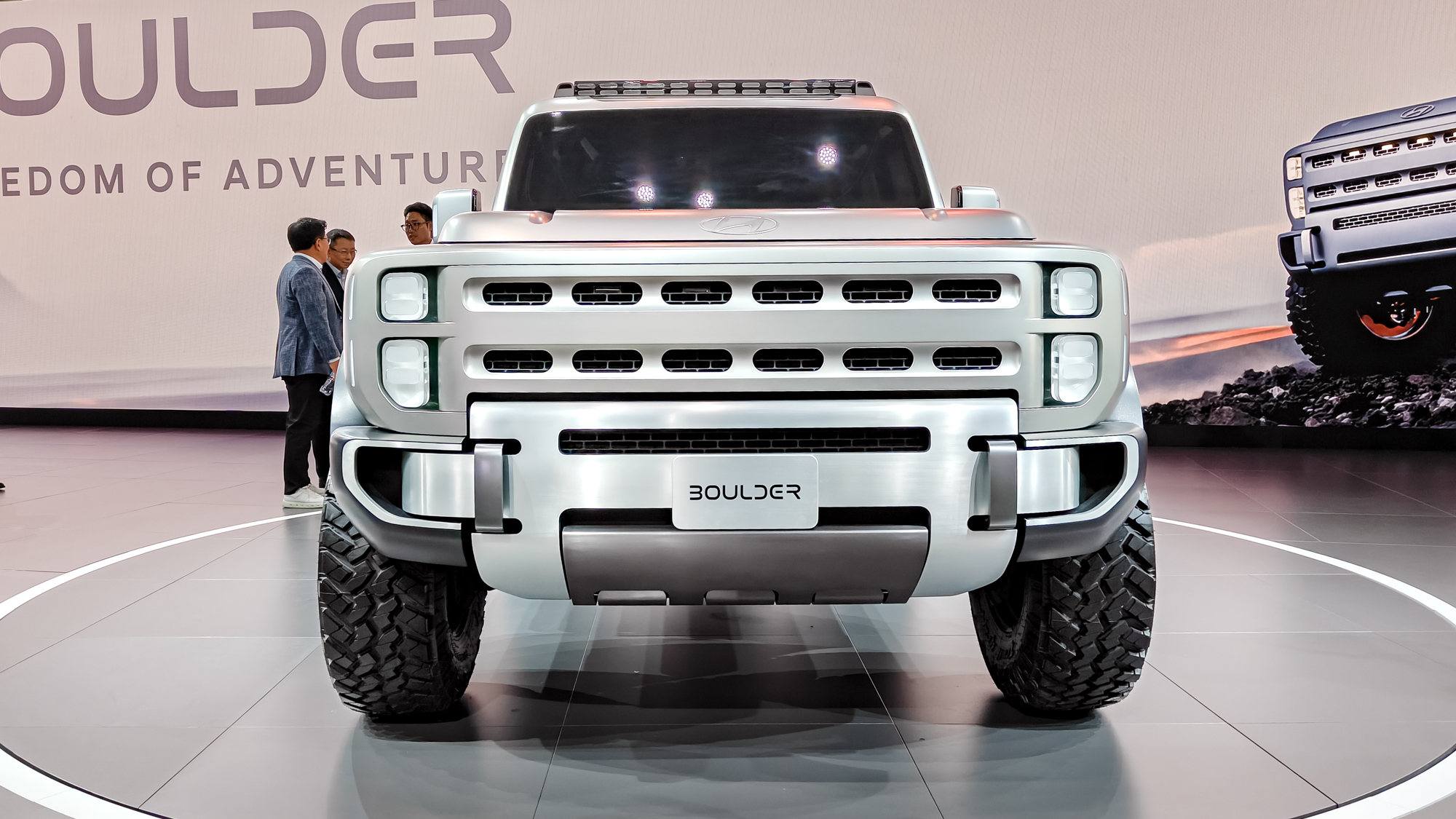
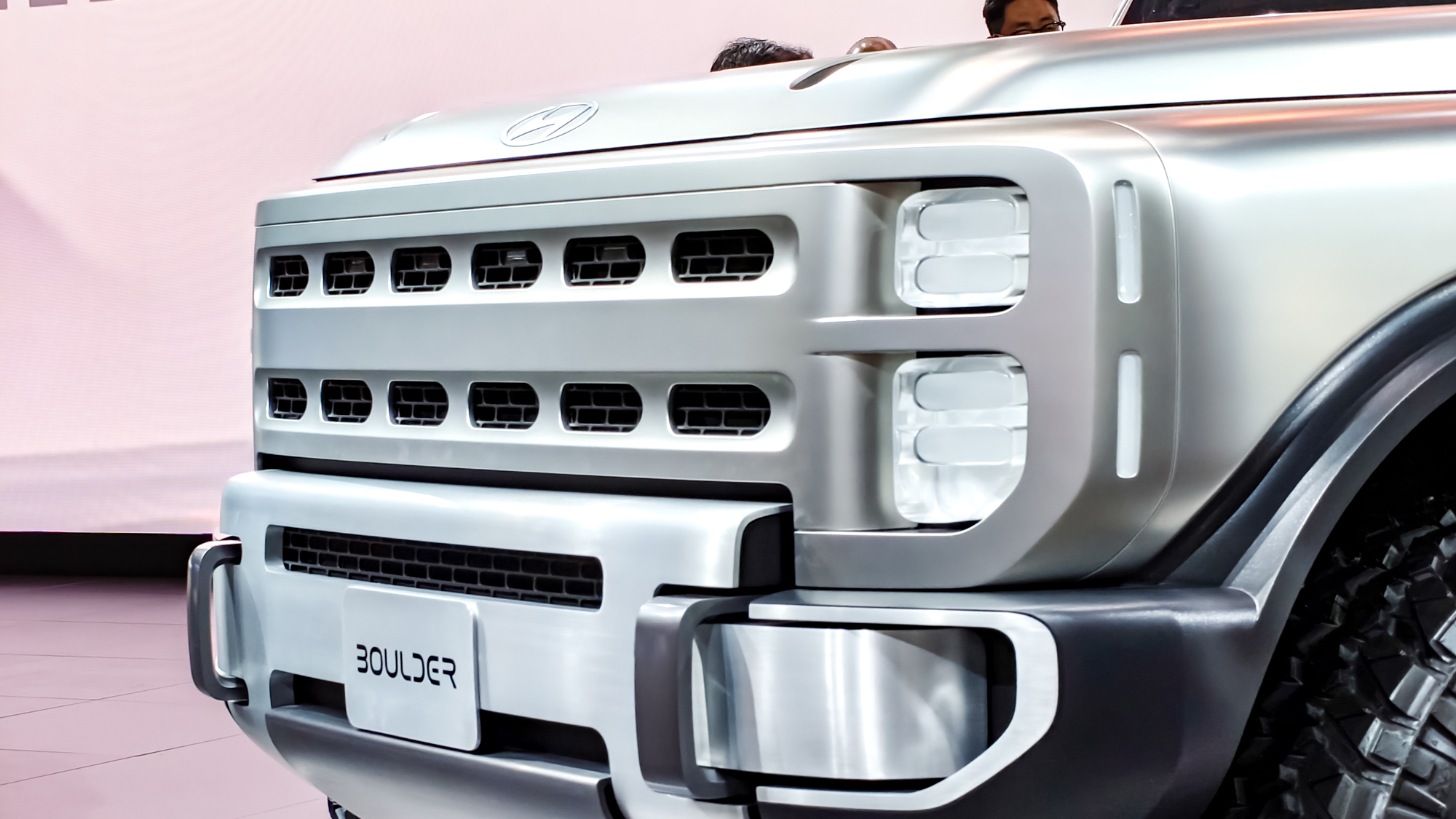
When Hyundai announced it was discontinuing my favorite pickup truck, the Santa Cruz, I was heartbroken. Having just driven it for a week, I was convinced it could have been the perfect foundation for an electric pickup. Instead, the company has shifted gears, focusing its efforts on a larger, body-on-frame midsize platform.
That’s why the reveal of the Hyundai Boulder at the 2026 New York Auto Show took me by complete surprise. While still a concept, the Boulder clearly takes a page out of the Ford Bronco’s playbook with its boxy, commanding stance — but it adds a high-tech twist.
This concept serves as the foundation for the automaker’s first body-on-frame midsize pickup, arriving by 2030. Its rugged construction makes it look more like a space-age off-roader than anything else on the floor.
First, I couldn’t help but notice the polished metal exterior: it reminds me of the premium aluminum-bodied phones I’ve reviewed over the years. Second, those massive 37-inch all-terrain tires make it clear this beast is suited for the trail, not just the open road.
Although technical details remain scarce, I’m as eager as everyone else to see exactly how this concept evolves into a production reality.
Subaru Getaway
Image 1 of 7
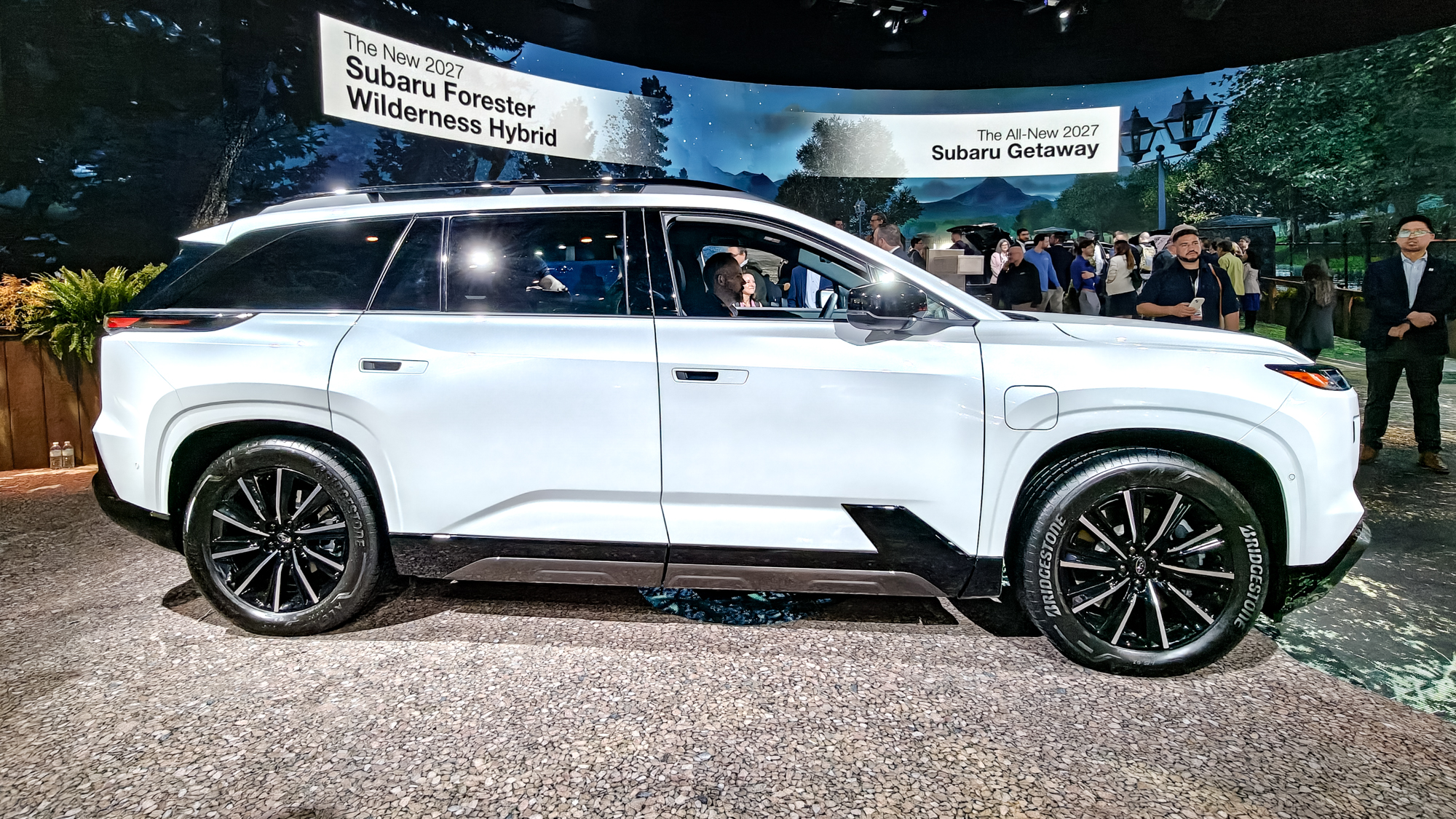
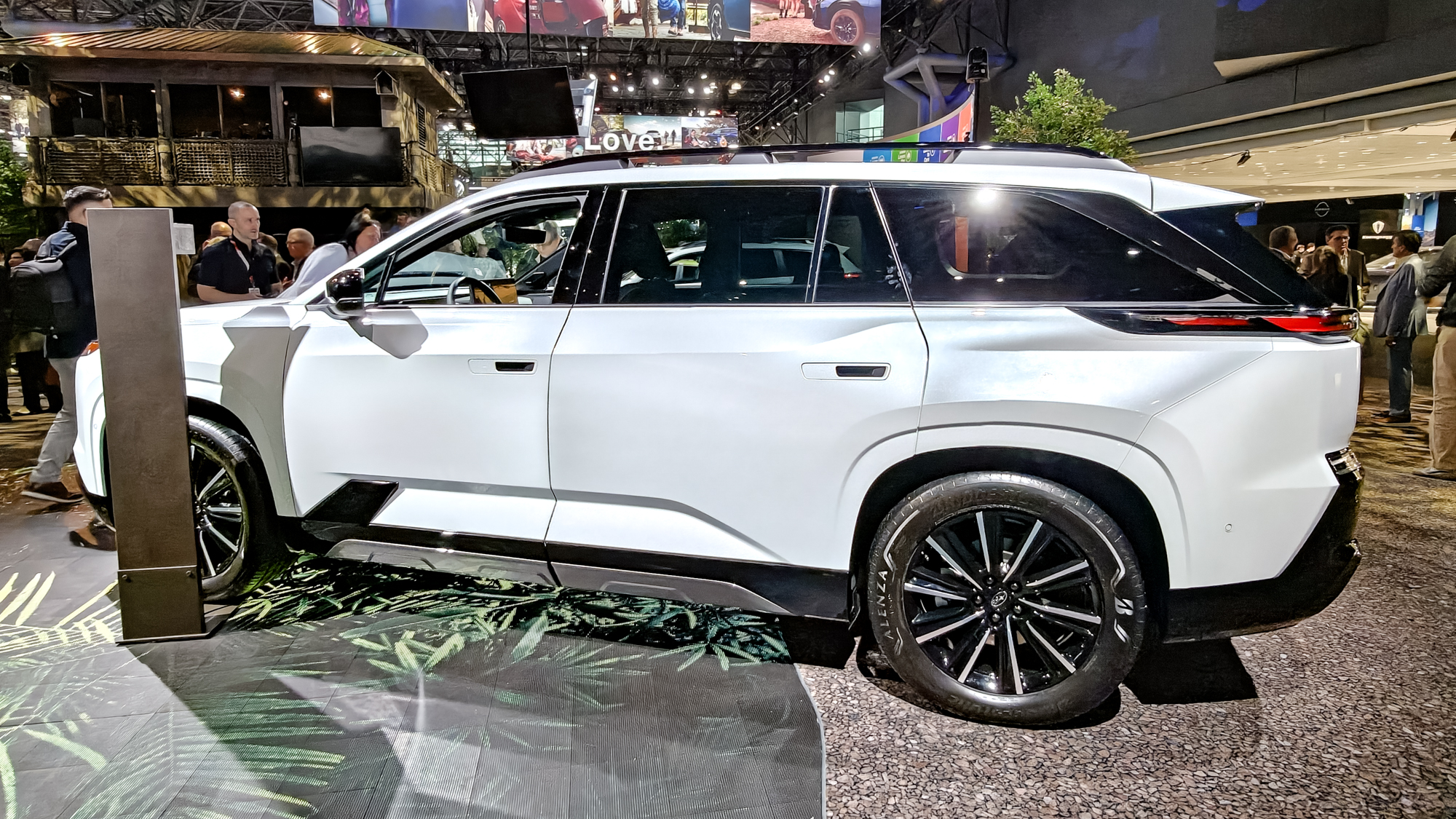
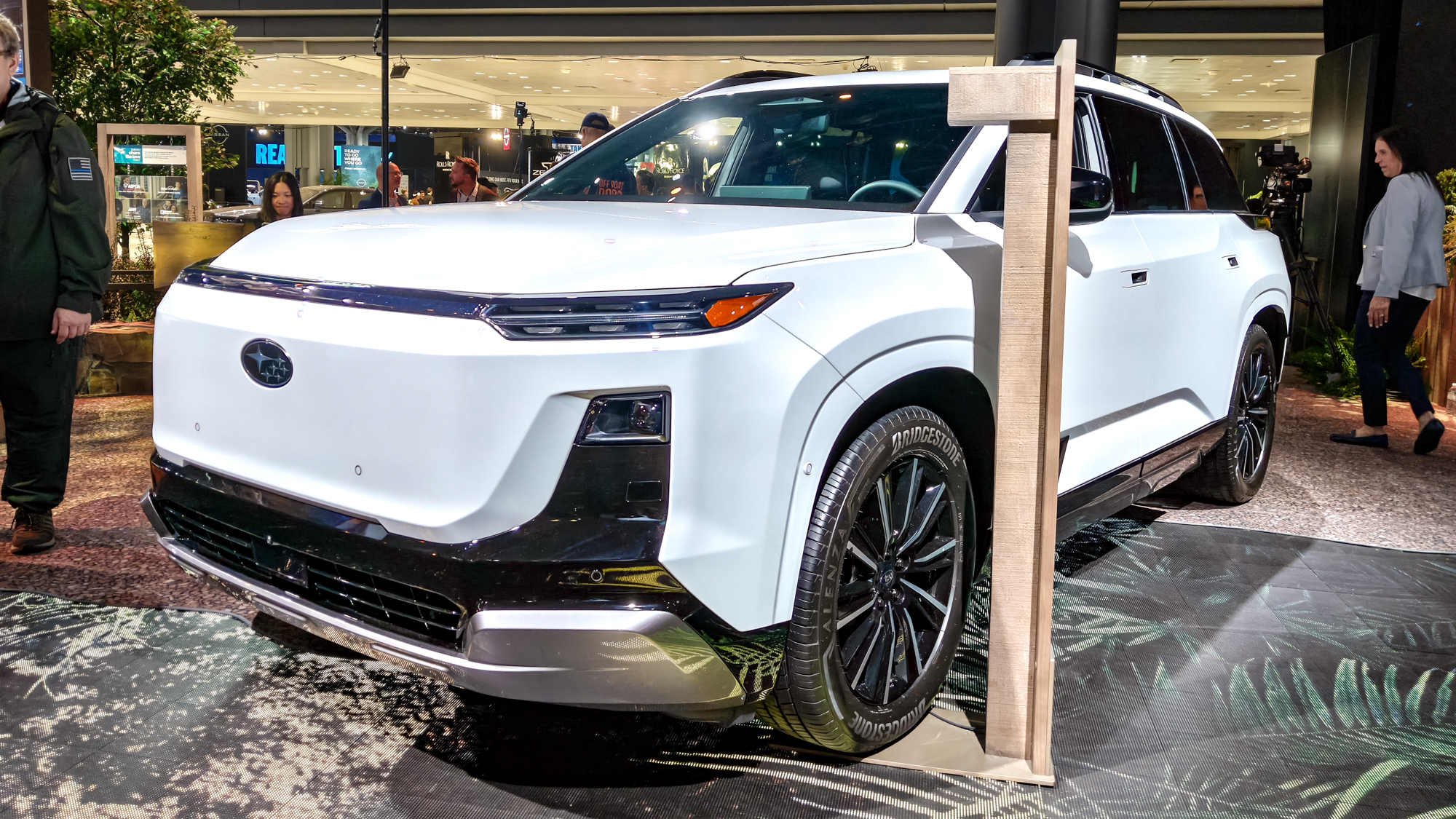
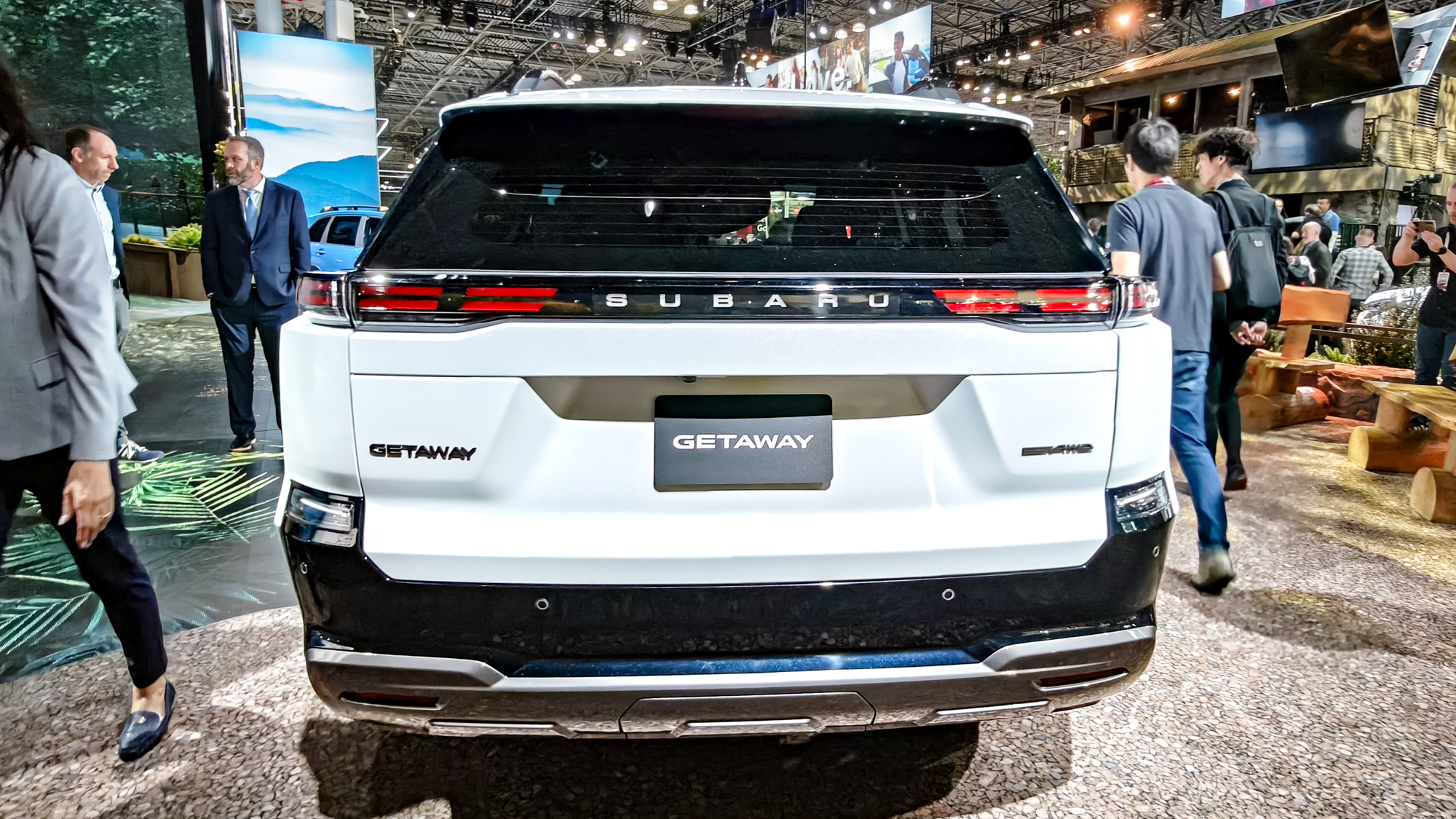
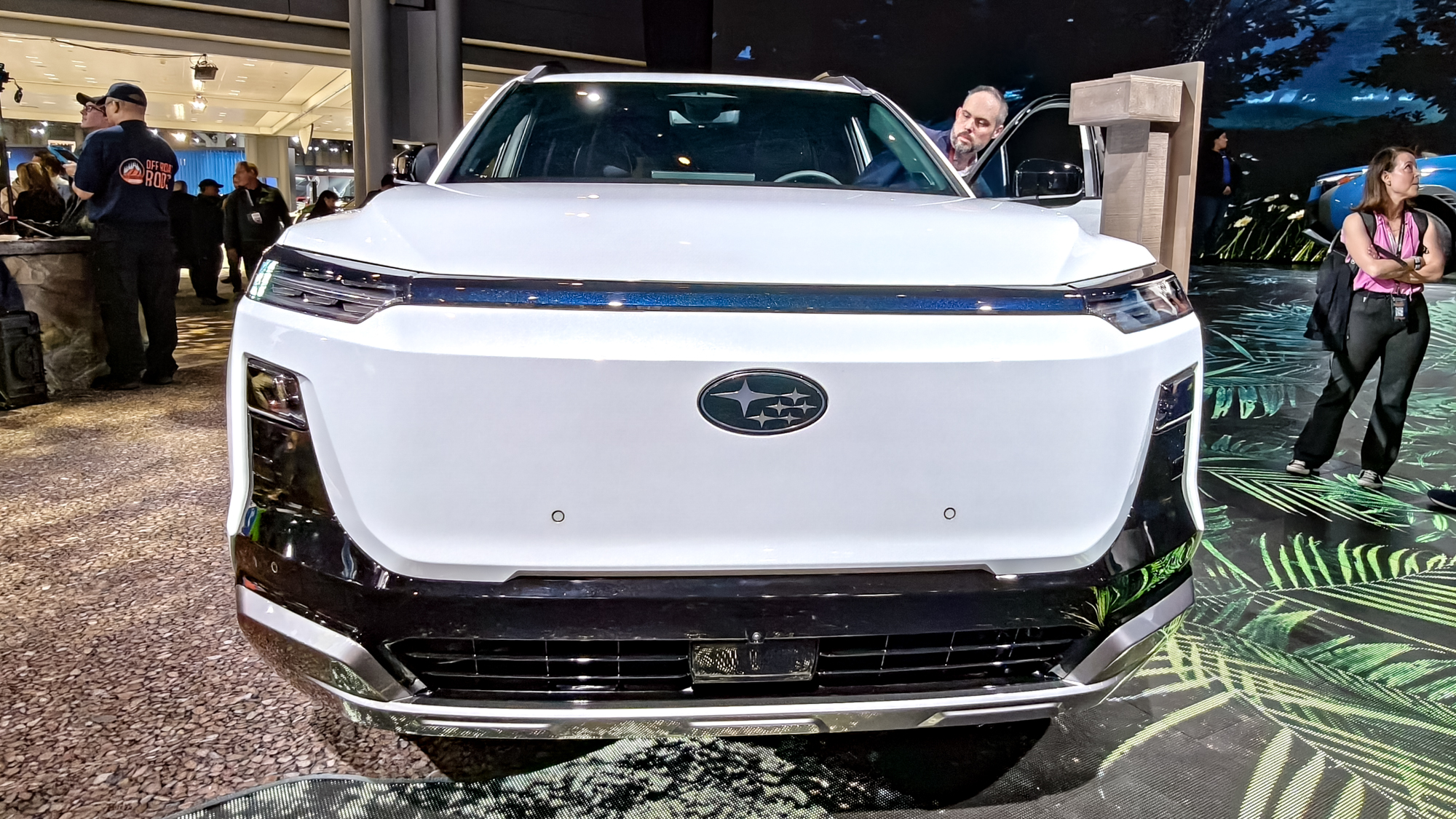
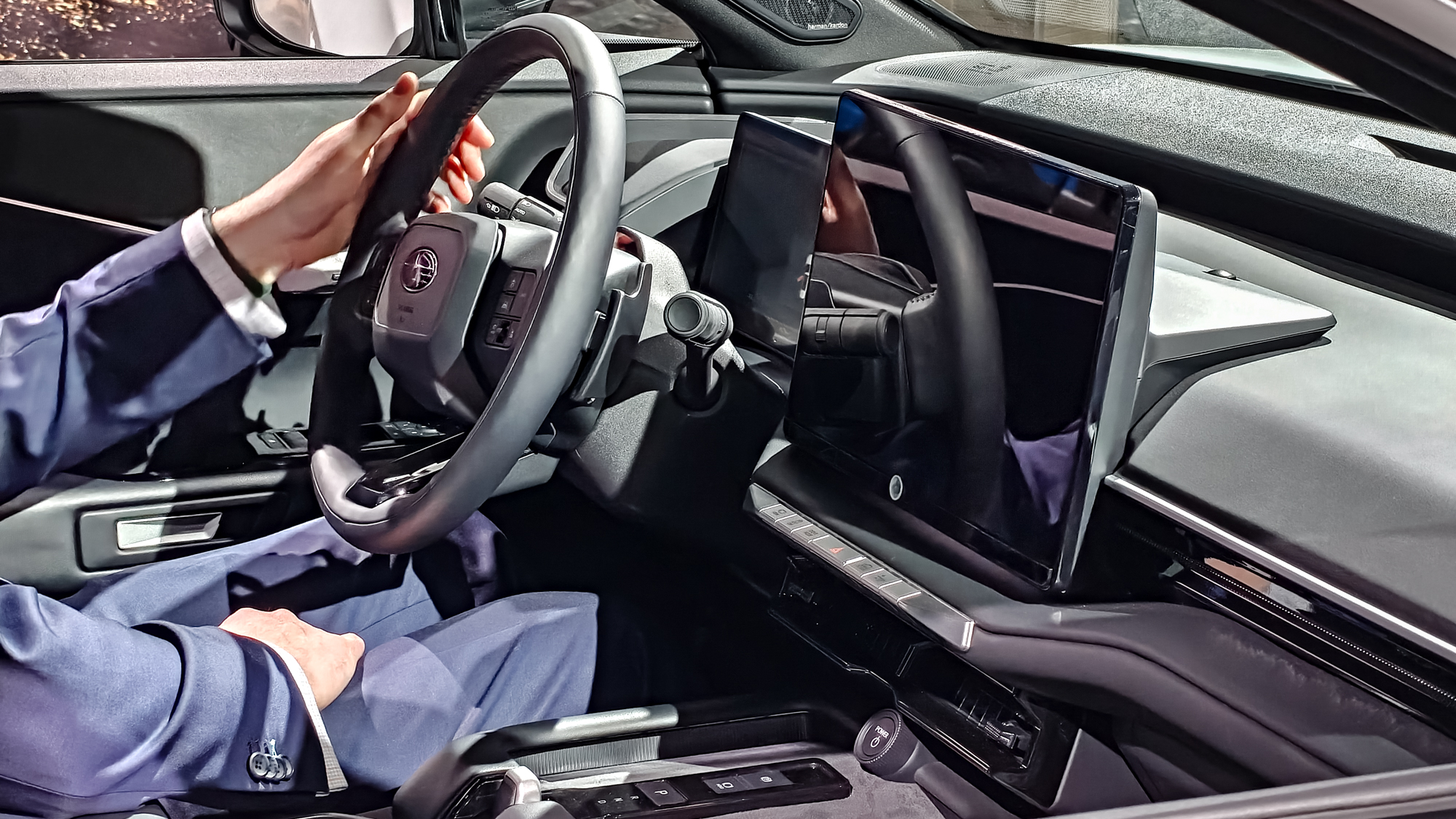
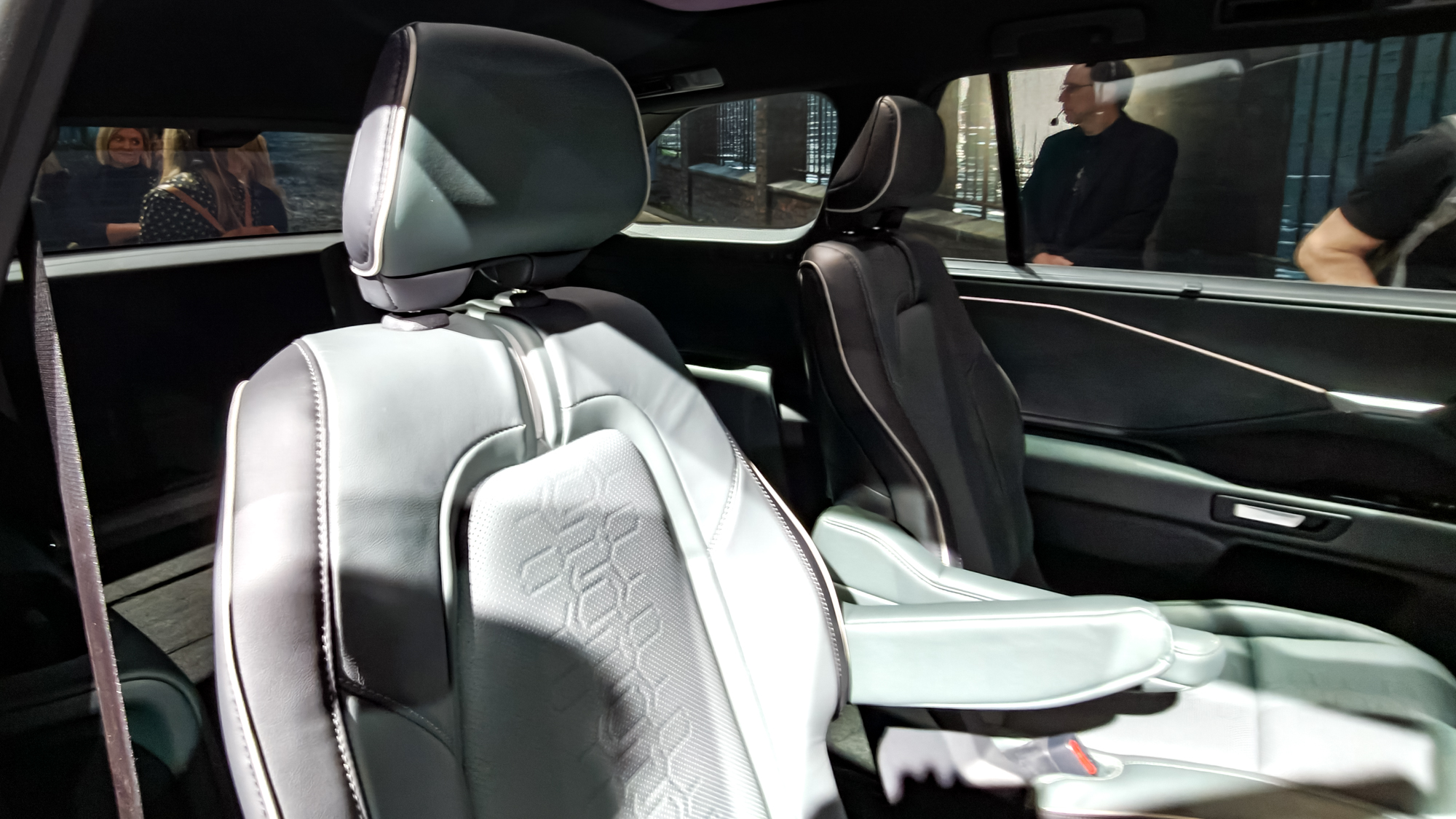
Subaru has been busy building out its lineup of EVs, and the Subaru Getaway is a massive addition to that list. This three-row, all-electric SUV gives Subaru a robust selection that complements the Solterra, Uncharted, and Trailseeker already in the stable. Just like its siblings, the Getaway features a sporty-meets-aggressive design that I really dig.
You can expect around 300 miles of range here, backed by a dual-motor setup that delivers 420 horsepower. This makes it the most powerful electric vehicle Subaru has produced to date, capable of a 0 to 60 mph sprint in under five seconds. Inside, I’m a huge fan of the second-row seats because of how they recline much like the captain’s chairs I’ve tested in other three-row SUVs, like the Hyundai Ioniq 9.
However, I’m curious to see how efficient it actually is. The previous Subaru Solterra I tested for a week earned my vote for most improved EV because it reached an efficiency of 4.2 mi/kWh — falling just short of the smaller Hyundai Kona Electric in becoming the most efficient EV I’ve tested. Naturally, I don’t anticipate the Getaway being quite as efficient given the payload it’s carrying, but I’d be thoroughly impressed if it comes close.
Pricing for the 2027 Subaru Getaway is expected to land in the mid-$50,000 range when it arrives later this year.
Volvo EX90
Image 1 of 7
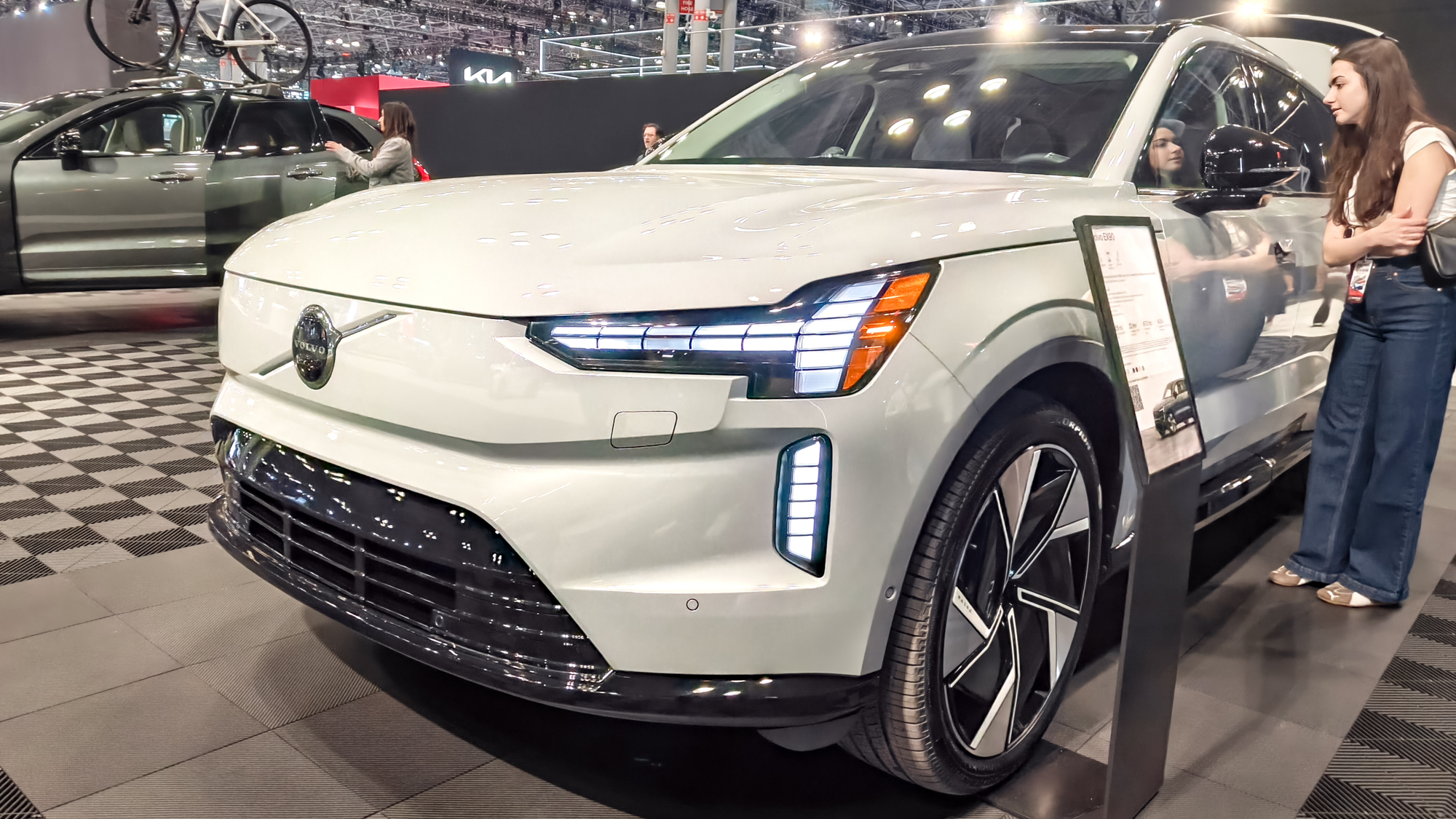
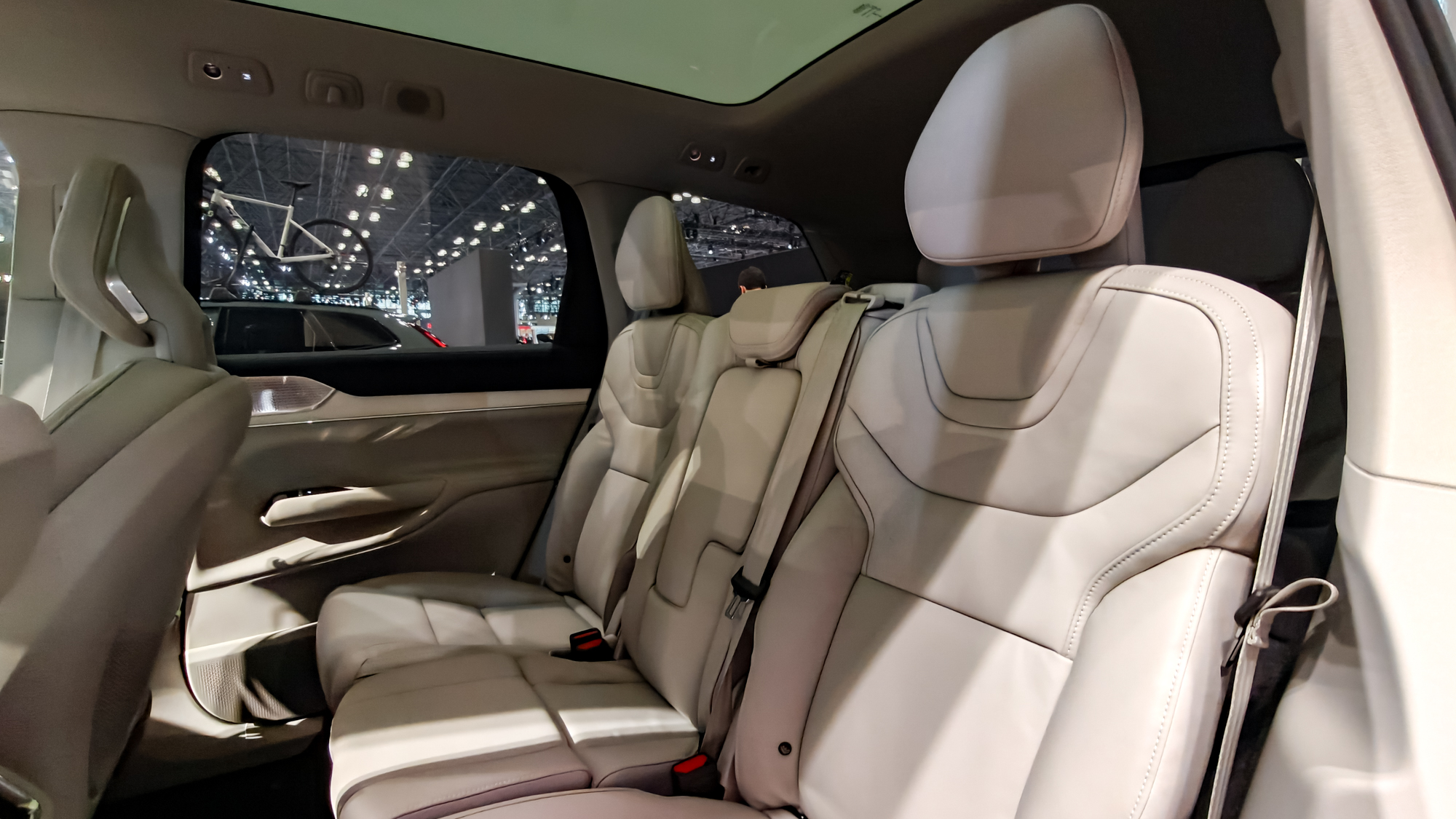
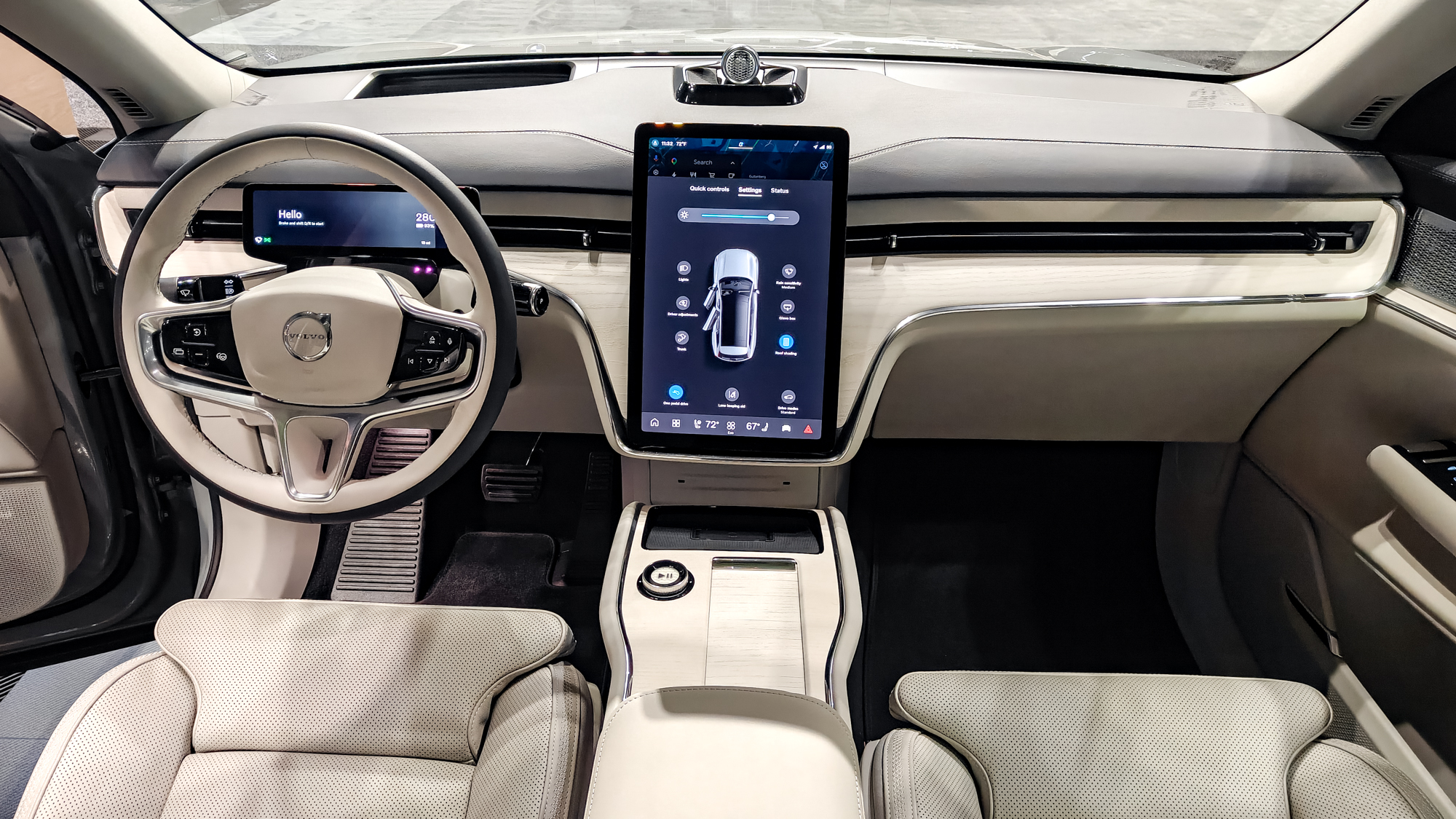
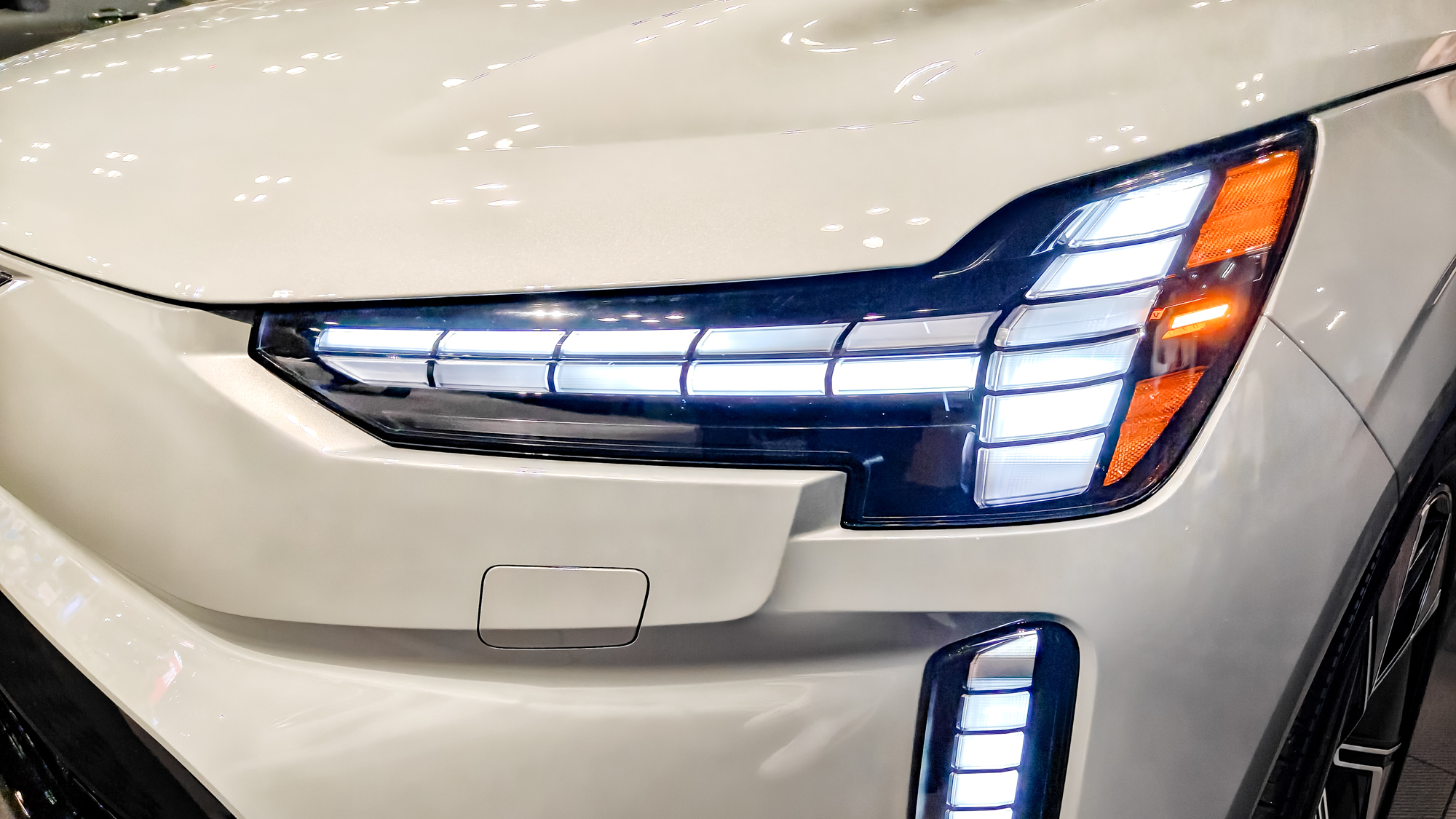
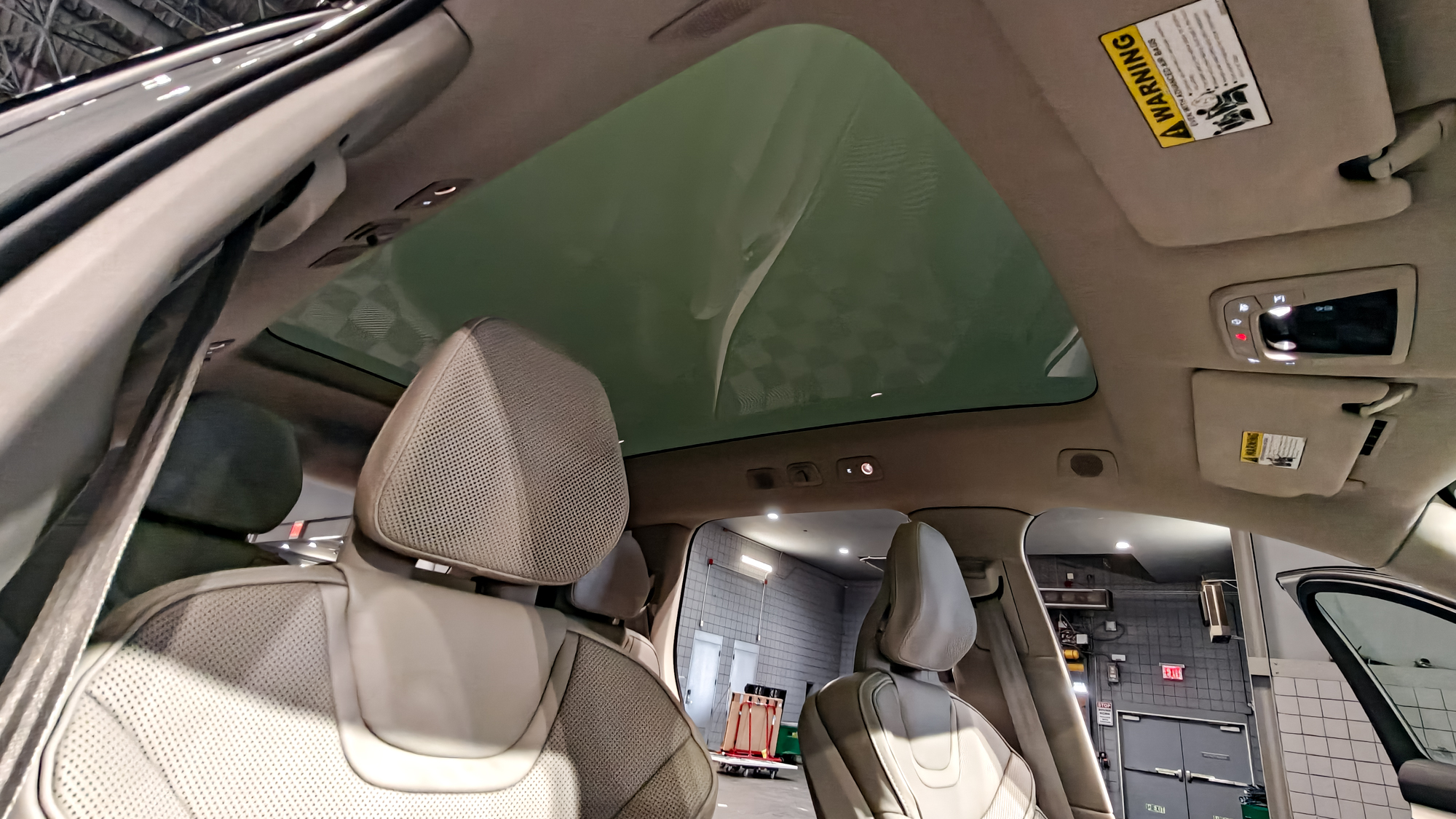
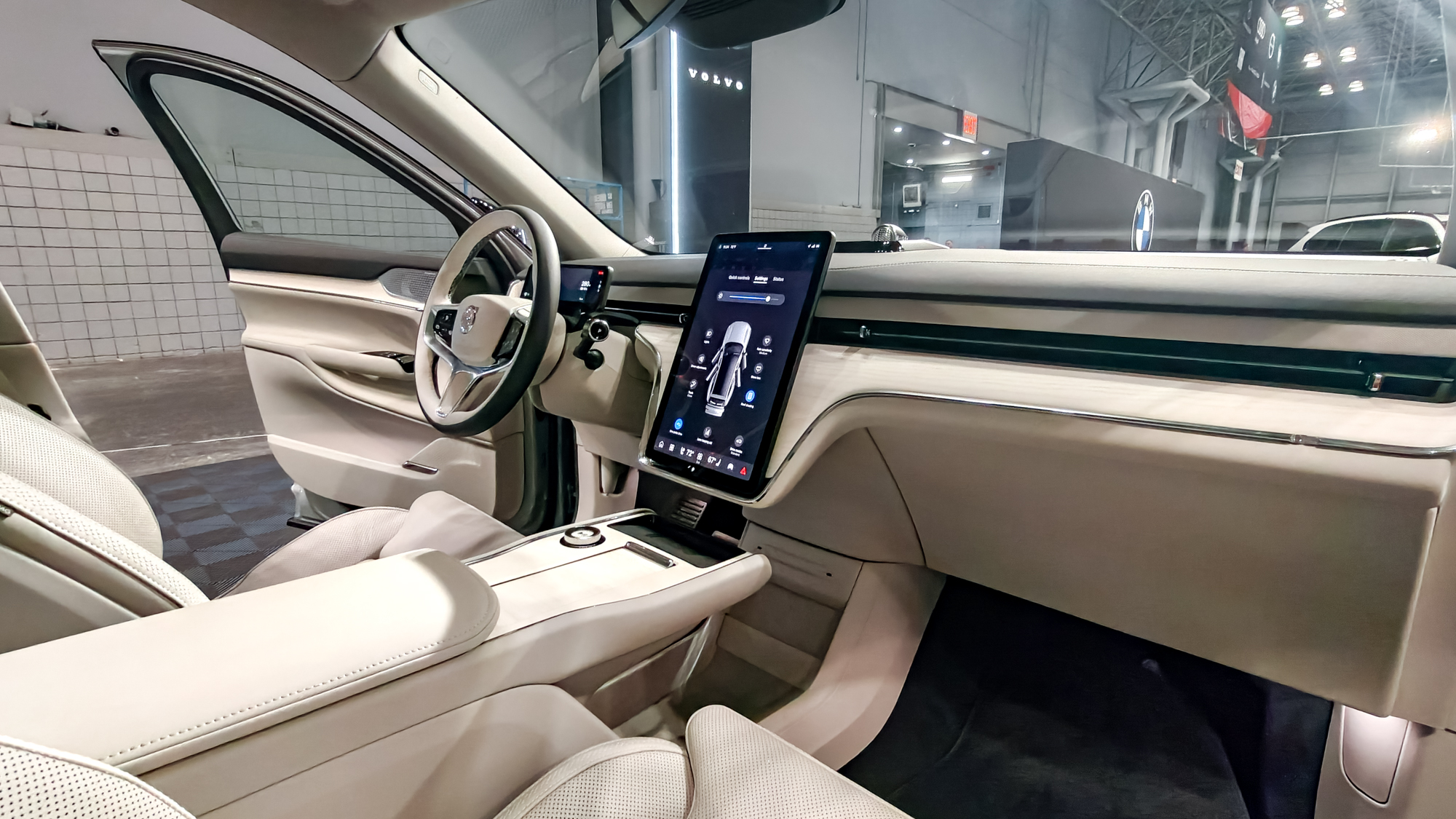
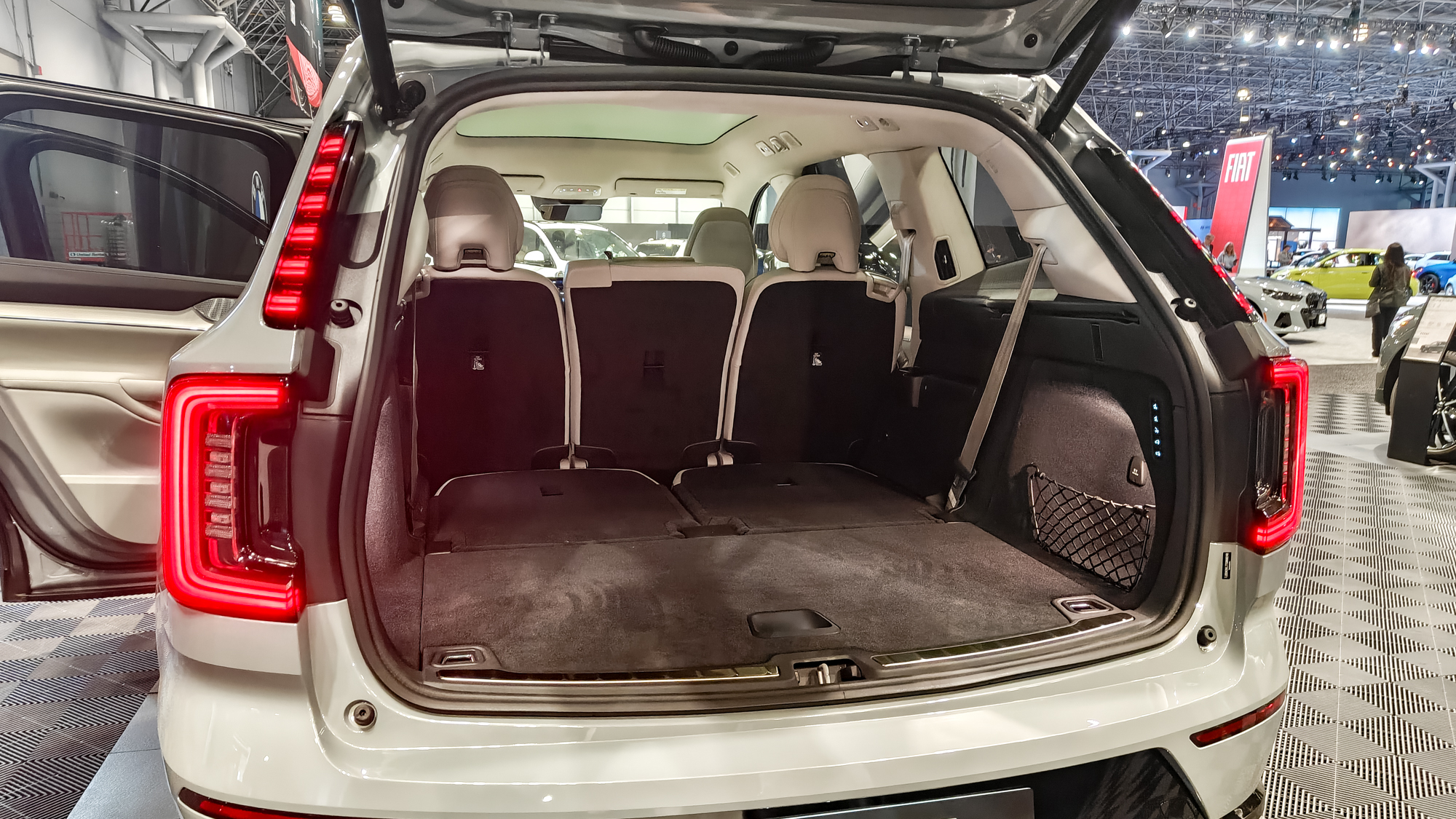
If you love minimalism, you’ll want to check out the 2026 Volvo EX90. It carries over the charming Scandinavian-cool aesthetics of the smaller EX30 I tested last year, but scales them up into a proper three-row SUV. I personally think of it as silent luxury —it’s a vehicle that doesn’t scream for attention but makes its quality felt through meticulous attention to detail.
Beyond comfortably seating seven, the real highlight for the 2026 model is the upgraded 800-volt architecture. This allows for significantly faster DC charging, going from 10% to 80% in just 22 minutes. Better yet, the move to a native NACS charging port means you can pull right into a Tesla Supercharger without an adapter, making road trips a lot less stressful.
I’m also noticing a trend of improved range in this year’s three-row SUVs, and the EX90 is no exception with an EPA-estimated 305 miles. It’s also packing serious firepower, as the twin electric motors in the Performance trim now crank out a massive 670 horsepower.
While the Scandinavian aesthetic permeates the cabin, I couldn’t help but stare at the view above. The electrochromic panoramic roof is a standout feature. With the touch of a button, you can turn the glass opaque to block out the sun. You get all of this in a luxury EV that starts at $78,090, though the fully-loaded Twin Motor Performance Ultra I’ve been eyeing sits closer to $86,390.
Toyota RAV4 Plug-In Hybrid
Image 1 of 7
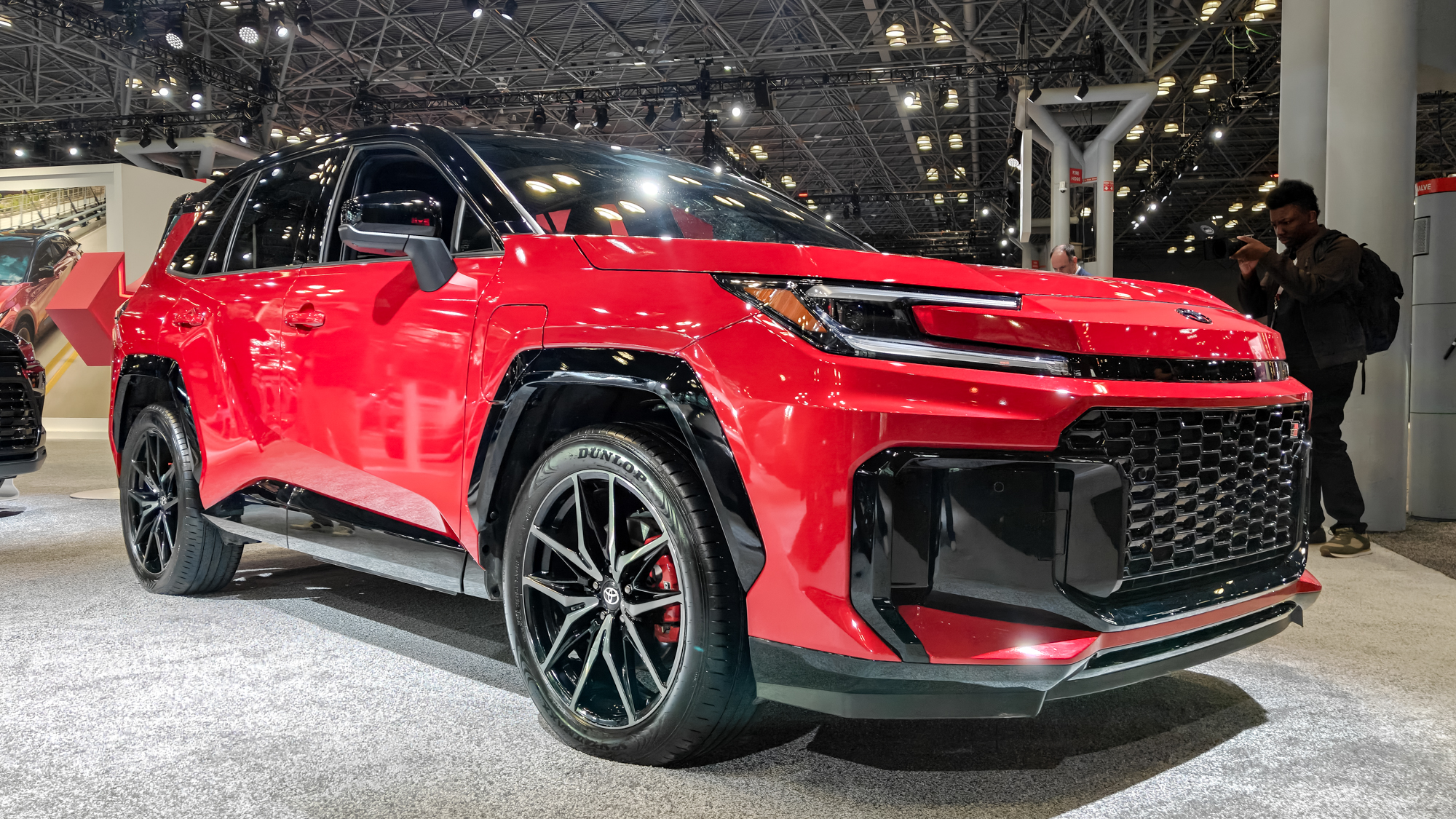
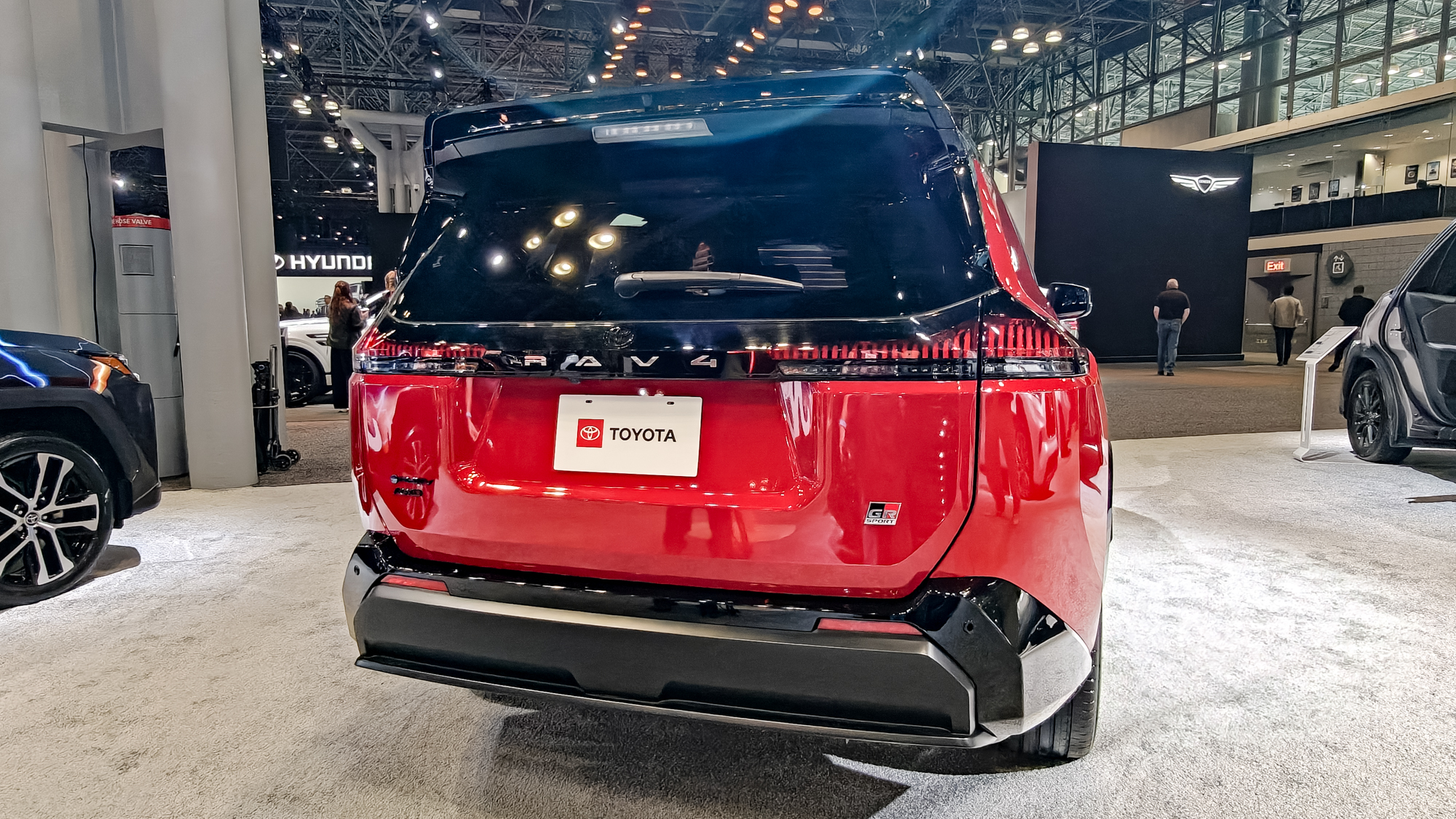
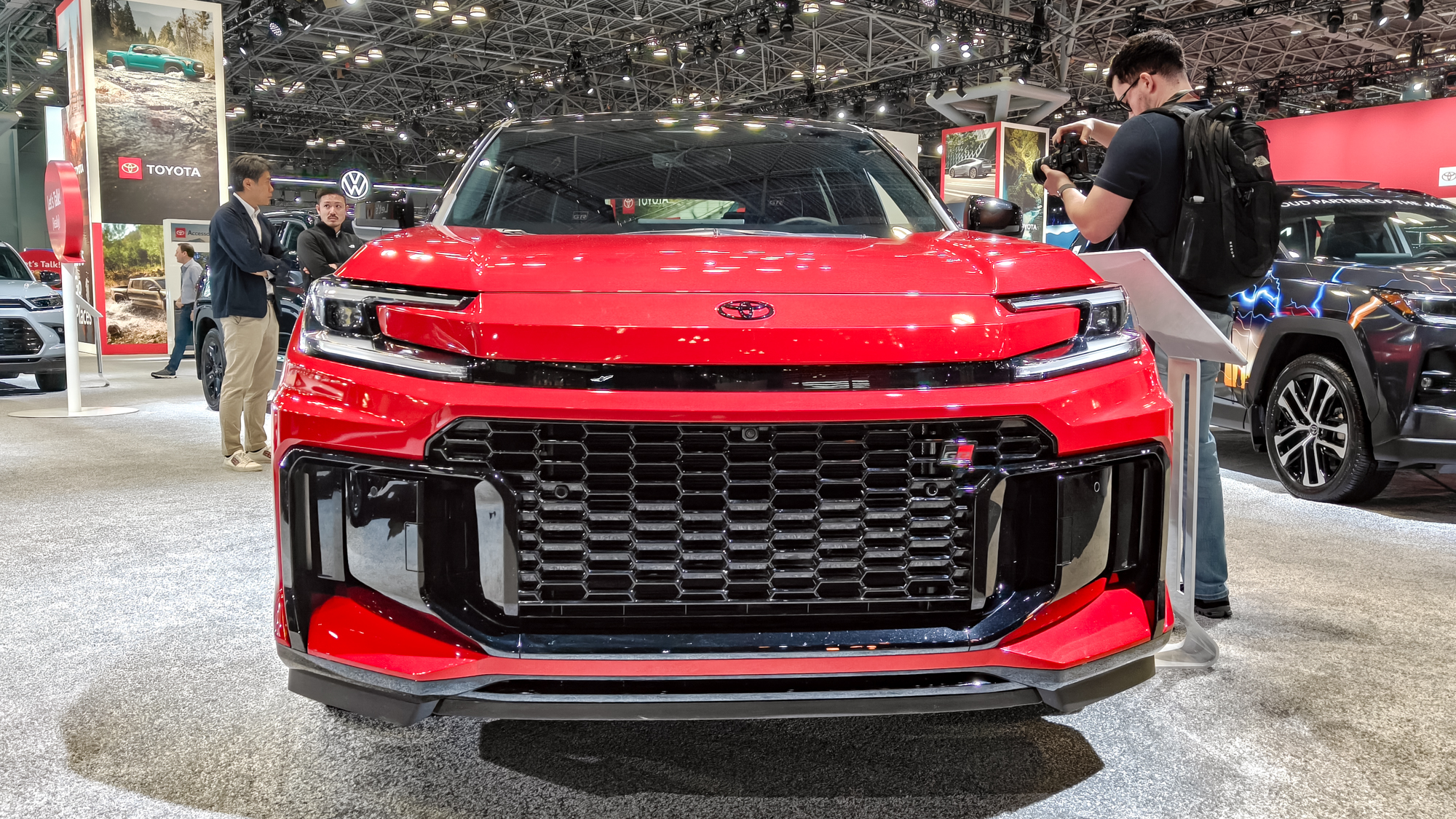
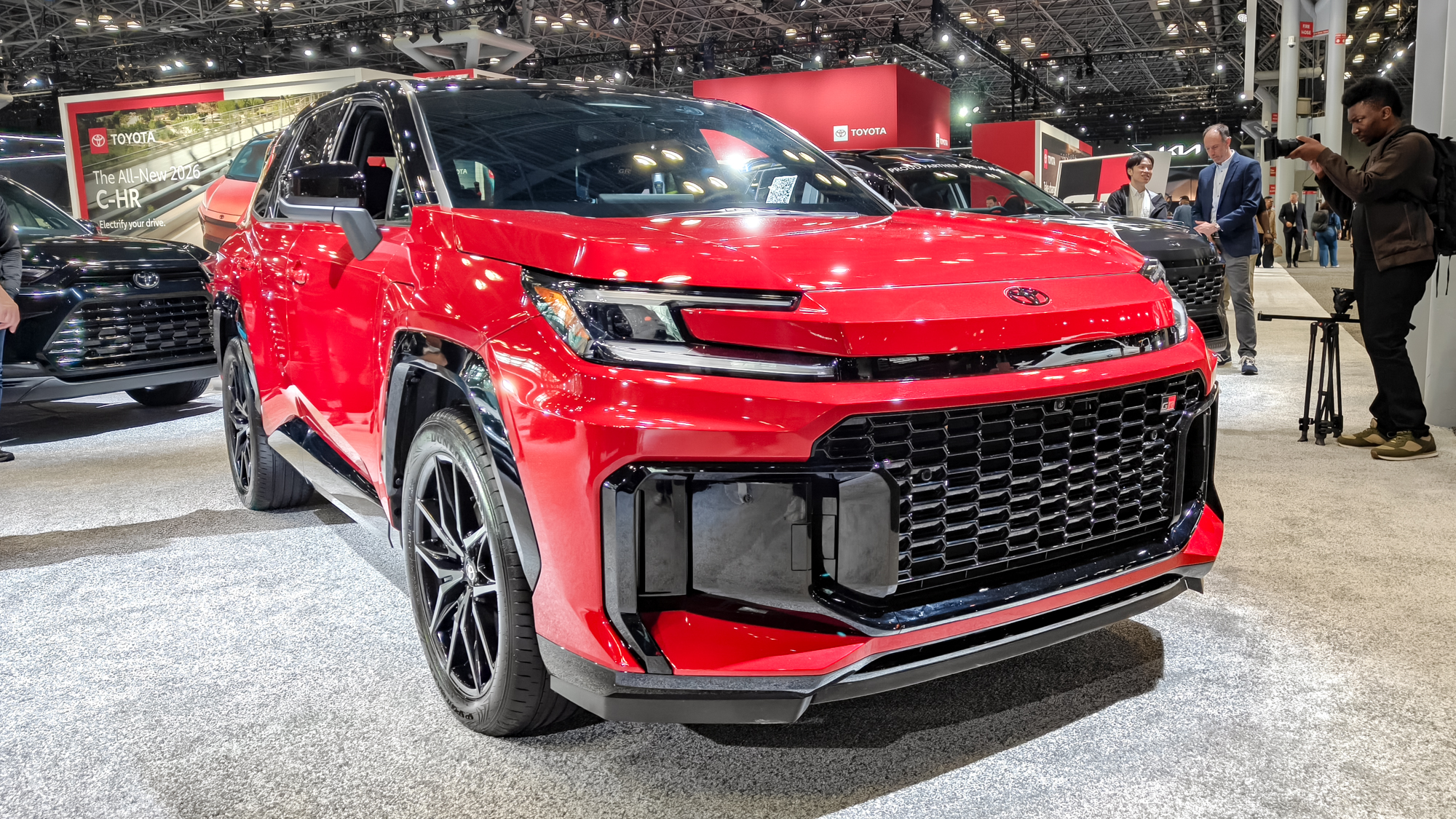
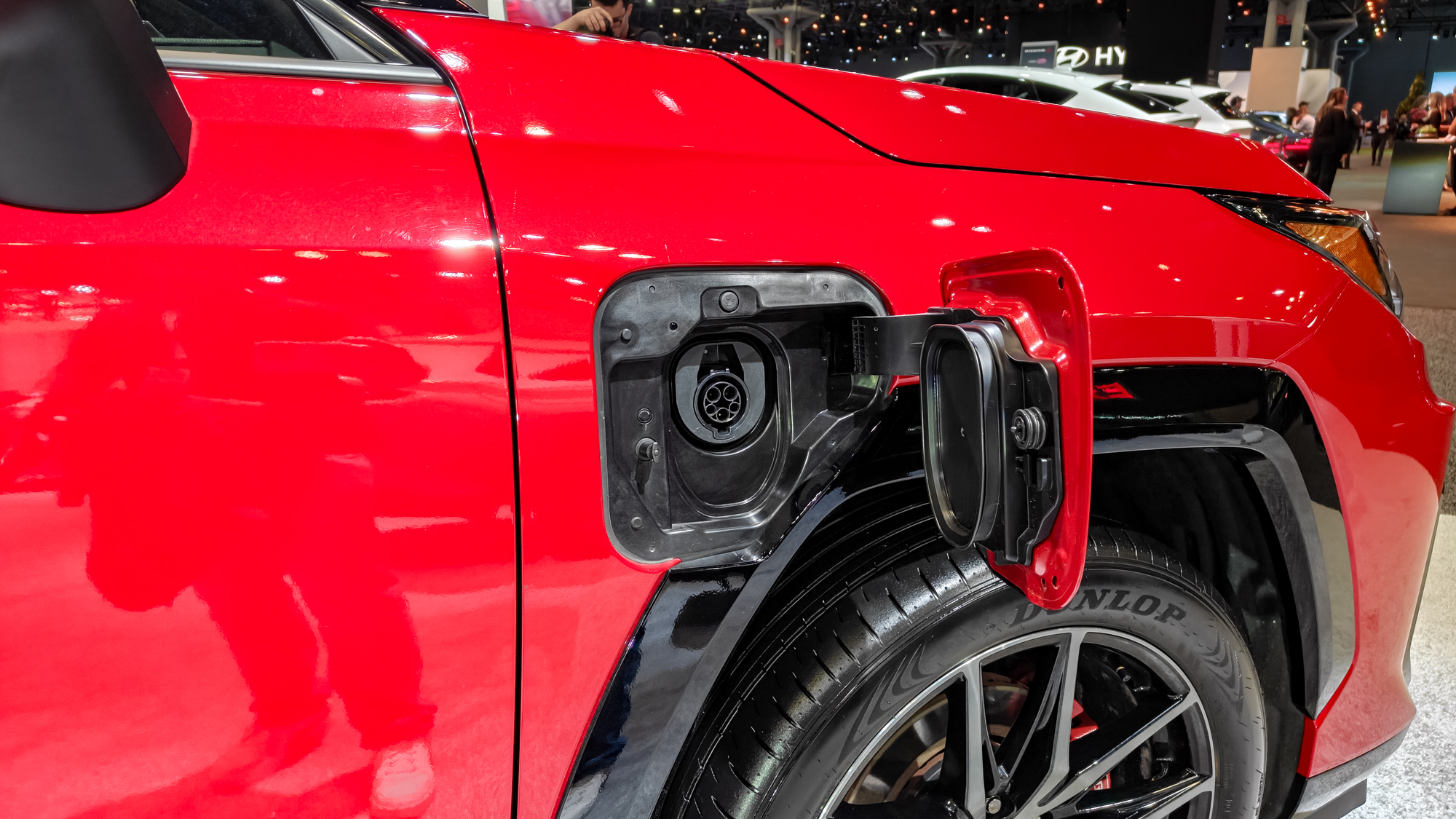
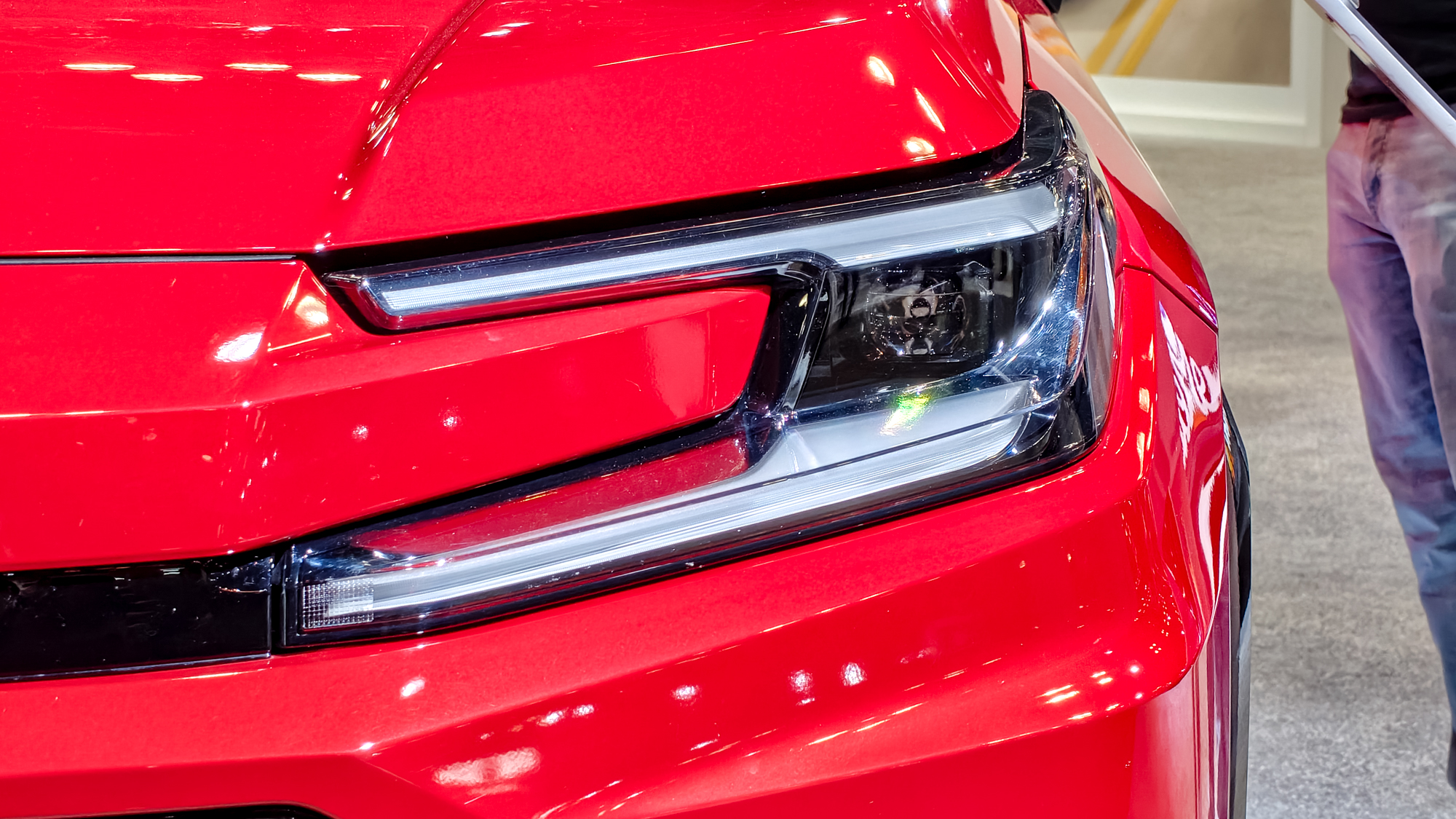
Toyota’s most popular SUV has received a full redesign for 2026, arriving just in time to alleviate the stress of volatile gas prices. The 2026 Toyota RAV4 Plug-In Hybrid features a more aggressive exterior defined by a hammerhead front grille, sharp body lines, and significantly improved interior aesthetics.
If the Kia EV3 is the affordable newcomer and the Subaru Getaway is the powerhouse of the show, the 2026 RAV4 Plug-In Hybrid is the refined veteran. It’s a major glow-up that proves you don’t have to choose between efficiency and reliability.
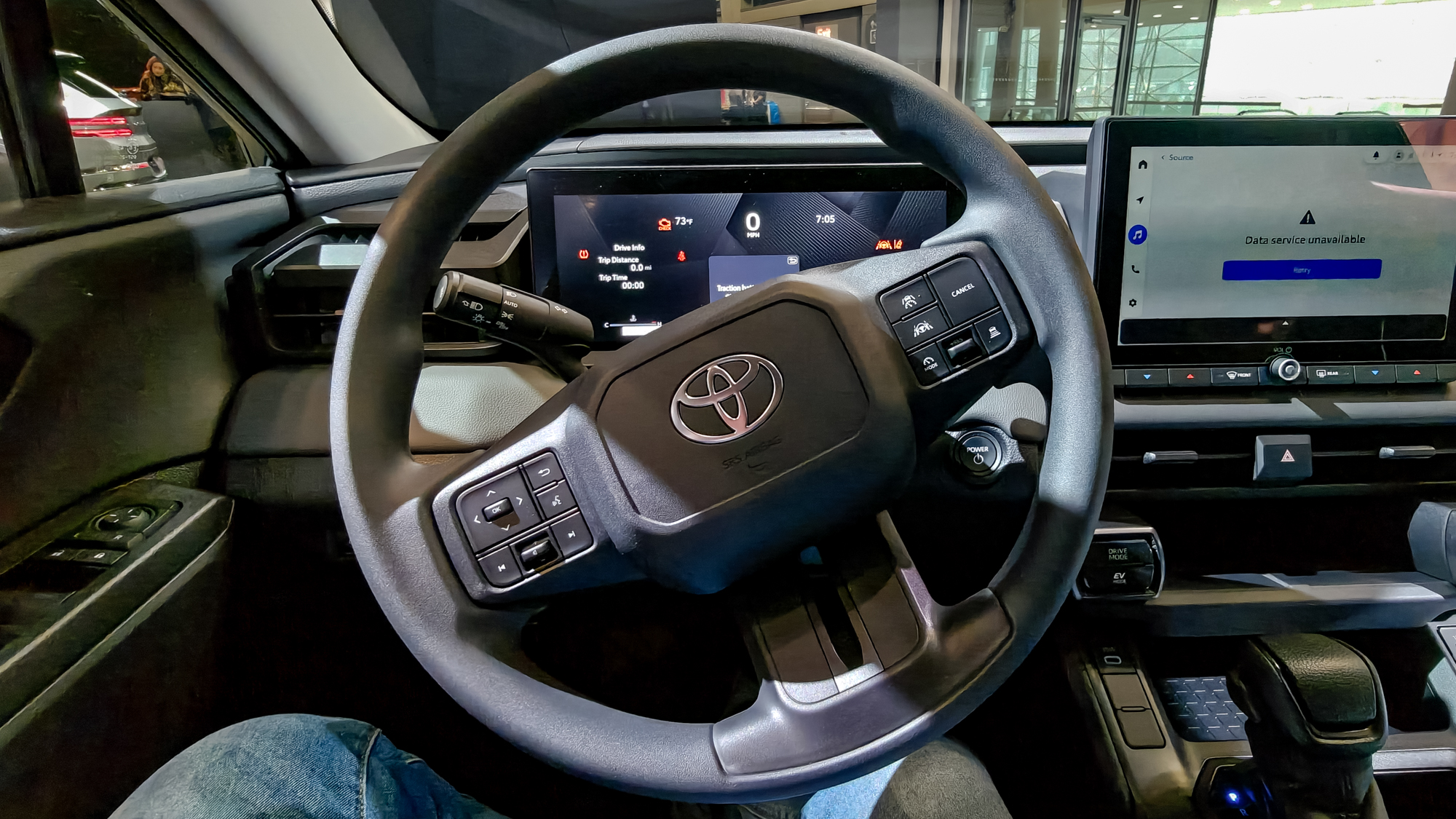
Compared to other Toyotas I tested last year, like the Corolla Cross Hybrid and Prius Plug-In Hybrid, the new RAV4 feels much more premium. Toyota has finally ditched the claustrophobic cockpit feel of the previous generation. By lowering the driver’s display and integrating the new 12.9-inch touchscreen more seamlessly, they’ve made the cabin feel much airier and more spacious.


Follow Digitpatrox on Google News and add us as a preferred source to get our up-to-date news, analysis, and reviews in your feeds.
More from Digitpatrox
Source link