An Iranian Mossad agent, who was among those on the ground in Iran carrying out preemptive attacks as Israel launched strikes to destroy Iranian nuclear sites last year, described his actions and how he came to work for the spy agency in an interview with Israeli television.
The man, whose name was kept secret, spoke to Channel 12’s investigative show “Uvda” for a report aired Thursday evening.
He spoke of his motivation in volunteering to become a Mossad agent, visits to Israel, and what happened on June 13, 2025, when Israel hit out at what it said was an immediate, existential threat posed by Iran’s nuclear development program.
In the early hours of June 13, as Israeli warplanes were sent to strike Iran, a wave of rocket and drone attacks, launched from within Iran, destroyed key air defense systems, ballistic missile launchers, and targeted senior Iranian military figures, as well as nuclear scientists.
The attacks paved the way for the airstrikes that followed, and hampered Iran’s ability to immediately launch a missile and drone counterattack, though those would come in the following days.
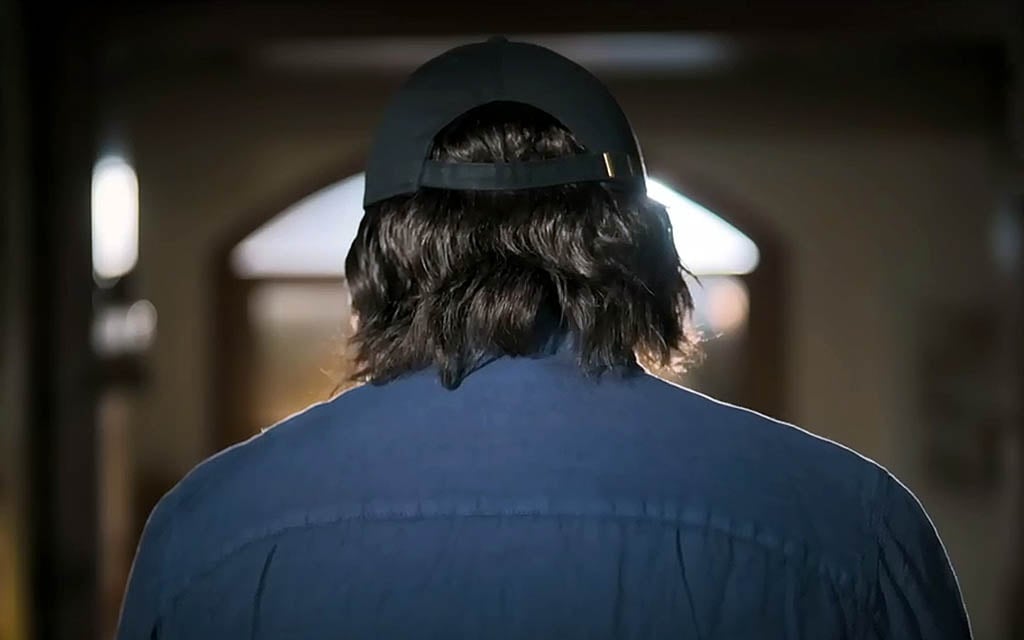
The agent, identified in the show by the alias “Arash,” was heavily disguised to prevent any possibility of being recognized. Uvda did not specify where the interview was held, saying only that it was filmed before the recent internal anti-regime protests in Iran starting in late December.
Arash, who Uvda reported is around 40-years-old, said he first became uncomfortable with the Iranian regime when he started school and was immediately indoctrinated with hatred for Israel and the US. One night, when he was 11, his seventeen-year-old sister was arrested and beaten for not wearing a hijab. His father paid for her release, but the incident was enough to make the family leave Iran for an unidentified Western country.
But Arash was left with a deep desire, he said, to act against the regime in Iran and help his friends who were still there. When he was 30, on a whim, he looked up the Mossad on Google and found the agency’s website. He sent them a message, unsure what would happen, but within days, he was contacted by an agent. In 2015, he began working for the Mossad and received training abroad. Though the show did not go into details, it was clear that Arash visited Israel and speaks some Hebrew.
Ahead of the June assault, Arash was sent to Iran, where he was the leader of one of the teams that carried out the internal attacks. He and his team were instructed to take a missile and launcher by car to a specific location.
Arash described driving through the streets of Tehran, stopping at a red light, and a police car pulling up alongside.
“If I make a mistake, everything is gone,” he recalled, speaking of his fear at that moment, but the squad car drove away.
The team was to assemble the weapon and wait for instructions. Arash said he was in direct contact with Mossad in Israel at the time, but did not explain how. The team did not know what their target was, having only been given coordinates to aim the weapon at.

For two hours, the team waited in the dark for an order.
“I was scared, scared about everything,” he said.
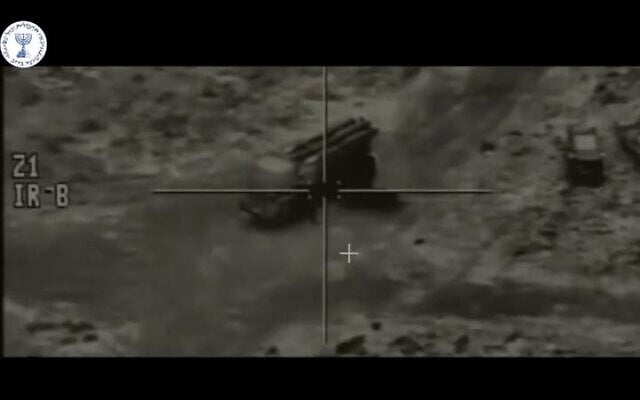
Then, at 3 a.m., the order came through, and Arash pressed the launch button. The missile was fitted with a camera, he said, enabling him to eventually see the target in the moments before it scored a direct hit.
The target, he said, was revealed as a ballistic missile ready to be fired at Israel.
He told his Mossad handlers, “I did the job,” to which they immediately responded, “Yes, you did.”
The team immediately retreated to an apartment where they hid. He said the next day he saw people happy in Tehran because the regime had been dealt a blow.
Eventually, the team was pulled out of Iran, and Asrah was brought to Israel, where, he said, he had a toast with his handlers.
‘Would have been the greatest operation’
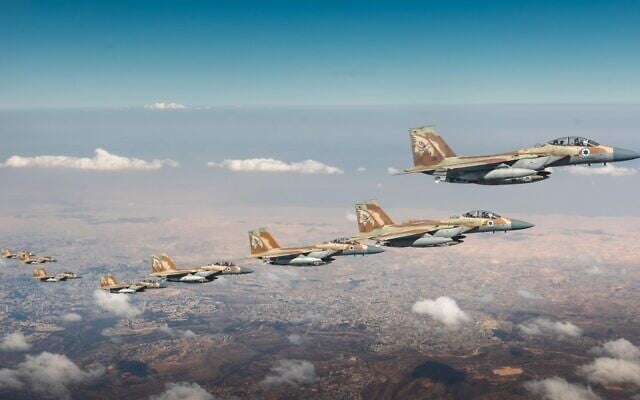
The 12-day war that followed saw Israel conduct multiple attacks on Iranian nuclear and ballistic missile sites, while Iran retaliated with missile barrages at Israeli military sites and cities.
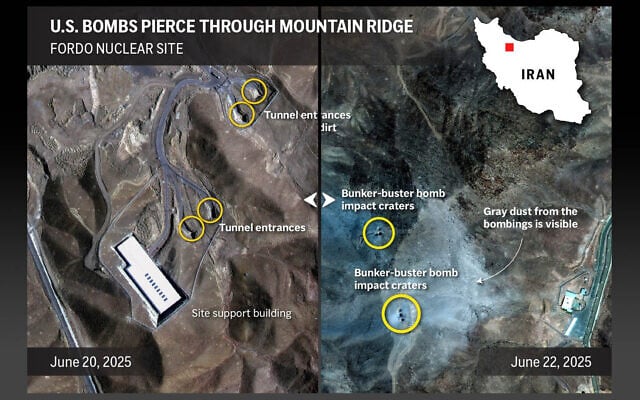
However, one key site remained out of reach of Israel: the Fordo uranium enrichment plant, which is buried under a mountain, safe from Israeli airstrikes.
And it was exactly that difficulty that prompted the Mossad to spend years developing a complex plan to smuggle a large amount of explosives into Fordo and blow it up from the inside.
Several former Mossad and defense officials spoke to Uvda about the plan, among them former Mossad chiefs Yossi Cohen and Tamir Pardo, who led the spy agency from 2016-2021, and 2011-2016, respectively.
They said that Israel first became aware of what was going on at Fordo in 2010. The Mossad began putting together a grandiose operation that Cohen said, had it been carried out, “would have been the greatest operation in the history of the country.”
The plan reportedly faced doubts owing to the enormous resources required, its dizzying complexity, the need to mesh delicately synchronized activities, the number of agents required, as well as figuring how to get them out of Iran after the attack went ahead. The Mossad favored using its own home-grown operatives rather than agents enlisted abroad, complicating the mission, which Cohen indicated required at least dozens of people.
Prime Minister Benjamin Netanyahu, who was also the premier at the time, was said to have been very keen on the plan and pushed to move ahead with preparations.
However, by the time Cohen became Mossad chief in 2016, the Obama administration had signed a nuclear pact with Iran. Cohen said that by then, he had lost his own previously strong faith that the operation could be carried out, and so it was shelved, with the focus instead put on the Israel Defense Forces to prepare a strike on Iran.
Then, in 2018, the first Trump administration pulled out of the Iran deal, opening the way again for Israel to plan for an attack on Iran. After the current Mossad director, David Barnea, took over the agency, he revived work on the Mossad plan, officials said.
But when Hamas led its devastating invasion of Israel on October 7, 2023, triggering the Gaza war, it became clear that the IDF, which was needed to carry out the Mossad plan, would instead be tied up with fighting in the Gaza Strip, leading Barnea to put off the plan again.
When Israel eventually went ahead with its strikes in 2025, there was no solution to the Fordo problem, officials said. The hope was that the US, which does have the military hardware needed to attack a deeply buried target, would join the fight. Though at first the US was reluctant, fretting over the danger to US military personnel in the Middle East from an Iranian response, on June 22, Washington ordered strikes on some Iranian nuclear sites, including Fordo. The US subsequently arranged a ceasefire, ending the war.
Responding to the report, Netanyahu’s office — which has direct authority over the Mossad — stated that “in contrast to what has been claimed, the prime minister led the preparation of a variety of plans for striking all elements of the program.” Regarding Fordo, the Prime Minister’s Office acknowledged that “attack plans were developed, some of which were not possible because of October 7,” but touted the cooperation between the US and Israel during the war.
-

-

-

-
-