Refresh
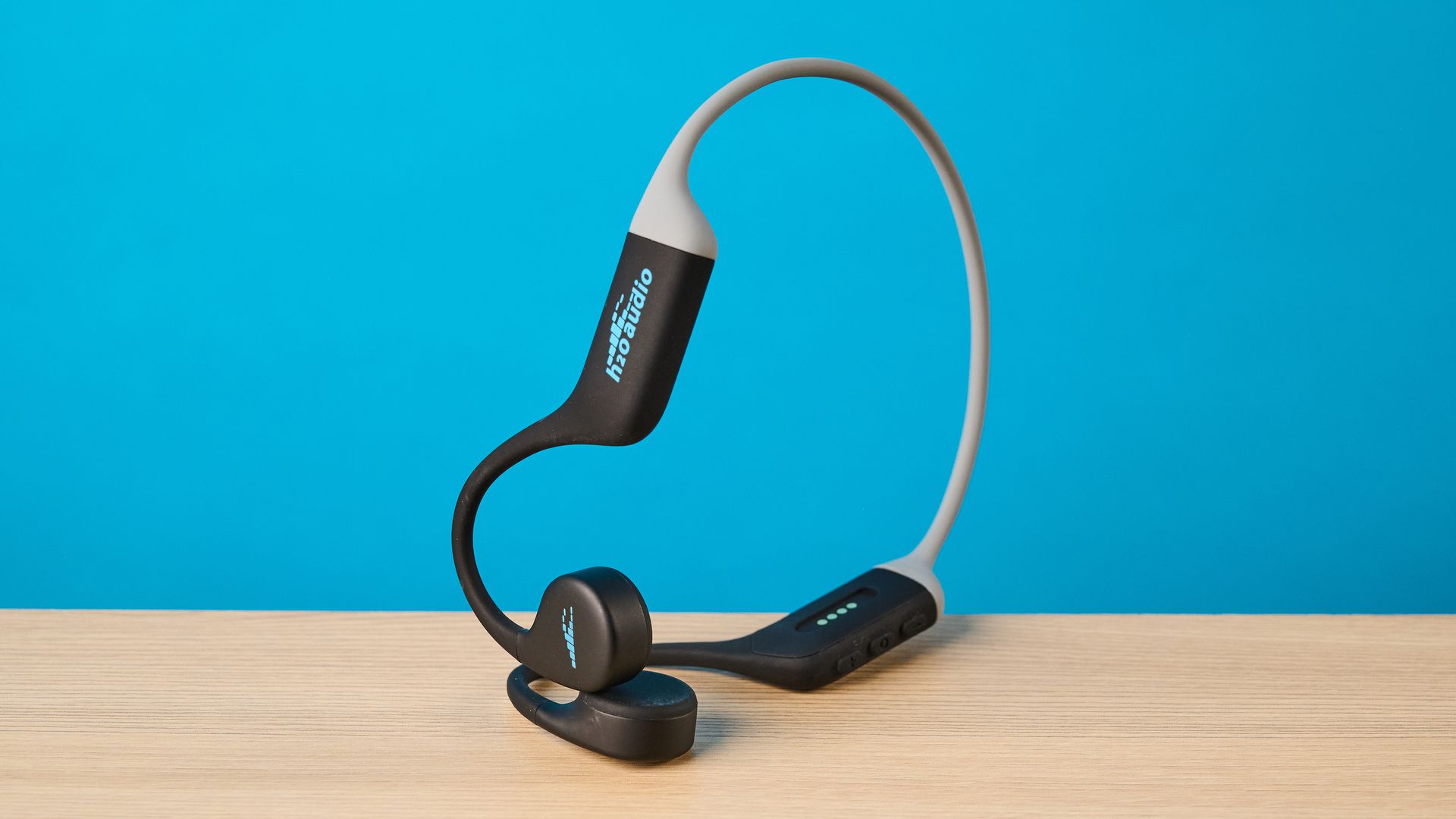
Meta Platforms isn’t betting on a single “killer” pair of smart glasses — and that’s intentional. Instead of rushing straight to full augmented reality, Meta is rolling out a multi-stage hardware strategy built around three distinct categories: audio AI glasses, display AI glasses, and eventually full AR.
The goal is gradual adoption. Audio-first glasses introduce AI assistance without changing how people use eyewear. Display AI glasses add lightweight visual information without overwhelming users. Full AR only comes later, once the technology is slim, socially acceptable, and genuinely useful for everyday life.
In other words, Meta is trying to normalize smart glasses before making them futuristic. Rather than asking users to strap a full AR computer to their face all day, the company is easing people in — feature by feature, year by year — until wearing AI-powered glasses feels as natural as wearing earbuds or a smartwatch.
This staged approach also gives Meta room to refine the technology, build habits, and test what people actually want from AI on their face — before committing to the most ambitious version of augmented reality.
In its earnings announcement, Meta Platforms reiterated the official channels it uses for material disclosures under Regulation FD, which governs how public companies share market-moving information.
According to Meta, investors and the public should look to the following sources for official earnings results, press releases, and regulatory updates:
- investor.atmeta.com — Meta’s Investor Relations site, where earnings releases, prepared remarks, financial tables, and webcasts are posted
- meta.com/news — the company’s corporate newsroom for major announcements
- Mark Zuckerberg’s public social profiles on Facebook, Instagram and Threads, which Meta treats as recognized disclosure channels
This matters because information released through these platforms is considered official company communication, not speculation or leaks.
If earnings details, guidance or strategic updates appear elsewhere first, they shouldn’t be treated as confirmed unless they’re echoed through one of Meta’s designated channels.


One of the biggest questions heading into Meta’s earnings call is how much the company plans to spend next year. Analysts expect updated guidance on 2026 capital expenditures, particularly for AI data centers, chips and computing infrastructure.
Current projections range from roughly $109B to $117B, and even small changes to that outlook could influence how Wall Street views Meta’s margins, cash flow and long-term discipline.


Advertising remains the backbone of Meta’s business, powering Facebook, Instagram, WhatsApp and Threads. AI-driven targeting and recommendations have helped boost performance, keeping ad revenue resilient even as the digital ad market tightens.
The challenge is cost. Running large-scale AI systems isn’t cheap, and those expenses are climbing fast. On today’s earnings call, analysts will be listening for how Meta balances ad growth with the rising cost of AI infrastructure behind the scenes.


As Meta reports earnings, a few key themes are expected to dominate the conversation. Here’s what matters most — and why it’s worth paying attention even if you’re not an investor.
- Advertising strength vs. rising AI costs. Ads are still Meta’s bread and butter. Facebook, Instagram, WhatsApp and Threads all rely on ad revenue, with AI-powered targeting and recommendations increasingly driving performance. But that growth is now competing with the reality that AI is expensive to run, and those costs are rising fast.
- CapEx and 2026 spending plans. One of the biggest questions on the call will be how much Meta plans to spend next year — especially on AI data centers, chips and infrastructure. Analysts expect updated guidance for 2026, with projected spending in the $109B–$117B range. That number will shape how Wall Street views Meta’s margins and long-term cash flow.
- Are Meta’s AI investments paying off yet? Meta has poured billions into AI, but investors want evidence that those investments are starting to translate into real returns — whether that’s smarter ads, better engagement, new paid features or efficiency gains. The balance between progress and pressure will be closely scrutinized.
- Reality Labs: still a drag, still a bet. While AI is the headline story, Meta’s Reality Labs division — home to VR, AR and metaverse projects — continues to lose money. Any updates on losses, timelines or strategic shifts here could influence confidence in Meta’s longer-term bets.
- Engagement and new monetization signals. Finally, analysts will be listening for signals around user engagement and future revenue streams. That includes updates on Threads, experiments with subscriptions, and how AI-enabled features might eventually turn into new ways for Meta to make money.
Meta’s Superintelligence Labs — a new internal AI team — has delivered its first high-profile AI models internally, according to CTO Andrew Bosworth in an exclusive interview with Reuters. He described the work as promising even at this early stage, with ongoing efforts to refine and adapt those models into usable technologies inside Meta’s ecosystem.
Building foundational AI capabilities in-house gives Meta more control over future innovation — potentially powering smarter recommendations, generative tools, and other advanced features down the line — but the company has stopped short of outlining specific product launches or timelines tied to these models.
Analysts see this as part of a broader strategy to regain footing in the competitive AI landscape while investing in long-term tech leadership.
At the same time, Meta has recently paused teen access to its AI characters globally amid safety and oversight concerns — a reminder that as new AI tools roll out, Meta still faces scrutiny over content moderation and user protection.


When Meta talks about AI on its earnings call later today, we will learn more about how Instagram, Facebook and WhatsApp evolve. The company is spending heavily on AI infrastructure to power smarter feeds, generative tools, assistants and automation across its apps.
That investment is already shaping product decisions. Meta has been building more of its AI in-house, developing proprietary models meant to run recommendations, creative tools and new AI features users interact with every day.
But AI doesn’t come cheap. As costs rise, Meta is under pressure to find ways to pay for those features — which helps explain why the company is exploring optional subscriptions and paid upgrades, alongside ads.
At the same time, Meta has pulled back and adjusted some AI features, like pausing teen access to AI characters, as concerns around safety and oversight grow.
For users, the takeaway is that Meta’s AI push is accelerating, but how it gets funded — and who gets access to what — is still very much in flux.
Meta is positioning potential subscriptions around added features and control, but the real pressure point may be AI economics. Training, deploying and running large-scale AI systems — from generative tools to recommendation engines — is capital-intensive, requiring massive investments in data centers, chips and ongoing compute.
Advertising still funds the bulk of Meta’s business, but AI changes the math. As more AI features move from experiments into everyday products, the cost of serving each user rises. Optional subscriptions would give Meta a way to recover some of those costs directly, without locking core social experiences behind a paywall.
In that sense, subscriptions wouldn’t replace ads — they’d act as a pressure valve, helping Meta fund AI expansion while keeping Instagram, Facebook and WhatsApp largely free for most users.


Meta Platforms says it’s exploring optional premium subscription tiers for Instagram, Facebook, and WhatsApp, while keeping the core experience free. The paid options would focus on exclusive features, added controls and expanded AI tools, rather than replacing ad-supported access.
The move signals Meta’s continued interest in diversifying revenue beyond ads, particularly as it ramps up spending on AI and infrastructure.


At this point, most of Meta’s earnings come from digital advertising. Yet Apple just invested $14.3 billion in Scale AI in June and brought over CEO Alexandr Wang and other top talent from the company.
But Meta is spending billions (between $70 billion and $72 billion) on AI and other areas that don’t generate revenue.
“We’re seeing the returns in the core business that’s giving us a lot of confidence that we should be investing a lot more, and we want to make sure that we’re not underinvesting,” he said.
The company sees AI, AR and VR as the future, and it might just be sacrificing money now to make that future a reality.

If you’re just a fan of cool technology (which most of us are), you’re probably excited about Meta’s Reality Labs division. It’s where the cool AR tech is being developed. It’s also where Meta is losing an absurd amount of money in the short term. In fact, it is expected to bring in only $959 million in revenue for the quarter while losing a staggering $5.9 billion.
Does that mean we should temper our excitement over this new tech? Perhaps not, as Meta is seemingly playing the long game and banking on this technology becoming massive in the future; otherwise, the company wouldn’t spend so much on its researchers, developers, and engineers working to build the future of virtual and augmented reality.


Meta’s last earnings call was in October 2025 where the company reported its Q3 income and expenses. Apparently, Wall Street didn’t like what it heard, as the company’s stock is down 12% overall since then.
According to the latest reports, investors have raised concerns about the social media giant’s massive amount of spending. Essentially, Meta is spending a lot of money, and the company said it expects 2026 capital expenditure growth to be “notably larger,” which means it plans to spend even more.
Source link
-

-

-

-

-